The presence of Ariana Grande and Fifth Harmony in the pop landscape represents a definitive era of mid-2010s mainstream music, defined by the transition from electropop to modern R&B-infused vocal pop, the dominance of streaming platforms, and the evolution of global fandom ecosystems.
The mid-2010s pop landscape was characterized by a rapid structural shift. As digital streaming began to eclipse traditional physical sales and digital downloads, the music industry demanded artists who could maintain constant cultural engagement while delivering high-production-value vocal performances. Within this environment, Ariana Grande transitioned from a television-adjacent pop star into a global solo powerhouse, while Fifth Harmony emerged as the preeminent American girl group of their generation, forged in the reality television crucible of The X Factor.
Examining these two entities side by side illuminates the divergent paths of solo stardom and group dynamics during a period when pop music was splintering into micro-genres, yet still driven by dominant radio hits and viral visual culture. Both acts left indelible marks on vocal delivery, fashion, fandom organization, and the commercial mechanics of major-label pop music, setting the stage for the streaming era that followed.
The Evolution of Mid-2010s Pop Music
To understand the impact of Ariana Grande and Fifth Harmony, one must first examine the macroeconomic and stylistic shifts occurring in the global music market between 2013 and 2018. During this window, the pop landscape moved away from the maximalist, EDM-driven club anthems of the early 2010s toward a more textured, mid-tempo soundscape heavily influenced by contemporary R&B, trap hi-hats, and atmospheric synthesizers.
Streaming services such as Spotify and Apple Music altered how songs were consumed, prioritized, and produced. Song lengths shortened to maximize repeat plays, hooks became immediate, and album rollouts transformed into continuous streams of singles and features. In this environment, pop acts needed versatile branding and distinct sonic identities to stand out amidst algorithms and curated playlists.
Ariana Grande navigated this shift by leaning into her four-octave vocal range and blending bubblegum pop with authentic R&B textures, collaborating with producers like Max Martin, Pharrell Williams, and later, Tommy Brown. Meanwhile, Fifth Harmony capitalized on a resurgence of interest in pop vocal groups, filling a commercial void that had been largely vacant since the hiatuses of groups like the Pussycat Dolls and Danity Kane. They introduced a dynamic where five distinct vocal timbres could be leveraged to create diverse, radio-friendly anthems that bridged Latin-infused pop, dance-pop, and urban radio formats.
Ariana Grande: The Rise of a Solo Vocal Powerhouse
Ariana Grande's trajectory in the pop landscape is a study in calculated artistic maturation. Emerging from her tenure on Nickelodeon television series Victorian and Sam & Cat, Grande made a deliberate pivot to music with her 2013 debut album, Yours Truly. Heavily inspired by 1990s R&B and doo-wop, the album established her vocal prowess—frequently compared to Mariah Carey due to her whistle register—while introducing her to the mainstream charts with the hit single "The Way" featuring Mac Miller.
As her career progressed through albums like My Everything (2014) and Dangerous Woman (2016), Grande expanded her sonic palette. She integrated electronic dance elements, funk basslines, and trap beats, working with hitmakers who helped her secure consecutive global smashes like "Problem," "Break Free," and "Side to Side." Her ability to adapt to changing sonic trends without losing her signature vocal acrobatics cemented her status as an elite pop practitioner.
The defining moment of her mid-career came with the release of Sweetener (2018) and Thank U, Next (2019). Created in the wake of significant personal and public trials, including the 2017 Manchester Arena bombing and the death of former partner Mac Miller, these albums showcased a vulnerability and artistic autonomy that elevated her critical standing. Thank U, Next, in particular, broke streaming records and demonstrated how an artist could use direct-to-consumer communication and rapid-fire album releases to dominate cultural discourse in the streaming age.
Key Milestones in Ariana Grande’s Pop Evolution
- Vocal Identity: Establishing a signature blend of breathy, whispered lower registers and soaring whistle tones inspired by classic R&B vocalists.
- Genre Fluidity: Seamlessly transitioning from 90s revivalist R&B to high-energy dance-pop and trap-pop crossovers.
- Streaming Dominance: Leveraging rapid single releases and viral music video moments to break multiple Billboard and Spotify streaming records.
- Cultural Resilience: Maintaining commercial relevance and deep fan loyalty through periods of intense public scrutiny and personal tragedy.
Fifth Harmony: The Rise and Mechanics of a Modern Girl Group
Fifth Harmony was formed in July 2012 on the second season of the American edition of The X Factor. Comprising Ally Brooke, Normani, Lauren Jauregui, Camila Cabello, and Dinah Jane, the group was assembled by judge Simon Cowell after the members had initially auditioned as solo artists. While they finished in third place on the show, they secured a record deal with Syco Music and Epic Records, positioning them as the most prominent American girl group of the decade.
The group’s early output, including their 2013 EP Better Together and their 2015 debut studio album Reflection, established a high-energy, empowering brand of dance-pop. Their commercial breakthrough arrived with the single "Worth It" featuring Kid Ink, which became a global radio staple and showcased their ability to execute synchronized choreography alongside robust, harmonized vocal performances.
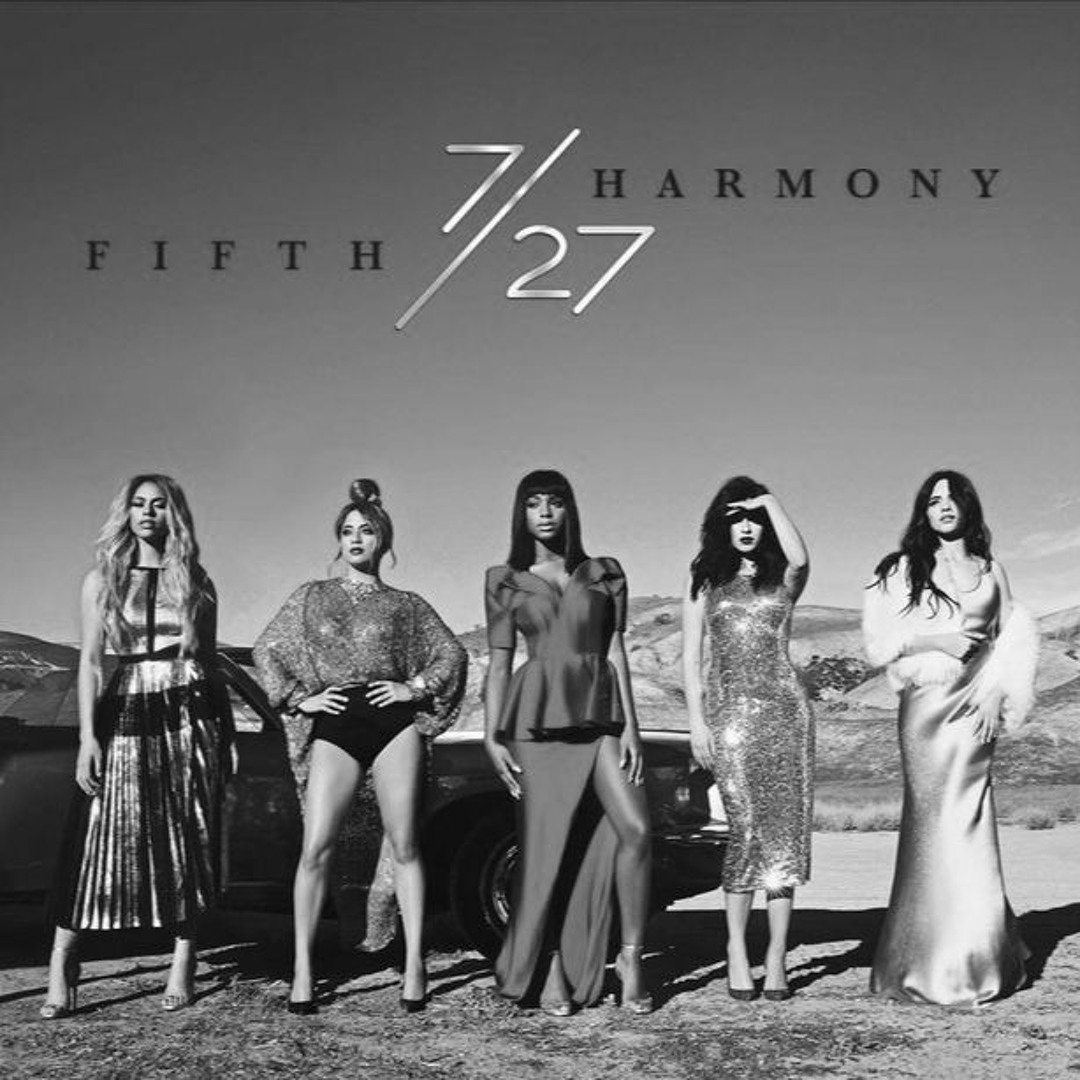
Their sophomore album, 7/27 (2016), produced their biggest global hit, "Work from Home" featuring Ty Dolla Sign. The track peaked at number four on the Billboard Hot 100, making it the highest-charting song by an all-female group on the chart in over a decade. The song's minimalist trap-pop beat and memorable hook exemplified the sophisticated direction contemporary girl groups needed to adopt to compete in a streaming-dominated market.
However, the group's journey also highlighted the systemic pressures inherent in manufactured pop groups. In December 2016, Camila Cabello departed the group to pursue a solo career. The remaining four members continued as a quartet, releasing their self-titled third album Fifth Harmony in 2017. In March 2018, the group announced an indefinite hiatus to allow members to pursue individual projects, concluding a high-intensity run that exposed the challenges of balancing individual artistic identities within a collective enterprise.
Structural Comparison: Solo Stardom vs. Group Dynamics
| Feature / Metric | Ariana Grande (Solo Artist) | Fifth Harmony (Girl Group) |
|---|---|---|
| Formation & Origin | Individual television background and independent label signing. | Assembled on television reality competition (The X Factor). |
| Creative Control | High individual autonomy over musical direction, collaborations, and visual aesthetics. | Shared creative input managed collaboratively with label executives and songwriting camps. |
| Sonic Signature | R&B-infused vocal pop, trap-pop, and smooth mid-tempos. | Empowering dance-pop, urban-pop crossovers, and rhythmic tropical house. |
| Career Trajectory | Steady upward commercial trajectory culminating in record-breaking solo dominance. | Rapid multi-platinum success followed by member departure and an indefinite hiatus. |
| Fandom Ecosystem | A centralized, highly mobilized fanbase ("Arianators") focused on a single public figure. | Segmented individual fanbases ("Harmonizers") who often championed specific members. |
Commercial Strategies and Fan Engagement
Both Ariana Grande and Fifth Harmony utilized distinct strategies to build and maintain engagement within the evolving digital pop landscape. Their approaches highlight how fanbases operated during the mid-to-late 2010s, bridging the gap between traditional promotional tours and social media-driven parasocial relationships.
Ariana Grande mastered the art of intimate accessibility paired with untouchable pop-star glamour. By engaging directly with fans on platforms like Twitter (now X) and Instagram, she fostered a sense of personal connection that galvanized her fanbase. Her marketing campaigns often relied on surprise drops, cryptic tracklist announcements, and high-fashion visual motifs that invited fan decoding and viral engagement across TikTok and other emerging platforms.
Fifth Harmony, by contrast, leveraged the multi-faceted appeal of a group dynamic. Because the members possessed distinct visual identities, vocal styles, and cultural backgrounds (Mexican-American, African-American, Cuban-American, and Polynesian-American), the group naturally attracted a diverse demographic. However, this same diversity contributed to internal segmentation, as fan communities often formed around individual members, creating a complex internal dynamic that mirrored the classic challenges faced by historical pop groups like the Spice Girls or Destiny's Child.
Legacy and Impact on Contemporary Pop
Looking back from the vantage point of 2026, the footprints of both Ariana Grande and Fifth Harmony remain visible across the current pop landscape.
Ariana Grande proved that a pop artist could maintain massive commercial viability while exhibiting vulnerability and sonic evolution. Her vocal styling heavily influenced a generation of emerging singers who integrated acrobatic runs and airy R&B phrasing into their music. Her career set a benchmark for how solo artists navigate streaming-era album cycles, proving that emotional authenticity paired with elite vocal execution is a durable formula for longevity.
Fifth Harmony’s legacy rests on their role as trailblazers for modern vocal groups in an industry that had largely abandoned the format. Furthermore, the members who launched solo careers from the group—most notably Normani and Camila Cabello—continued to shape the R&B and pop spheres, proving that the training ground of a major pop group serves as a valuable incubator for individual artistry, even when group dynamics ultimately fracture.
Ultimately, Ariana Grande and Fifth Harmony demonstrate the dual pathways of mid-2010s pop stardom: one forged through the focused, uninterrupted ascent of a singular vocal talent, and the other through the high-stakes, collaborative energy of a manufactured ensemble. Together, they defined an era where pop music was forced to adapt to digital immediacy, streaming algorithms, and changing cultural demands without losing its core appeal of larger-than-life performance.
Frequently Asked Questions
What role did streaming play in the careers of Ariana Grande and Fifth Harmony?
Streaming fundamentally altered how both acts released music and measured success. For Ariana Grande, streaming allowed for rapid-fire single drops and sustained album charting, keeping her continuously visible in algorithmic playlists. For Fifth Harmony, streaming metrics helped propel tracks like "Work from Home" up the Billboard charts and sustained global consumption across international markets where physical sales had declined.
Why did Fifth Harmony go on hiatus?
Fifth Harmony announced an indefinite hiatus in March 2018 to allow all four remaining members—Ally Brooke, Normani, Lauren Jauregui, and Dinah Jane—to pursue solo careers. The decision followed internal strains, creative differences, and the departure of Camila Cabello in late 2016, which had fundamentally shifted the group's dynamic and operational structure.
How did Ariana Grande transition from television to pop superstardom?
Grande transitioned by deliberately separating her early acting persona from her musical ambitions. Through her 2013 debut album, Yours Truly, she established a mature R&B-influenced vocal style that appealed to music critics and adult listeners. Subsequent albums steadily introduced more mainstream dance-pop and trap elements, broadening her commercial appeal while preserving her core vocal identity.
What distinguishes a solo pop career from a girl group career in the music industry?
A solo career offers total creative autonomy and a centralized brand identity, where all commercial success and public scrutiny focus on one individual. A girl group offers diversified appeal and built-in harmonies, but introduces complex management challenges, internal competition, shared revenue streams, and a heightened vulnerability to member departures.
What are the defining musical characteristics of mid-2010s pop music?
Mid-2010s pop music was characterized by a shift away from maximalist EDM toward mid-tempo R&B grooves, trap hi-hats, minimalist tropical house beats, and atmospheric synthesizers. Song structures also adapted to streaming habits by featuring shorter run times, immediate hooks, and production styles optimized for headphone listening and playlist algorithms.
Conclusion and Next Actions
Analyzing the trajectories of Ariana Grande and Fifth Harmony provides valuable insight into the mechanics of modern pop stardom, the pressures of the streaming era, and the distinct challenges of solo versus group artistry. For listeners and researchers exploring pop music history, examining the production credits, label strategies, and cultural impacts of this era offers a clearer understanding of how today's music industry operates. To explore further, examine the discographies of their primary collaborators, review contemporary music journalism from the 2013–2018 period, or analyze the solo career trajectories of the individual members of Fifth Harmony.