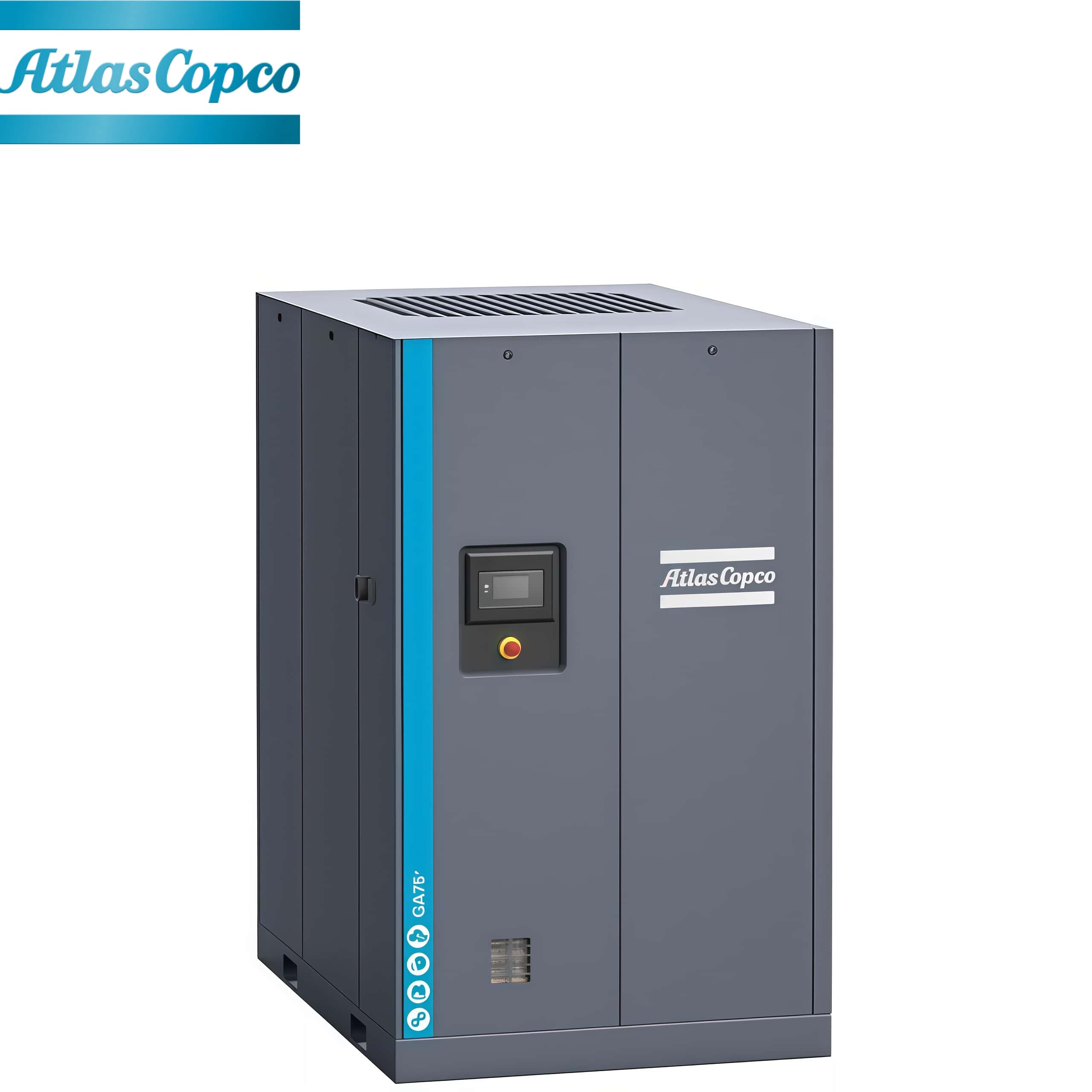
Atlas Copco maintains a dominant position in the U.S. market by providing advanced compressed air systems, vacuum solutions, industrial power tools, and portable energy equipment. Through a multi-brand strategy and extensive domestic manufacturing, the company serves critical sectors including automotive, aerospace, semiconductor manufacturing, and sustainable construction across all fifty states.
In 2026, the industrial landscape in the United States is defined by a rapid shift toward automation, energy efficiency, and decentralized power. Atlas Copco, a Swedish multinational with over a century of history in the U.S., has evolved from a traditional equipment manufacturer into a high-tech partner for American industry. With major hubs in South Carolina, Michigan, and Indiana, the company’s "local-for-local" approach ensures that engineering and support are tailored to the specific regulatory and operational demands of the North American market.
The Strategic Footprint of Atlas Copco in the United States
Atlas Copco’s presence in the U.S. is not merely a sales operation; it is a massive manufacturing and engineering ecosystem. The company operates through several business areas, each maintaining specialized headquarters and production facilities that contribute significantly to regional economies.
Compressor Technique (Rock Hill, South Carolina)
The Compressor Technique business area is headquartered in Rock Hill, SC. This facility serves as the primary hub for the design and assembly of industrial air compressors and air treatment systems. By maintaining a massive production footprint in the Southeast, Atlas Copco minimizes lead times and provides localized engineering for the U.S. manufacturing sector. The Rock Hill campus also houses a state-of-the-art training center where technicians and customers learn to optimize complex pneumatic systems.
Industrial Technique (Auburn Hills, Michigan)
Focusing on the automotive and aerospace industries, the Industrial Technique business area is based in Auburn Hills, MI. This location is strategic, placing Atlas Copco at the heart of the American automotive industry. Here, the focus is on "Smart Connected Assembly"—the integration of high-torque power tools with data analytics to ensure every bolt on an assembly line is tightened to exact specifications, reducing recalls and improving safety.
Vacuum Technique (Sanborn, New York and Hillsboro, Oregon)
With the continued expansion of the U.S. semiconductor industry, the Vacuum Technique area—largely represented by the Edwards Vacuum brand—has become a cornerstone of the domestic tech supply chain. Their facilities in New York and Oregon provide the critical vacuum pumps and abatement systems necessary for cleanroom environments, supporting the domestic production of microchips and electronic components.
Key Business Areas and Product Portfolios
To understand Atlas Copco's influence in the U.S., one must examine the specific technologies they deploy across different industrial verticals. Their portfolio is categorized into four primary business areas, each addressing a unique set of technical challenges.
1. Compressor Technique: The Gold Standard for Industrial Air
Compressed air is often referred to as the "fourth utility" in U.S. manufacturing. Atlas Copco provides a range of solutions from small piston compressors for automotive workshops to massive centrifugal compressors for chemical plants.
A major driver of their U.S. market share is Variable Speed Drive (VSD) technology. In 2026, energy costs and carbon mandates are primary concerns for U.S. plant managers. VSD+ compressors automatically adjust their motor speed to match air demand, rather than running at full speed constantly. This can reduce energy consumption by up to 50% compared to fixed-speed units. For industries like food and beverage or pharmaceuticals, their Class 0 Oil-Free compressors ensure that no oil aerosols contaminate the production line, meeting stringent FDA and ISO 8573-1 requirements.
2. Vacuum Technique: Enabling High-Tech Manufacturing
The U.S. vacuum market has seen unprecedented growth due to the reshoring of semiconductor fabrication. Atlas Copco’s Vacuum Technique business provides the low-pressure environments essential for chemical vapor deposition (CVD) and etching.
- Dry Vacuum Pumps: These are increasingly preferred in U.S. labs and factories because they eliminate the need for oil disposal and reduce maintenance intervals.
- Abatement Systems: These systems treat exhaust gases from manufacturing processes, helping U.S. companies comply with Environmental Protection Agency (EPA) standards for air quality.
3. Industrial Technique: Precision for Modern Assembly
In the U.S. aerospace and electric vehicle (EV) sectors, precision is non-negotiable. Atlas Copco’s Industrial Technique division provides sophisticated tightening solutions, including:
- Electric Transducerized Tools: These tools provide real-time feedback and data logging, which is essential for safety-critical joints in aircraft and vehicle frames.
- Vision Systems: Integrating cameras with assembly tools to ensure parts are aligned correctly before any work begins.
- Adhesive and Sealing Solutions: As U.S. manufacturers move away from welding and toward lightweight bonding in EV production, Atlas Copco’s dispensing systems have become vital.
4. Power Technique: Mobile Solutions for Infrastructure
The Power Technique business area focuses on the construction and rental markets. In 2026, the U.S. infrastructure push requires reliable, mobile power.
- Portable Air Compressors: Used in everything from road construction to sandblasting.
- Battery-Powered Light Towers and Generators: Responding to noise ordinances and emission zones in cities like New York and Los Angeles, Atlas Copco has expanded its "ZenergiZe" lithium-ion energy storage systems, allowing for silent, emission-free power on job sites.
The Multi-Brand Strategy: Reaching Every Market Segment
Atlas Copco operates in the U.S. using a multi-brand strategy. While the "Atlas Copco" brand is the premium, direct-to-market flag, the company owns several other well-known brands that serve different niches or price points.
- Chicago Pneumatic (CP): Based in Rock Hill, SC, CP focuses on high-performance tools and compressors for the construction and vehicle service markets.
- Quincy Compressor: Headquartered in Alabama and manufacturing in Michigan City, IN, Quincy is an American icon. Known for their "The World's Finest Compressor" slogan, they maintain a massive loyal following in the U.S. mid-market.
- Desoutter: Specializes in electric and pneumatic assembly tools for global aerospace and automotive manufacturers with U.S. operations.
- Edwards Vacuum: The primary brand for high-vacuum applications in research and semiconductor manufacturing.
This strategy allows the group to maintain high market penetration. If a customer prefers a local, historic American brand, they can choose Quincy; if they need the latest European-engineered smart factory integration, they can choose Atlas Copco.
Service, Support, and the "Service 24/7" Commitment
In the U.S. industrial market, downtime is the single most expensive variable. A stopped compressor can cost a large manufacturing plant tens of thousands of dollars per hour. Atlas Copco has addressed this through a massive direct service organization and an authorized distributor network that covers even the most remote areas of the country.
SmartLink and Remote Monitoring
In 2026, most Atlas Copco equipment in the U.S. comes standard with SmartLink technology. This IOT (Internet of Things) solution monitors the health of the equipment in real-time. If a sensor detects an anomaly—such as a rise in element temperature or a drop in oil pressure—the system automatically alerts both the customer and the local Atlas Copco service branch. This allows for predictive maintenance, where parts are replaced before they fail, significantly improving the Total Cost of Ownership (TCO).
Parts and Logistics
With a central logistics hub in the U.S., Atlas Copco ensures that critical spare parts—filters, lubricants, and valves—are available for overnight delivery. Their service technicians are specialized; a compressor technician is distinct from a vacuum or power tool technician, ensuring that the person on-site has deep subject matter expertise.
Sustainability and Innovation: The 2026 Vision
Atlas Copco has aligned its U.S. operations with the Science Based Targets initiative (SBTi). This commitment focuses on reducing carbon emissions not just in their own factories, but in the lifecycle of the products they sell.
| Feature | Impact on U.S. Customers | 2026 Industry Relevance |
|---|---|---|
| VSD+ Technology | Up to 50% energy savings | Vital for meeting corporate ESG goals |
| Oil-Free Air (Class 0) | Zero risk of product contamination | Essential for FDA-regulated industries |
| Carbon Capture Support | CO2 compression solutions | Facilitates domestic green energy projects |
| Electric Portables | Zero-emission job sites | Required for urban construction projects |
| Data-Driven Tooling | Reduced rework and waste | Critical for "Lean Manufacturing" success |
The company’s focus on the "Circular Economy" also involves a robust machine refurbishment program. Used compressors are taken back, overhauled to original factory specifications, and resold with warranties, providing a sustainable alternative for smaller U.S. businesses.
Navigating Procurement and Partnership
For U.S. businesses looking to integrate Atlas Copco solutions, the process is structured to be consultative rather than transactional.
- Air Audits (iiTrak): Before suggesting a compressor, Atlas Copco often performs an "Air Audit." Technicians place data loggers on the existing system for a week to measure actual air demand. This prevents "oversizing," which is a common and expensive mistake in U.S. plants.
- Financing and Leasing: Through Atlas Copco Customer Finance, U.S. firms can access tailored leasing programs, allowing them to upgrade to energy-efficient technology without a massive upfront capital expenditure (CAPEX).
- National Accounts: For companies with multiple locations across the U.S., Atlas Copco offers National Account management. This ensures consistent pricing, service levels, and equipment standardization from Maine to California.
Technical Comparison of Core Solutions
The following table outlines the primary equipment categories Atlas Copco provides in the U.S. and their typical applications.
| Category | Primary Technology | Key U.S. Vertical | Main Benefit |
|---|---|---|---|
| Industrial Air | Rotary Screw (Oil-injected) | General Manufacturing | Reliable, continuous duty 24/7 |
| Process Air | Centrifugal / Oil-Free | Food, Pharma, Electronics | 100% pure air, zero contamination |
| Vacuum Pumps | GHS VSD+ (Screw Vacuum) | Woodworking, Packaging | High efficiency, low noise |
| Assembly Tools | Tensor IxB (Cordless) | Automotive, Aerospace | Error-proofing, data traceability |
| Portable Power | QAS Generators | Construction, Events | Ruggedness, EPA Tier 4 Final compliance |
Common Mistakes to Avoid in the U.S. Market
When investing in industrial equipment of this scale, U.S. buyers often overlook several critical factors:
- Ignoring Life Cycle Cost: Many procurement departments focus on the initial purchase price. However, energy accounts for over 70% of a compressor's total cost over ten years. Choosing a cheaper, fixed-speed unit over a VSD unit often results in much higher long-term costs.
- Improper Sizing: Buying a compressor or vacuum pump that is too large for the actual load leads to "cycling," which wears out the motor and wastes energy.
- Neglecting Air Quality: Failing to install proper dryers and filters can lead to moisture in the lines, which ruins pneumatic tools and contaminates end products.
FAQs
Where is Atlas Copco equipment made for the U.S. market?
Much of the equipment is assembled in the United States, specifically in Rock Hill, South Carolina (compressors) and Michigan City, Indiana (Quincy brand). Higher-specialty items may be imported from their facilities in Belgium, Germany, or Sweden, but the company maintains a strong "local-for-local" manufacturing presence to satisfy "Buy American" requirements where applicable.
How does Atlas Copco handle service in remote U.S. locations?
Atlas Copco utilizes a hybrid model. In major industrial corridors, they have direct factory-trained service centers. In more remote areas, they partner with a network of authorized distributors who are required to maintain specific training certifications and stock genuine parts.
What is the difference between Atlas Copco and Quincy Compressor?
Both are owned by the Atlas Copco Group. Atlas Copco is generally positioned as the premium, high-technology brand focusing on VSD and smart integration. Quincy is a historic American brand known for extreme durability and a robust distributor-led sales model, often preferred by the mid-market and heavy industrial sectors.
Does Atlas Copco provide energy efficiency documentation for U.S. tax credits?
Yes. Atlas Copco provides detailed energy consumption data and "Air Audit" reports that can be used by U.S. companies to apply for utility rebates and federal tax incentives related to energy-efficient industrial upgrades.
Can Atlas Copco tools integrate with my existing plant software?
Yes, the "Smart Connected Assembly" tools use open protocols (such as Open Protocol over Ethernet) to communicate with Manufacturing Execution Systems (MES). This allows U.S. manufacturers to sync their torque data directly with their quality management software.
Final Recommendation
For U.S.-based industrial operators, Atlas Copco is more than an equipment vendor; they are a technical partner. If your facility is struggling with rising energy costs or inconsistent air quality, the most effective next step is to request a professional iiTrak air audit. This will provide a data-backed blueprint of your actual usage, ensuring that any future equipment investment is perfectly sized to your operational needs while maximizing energy rebates.