Atlas Foundation Repair in Chicago is a specialized structural engineering and contracting service focused on addressing the unique geological and architectural challenges of the Chicago metropolitan area. In 2026, maintaining structural integrity remains a primary concern for homeowners dealing with the region’s expansive clay soils and extreme seasonal fluctuations. Atlas provides comprehensive solutions ranging from helical pier installation and wall stabilization to complex waterproofing systems designed to preserve residential and commercial properties.
The Unique Context of Chicago Foundation Issues
To understand why a specialized service like Atlas Foundation Repair is necessary, one must first understand the ground upon which Chicago is built. The city sits on a complex layer of glacial "blue clay," which is notorious for its high water-holding capacity and significant volume changes.
In the Chicago area, the soil undergoes a constant cycle of expansion and contraction. During the wet spring months, the clay absorbs moisture and swells, exertive massive hydrostatic pressure against foundation walls. Conversely, during the hot, dry spells of late summer, the soil shrinks, leaving gaps between the earth and the foundation. This cycle, coupled with the deep frost line during Chicago winters, creates a volatile environment for concrete and masonry.
Atlas Foundation Repair addresses these specific environmental stressors. Their methodology is tailored to the "Chicago Bungalow" style, the iconic "Greystones," and modern steel-and-glass structures alike. Each of these architectural styles responds differently to soil movement, requiring a nuanced approach that goes beyond simple crack patching.
Common Signs of Foundation Failure in Chicagoland
Before engaging a specialist like Atlas, homeowners typically notice several red flags. In the context of 2026 standards for home inspections, these signs are categorized by their severity and the immediate risk they pose to the structure.
Interior Indicators
Inside the home, the first signs often appear in the upper floors rather than the basement. You may notice:
- Sticking Doors and Windows: When a foundation settles unevenly, the frame of the house tilts, causing doors and windows to bind in their tracks.
- Drywall Cracks: Diagonal cracks radiating from the corners of door frames or windows are classic indicators of structural shifting.
- Sloping Floors: A noticeable dip in the floor level often suggests that the support piers or the foundation wall itself has sunk.
Exterior and Basement Indicators
The most definitive evidence is found at the foundation level:
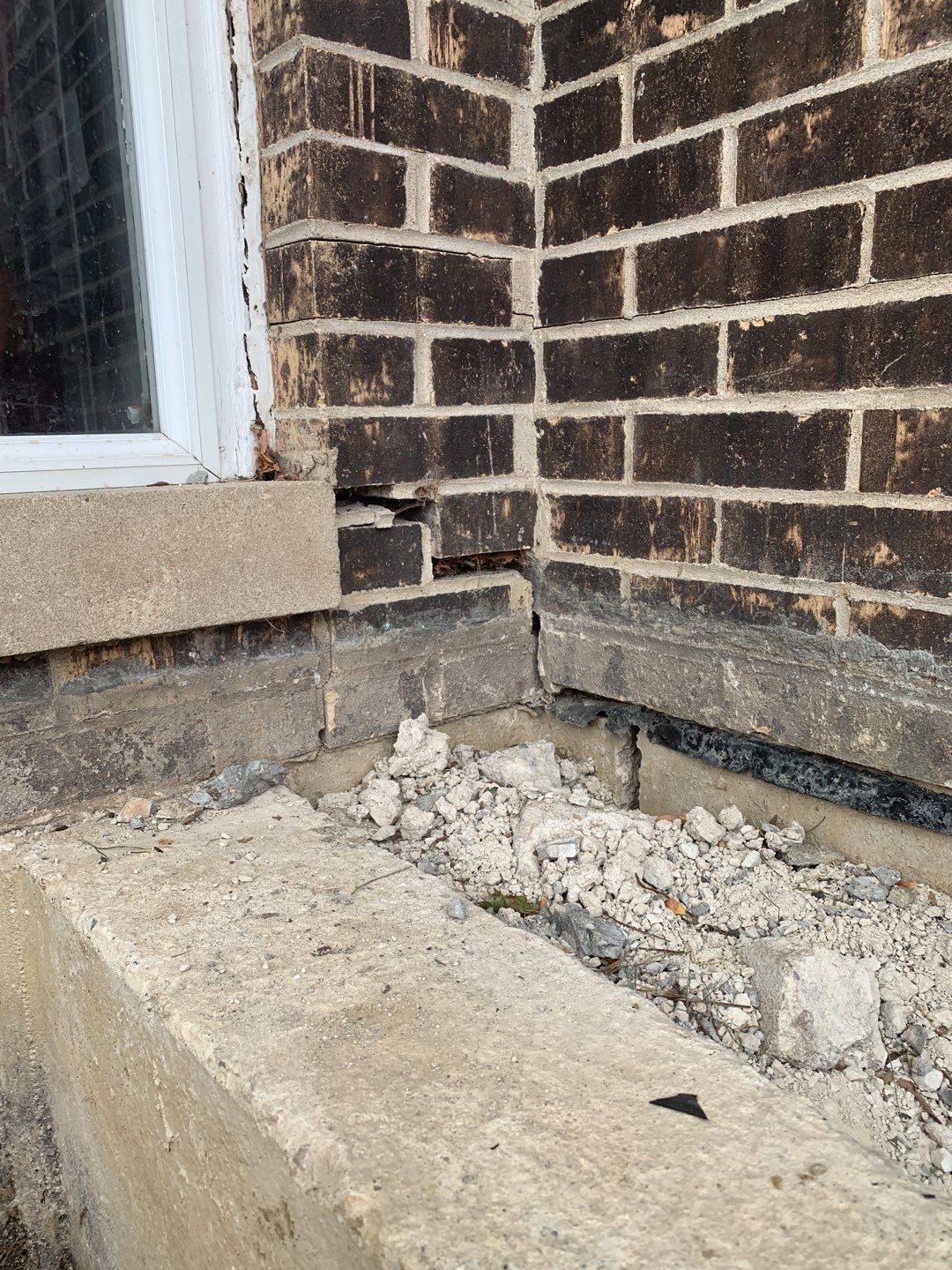
- Stair-Step Cracks: In brick or block foundations, cracks that follow the mortar joints in a "stair-step" pattern indicate differential settlement.
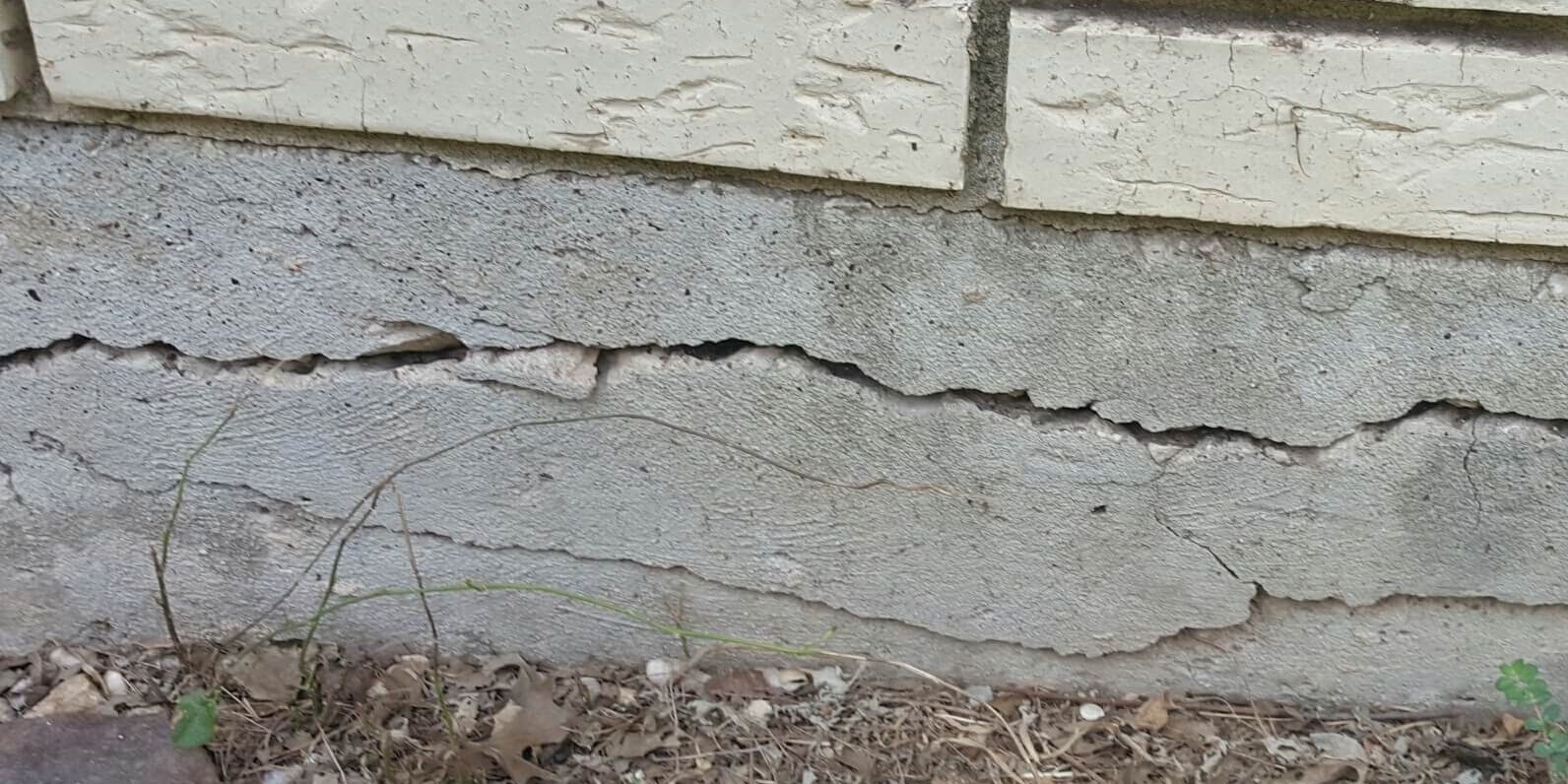
- Horizontal Cracks: These are particularly dangerous in Chicago basements. They are usually caused by hydrostatic pressure from the surrounding clay, indicating that the wall is beginning to bow inward.
- Efflorescence: A white, powdery substance on the basement walls. While it is just salt residue, it proves that water is migrating through the concrete, which can weaken the rebar over time.
Technical Solutions Provided by Atlas
Atlas Foundation Repair utilizes several high-tech and traditional methods to stabilize and lift foundations. As of 2026, these methods have been refined to be less invasive while providing higher load-bearing capacities.
1. Helical Pier Installation
Helical piers are steel shafts with round, screw-like plates (helices) welded to them. These are mechanically "screwed" into the ground until they reach a load-bearing soil strata or bedrock.
- Why it’s used: This is the preferred method for stabilizing settling foundations in Chicago because it doesn't rely on the weight of the building to drive the piers (unlike push piers).
- The Benefit: It provides an immediate lift and permanent stabilization, preventing further downward movement regardless of soil moisture levels.
2. Resistance (Push) Piers
These are high-strength steel pipe sections driven into the ground using the structural weight of the building and a hydraulic manifold system.
- Application: Generally used for heavier structures where the soil allows for deep penetration to reach stable strata.
- Precision: Atlas uses synchronized hydraulic systems to ensure the building is lifted evenly, minimizing the risk of new cracks during the repair process.
3. Wall Stabilization Systems
When foundation walls begin to bow or lean due to lateral earth pressure, Atlas employs two primary technologies:
- Carbon Fiber Straps: These are bonded to the interior of the wall using high-strength epoxy. Carbon fiber is incredibly strong in tension and prevents the wall from bowing further without taking up any floor space.
- Steel I-Beams (PowerBraces): For walls that have bowed significantly, zinc-plated steel beams are anchored to the floor joists and the basement floor. These can be tightened over time to potentially move the wall back toward its original position.
4. Interior and Exterior Drain Tile Systems
Water management is half the battle in Chicago. Atlas installs sub-floor drainage systems (French drains) that collect water entering through the footer-wall joint and direct it to a sump pump. This relieves the hydrostatic pressure that causes walls to crack in the first place.
The Atlas Repair Process: Step-by-Step
Understanding the timeline and procedure of a foundation repair project is essential for planning. A typical Atlas project in the Chicago area follows a standardized professional workflow.
Initial Inspection and Load Calculation
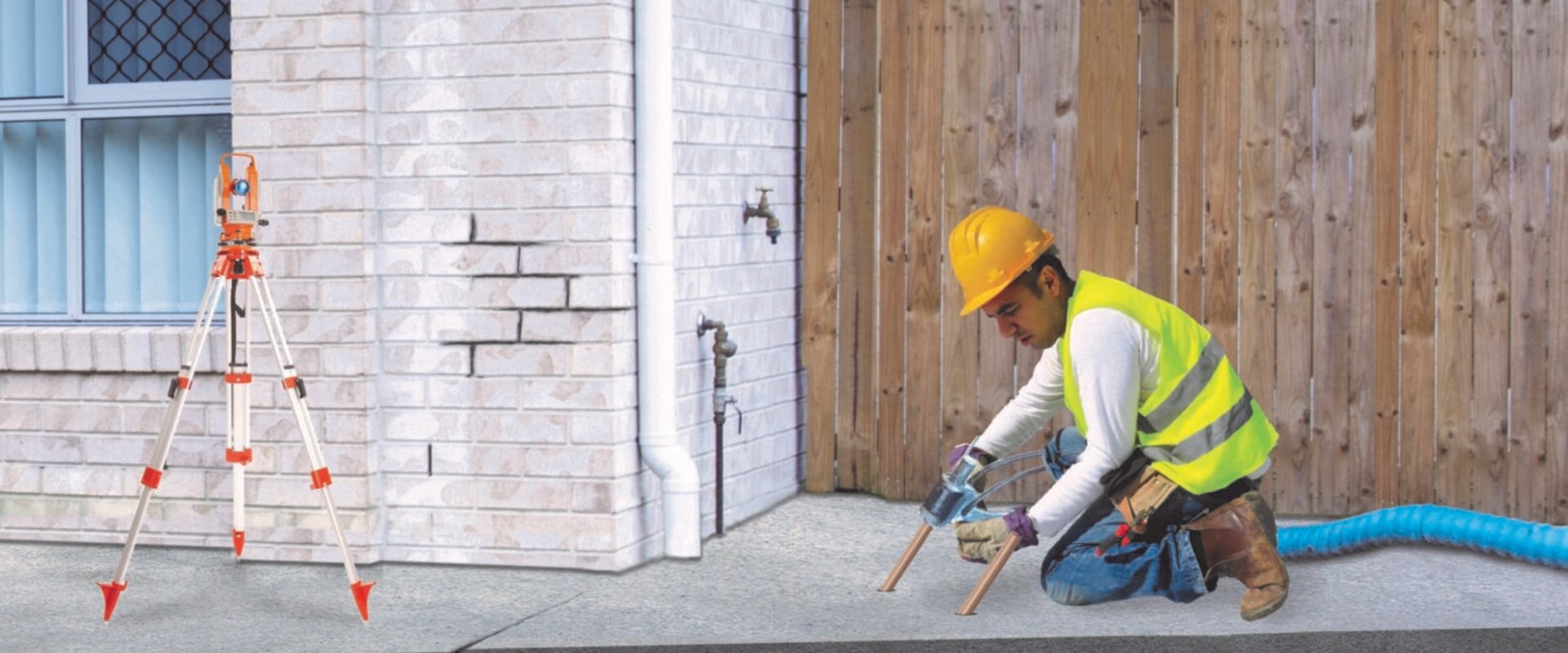
The process begins with a structural technician measuring the "out-of-level" status of the home using laser levels. They calculate the weight of the structure and the pressure exerted by the soil to determine the exact number of piers or braces required.
Permitting and Engineering
In 2026, Chicago building codes and suburban ordinances are stringent. Atlas typically handles the procurement of necessary permits. For significant structural changes, a licensed structural engineer must review and seal the repair plan to ensure it meets the Illinois Architecture Practice Act requirements.
Site Preparation and Excavation
If exterior piers are being installed, small holes (typically 3x3 feet) are hand-excavated down to the footing of the house. Atlas technicians take care to protect landscaping and existing utilities.
Installation and Lifting
The piers are driven to the required depth or torque. Once all piers are in place, they are attached to the foundation with heavy-duty steel brackets. If the goal is to lift the house, the hydraulic system is engaged. Homeowners often hear "pops" and "creaks" during this phase as the house moves back into alignment.
Restoration and Clean-up
Once the structure is stabilized, the holes are backfilled, and the concrete is patched. Atlas focuses on "surgical" execution, meaning the goal is to leave the site looking as close to original as possible.
Comparison of Foundation Repair Methods in Chicago
The following table summarizes the most common interventions used by Atlas Foundation Repair and their typical applications.
| Method | Primary Purpose | Best For | Typical Duration |
|---|---|---|---|
| Helical Piers | Lifting/Stabilizing | Light to medium residential, unstable clay | 2–4 Days |
| Push Piers | Lifting/Stabilizing | Heavy residential, commercial, deep soil | 3–5 Days |
| Carbon Fiber | Wall Reinforcement | Minor bowing (< 2 inches), no floor space loss | 1 Day |
| I-Beam Bracing | Wall Straightening | Major bowing (> 2 inches), severe lateral pressure | 1–2 Days |
| Internal Drain Tile | Water Management | Basement flooding, hydrostatic pressure relief | 2–3 Days |
| Polyjacking | Concrete Leveling | Sinking garage floors, walkways, stoops | 1 Day |
Cost Factors for Foundation Repair in 2026
Foundation repair is a significant investment. In the Chicago market, several variables influence the final quote provided by Atlas:
- Number of Piers: Most companies charge "per pier." As of 2026, prices in the Midwest range from $2,500 to $4,500 per pier depending on the depth and type.
- Depth to Bedrock/Stable Soil: If the "blue clay" layer is exceptionally deep, longer pier sections are required, increasing material costs.
- Accessibility: If the foundation is difficult to reach (e.g., tight urban spaces between Chicago houses), manual labor costs increase.
- Obstructions: The presence of porches, decks, or high-end landscaping that must be removed and replaced will add to the total project cost.
- Engineering Fees: A structural engineer’s report can add $500 to $1,500 to the project but is often required for municipal compliance.
Why Specialized Local Knowledge Matters
Choosing a firm like Atlas Foundation Repair over a general contractor is vital because of the specialized equipment and liability involved. Foundation repair is inherently risky; improper lifting can shatter plumbing lines, crack expensive finishes, or even cause a structural collapse.
Atlas focuses specifically on the Chicagoland geology. For example, they understand the difference between the sandy soils near Lake Michigan and the heavy silt and clay found further inland in Naperville or Schaumburg. This localized expertise ensures that the chosen pier system is appropriate for the specific soil friction and torque requirements of the neighborhood.
Furthermore, Atlas provides long-term warranties. In 2026, a "Transferable Life of the Structure Warranty" is the gold standard, ensuring that if you sell your home, the new owners remain protected. This adds significant resale value to a property that previously had structural issues.
Frequently Asked Questions
Can I wait to fix my foundation?
Waiting usually increases the cost of repair. A foundation wall that is slightly bowed can often be reinforced with carbon fiber, but if it is left to bow further, it may require full excavation and replacement, which is exponentially more expensive. In Chicago's climate, moisture levels change rapidly, meaning a "stable" crack can become a structural failure in a single season.
Will foundation repair fix the cracks in my walls?
The repair stabilizes the structure and often closes cracks significantly. However, Atlas focuses on the structural integrity (the "bones"). Once the house is stabilized, the homeowner will still need to perform cosmetic repairs (drywall patching and painting) after the house has "settled" into its new, correct position—usually 4–8 weeks after the lift.
Is foundation repair covered by homeowners insurance?
Generally, no. Most standard homeowners insurance policies in Illinois exclude "earth movement" or "settlement." However, if the foundation damage was caused by a sudden plumbing leak or a covered water peril, there may be partial coverage. It is best to consult with your insurance agent and provide them with the technical report from Atlas.
Does Atlas work in the Chicago suburbs?
Yes, Atlas typically services the entire Chicagoland area, including the North Shore, Western Suburbs, and Northwest Indiana. Each municipality has different building codes regarding foundation piers, and a specialized contractor will be familiar with the specific requirements of cities like Evanston, Oak Park, or Aurora.
How do I know if I need a structural engineer or a repair contractor?
While Atlas provides expert inspections, a structural engineer provides an independent, third-party assessment. For complex cases involving multi-unit buildings or severe structural lean, hiring an independent engineer first is recommended. They will provide a "scope of work" that you can then hand to Atlas for a precise bid.
Final Recommendation
If you suspect your Chicago property is suffering from foundation failure, the first step is a professional evaluation. Atlas Foundation Repair offers the technical depth required to handle the region's difficult soil conditions. Do not rely on DIY "caulking" or simple masonry patches for structural cracks; these only hide the problem while the underlying soil issues continue to worsen. Contact a specialist to perform a level survey and determine if your home requires stabilization or simple water management.