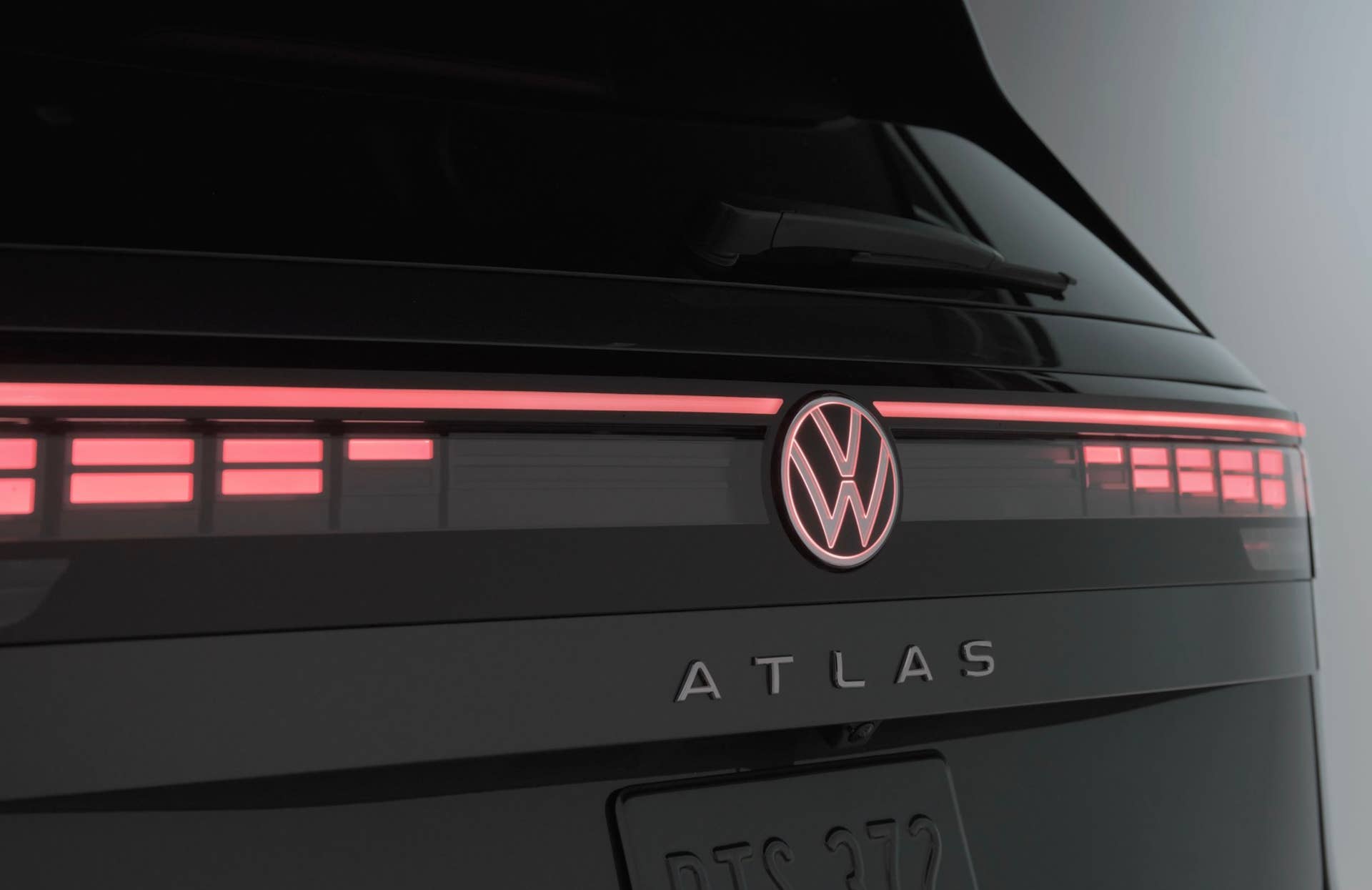
The 2026 Volkswagen Atlas achieves an EPA-estimated fuel economy of approximately 20 mpg in the city and 27 mpg on the highway for front-wheel-drive models. Choosing the 4MOTION all-wheel-drive system slightly adjusts these figures to roughly 19 mpg city and 26 mpg highway, depending on the specific trim level and tire configuration.
As a staple in the mid-size three-row SUV segment, the Volkswagen Atlas has undergone significant mechanical evolutions to balance its substantial size with consumer demands for better efficiency. While it remains a large, boxy vehicle designed for maximum interior volume, the transition to a standardized turbocharged powertrain across all trims has streamlined its fuel consumption profile. This guide provides an in-depth analysis of the Atlas's gas mileage, the technical factors influencing these numbers, and how it compares to its primary competitors in the 2026 market.
The Evolution of the Atlas Powertrain
In earlier iterations of the Atlas, buyers had to choose between a 2.0-liter four-cylinder engine and a thirsty 3.6-liter VR6. However, starting with the major refresh in 2024 and continuing through 2026, Volkswagen consolidated the lineup. Every 2026 Atlas is powered by a 2.0-liter turbocharged TSI (Turbocharged Stratified Injection) inline-four engine.
This engine is engineered to provide the torque necessary for a vehicle of this weight (nearly 4,500 pounds) while maintaining a smaller displacement than the outgoing V6. By utilizing high-pressure direct injection and a twin-scroll turbocharger, the engine delivers 269 horsepower and 273 lb-ft of torque. From a fuel economy perspective, this transition was pivotal. The turbocharger allows the engine to behave like a smaller, more efficient unit during light-load highway cruising, while providing the "shove" of a larger engine during acceleration or towing.
The engine is mated to an eight-speed automatic transmission. This gearbox is crucial for gas mileage because the higher gear ratios (7th and 8th) are designed as "overdrive" gears, keeping engine RPMs low at highway speeds. By maintaining lower revolutions, the engine consumes less fuel per mile, which is how the Atlas manages to push toward the 27 mpg mark despite its aerodynamic profile.
Front-Wheel Drive vs. 4MOTION All-Wheel Drive Efficiency
The most significant factory option affecting your Atlas gas mileage is the drivetrain. Volkswagen offers the Atlas in both Front-Wheel Drive (FWD) and 4MOTION All-Wheel Drive (AWD).
Front-Wheel Drive (FWD) Dynamics
FWD models are the efficiency leaders of the Atlas family. Without the added weight of a rear driveshaft, rear differential, and half-shafts, the vehicle is lighter and suffers from less parasitic power loss through the drivetrain. In the 2026 model year, FWD is generally standard on the lower trims (SE and SE with Technology), offering the best possible return on fuel for families who do not require enhanced traction for snow or off-road use.
4MOTION All-Wheel Drive (AWD) Impact
The 4MOTION system adds roughly 150 to 200 pounds to the vehicle's curb weight. Furthermore, even when the system is not actively sending power to the rear wheels, there is a degree of mechanical drag inherent in the spinning components. This results in a loss of approximately 1 to 2 mpg across the board.
However, the modern 4MOTION system includes a "decoupling" feature that can disconnect the rear axle when all-wheel drive is not needed, which helps mitigate the efficiency penalty compared to older, permanent AWD systems. Despite this, the Atlas Peak Edition—a trim specifically designed for a more rugged look—often sees the lowest efficiency in the lineup due to its standard AWD, all-terrain tires, and slightly altered aerodynamics.
Detailed 2026 Atlas Fuel Economy by Trim Level
The following table breaks down the expected EPA-estimated fuel economy for the 2026 Volkswagen Atlas across its various configurations.
| Trim Level | Drivetrain | City MPG | Highway MPG | Combined MPG |
|---|---|---|---|---|
| SE / SE w/ Tech | FWD | 20 | 27 | 23 |
| SE / SE w/ Tech | AWD | 19 | 26 | 22 |
| SEL / SEL Premium | AWD | 19 | 25 | 21 |
| Peak Edition | AWD | 18 | 24 | 20 |
Note: These figures are based on standard testing cycles. Real-world results may vary based on cargo load, passenger count, and individual driving style.
The Peak Edition stands out for its lower ratings. This is primarily due to the addition of all-terrain tires, which have a higher rolling resistance than the standard all-season tires found on the SE or SEL trims. Additionally, the unique front fascia and extra cladding on the Peak Edition slightly increase the drag coefficient, making the engine work harder at speeds above 60 mph.
Real-World Factors Influencing Atlas MPG
While EPA ratings provide a standardized benchmark, the Atlas is a "lifestyle" vehicle often used in ways that deviate from laboratory conditions. Understanding these variables can help owners manage their expectations and fuel budgets.
Towing and Payload
The 2026 Atlas is rated to tow up to 5,000 pounds when properly equipped. Towing a trailer, boat, or camper significantly impacts fuel economy. When the 2.0L TSI engine is under a heavy towing load, the turbocharger remains in a state of constant boost, which enriches the fuel-to-air ratio to prevent engine knocking and manage heat. It is not uncommon for gas mileage to drop into the 10–12 mpg range while towing near the maximum capacity.
Fuel Octane Ratings
Volkswagen states that the Atlas can run on 87-octane regular unleaded fuel. This is a cost advantage compared to some luxury competitors that require 91 or 93 octane. However, the engine management system is capable of adjusting timing based on fuel quality. Using premium fuel (91+ octane) may yield a slight improvement in efficiency and power delivery in extreme heat or during heavy towing, though for daily commuting, the cost-benefit ratio usually favors regular 87-octane gas.
Aerodynamics and Roof Cargo
The Atlas has a large frontal area. If you install aftermarket crossbars, a roof box, or a bike rack, you are significantly altering the vehicle's "sliperiness" through the air. At highway speeds, a roof-mounted cargo box can decrease fuel economy by 2 to 5 mpg. Owners who are conscious of their "atlas gas mileage" should remove roof racks when they are not in use.
Cold Weather and Winter Blends
Like all internal combustion vehicles, the Atlas is less efficient in the winter. Cold air is denser, requiring more fuel for the correct combustion ratio. Additionally, "winter blend" gasoline sold in many regions contains less energy per gallon than summer blends. Combined with increased idling to warm up the cabin, owners should expect a 10-15% drop in efficiency during the coldest months.
Technical Maintenance for Optimal Efficiency
To maintain the fuel economy standards set by the manufacturer, specific maintenance items are non-negotiable for the Atlas.
- Tire Pressure Monitoring: The Atlas is sensitive to tire pressure. Under-inflated tires increase the contact patch with the road, creating more friction and forcing the engine to burn more fuel to maintain speed.
- Air Filter Integrity: The turbocharged engine requires a massive volume of clean air. A clogged engine air filter restricts airflow, causing the turbo to work harder and the engine to run less efficiently.
- Oil Viscosity: Volkswagen specifies high-quality synthetic oil (usually 0W-20 or 5W-30 depending on the specific engine code). Using the wrong viscosity can increase internal engine friction, subtly dragging down your mpg.
- Spark Plug Health: Because the 2.0L TSI is a direct-injection engine, maintaining clean and functional spark plugs is essential for a complete "burn" of the fuel. Fouled plugs lead to unburnt fuel and poor mileage.
For more detailed maintenance schedules and technical service bulletins, owners should consult the official Volkswagen Owners Portal or the EPA Fuel Economy Guide.
Comparing the Atlas to Key Competitors
When evaluating the Atlas gas mileage, it is helpful to look at how it stacks up against other popular three-row SUVs in the 2026 market.
- Toyota Highlander: The Highlander is available as a hybrid, which achieves a staggering 35-36 combined mpg. The non-hybrid version, however, is more comparable to the Atlas, offering roughly 21/29 mpg.
- Honda Pilot: The Pilot uses a 3.5-liter V6. It generally matches the Atlas in the city but often falls slightly behind on the highway, typically averaging 19/25 mpg for AWD models.
- Kia Telluride / Hyundai Palisade: These siblings use a 3.8-liter V6. Their fuel economy is very similar to the Atlas, usually landing at 19/24 or 19/26 mpg.
- Ford Explorer: The Explorer offers a variety of engines, including a 2.3-liter EcoBoost that is slightly more efficient than the Atlas on the highway (up to 28 mpg) but similar in the city.
The Atlas positions itself as a "middle-of-the-pack" performer. It doesn't offer the extreme efficiency of a dedicated hybrid, but its turbocharged four-cylinder is more modern and efficient than the aging naturally aspirated V6 engines found in some competitors.
Frequently Asked Questions
Does the Volkswagen Atlas require premium gas for better mileage?
While the 2026 Atlas is designed to run on 87-octane regular fuel, the engine's computer can optimize performance if higher octane is used. In most cases, you will not see a significant enough increase in mpg to offset the higher cost of premium fuel. However, if you are driving in mountainous terrain or towing, premium fuel can help the engine operate more efficiently under stress.
Why is my real-world Atlas gas mileage lower than the EPA estimate?
The EPA tests are conducted in controlled environments with minimal wind and no cargo. Real-world factors such as aggressive acceleration, high-speed highway driving (above 70 mph), frequent use of air conditioning, and carrying heavy passengers can all reduce your actual mileage. The Atlas is a heavy vehicle, and it takes a significant amount of energy to move it from a dead stop.
Does the Atlas have a "Fuel Economy" or "Eco" mode?
Yes, the 2026 Atlas features selectable drive modes, including an "Eco" mode. This mode adjusts the throttle mapping to be less sensitive, changes the transmission shift points to upshift earlier, and optimizes the climate control system to reduce the load on the engine. Utilizing Eco mode consistently can help drivers stay closer to the EPA-estimated highway ratings.
Is there a hybrid version of the Volkswagen Atlas available in 2026?
As of the 2026 model year, Volkswagen has focused on its ID. series for full electrification. While there have been rumors of a plug-in hybrid (PHEV) Atlas for certain international markets, the North American Atlas remains a purely gasoline-powered vehicle. Those seeking higher efficiency in a Volkswagen SUV of this size are often directed toward the ID.Buzz or ID.6 models where available.
How does the Start-Stop system affect Atlas gas mileage?
The Atlas comes standard with an engine Start-Stop system that shuts the engine off when the vehicle is stationary (such as at a red light). This system is designed to improve city fuel economy by reducing idle time. While it may only save a small amount of fuel per trip, over the course of a year, it can contribute to a 3-5% improvement in urban fuel efficiency.
Final Recommendation: Is the Atlas Fuel Efficient Enough?
The 2026 Volkswagen Atlas is an excellent choice for those who prioritize interior space and cargo capacity over class-leading fuel economy. While it cannot compete with the hybrid offerings from Toyota or Mazda, it provides a very competitive efficiency profile for a traditional gasoline-powered SUV.
To maximize your "atlas gas mileage," opt for a front-wheel-drive SE or SE with Technology trim and stick to the standard 18-inch or 20-inch all-season tires. Avoid adding permanent roof accessories unless necessary, and utilize the built-in Eco mode during your daily commute. For drivers who frequently navigate heavy snow or require the "Peak Edition" aesthetic, the 1-2 mpg penalty for all-wheel drive is a reasonable trade-off for the added capability and style.