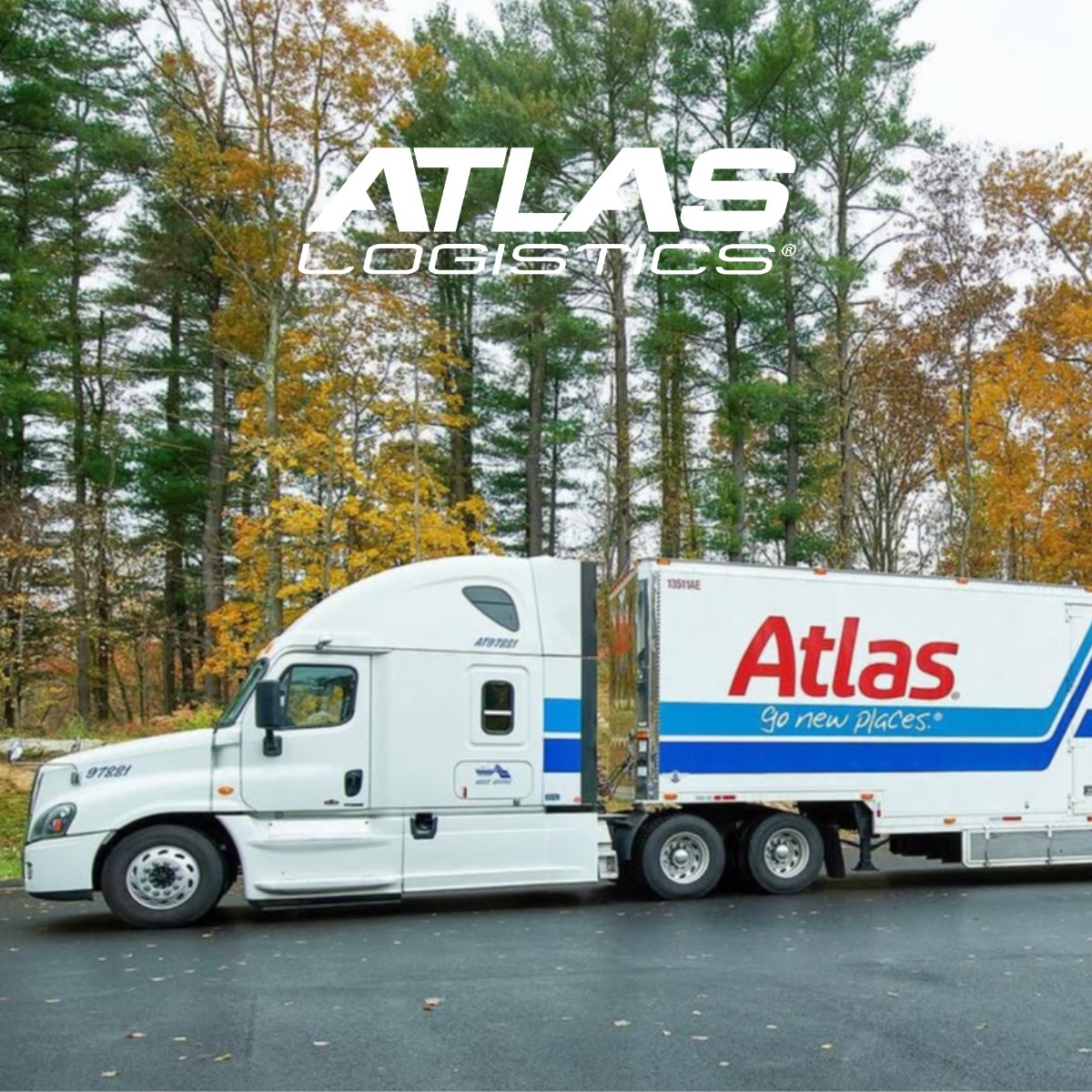
Atlas Van Lines is a premier global relocation provider specializing in long-distance, international, and corporate moves through a vast network of over 430 independent agents. By offering customizable packing, storage, and specialized transportation solutions backed by advanced tracking technology, Atlas provides a robust framework for complex residential and commercial transitions across North America and beyond.
Understanding the Atlas Van Lines Network Model
To understand how Atlas Van Lines moving works, one must first understand the structure of a "van line." Unlike a local "mom-and-pop" moving company that owns a few trucks and operates out of a single warehouse, Atlas is a massive cooperative network. It is the second-largest 21st-century carrier of household goods in the United States, operating under the parent company Atlas World Group.
The core of the Atlas model is its independent agent network. These agents are locally owned and operated moving companies that have met the rigorous "Atlas Way" standards for quality, safety, and financial stability. When you book a move with Atlas, you are typically working with a local agent who provides the labor and local facilities, while the national Atlas infrastructure provides the long-haul transportation, logistical software, and interstate authority required for cross-country moves.
This hybrid structure offers a significant advantage: you receive the personalized customer service of a local business combined with the massive resources, standardized training, and technological backbone of a multi-billion dollar international corporation. In 2026, this network remains a cornerstone of the industry, ensuring that even remote locations have access to high-quality moving equipment and certified professional movers.
Primary Moving Services Offered
Atlas Van Lines has diversified its service offerings to cater to virtually every type of relocation scenario. Whether a customer is moving a studio apartment across town or an entire corporate headquarters across an ocean, the company utilizes specific divisions to handle the unique requirements of each task.
Interstate and Long-Distance Moving
Long-distance moving is the primary specialty of Atlas. These moves are defined as crossing state lines or traveling more than 100 miles within certain large states. Because interstate moves are regulated by the Federal Motor Carrier Safety Administration (FMCSA), Atlas provides the necessary legal protections and standardized pricing structures required for these complex hauls.
Local Moving Services
While often associated with cross-country treks, many Atlas agents also perform local moves. These are typically charged at an hourly rate rather than by weight. Local moves benefit from the same professional-grade packing materials and background-checked crews used for long-distance relocations, providing a higher tier of service than many discount local movers.
International Relocation
Through its subsidiary, Atlas World Group International, the company manages overseas moves. This process involves "intermodal" transport—moving goods via truck, ship, or plane. Atlas provides "door-to-door" service, meaning they handle not just the physical moving of items but also the complex customs documentation, freight forwarding, and coordination with international partners in the destination country.
Corporate and Employee Relocation
Atlas is a leader in the corporate relocation sector. Companies moving employees often require "white-glove" service that minimizes downtime for the worker. Atlas offers specialized portals for human resources managers to track moving progress and costs, ensuring that corporate policy compliance is maintained throughout the relocation process.
The Estimating and Survey Process
A critical phase of Atlas Van Lines moving is the initial estimate. In 2026, Atlas has refined its survey process to be as accurate as possible, utilizing both traditional and digital methods to prevent "sticker shock" on moving day.
- The In-Home Survey: A relocation consultant visits the home to physically inspect every item. This is the "gold standard" for accuracy because the consultant can identify "bulk" items (like pianos or safes) and assess logistical challenges like narrow staircases or long carries.
- Virtual Surveys: Using the AtlasNet mobile application, customers can perform a video walkthrough of their home. This AI-assisted technology calculates the volume and weight of furniture based on the video feed, providing a convenient alternative for busy homeowners while maintaining high accuracy.
- Binding vs. Non-Binding Estimates: Atlas typically offers three types of estimates:
- Non-Binding: The final cost is based on the actual weight and services provided. The initial estimate is just an educated guess.
- Binding: The price is fixed based on the inventory list, regardless of the final weight, provided the inventory does not change.
- Binding Check-to-Bound (or Not-to-Exceed): This is the most consumer-friendly option. If the move weighs less than estimated, the customer pays less; if it weighs more, the customer only pays the estimated maximum.
Valuation and Protection Plans
One of the most misunderstood aspects of professional moving is "moving insurance." Legally, movers do not sell insurance; they provide "valuation." Atlas Van Lines offers two primary levels of protection for household goods.
Full Value Protection (FVP)
Under FVP, if any item is lost, destroyed, or damaged while in Atlas's custody, the company will, at its option, offer to repair the item, replace it with a like item, or make a cash settlement for the current market replacement value. In 2026, the standard default for FVP is calculated based on $6.00 per pound of the shipment weight. This is the recommended option for most households as it covers the actual cost of modern electronics and furniture.
Released Value Protection
This is a no-cost option where the mover's liability is limited to no more than $0.60 per pound per article. For example, if a 100-pound high-definition television worth $2,000 is destroyed, the mover is only liable for $60 (100 lbs x $0.60). This option is generally only advisable for shipments of very low-value items where the owner is willing to assume the financial risk.
Technology: AtlasNet and Shipment Tracking
In the modern moving landscape, transparency is vital. Atlas utilizes the AtlasNet system to bridge the gap between the customer and the moving crew. This portal serves as a central hub for all moving documentation, including the Bill of Lading, inventory sheets, and weight tickets.
Customers can track their shipment in real-time. By entering their registration number on the Atlas website or mobile app, they can see the current location of the van and the estimated arrival window. This system reduces the anxiety associated with "radio silence" during the 7 to 14 days it might take for a truck to travel from the East Coast to the West Coast.
Pricing Factors and Cost Drivers
The cost of Atlas Van Lines moving is not arbitrary. For interstate moves, pricing is governed by a "tariff," which is a document filed with the government that outlines rates and rules. Several key variables influence the final price:
| Factor | Description | Impact on Cost |
|---|---|---|
| Weight | The actual weight of your belongings in pounds. | Primary driver for long-distance moves. |
| Distance | The mileage between the origin and destination. | Affects fuel surcharges and labor travel time. |
| Full-Packing | Professional crews pack all boxes using Atlas materials. | Significant increase in labor and material costs. |
| Access Issues | "Long carries," "stair carries," or the need for a "shuttle" (small truck). | Additional fees for difficult loading environments. |
| Storage-in-Transit | Holding goods in a warehouse if the new home isn't ready. | Monthly storage fees plus "redelivery" charges. |
| Specialty Items | Moving pianos, hot tubs, motorcycles, or fine art. | Custom crating or specialized handling fees. |
Specialized Logistics and High-Value Shipping
Beyond standard household goods, Atlas Van Lines maintains a specialized logistics division. This branch of the company handles the transportation of high-value equipment that requires more than just a standard moving truck.
- Medical Equipment: Transporting MRI machines or laboratory equipment that requires air-ride suspension and climate control.
- Exhibit and Trade Shows: Time-sensitive delivery of booths and displays to convention centers, often involving specialized setup and teardown services.
- Fine Art and Antiques: Using custom-built wooden crates and white-glove handling for museum-quality pieces.
- Final Mile Delivery: Handling the "last mile" of delivery for retailers of large appliances or furniture that requires two-person installation.
Preparation and Best Practices for an Atlas Move
To ensure a smooth experience with Atlas Van Lines, preparation should begin at least eight weeks before the move date.
1. Purge and Declutter: Since long-distance costs are based on weight, moving items you no longer need is essentially throwing money away. Use the "one-year rule"—if you haven't used it in a year, sell, donate, or recycle it.
2. Document High-Value Items: Atlas requires a "High-Value Inventory" form for any item worth more than $100 per pound (such as jewelry, furs, or high-end electronics). If these items are not declared on this specific form, their coverage under valuation plans may be limited.
3. Understand the "Non-Allowables": For safety and legal reasons, Atlas cannot transport hazardous materials (paint, propane, cleaning chemicals), perishables, or items of extraordinary personal value (birth certificates, cash, family photos). These should be transported in your personal vehicle.
4. The Inventory Process: During loading, the driver will create a descriptive inventory, noting the condition of each item (e.g., "SC" for scratched, "CU" for crushed). It is vital that the customer reviews this document and agrees with the descriptions, as this forms the basis for any future damage claims.
Frequently Asked Questions
Does Atlas Van Lines offer storage?
Yes, Atlas provides two types of storage: Storage-in-Transit (SIT) and Long-Term Storage. SIT is designed for shipments that need to be held for 180 days or less before delivery to the final destination. Long-term storage is used for extended periods, often in "vaulted" containers within a secure, climate-monitored warehouse owned by an Atlas agent.
How does Atlas verify its movers?
Atlas implements a strict background check program known as "No Walls." Every driver and crew member who enters a customer's home must pass a background check and adhere to a professional code of conduct. This is a mandated standard across all 430+ agencies in the network.
What is the average cost of an Atlas move?
While costs vary wildly based on weight and distance, a typical 3-bedroom home (approximately 10,000 lbs) moving 1,000 miles generally ranges between $6,000 and $12,000 in 2026, depending on the level of packing and valuation selected. Small shipments or "containerized" moves can be significantly cheaper.
What happens if my items are damaged?
If you discover damage upon delivery, you should note it on the inventory sheet before the movers leave. You then have nine months to file a formal claim through the Atlas online claims portal. Having Full Value Protection ensures that the settlement will be based on repair or replacement costs rather than weight-based pennies.
Can Atlas move my car?
Yes, Atlas can coordinate auto transport. Depending on the size of your household shipment and the available space in the van, your car may be loaded onto the same moving truck. Alternatively, Atlas may use a specialized open or enclosed car carrier through their logistics network.
Conclusion and Next Actions
Atlas Van Lines remains a top-tier choice for consumers who prioritize reliability, professional standards, and comprehensive corporate infrastructure. Because the quality of your move is heavily dependent on the specific local agent assigned to your relocation, your first step should be to research the local Atlas agent in your city via the Better Business Bureau or the FMCSA SAFER System.
To get started, schedule a virtual or in-home survey at least two months in advance of your desired move date. Ensure you request a "Binding Not-to-Exceed" estimate to lock in your maximum costs while leaving room for savings if your shipment ends up being lighter than expected.