Legitimate apps provide "free money" by sharing advertising revenue, offering cash-back on necessary purchases, or providing sign-up bonuses for financial services. While these rewards require minimal effort, they typically involve trading your consumer data, shopping habits, or a few minutes of your time to complete specific digital tasks.
The digital landscape in 2026 has refined the way consumers interact with brands, turning everyday activities into micro-earning opportunities. The term "free money" often refers to three distinct categories: cash-back on spending you were already planning to do, bonuses for opening new accounts, and direct compensation for performing small tasks like taking surveys or scanning receipts.
To navigate this space effectively, it is essential to distinguish between high-yield opportunities, such as banking bonuses, and low-yield passive earners, such as data-sharing apps. Understanding the underlying business models—where companies pay these apps to acquire you as a customer—helps clarify why this money is available and how to claim it safely.
The Mechanics of Cash-Back and Reward Apps
Most apps that provide financial rewards operate on an affiliate marketing or market research model. When you use a cash-back app to buy groceries or clothes, the retailer pays the app a commission for sending a customer their way. The app then shares a portion of that commission with you. In 2026, these systems have become highly integrated with mobile wallets and browser extensions, making the process almost automatic.
How Affiliate Commissions Become Your Cash
Retailers allocate massive budgets for customer acquisition. Instead of spending all of that budget on television or social media ads, they pay platforms like Rakuten or Ibotta. When you click a link in the app or scan a receipt, you provide proof of purchase. The retailer verifies the sale and releases the funds to the app. This "middleman" structure is the most sustainable way to earn consistent money without an upfront investment.
The Value of Consumer Data
Market research apps, such as Swagbucks or Google Opinion Rewards, provide "free" money in exchange for your opinions. Companies use this data to develop products and marketing strategies. In 2026, AI-driven analytics have made your specific demographic data more valuable than ever, leading to more targeted and higher-paying survey opportunities for specific user profiles.
Top Cash-Back Apps for Everyday Purchases
Cash-back apps remain the most reliable way to get money back on expenses you already have. By "stacking" these rewards with credit card points, users can significantly reduce their cost of living.
Ibotta: Grocery and Retail Rewards
Ibotta remains a leader in the cash-back space due to its extensive partnerships with major grocery chains and retailers. Users can earn money by adding "offers" to their account before shopping and then submitting a photo of their receipt. In 2026, the app has expanded its automatic linking capabilities, allowing users to connect loyalty cards from hundreds of stores to bypass the receipt-scanning step entirely.
Rakuten: The Gold Standard for Online Shopping
Rakuten focuses primarily on online retail. By starting your shopping journey within the Rakuten app or using their browser extension, you can earn between 1% and 15% cash back at thousands of stores. The "Big Fat Check" is sent quarterly via PayPal or physical check. Rakuten is particularly effective during holiday seasons when cash-back rates often double or triple.
Fetch: Simple Receipt Scanning
Fetch (formerly Fetch Rewards) differs from Ibotta by allowing users to scan any receipt from any store to earn points. These points are then redeemable for gift cards or cash equivalents. While the per-receipt reward is lower than targeted Ibotta offers, the lack of "pre-selecting" items makes it the most low-effort option for general shoppers.
Banking and Investment Sign-Up Bonuses
If you are looking for larger sums of "free money"—ranging from $50 to over $500—financial service apps are the most lucrative path. Banks and investment platforms use sign-up bonuses as a primary tool for customer acquisition.
High-Yield Savings and Checking Incentives
Traditional and digital banks frequently offer cash incentives for opening a new account and meeting certain requirements, such as a minimum deposit or a series of direct deposits. For example, institutions like SoFi or Chase often run promotions where new users can earn several hundred dollars after maintaining a balance for 90 days.
Micro-Investment Apps
Apps like Acorns and Stash often provide a small starting balance (typically $5 to $20) just for opening an account and linking a bank. While this isn't a life-changing amount of money, the "round-up" features in these apps help grow that initial "free" money into a larger investment portfolio over time.
Micro-Task and Survey Apps for Spare Time
For those who want to earn money without spending any, micro-task apps are the alternative. These do not require a purchase; instead, they require your time.
- Swagbucks: A multifaceted platform where users earn "SB" points for watching videos, taking surveys, and playing games. These points are redeemed for PayPal cash or gift cards.
- Google Opinion Rewards: A streamlined app that sends short surveys (usually 3-5 questions) based on your recent location history or YouTube activity. Payments are sent directly to your Google Play balance or PayPal account.
- Survey Junkie: One of the most established survey platforms, focusing entirely on market research. It provides a clear estimate of how long a survey will take and how much it pays before you begin.
- Premise: A "task" app that asks users to complete local missions, such as taking a photo of a specific product at a grocery store or confirming the price of gas at a nearby station.
Comparison of Leading Reward Apps in 2026
| App Name | Primary Method | Potential Monthly Earnings | Payout Method | Effort Level |
|---|---|---|---|---|
| Rakuten | Online Shopping | $10 - $100+ | PayPal, Check | Low |
| Ibotta | Grocery Cash-Back | $20 - $50 | PayPal, Bank Transfer | Medium |
| Swagbucks | Tasks/Surveys | $10 - $50 | PayPal, Gift Cards | High |
| SoFi | Banking Bonus | $50 - $300 (one-time) | Direct Deposit | Low (Requirements apply) |
| Fetch | Receipt Scanning | $5 - $15 | Gift Cards | Very Low |
| Google Opinion | Short Surveys | $2 - $10 | PayPal, Play Store | Very Low |
Maximizing Your Earnings: The "Stacking" Strategy
To get the most out of these apps, experienced users employ a "stacking" strategy. This involves using multiple apps for a single transaction to compound the rewards.
The Stacking Workflow:
- Credit Card: Use a credit card that offers 2-5% cash back on the specific category (e.g., groceries or travel).
- Cash-Back Portal: Access the retailer through the Rakuten app or extension.
- In-Store App: Use Ibotta to select specific product offers before checking out.
- Post-Purchase: Scan the final receipt into Fetch to claim general points.
By following this sequence, a single $100 grocery trip could result in $3 in credit card rewards, $2 from Rakuten, $5 from specific Ibotta offers, and $0.25 from Fetch—totaling $10.25 back on a necessary expense.
Safety, Privacy, and Avoiding Scams
While there are many legitimate apps, the "free money" niche is also a target for fraudulent actors. Protecting your digital identity is paramount when using these platforms.
Identifying Legitimate Apps
A legitimate app will never ask you to pay a "membership fee" to receive your earnings. If an app requires an upfront payment to "unlock" your rewards, it is likely a scam. Furthermore, check the Better Business Bureau (BBB) or the Federal Trade Commission (FTC) for reports of fraudulent activity regarding any new app you encounter.
Data Privacy Considerations
Most apps that give you money are essentially buying your data. They track what you buy, where you shop, and how you spend your time. Before signing up, review the app's privacy policy to understand if they sell your "Personally Identifiable Information" (PII) to third parties. In 2026, many apps offer "Privacy-First" modes that anonymize your data, though these may offer lower reward tiers.
Tax Implications
In many jurisdictions, including the United States, "free money" from surveys or tasks is considered taxable income. If you earn more than $600 from a single platform, the company is generally required to issue a Form 1099-K or 1099-NEC. However, cash-back on purchases is typically viewed as a "rebate" or discount by the Internal Revenue Service (IRS) and is generally not taxable.
Frequently Asked Questions
Are these apps actually "free"?
While you don't pay money to use them, you are usually trading something of value. This is typically your time (for surveys), your consumer data (for market research), or your brand loyalty (for cash-back). The term "free" applies to the lack of an upfront monetary cost, but there is always an exchange occurring.
How do I withdraw my money?
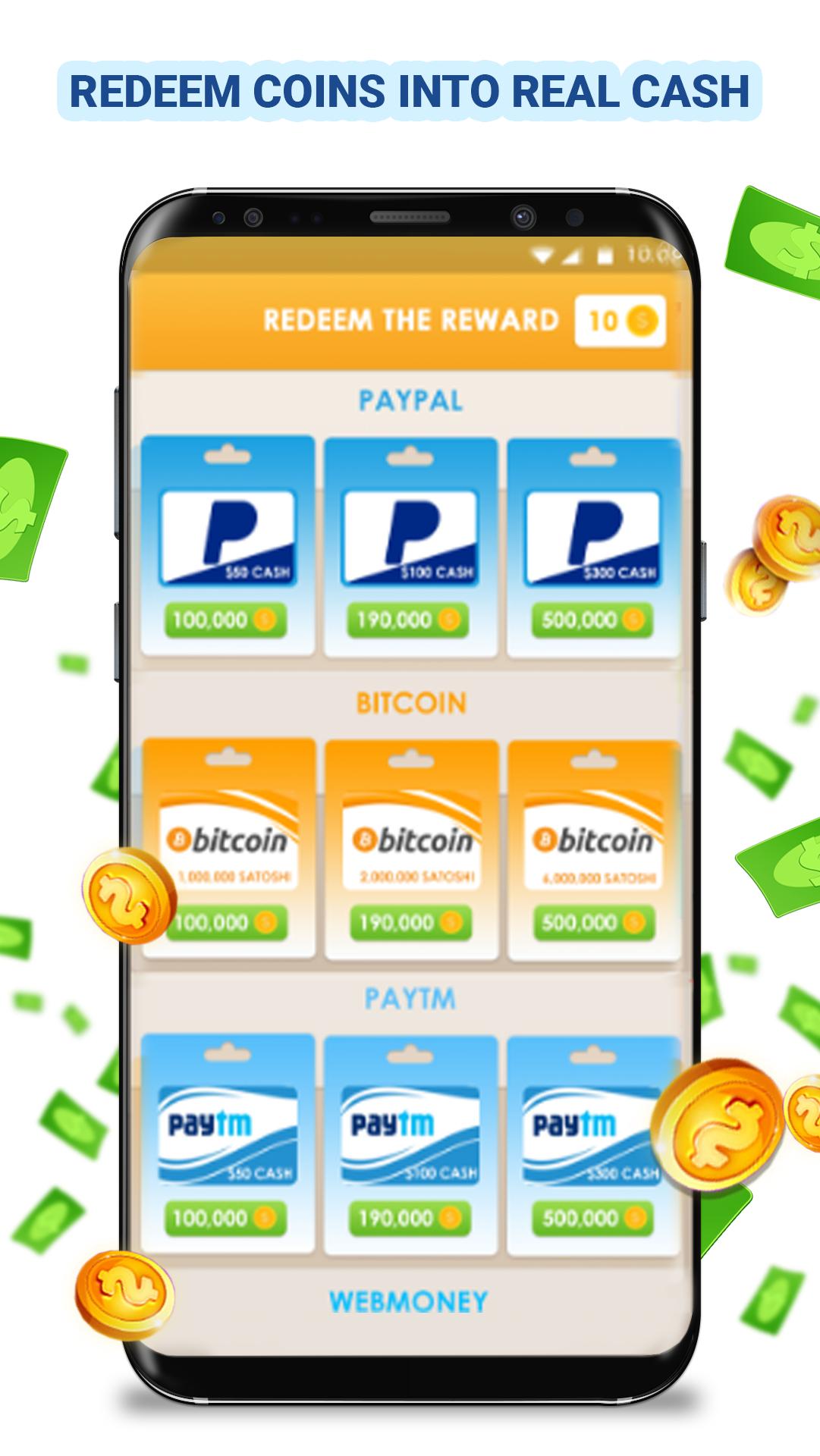
Most reputable apps offer withdrawal via PayPal, direct bank transfer (ACH), or digital gift cards for major retailers like Amazon and Walmart. Some apps have a "minimum threshold" for withdrawal, such as $10 or $20, which you must reach before you can move the funds to your personal account.
Can I use these apps on both iPhone and Android?
Yes, the vast majority of major reward platforms, including Rakuten, Ibotta, and Swagbucks, maintain high-quality apps for both iOS and Android. Some specific apps, like Google Opinion Rewards, may behave slightly differently on iOS (paying out via PayPal) compared to Android (paying via Google Play Store credit).
Will these apps make me rich?
No. These apps are designed to provide supplemental income or "pocket money." They are excellent for covering a monthly streaming subscription, paying for a few coffees, or offsetting the cost of groceries. They are not a replacement for a full-time job or a primary income source.
Why do some surveys disqualify me?
Market researchers often look for a very specific demographic (e.g., "homeowners aged 30-45 who own a dog"). If your initial answers don't match that profile, the survey will end early. This is a common frustration, which is why apps like Google Opinion Rewards are often preferred for their shorter, guaranteed-payout format.
Is my bank information safe with these apps?
Apps that require bank linking (like Acorns or some cash-back apps) typically use third-party secure aggregators like Plaid. This means the app itself never sees or stores your actual bank login credentials. Always look for apps that mention 256-bit encryption and multi-factor authentication (MFA).
Practical Recommendation for New Users
If you are just starting, do not try to use ten apps at once, as this often leads to "reward fatigue." Begin with Rakuten for online purchases and Fetch for receipt scanning. These two require the least amount of time and provide a consistent stream of rewards. Once you are comfortable with the process, you can explore higher-effort options like Ibotta for groceries or SoFi for one-time banking bonuses to maximize your "free money" potential in 2026.