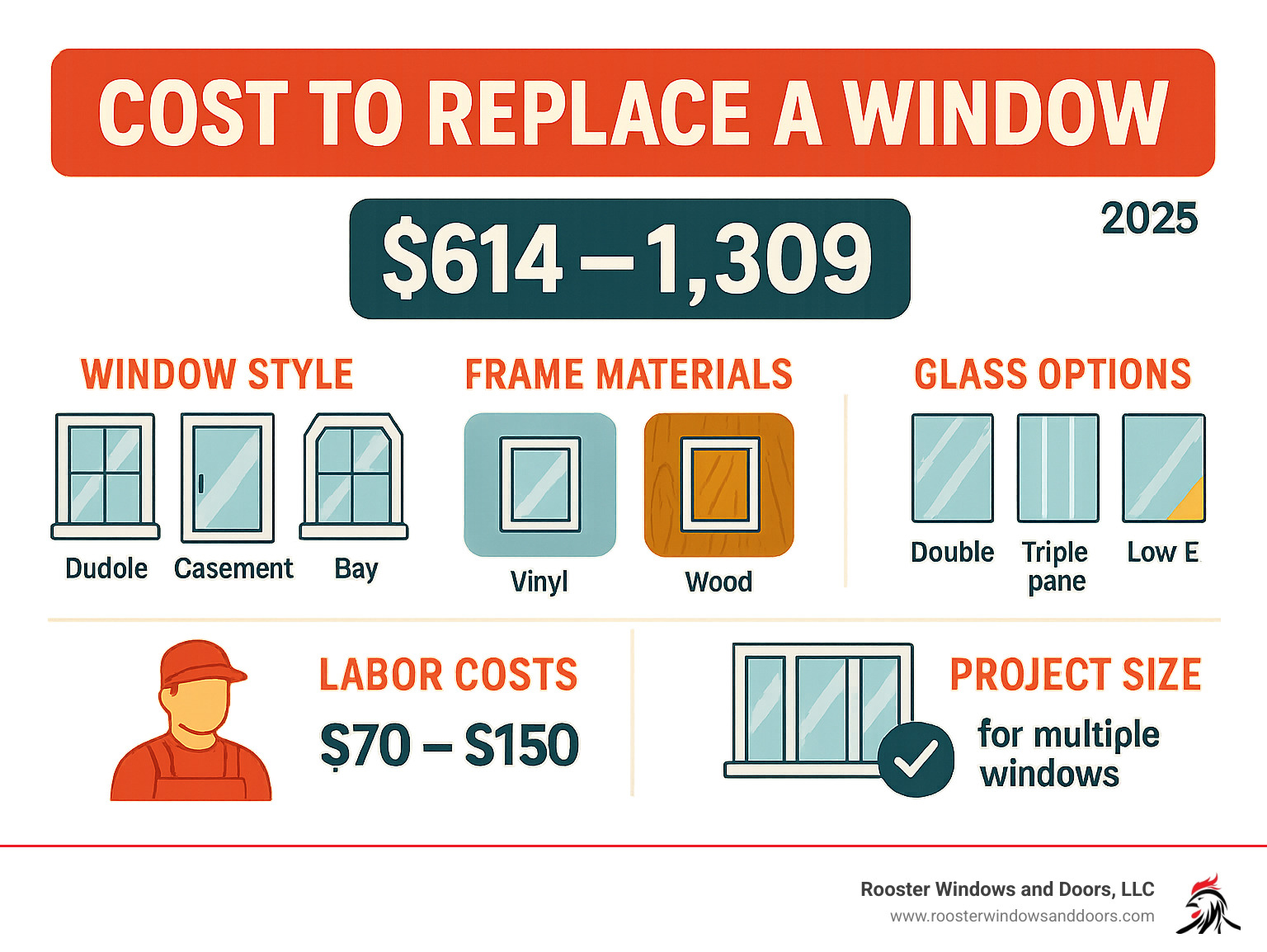
In 2026, the approximate cost of window replacement in the United States typically ranges from $650 to $1,550 per window, including professional installation. While a standard vinyl double-hung window often averages $750 to $900, premium materials such as fiberglass or custom wood can easily exceed $2,000 per unit depending on size and energy efficiency.
The financial landscape for home improvement has shifted significantly over the last few years. As we move through 2026, homeowners are finding that while supply chain volatility has stabilized compared to the early 2020s, the baseline for raw materials and skilled labor remains at a historic high. Replacing windows is no longer just a cosmetic upgrade; it is a critical calculation involving thermal performance, property valuation, and long-term utility savings. Understanding the nuances of these costs is essential for any homeowner looking to budget for a partial or whole-home project.
Core Factors Influencing Window Replacement Costs
To accurately estimate the cost of a window replacement project, one must look beyond the sticker price of the glass itself. Several interlocking factors determine the final invoice from a contractor.
Frame Material and Durability
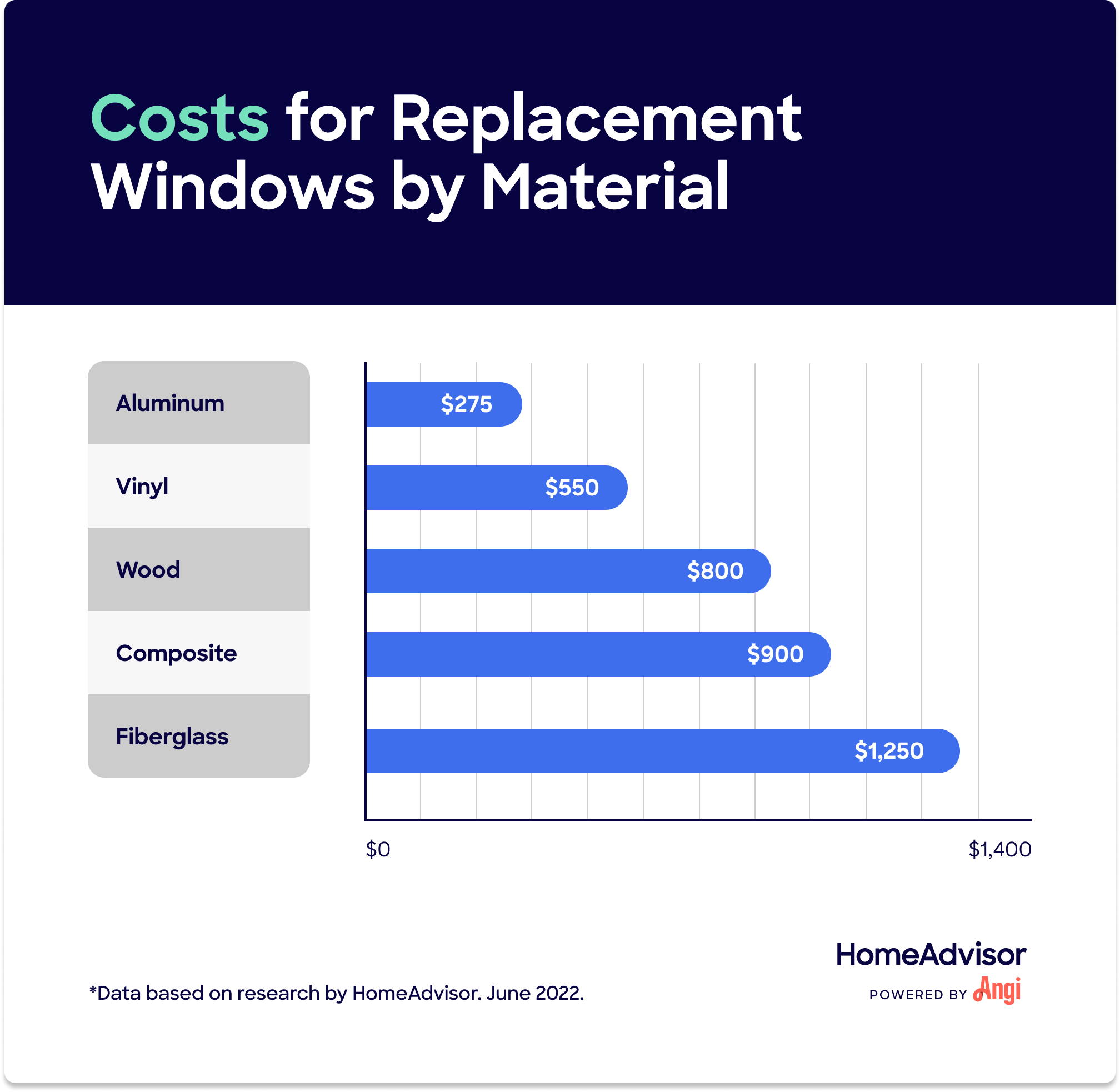
The frame material is the primary driver of the unit price. In 2026, vinyl remains the most popular choice due to its balance of cost and thermal efficiency. Modern uPVC (unplasticized polyvinyl chloride) formulations are more resistant to UV degradation than older models, making them a viable 20-year investment.
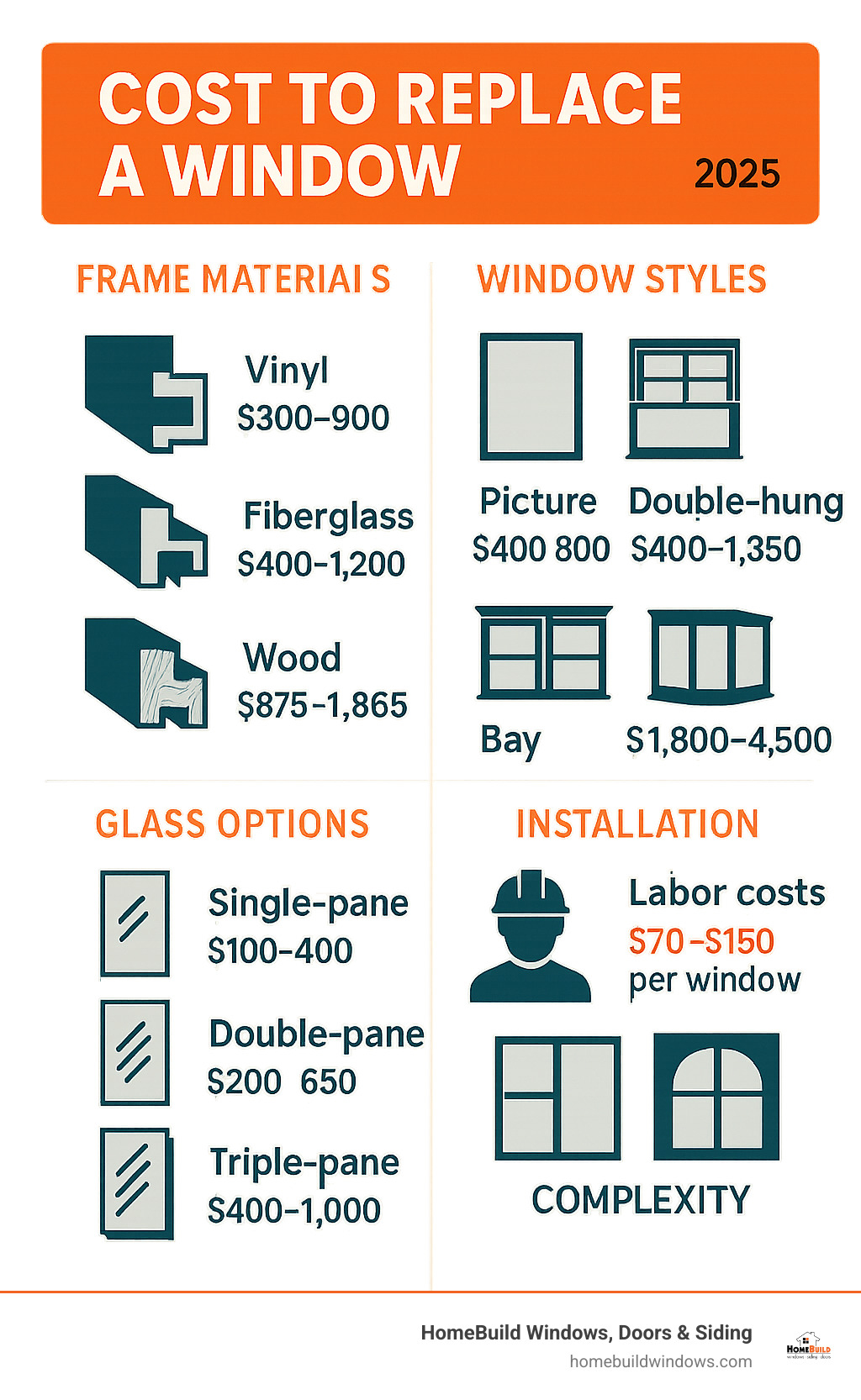
Wood frames represent the high end of the market. While they offer unmatched aesthetic appeal and natural insulation, they require significant maintenance and come with a premium price tag, often 50% to 100% higher than vinyl. Fiberglass has emerged as a middle-to-high-ground favorite in 2026 because its expansion and contraction rates are nearly identical to glass, which prevents seal failure and extends the window's lifespan.
Glass Package and Energy Efficiency
With energy codes becoming stricter across the US, the "glass package" is a non-negotiable cost factor. Standard double-pane windows are the baseline, but many homeowners in the Northeast and Midwest are now opting for triple-pane glass. While triple-pane units can add $150 to $400 per window, the reduction in thermal transfer and external noise often justifies the cost in extreme climates.
Specialized coatings, such as Low-E (low-emissivity), are now standard on most high-quality products. These microscopic layers of metallic oxide reflect infrared and ultraviolet light, keeping heat inside during winter and outside during summer. Furthermore, the space between panes is often filled with Argon or Krypton gas, which provides better insulation than plain air.
Labor and Installation Complexity
Labor costs in 2026 account for approximately 30% to 40% of the total project price. A standard "pocket installation," where the new window fits into the existing frame, is the most affordable. However, if the existing frame is rotted or the homeowner wishes to change the window's size, a full-frame installation is required. This involves stripping the opening down to the studs, replacing the flashing, and installing new trim, which can double the labor cost per opening.
Detailed Cost Breakdown by Frame Material
Choosing the right material is a trade-off between upfront investment and long-term durability. The following breakdown reflects national averages for 2026.
Vinyl Windows
- Cost Range: $450 – $950 per window (installed)
- Characteristics: Low maintenance, high thermal resistance, and available in a wide variety of colors (though typically white or almond).
- Why the price varies: Higher-end vinyl windows feature multi-chambered frames filled with foam insulation, which adds to the cost but improves the R-value.
Wood Windows
- Cost Range: $1,200 – $2,500+ per window (installed)
- Characteristics: Exceptional beauty, paintable/stainable, and excellent natural insulation.
- Why the price varies: The species of wood (pine vs. mahogany) and whether the exterior is "clad" in aluminum or vinyl to protect it from the elements significantly impact the price.
Fiberglass Windows
- Cost Range: $800 – $1,600 per window (installed)
- Characteristics: Extremely strong, slim profiles allow for more glass area, and highly resistant to temperature fluctuations.
- Why the price varies: Because fiberglass is difficult to manufacture into complex shapes, the cost remains higher than vinyl, though its longevity often results in a lower "cost per year of life."
Aluminum Windows
- Cost Range: $600 – $1,200 per window (installed)
- Characteristics: Lightweight and strong, making them ideal for very large "picture" windows.
- Why the price varies: In 2026, most residential aluminum windows must include a thermal break (an insulating strip between the inner and outer frame) to meet energy codes, which has raised their average price compared to older, non-insulated versions.
Cost Comparison by Window Style
The mechanical complexity of a window—how it opens, stays shut, and seals—directly affects the price.
| Window Style | Average Unit Cost (Uninstalled) | Average Total Cost (Installed) | Best Use Case |
|---|---|---|---|
| Double-Hung | $350 - $650 | $650 - $1,100 | Standard bedrooms/living areas |
| Casement | $450 - $850 | $800 - $1,400 | Areas requiring high ventilation |
| Picture (Fixed) | $300 - $800 | $600 - $1,300 | Unobstructed views (no opening) |
| Sliding | $400 - $700 | $700 - $1,200 | Wide openings / Modern homes |
| Bay or Bow | $1,800 - $4,500 | $3,000 - $7,000 | Architectural focal points |
| Awning | $450 - $750 | $750 - $1,250 | High on walls / Rainy climates |
High-End Specialty Windows
Beyond standard styles, homeowners in 2026 are increasingly looking at folding glass walls and European-style tilt-and-turn windows. A folding glass wall system can range from $800 to $1,500 per linear foot, making a standard 12-foot installation a $15,000+ investment. These are specialized products that require expert structural engineering, often excluded from "general" window replacement quotes.
Regional Cost Variations Across the US
Geography plays a massive role in the "approximate cost" of window replacement. Labor rates in major metropolitan areas like San Francisco, New York City, or Seattle can be 40% to 60% higher than the national average.
- The Northeast: High labor costs and a demand for high-performance triple-pane glass (due to severe winters) drive averages toward the $1,200+ per window mark.
- The South: While labor might be more affordable in rural areas, coastal zones require impact-resistant glass (hurricane windows). These specialized units can cost $1,000 to $1,800 per window just for the materials.
- The Midwest: Pricing is generally closest to the national average, though there is a strong preference for fiberglass and wood due to the extreme temperature swings between summer and winter.
- The West: In California and the Pacific Northwest, strict energy compliance (Title 24) often mandates high-specification glass packages, keeping costs on the higher end of the spectrum.
The Impact of Energy Credits and Incentives in 2026
Homeowners should not view window replacement costs in a vacuum. Under current federal guidelines in 2026, many window replacements qualify for tax credits through updated versions of the Inflation Reduction Act (IRA) provisions.
To qualify, windows must generally meet or exceed Energy Star 8.0 requirements (or the prevailing version as of 2026). These credits can often offset up to 30% of the material cost, capped at specific annual limits (frequently around $600 to $1,200 per year for windows). Additionally, many local utility companies offer rebates ranging from $50 to $200 per window if the new units significantly lower the home's energy consumption.
When calculating the "net cost," it is vital to subtract these incentives from the total quote. Over a 10-year period, the reduction in heating and cooling bills can recoup 20% to 50% of the initial investment, depending on the local climate and previous window condition.
Common Mistakes That Inflate Costs
- Over-specifying for the Climate: Installing triple-pane, krypton-filled windows in a mild climate where double-pane argon-filled units would suffice is an unnecessary expense.
- Ignoring the "While We're at It" Scope Creep: Changing the size of a window opening requires new headers, studs, and exterior siding repair. This can turn a $900 job into a $2,500 job per opening.
- Choosing the Cheapest Bid: In window replacement, the "cheap" bid often comes from contractors who skip proper flashing or use low-grade sealants. Water infiltration caused by poor installation can lead to thousands of dollars in mold remediation and structural repair later.
- Neglecting Hardware and Screens: Custom hardware finishes (e.g., oil-rubbed bronze vs. standard white) and high-visibility "invisible" screens can add $50 to $100 per window.
Hiring and Verification Process
Before signing a contract in 2026, verification is key. The industry has seen an influx of "assembly-only" contractors who may not be factory-certified for the specific brands they install.
- Request an Itemized Quote: Ensure the quote separates material costs from labor, disposal fees, and permit costs.
- Check Certifications: Look for installers certified by the InstallationMasters program or those who have direct factory training from manufacturers like Pella, Andersen, or Marvin.
- Verify Insurance and Bonding: With labor costs rising, some smaller outfits may let their liability insurance lapse. Always ask for a current COI (Certificate of Insurance).
- Inquire About the Warranty: A 20-year glass warranty is standard, but check if the labor is warrantied for more than a year. The best installers will offer at least a 2-to-5-year workmanship warranty.
Frequently Asked Questions
Is it cheaper to replace all windows at once?
Generally, yes. While the total invoice is higher, the "cost per window" typically drops when you replace 10 or more units. Contractors have fixed costs for mobilizing a crew, setting up scaffolding, and obtaining permits. Spreading these costs across more windows provides better value. Additionally, many manufacturers offer volume discounts to dealers that are passed on to the consumer.
How much does it cost to replace a single broken window?
Replacing just one window is significantly more expensive on a per-unit basis. You can expect to pay a "minimum trip fee" which might bring the cost of a single standard vinyl window to $900 - $1,200, even if the window itself is only $400. If only the glass is broken and the frame is sound, a glass-only replacement (IGU replacement) is cheaper, costing between $250 and $500.
Can I save money by installing windows myself?
Window installation is a high-stakes DIY project. While you can save the $200–$400 per window labor fee, you risk voiding the manufacturer's warranty. Most premium window brands only honor warranties if the unit is installed by a licensed professional. Furthermore, improper flashing can lead to structural rot that is far more expensive than the labor savings.
How long does a window replacement project take?
For an average-sized home (15–20 windows), a professional crew can usually complete a "pocket" installation in 1 to 2 days. A full-frame replacement, which involves more extensive exterior and interior carpentry, can take 3 to 5 days. Custom-ordered windows typically have a lead time of 4 to 12 weeks from the date of the measurement to the day of installation.
Do new windows really increase home value?
According to real estate data in 2026, homeowners can expect a 65% to 75% Return on Investment (ROI) upon the sale of their home. Beyond the monetary value, new windows significantly increase "curb appeal" and shorten the time a house stays on the market, as buyers in 2026 are highly sensitive to energy efficiency and deferred maintenance.
Final Recommendation
When estimating the approximate cost of window replacement in 2026, focus on Value over Price. A $700 window that lasts 10 years is significantly more expensive than an $1,100 window that lasts 25 years. We recommend obtaining at least three quotes from reputable local installers and specifically asking for "Mid-Tier" and "Premium" options. This allows you to see the marginal cost increase for better materials like fiberglass or enhanced glass packages. For most US homeowners, a high-quality vinyl or composite double-pane window remains the most cost-effective solution for balancing initial outlay with long-term energy savings.