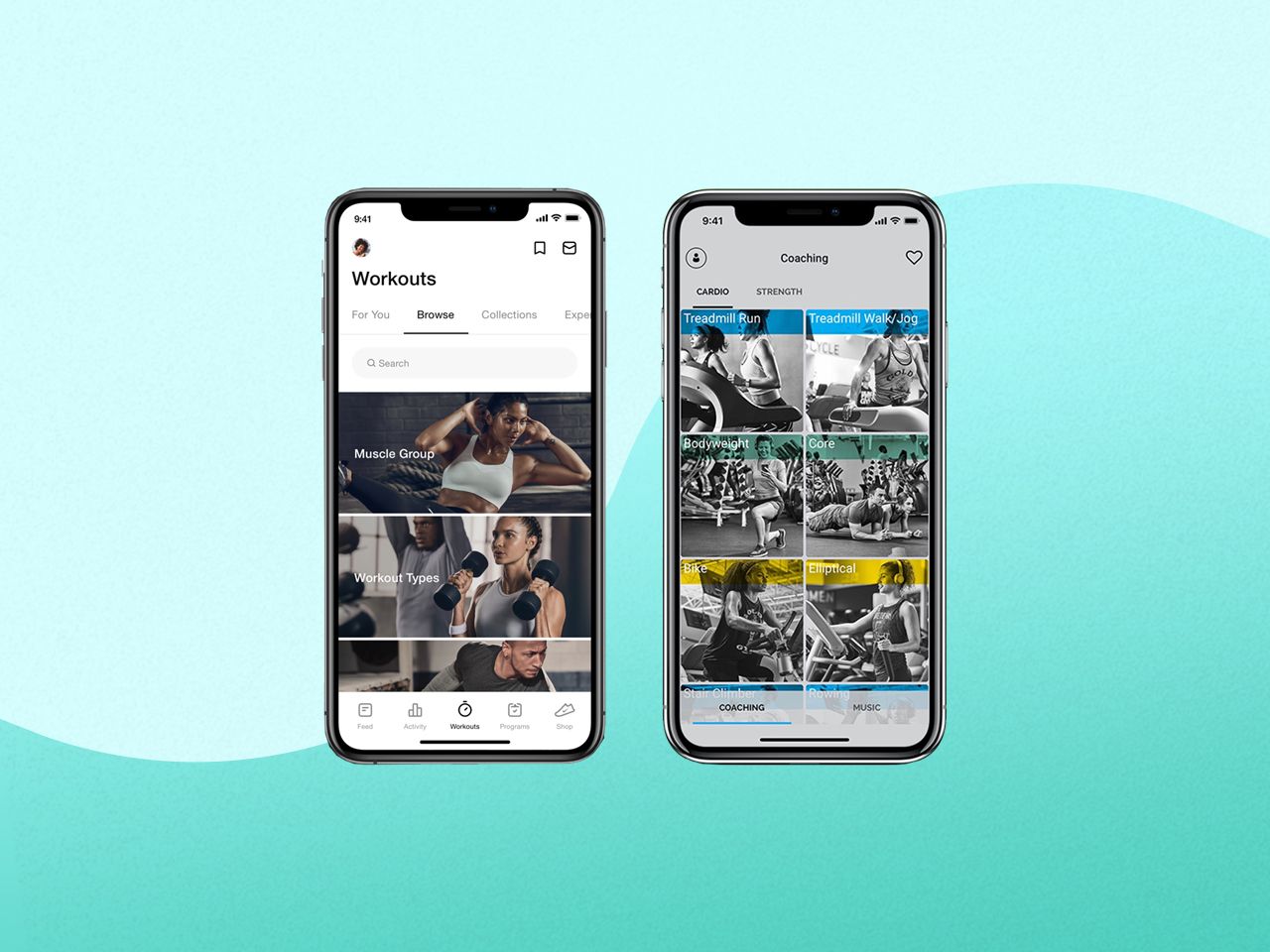
The best apps to log workouts in 2026 allow athletes to track sets, reps, weight, and cardio metrics while providing data-driven insights into progressive overload and recovery. Leading options like Hevy, Strong, and Fitbod cater to weightlifters, while Strava and TrainingPeaks remain the gold standard for endurance and hybrid athletes.
Digital workout logging has transitioned from a niche convenience to an essential component of modern athletic performance. In 2026, the market for fitness tracking software is more mature than ever, offering tools that range from simple digital notebooks to sophisticated artificial intelligence (AI) coaches that adjust your training volume in real-time. Choosing the right application depends entirely on your training modality, your need for data granularity, and how much automation you desire in your fitness journey.
The Evolution of Workout Logging: Why Digital Outperforms Paper
For decades, the spiral-bound notebook was the gym-goer’s most trusted companion. While paper remains a valid low-tech option, the shift toward mobile applications is driven by the need for instant calculation and historical data visualization. Logging workouts digitally is no longer just about recording what you did; it is about analyzing what you should do next.
The primary benefit of using an app to log workouts is the management of progressive overload. This fundamental principle of exercise science requires a gradual increase in stress placed upon the body during exercise. Apps automatically calculate your "Total Volume" (sets x reps x weight) and compare it to previous sessions. By visualizing these trends through charts and heatmaps, users can ensure they are actually improving rather than simply repeating the same effort week after week.
Furthermore, modern apps in 2026 offer features that paper cannot replicate, such as plate calculators, which tell you exactly which weights to put on a barbell, and rest timers that trigger haptic feedback on your smartwatch. These tools reduce cognitive load during a workout, allowing you to focus entirely on the physical execution of the movement.
Essential Features of a High-Quality Logging App
When evaluating apps to log workouts, several technical and functional criteria should guide your decision. A tool that is cumbersome to use between sets will eventually be abandoned, regardless of how powerful its analytics are.
User Interface and Input Efficiency
In the middle of a high-intensity session, you do not want to be fumbling with complex menus. The best apps prioritize "low-friction" data entry. Features like "auto-fill from previous session" and "swipe to complete set" are critical. In 2026, many leading apps have also integrated advanced voice-to-text capabilities, allowing users to log sets hands-free using natural language processing.
Exercise Database and Customization
A robust app must have an extensive library of exercises with proper demonstrations (often via 4K video or 3D animations). However, the ability to create custom exercises is equally important. Whether you are performing a specific physical therapy movement or a niche variation of a lateral raise, the software should allow you to add it to your personal database without breaking the app's internal logic.
Integration with Wearable Ecosystems
By 2026, the integration between smartphone apps and wearables (Apple Watch, Garmin, and various smart rings) has become seamless. A top-tier logging app should synchronize heart rate data, calorie expenditure, and recovery metrics from your wearable to provide a holistic view of your health. For example, if your sleep tracker indicates poor recovery, an advanced logging app might suggest a "deload" or reduced intensity for that day's scheduled session.
Data Sovereignty and Exporting
Your fitness data is valuable. Reliable apps offer the ability to export your training history in .csv or .json formats. This ensures that if you decide to switch platforms or want to perform your own deep-dive analysis in a spreadsheet, your years of hard work are not locked behind a proprietary wall.
Top Apps for Strength Training and Bodybuilding
For those focused on the weight room, the priority is tracking resistance, volume, and intensity.
Hevy: The Social Strength Tracker
Hevy has emerged as a frontrunner in 2026 due to its balance of powerful tracking and a supportive social community. It allows users to follow friends, share routines, and compare personal records (PRs).
- Best For: Lifters who find motivation in community and want a clean, modern interface.
- Key Feature: The "Live Activity" support on iOS and Android, which keeps your rest timer and current set visible on the lock screen.
Strong: The Minimalist Powerhouse
Strong remains a favorite for purists who want a "no-nonsense" experience. It avoids the social feed clutter of other apps, focusing entirely on the log itself.
- Best For: Advanced trainees who already have a program and just need a reliable digital notebook.
- Key Feature: Exceptional Apple Watch and Wear OS standalone apps, allowing you to leave your phone in the locker.
Fitbod: AI-Generated Programming
Fitbod uses an algorithm to determine which exercises you should perform based on your past logs and reported muscle fatigue.
- Best For: Beginners or general fitness enthusiasts who want the app to "think" for them.
- Key Feature: Dynamic routine generation that adjusts based on the equipment available in your current gym.
Specialized Apps for Endurance and Hybrid Athletes
Not all workouts happen in a rack. For those who combine lifting with running, cycling, or swimming, the logging requirements are different.
Strava: The King of Cardio
While not a traditional weightlifting log, Strava is the dominant force for tracking movement through GPS. In 2026, Strava has improved its "Stat Maps" and weight-training integration, though many users still pair it with a dedicated lifting app.
- Best For: Runners, cyclists, and triathletes.
- External Link: Strava Official Site
TrainingPeaks: Professional Grade Analysis
TrainingPeaks is designed for athletes working with coaches. It provides highly technical data such as Training Stress Score (TSS) and "Form" (the balance between fitness and fatigue).
- Best For: Competitive athletes preparing for events like marathons or Ironmans.
- External Link: TrainingPeaks
Comparison of Leading Workout Logging Apps in 2026
| App Name | Primary Focus | Best For | Platform | Pricing Model (2026) |
|---|---|---|---|---|
| Hevy | Strength/Social | Community & UI | iOS, Android, Web | Freemium / Monthly Sub |
| Strong | Strength/Minimalist | Data Purists | iOS, Android, Watch | One-time / Annual |
| Fitbod | AI Programming | Beginners | iOS, Android | Monthly Subscription |
| Strava | Cardio/GPS | Endurance Athletes | iOS, Android, Garmin | Freemium / Annual |
| JuggernautAI | Powerlifting | Serious Competitors | iOS, Android | Monthly Subscription |
| MyFitnessPal | Nutrition/Logging | Weight Management | iOS, Android | Freemium / Monthly Sub |
Technical Considerations: RPE and RIR Tracking
In 2026, high-level training apps have fully integrated RPE (Rate of Perceived Exertion) and RIR (Reps in Reserve). These metrics measure how hard a set felt on a scale of 1 to 10 or how many more reps you could have performed.
Tracking RPE is vital for "autoregulation." If you are scheduled to squat 300 lbs for 5 reps, but your RPE is a 10 (meaning it was a maximum effort) on the first set, your app can suggest reducing the weight for subsequent sets to prevent injury or overtraining. This level of nuance is what separates modern apps from simple spreadsheets.
Overcoming Common Challenges with Digital Logging
Transitioning to an app can sometimes feel like a chore. To ensure success, consider these strategies:
- Template Your Workouts: Do not start from a blank screen at the gym. Pre-build your routines at home. Most apps allow you to save "A/B" splits or 4-day push/pull/legs routines.
- Focus on "The Big Three" Metrics: If you find logging every detail overwhelming, focus only on your primary lifts (e.g., Squat, Bench, Deadlift). You can log accessory work (like curls) more loosely.
- Battery Management: Logging apps can be heavy on battery, especially with GPS or constant screen-on time. Ensure your devices are charged or use "Power Save" modes within the app settings.
- Offline Capability: Ensure the app you choose allows for offline logging. Many "hardcore" gyms are in basements or steel-framed buildings with poor cellular reception. The app should sync your data once you return to Wi-Fi.
The Role of Privacy and Data Security
As fitness apps collect more biometric data (heart rate, weight, location, and even sleep patterns), security is paramount. When choosing an app to log workouts in 2026, verify that the company uses end-to-end encryption for cloud backups and has a transparent privacy policy regarding third-party data sharing. Reputable developers will often have a "Data and Privacy" section in the app settings that allows you to opt out of marketing tracking while keeping your fitness data secure.
FAQ
Are workout logging apps better than pen and paper? Yes, for most people. While pen and paper are reliable and require no battery, apps provide automatic volume calculations, rest timers, and long-term trend analysis that are nearly impossible to track manually over several years.
Can I sync my workout app with my nutrition tracker? Most leading workout logs in 2026, such as Hevy and Strong, can sync with Apple Health or Google Connect. This allows nutrition apps like MyFitnessPal or Cronometer to read your "Active Energy" burned during a workout and adjust your daily caloric targets accordingly.
Do these apps work without an internet connection? Most premium apps allow for offline logging. Your data is stored locally on your device and synchronized to the cloud once a connection is re-established. However, features like social feeds or video demonstrations may not work while offline.
Is it worth paying for a subscription to a workout app? If you are consistent, the "Pro" versions often provide unlimited routine storage, advanced analytics, and data export features. For casual gym-goers, the free versions of apps like Hevy or Strong are usually sufficient for basic logging.
What is the best app for a complete beginner? Fitbod is often cited as the best for beginners because it removes the guesswork. It tells you exactly what exercises to do, how much weight to use, and how long to rest, based on the equipment you have available.
Final Recommendation: Selecting Your Path
Choosing the right app is a subjective process that should align with your specific goals. If your primary objective is to get as strong as possible, prioritize an app with a focus on plate calculators and 1RM (One Rep Max) tracking like Strong or Hevy. If you are an endurance athlete who occasionally lifts to support your running, Strava or TrainingPeaks will serve you better.
Regardless of which tool you select, the most important factor is consistency. The "best" app is the one you will actually use every time you step into the gym. By logging your data faithfully, you turn every workout into a building block for future success, ensuring that your efforts in 2026 lead to a stronger, healthier version of yourself.