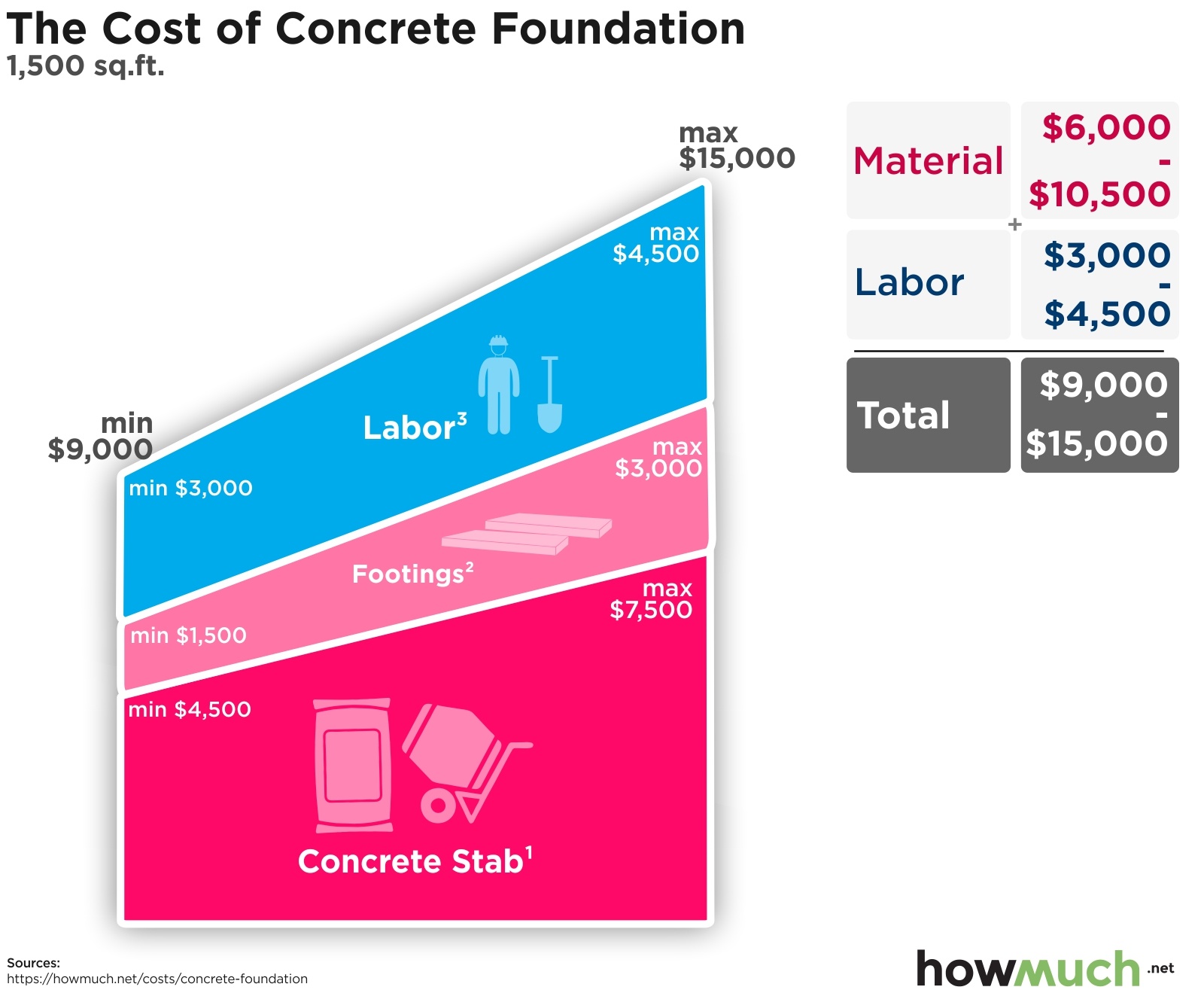
The approximate cost of foundation repair in 2026 typically ranges from $5,000 to $15,000, with a national average of roughly $8,500. Minor crack repairs may cost as little as $500, while complex structural stabilization involving extensive piering or hydraulic lifting can exceed $30,000 to $50,000 depending on the severity of the damage.
Understanding the Landscape of Foundation Repair Costs
Foundation issues are among the most stressful challenges a homeowner can face. The foundation is the literal bedrock of your property's structural integrity, and even minor shifts can lead to a cascade of problems, including jammed doors, cracked drywall, and compromised roofing. In 2026, the construction industry has seen a stabilization in material costs compared to the volatility of the early 2020s, but labor specialized in geotechnical engineering remains a significant premium.
When estimating the cost of repair, it is essential to distinguish between cosmetic repairs and structural stabilization. A cosmetic crack caused by natural settling may require a simple injection, whereas a house built on expansive clay soil that is "heaving" or "subsiding" requires deep mechanical intervention. Understanding the "why" behind the cost helps homeowners navigate quotes from contractors and avoid overpaying for unnecessary services.
Major Factors Influencing Repair Estimates
Several variables dictate where your final bill will land. No two houses sit on the exact same soil or have the same structural load, making "ballpark" figures difficult without a professional inspection.
1. The Method of Repair
The specific technology used to fix the foundation is the primary cost driver.
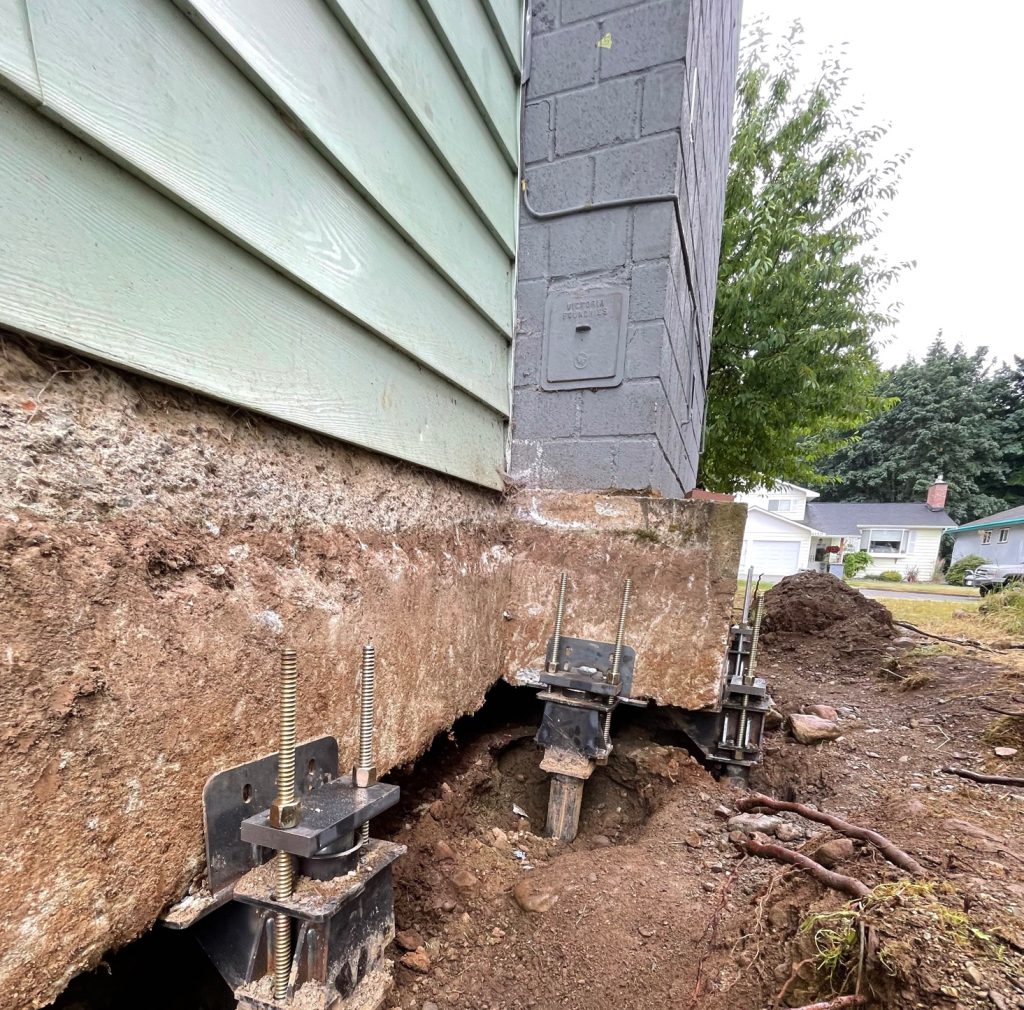
- Piering and Underpinning: This is the most expensive and most permanent solution. It involves driving steel or concrete pillars deep into the earth until they hit load-bearing strata or bedrock.
- Slabjacking/Mudjacking: A mid-range solution used primarily for concrete slabs that have sunk. It involves pumping a grout mixture (mudjacking) or high-density polyurethane foam (slabjacking) under the slab to lift it back to level.
- Wall Reinforcement: For basements with bowing walls, carbon fiber strips or steel I-beams are used to provide lateral support.
2. Severity of the Damage
A foundation that has settled by half an inch across one corner is a vastly different project than a foundation that has dropped four inches and caused the chimney to pull away from the house. The further the structure has moved from its original position, the more force and equipment are required to remediate it.
3. Soil Composition and Depth to Bedrock
Soil is often the culprit behind foundation failure. Expansive clays, which swell when wet and shrink when dry, are notorious for moving foundations. If your home is located in a region where the stable soil or bedrock is 40 feet deep rather than 15 feet deep, the cost of piering will double because the materials (the length of the steel piers) and the time required to drive them increase linearly.
4. Accessibility
If a foundation repair crew can bring a hydraulic rig directly to the side of the house, labor costs remain standard. However, if the repair site is hindered by narrow alleys, extensive landscaping, decks, or additions, the crew may need to use hand-held equipment or perform manual excavation, which significantly inflates the labor hours.
Detailed Breakdown of Repair Methods and Costs
To provide a clearer picture of what to expect in 2026, the following table summarizes the most common repair techniques and their associated costs.
| Repair Method | Average Cost (2026) | Primary Use Case | Expected Duration |
|---|---|---|---|
| Piering (per pier) | $1,500 – $3,500 | Structural settlement, deep soil issues | 3–10 Days |
| Slabjacking (Polyurethane) | $2,000 – $5,000 | Sunken concrete slabs, driveways | 1 Day |
| Mudjacking (Cement grout) | $1,000 – $3,500 | Small concrete leveling, walkways | 1–2 Days |
| Crack Injection (Epoxy/Poly) | $500 – $1,500 | Non-structural water seepage | 2–5 Hours |
| Bowing Wall Bracing | $1,000 – $1,500 (per beam) | Basement wall stabilization | 2–4 Days |
| Helical Piering | $2,500 – $4,000 (per pier) | Light structures or high-water tables | 3–7 Days |
Piering: The Permanent Support
Piering is the "gold standard" for homes experiencing significant settlement. There are two main types: Push Piers and Helical Piers.
- Push Piers use the weight of the house itself to drive steel tubes into the ground. These are ideal for heavy masonry or multi-story homes.
- Helical Piers have screw-like blades and are "threaded" into the ground. These are often used for lighter structures like porches or in areas with very soft soil where the house's weight isn't enough to drive a push pier. In 2026, a typical 1,500-square-foot home requiring stabilization along two walls might need 8 to 12 piers. At an average of $2,500 per pier, this puts the project in the $20,000 to $30,000 range.
Slabjacking and Mudjacking: Leveling the Surface
If your foundation is a "slab-on-grade" (a thick layer of concrete poured directly on the ground) and it has tilted or sunk, slabjacking is the preferred method. Modern polyurethane foam injection has largely superseded traditional mudjacking. Although the raw material is more expensive, the foam is lighter, requires smaller drill holes (about the size of a penny), and cures in minutes. It doesn't add significant weight to already-weak soil, reducing the risk of a "re-sink." A standard garage floor or patio lift in 2026 typically costs around $2,500.
Hidden and Associated Costs
The "cost of repair" often refers only to the structural work. Homeowners must budget for several peripheral expenses that are frequently required by law or necessary for a complete restoration.
Structural Engineering Reports
Most municipalities require a permit for foundation work, and that permit requires a report from a licensed structural engineer. Unlike a foundation contractor, the engineer has no financial stake in the repair itself, providing an unbiased assessment. In 2026, a residential structural report typically costs between $600 and $1,200.
Soil Testing (Geotechnical Reports)
In cases of extreme or recurring failure, an engineer may recommend a geotechnical report. This involves a lab analysis of soil borings to determine the exact moisture content and load-bearing capacity of the earth beneath the home. This specialized service can add $1,500 to $3,500 to the diagnostic phase.
Plumbing and Utility Lines
When a house is lifted back to its original position, there is a risk that old, rigid plumbing lines (especially cast iron or clay) may snap. A "hydrostatic plumbing test" is often performed after a lift to ensure the sewer and water lines are still intact. If pipes are damaged, plumbing repairs can add $2,000 to $7,000 to the total project cost.
Cosmetic Restoration
Foundation repair fixes the structure, not the finish. After the house is stabilized, you will likely still have cracks in the drywall, misaligned window frames, or broken floor tiles. High-end finishes, such as hardwood or custom tile, can be expensive to replace once the foundation is leveled.
Signs You Need to Budget for Foundation Repair
Identifying issues early can prevent a $5,000 problem from turning into a $50,000 catastrophe. If you notice the following signs, it is time to seek a professional estimate:
- Stair-Step Cracks in Brickwork: Cracks that follow the mortar lines in a zigzag pattern are a classic sign of exterior wall settlement.
- Doors and Windows that Stick: If a door that used to swing freely now rubs against the frame or refuses to latch, the frame has likely moved out of square.
- Gaps Around Window Frames or Frieze Boards: Separation between the window trim and the siding indicates the wall is pulling away.
- Sloping Floors: Use a simple level or even a ball; if the ball consistently rolls toward one corner of the room, the slab or joists have tilted.
- Nail Pops: While common in new builds, sudden "pops" where drywall nails push through the tape in an older home suggest structural shifting.
The Cost of Waiting vs. Immediate Action
A common mistake homeowners make is waiting "to see if it gets worse." In the world of foundations, it almost always does. Foundation issues are progressive. As a house settles, it creates new stress points. A small crack allows water to enter, which softens the soil further, leading to more settlement.
Furthermore, in 2026, real estate disclosure laws are more stringent than ever. Attempting to sell a home with an unaddressed foundation issue will result in a price reduction far greater than the cost of the repair itself. Most buyers will demand a "foundation credit" that covers the highest possible repair estimate plus a "hassle premium" of 10-20%.
Frequently Asked Questions
Does homeowners insurance cover foundation repair?
Standard homeowners insurance policies generally do not cover foundation repair caused by earth movement, settlement, or hydrostatic pressure. Coverage is usually only triggered if the damage is the direct result of a "covered peril," such as a major pipe burst inside the home or a fire that compromised the structural integrity. Check for a "Ground Water" or "Earth Movement" endorsement in your policy for exceptions.
How long do foundation repairs last?
Repairs involving steel piers or high-grade concrete underpinning are generally considered permanent, often coming with a lifetime transferable warranty. Slabjacking with polyurethane foam is also very durable, though its longevity depends on the underlying soil remaining stable. Cosmetic crack injections (epoxy) may need to be revisited every 10–15 years as the house undergoes natural thermal expansion and contraction.
Can I repair my own foundation?
Foundation repair is not a DIY project. The equipment required involves high-pressure hydraulics and specialized drilling rigs. More importantly, lifting a house incorrectly can cause catastrophic structural failure or even a total collapse of certain walls. A professional repair also provides the necessary documentation (engineer's seal and warranty) required for future real estate transactions.
How long does the average repair take?
Most residential foundation repairs are completed in 3 to 7 days. Minor slabjacking or crack injections can be done in a single afternoon. Extensive piering projects that require excavation around the entire perimeter of the home may take up to two weeks, depending on weather conditions.
Is it safe to live in the home during the repair?
In the vast majority of cases, yes. The repair process is noisy and involves heavy machinery outside the home, but the interior remains habitable. The only exception is if the structural integrity is so compromised that an engineer deems the building "unsafe for occupancy," which is rare except in cases of extreme sinkholes or landslide damage.
Practical Recommendations for Homeowners
If you suspect your foundation is failing, follow these steps to ensure you get the most accurate and fair price:
- Hire an Independent Engineer First: Spend the $800 for an unbiased structural report before calling a repair company. This report acts as a "blueprint" that you can give to contractors so they are all bidding on the same scope of work.
- Get Three Comparable Quotes: Ensure each contractor is using the same method (e.g., steel piers vs. concrete piers) to ensure the prices are comparable.
- Check for Transferable Warranties: If you plan to sell your home in the next decade, a warranty that transfers to the new owner is a major selling point and adds significant value to the property.
- Address Drainage Issues: Many foundation problems are caused by poor drainage. Ensure your gutters are clean and your downspouts discharge at least 5 to 10 feet away from the foundation. Solving the water problem often stops the foundation from moving further.
Foundation repair is a significant investment, but in 2026, the technology has reached a point where most issues can be solved permanently. By understanding the factors that drive the approximate cost of foundation repair, you can approach the process with confidence and protect your home's long-term value.