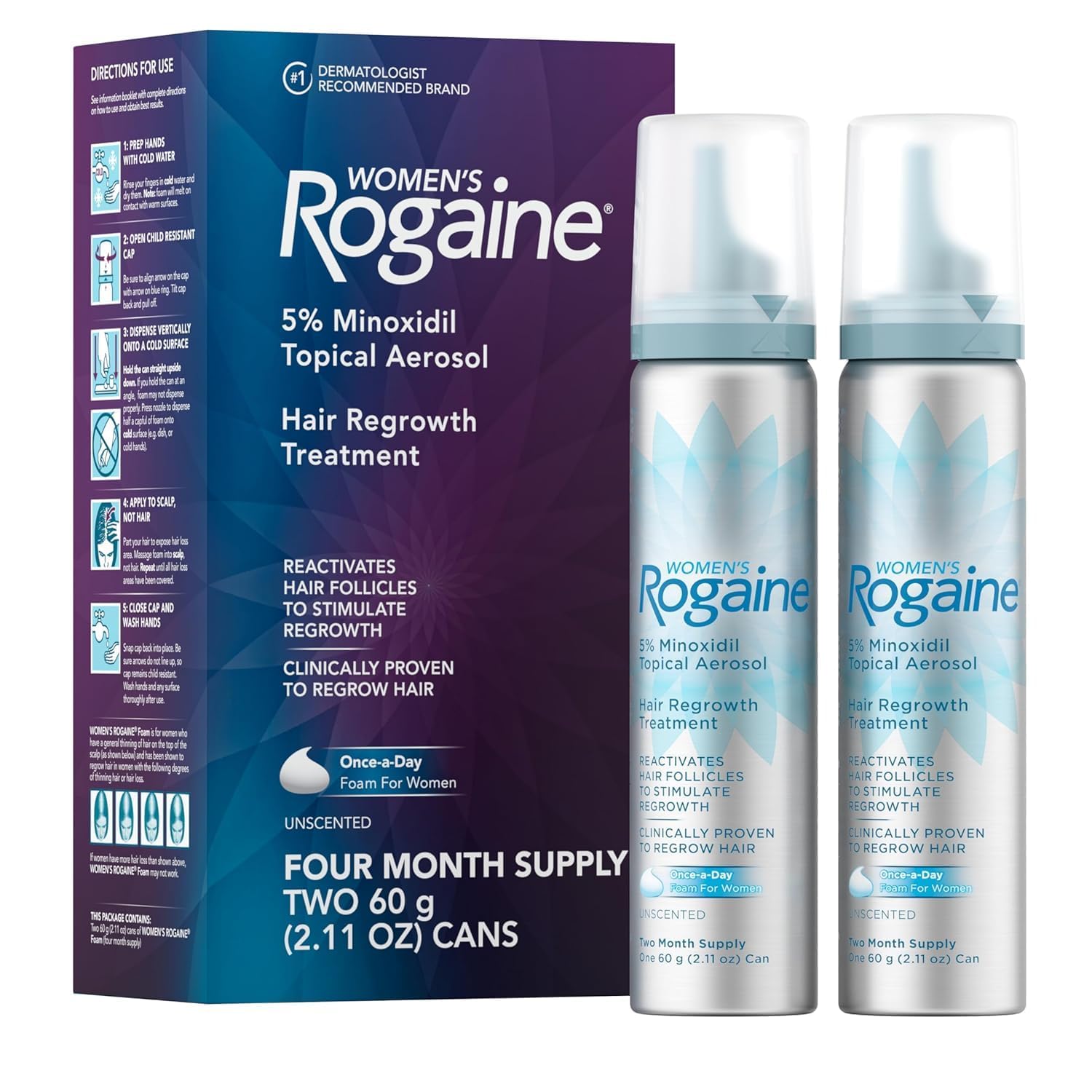
FDA-approved hair loss treatments refer to specific pharmaceutical agents that have undergone rigorous clinical testing and regulatory review to demonstrate safety and efficacy for the treatment of androgenetic alopecia. Currently, the primary medically recognized, FDA-approved pharmacological interventions are topical minoxidil and oral finasteride, both of which serve as the standard of care for halting progression and stimulating potential regrowth.
Navigating the landscape of hair restoration can be overwhelming, given the abundance of unregulated supplements and anecdotal remedies. For those seeking evidence-based solutions, understanding the specific mechanism, requirements, and limitations of FDA-approved therapies is the first step toward effective management.
The Regulatory Definition of Approval
When a treatment is labeled "FDA-approved" for hair loss, it signifies that the United States Food and Drug Administration has reviewed clinical trial data confirming that the product is safe and effective for its intended use—specifically for androgenetic alopecia (pattern hair loss). This is distinct from products that are "FDA-cleared" (often used for devices like low-level laser therapy) or "FDA-listed," which may not have undergone the same level of rigorous efficacy testing.
FDA approval provides a level of assurance regarding the chemical composition, manufacturing quality, and known side-effect profile of a drug. It does not, however, guarantee that every user will experience significant regrowth, nor does it imply that the treatment is effective for all forms of hair loss, such as alopecia areata or scarring alopecias.
Minoxidil: The Topical Standard
Minoxidil, originally developed as a treatment for hypertension, was repurposed after researchers observed increased hair growth as a side effect. It remains the most widely accessible FDA-approved treatment for both men and women.
Mechanism of Action
While the exact biological mechanism remains partially theoretical, minoxidil is classified as a potassium channel opener. It is believed to widen blood vessels (vasodilation) in the scalp, potentially improving nutrient and oxygen delivery to hair follicles. More importantly, it is thought to shorten the telogen (resting) phase of the hair cycle and extend the anagen (growth) phase, encouraging follicles to produce thicker, more visible hair shafts.
Application Requirements
- Consistency: Minoxidil must be applied topically to the scalp—usually twice daily in liquid or foam form—to maintain results.
- The "Shedding" Phase: New users often report an increase in hair loss during the first 2–8 weeks. This is typically a sign that the medication is forcing hair follicles into the growth phase, causing older, thinner hairs to be pushed out.
- Longevity: If use is discontinued, any hair gained or maintained through minoxidil treatment is typically lost within three to six months as the follicles revert to their previous state.
Finasteride: The Oral Intervention
Finasteride is an oral prescription medication that has been FDA-approved for the treatment of male pattern hair loss since 1997. It is specifically formulated to address the hormonal root cause of androgenetic alopecia.
The Role of DHT
In genetically susceptible individuals, dihydrotestosterone (DHT)—a byproduct of testosterone converted by the enzyme 5-alpha-reductase—binds to androgen receptors in scalp hair follicles. This causes "miniaturization," where hair follicles shrink over time until they eventually cease producing visible hair.
How Finasteride Functions
Finasteride acts as a 5-alpha-reductase inhibitor. By blocking this enzyme, the drug reduces systemic and scalp levels of DHT by approximately 60–70%. By lowering DHT levels, the medication prevents further miniaturization and, in many cases, allows follicles to recover and resume producing healthy terminal hairs.
Important Considerations for Finasteride
- Prescription-Only: Unlike minoxidil, which is available over-the-counter in various concentrations, finasteride requires a consultation with a licensed healthcare provider due to its systemic hormonal effects.
- Side Effect Profile: While the majority of users tolerate the medication well, clinical data identifies a small subset of patients who report sexual side effects, including decreased libido or erectile dysfunction. It is critical to discuss your medical history with a physician before starting treatment.
- Safety for Women: Finasteride is generally not prescribed to women of childbearing age due to the risk of birth defects if the medication is absorbed during pregnancy.
Comparative Overview of Approved Treatments
| Feature | Minoxidil (Topical) | Finasteride (Oral) |
|---|---|---|
| Approval Status | FDA-Approved | FDA-Approved |
| Primary Gender Use | Men and Women | Men (primarily) |
| Method | Direct scalp application | Systemic pill |
| Mechanism | Vasodilation/Growth cycle modulation | 5-alpha-reductase inhibitor (DHT blocker) |
| Availability | Over-the-counter | Prescription required |
| Typical Goal | Slow loss, stimulate regrowth | Stop progression, prevent miniaturization |
Complementary Approaches and Limitations
While minoxidil and finasteride represent the "gold standard," they are not exhaustive. Many patients find success using them in tandem, as the drugs target hair loss through different biological pathways.
It is important to note that these treatments are most effective when initiated during the early stages of hair loss. Once a follicle has completely miniaturized and the scalp has become smooth (cicatricial), pharmaceutical interventions are unlikely to revive the follicle. In such cases, surgical options like follicular unit extraction (FUE) or follicular unit transplantation (FUT) may be the only method to physically restore density to those areas.
Addressing Common Myths
"Natural" Alternatives vs. FDA-Approved Drugs
Many products marketed as "all-natural" hair growth serums lack the longitudinal, double-blind, placebo-controlled clinical trials required for FDA approval. While ingredients like caffeine, rosemary oil, or saw palmetto are often discussed in wellness forums, they generally lack the robust, peer-reviewed evidence base that supports minoxidil or finasteride. Reliance on unproven supplements often results in a lost window of opportunity to intervene when hair follicles are still viable.
The "Permanent Cure" Fallacy
There is currently no permanent, singular "cure" for androgenetic alopecia. Because the condition is driven by genetics and hormonal sensitivity, treating it is a process of ongoing maintenance. Expecting a "one-and-done" treatment is a common mistake that leads to frustration. Success with FDA-approved treatments should be viewed similarly to managing a chronic condition: the medication must be used consistently to see and maintain the benefits.
Frequently Asked Questions
Can women use finasteride for hair loss?
Generally, no. Finasteride is not FDA-approved for women, particularly those of childbearing age. Because of the risk of teratogenicity (potential to cause birth defects), it is rarely recommended. Women are typically advised to use minoxidil or alternative hormonal therapies under strict gynecological supervision.
How long does it take to see results?
Clinical results for both minoxidil and finasteride are rarely visible before three to six months. Hair growth cycles are slow; it takes time for a follicle to shift from a resting state to a growth state and for that hair to become visible above the scalp. Patience and adherence to the daily regimen are essential.
Does generic minoxidil work as well as brand-name versions?
Yes. Generic minoxidil must meet the same FDA requirements for purity, strength, and quality as name-brand versions. The active ingredient and its effectiveness remain consistent regardless of the branding on the packaging.
Will these treatments fix a receding hairline?
These treatments are generally more effective at stabilizing hair loss and increasing density at the crown (the vertex). While they can help maintain existing hair along the hairline, reversing a significant, long-term receding hairline is notoriously difficult with medication alone.
What should I do if I experience side effects?
If you experience any adverse reactions—whether skin irritation from topical minoxidil or systemic effects from finasteride—you should immediately discontinue use and contact your healthcare provider. Never attempt to adjust your dosage or experiment with alternative frequencies without professional medical guidance.
Next Steps for Treatment
If you are concerned about hair thinning, the most effective next step is to schedule an appointment with a board-certified dermatologist. They can provide an accurate diagnosis, as not all hair loss is androgenetic; conditions like telogen effluvium, nutritional deficiencies, or thyroid disorders require vastly different approaches.
Before your appointment, document your hair loss progression with photographs taken in consistent lighting. Be prepared to provide a full family medical history, as genetic predisposition is a primary indicator of androgenetic alopecia. By engaging with a specialist, you move away from guesswork and toward a structured, evidence-based plan tailored to your specific biology.