In 2026, the Apple Watch Series 7 remains a viable entry point into the Apple ecosystem for those seeking a modern "large-screen" aesthetic without the premium price of the latest Series 11 or Ultra models. While its battery health and remaining watchOS support window are primary concerns for buyers today, its core health sensors—including ECG and blood oxygen monitoring—and its fast-charging capabilities keep it functionally competitive for standard fitness tracking and notification management.
The Apple Watch Series 7 was a milestone release when it arrived in late 2021, primarily because it introduced the significantly reduced bezels and larger display areas (41mm and 45mm) that defined the look of Apple’s standard wearables for several subsequent generations. As we navigate the tech landscape of 2026, the secondary market for the Series 7 has matured, making it a frequent subject of "is it worth it" debates. To determine its current value, one must weigh its hardware durability against the inevitable march of software obsolescence and battery chemistry degradation.
Understanding the Series 7 in the 2026 Landscape
When evaluating a five-year-old wearable, the context of use is everything. In 2026, the Apple Watch Series 7 is no longer a flagship, nor is it the "budget" choice in the way a new Apple Watch SE might be. Instead, it occupies a middle ground: a "legacy flagship" that offers premium features (like an Always-On display and fast charging) that are often missing from newer entry-level models.
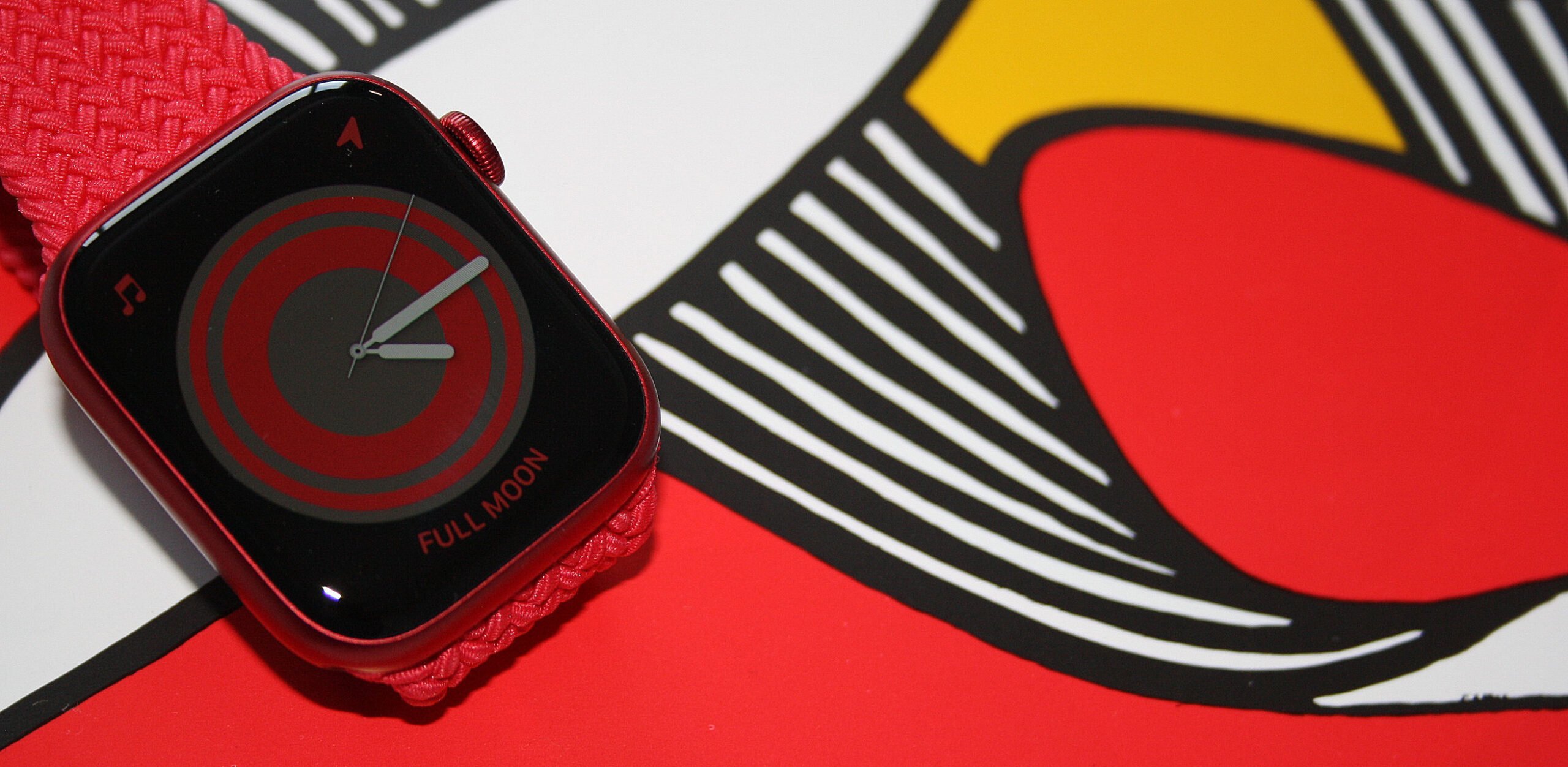
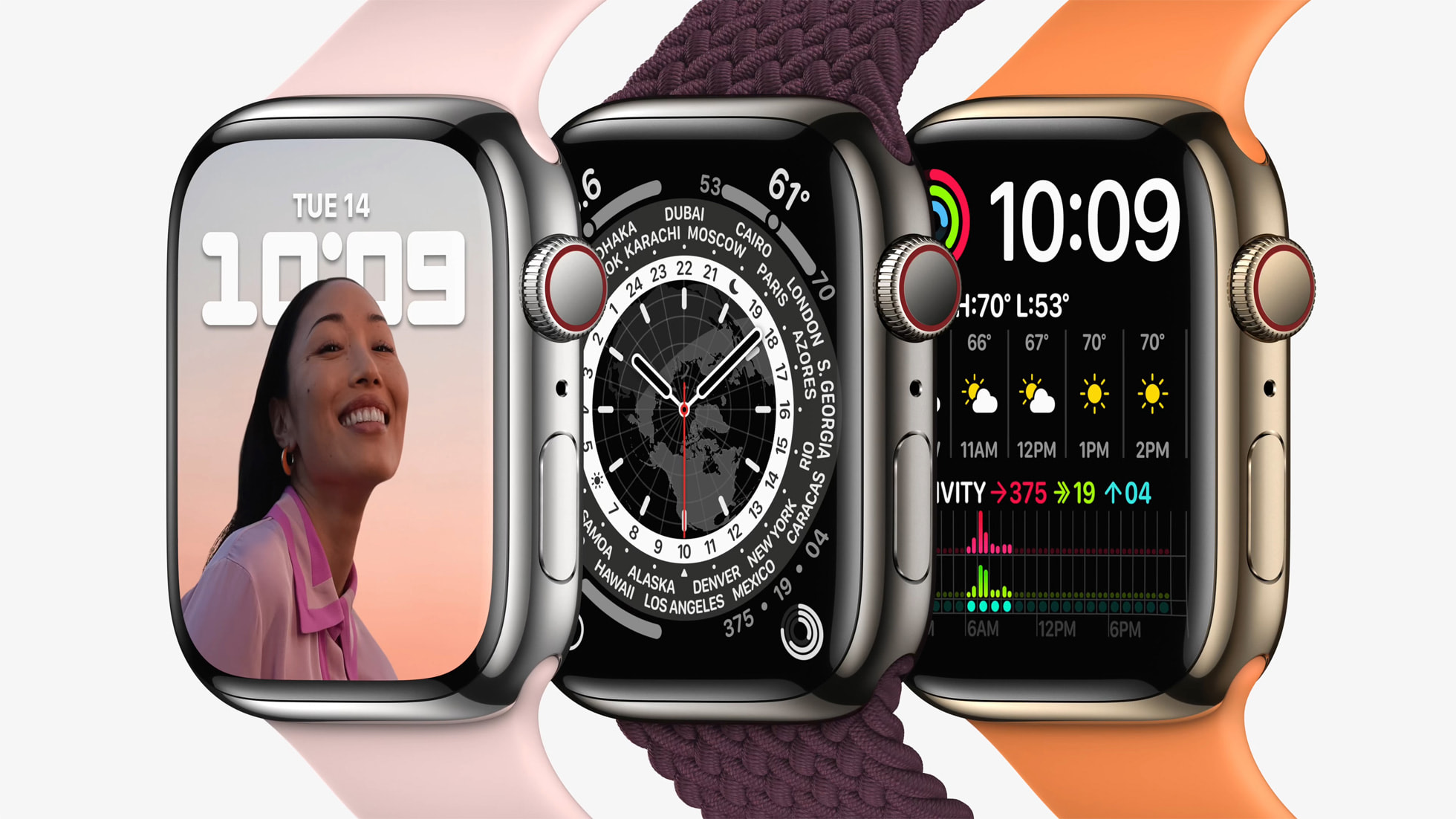
The Series 7 was the first to move away from the older 40mm/44mm chassis, adopting the 41mm/45mm sizing. This change wasn't just about a millimeter of metal; it was about the screen real estate. The bezels were reduced by 40%, allowing for nearly 20% more screen area than the Series 6 and over 50% more than the Series 3. In 2026, this screen still feels contemporary. When placed next to a Series 10, the Series 7 doesn't look ancient, which is a testament to how ahead of its time the design was.
Performance and the S7 SiP: Does it Still Run watchOS Smoothly?
At the heart of the Series 7 is the S7 System-in-Package (SiP). Technically, the S7 chip was a refined version of the S6 found in the previous model, focusing more on power efficiency and supporting the larger display rather than a raw leap in processing speed.
By 2026, the demands of watchOS have increased. Modern apps utilize more background refresh cycles, and system animations have become more complex. However, because Apple’s silicon performance remained relatively incremental between the Series 6, 7, and 8, the Series 7 still handles daily tasks with surprising fluidness.
Key Performance Factors in 2026:
- App Launch Times: You may notice a 1-2 second delay in heavier third-party apps compared to the latest S11 chip, but core apps like Messages, Workout, and Heart Rate remain responsive.
- watchOS Compatibility: Historically, Apple supports its watches for roughly five to six years. As of 2026, the Series 7 is likely entering its final one or two years of major OS updates. Potential buyers should be aware that while the watch works excellently today, it may stop receiving the latest features by 2027 or 2028.
- Haptic Feedback: The Taptic Engine in the Series 7 remains identical in quality to newer standard models, providing crisp, clear physical cues for notifications.
Design and Display: The "Big Screen" Legacy
The Always-On Retina display of the Series 7 was rated for up to 1,000 nits of brightness. While the Ultra series and more recent standard models have pushed this to 2,000 or even 3,000 nits, 1,000 nits is generally sufficient for outdoor visibility in all but the harshest direct sunlight.
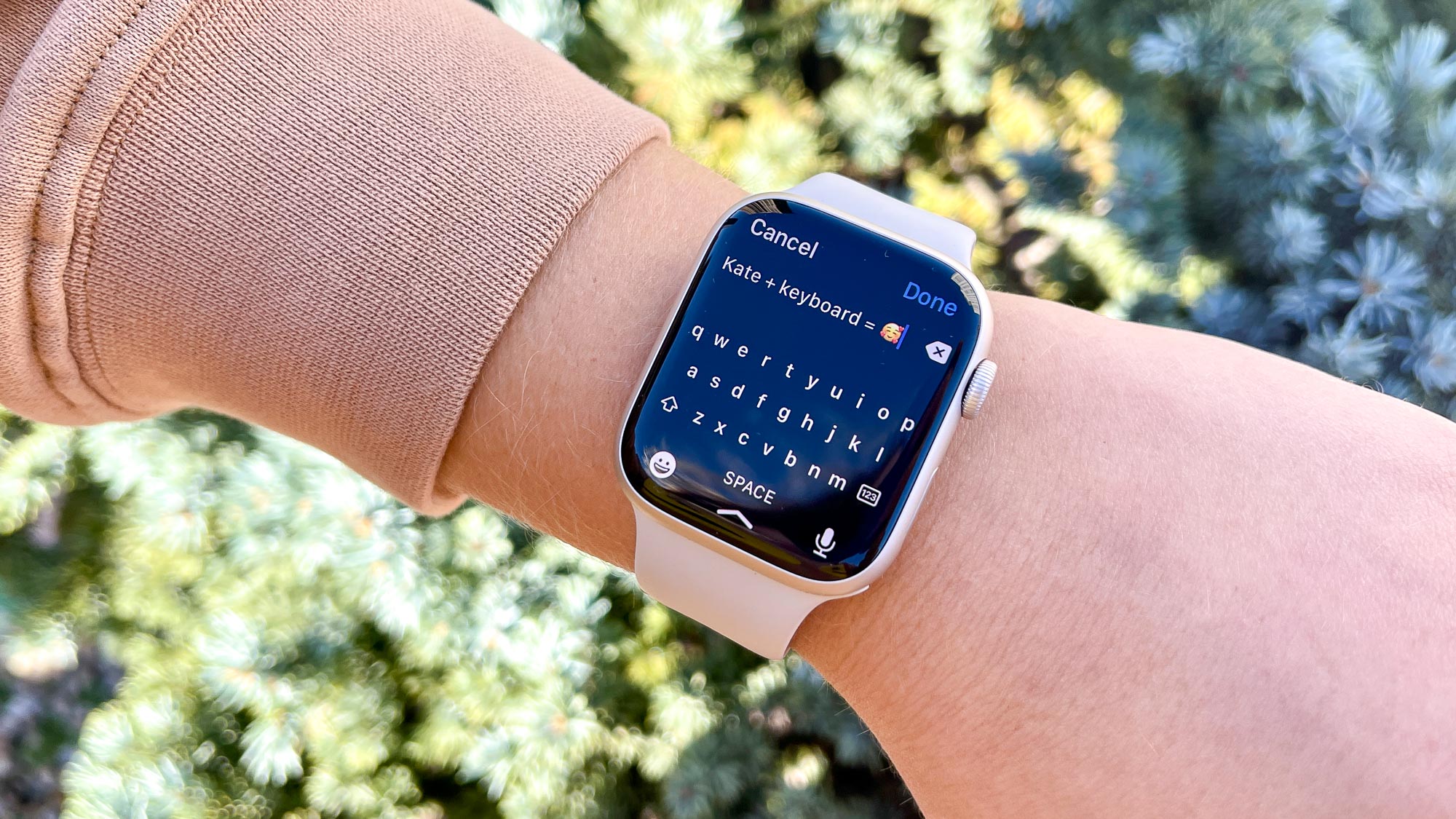
The Series 7 also introduced the "Full Keyboard" (QuickPath), allowing users to swipe or tap out messages on a QWERTY layout. This feature was a direct result of the increased screen size and remains one of the best reasons to choose a Series 7 over an older SE model, which lacks this native keyboard support.
Durability is another factor that holds up well in 2026. The Series 7 featured a more "crack-resistant" front crystal than previous iterations, along with an IP6X dust resistance rating. For users who work in dusty environments or enjoy hiking, this makes the Series 7 more rugged than the Series 6 or the original SE.
Health and Fitness Tracking Capabilities
For many, an Apple Watch is primarily a health tool. The Series 7 was fully loaded with Apple’s core health suite at the time of its release, and these sensors remain medically relevant in 2026.
- Blood Oxygen (SpO2): The Series 7 includes the sensor and app for measuring blood oxygen saturation. Note that due to legal disputes (such as those involving Masimo), some newer refurbished models sold in the U.S. might have this feature disabled, though most original Series 7 units still function normally.
- ECG (Electrocardiogram): The Series 7 is cleared by the FDA (and equivalent bodies globally) to take an ECG, which can detect signs of atrial fibrillation (AFib). This is a critical "Pro" feature that differentiates it from the SE line. Learn more about Apple's ECG feature here.
- Heart Rate Notifications: It supports high/low heart rate alerts and irregular rhythm notifications.
- Fall Detection: Fully integrated and capable of contacting emergency services if a hard fall is detected.
What is missing in 2026? The Series 7 does not have the temperature sensor (introduced in Series 8) used for advanced cycle tracking and ovulation estimates. It also lacks Crash Detection, which utilizes a high-g accelerometer found in newer models to detect severe car accidents.
Battery Life and Charging: The Critical 2026 Bottleneck
If there is a reason not to buy a Series 7 in 2026, it is the battery. Lithium-ion batteries are consumable components. A Series 7 that has been in use since 2021 will likely have a maximum capacity of 75% to 85% of its original charge.
The Fast Charging Advantage: One of the Series 7's standout features was its 33% faster charging compared to the Series 6. Using the Magnetic Fast Charging USB-C Cable, you can go from 0% to 80% in about 45 minutes. In 2026, this feature is a lifesaver. If you buy a used unit with a degraded battery, the ability to "top off" the charge quickly before a workout or before bed for sleep tracking mitigates the reduced total capacity.
Expected Battery Life in 2026:
- Original Condition: ~18 hours (Full day).
- Typical Used Condition (80% Health): ~12–14 hours. This usually requires a mid-day charge if you use GPS for workouts.
- Replacement Cost: Apple typically offers battery service for a fee (roughly $99 in many regions), which can effectively "reset" the watch's lifespan for several more years.
Comparing Series 7 to Modern Alternatives (2026 Market)
To understand if the Series 7 is "worth it," we must compare it to the options currently available on shelves and in the refurbished market.
| Feature | Apple Watch Series 7 | Apple Watch SE (2nd Gen) | Apple Watch Series 10/11 |
|---|---|---|---|
| Display Type | Always-On Retina | Standard Retina (No Always-On) | Always-On Retina (Wide-Angle) |
| Bezel Size | Slim (1.7mm) | Large (Legacy design) | Ultra-Slim |
| Charging Speed | Fast Charging supported | Standard Charging | Fast Charging (Improved) |
| ECG App | Yes | No | Yes |
| Blood Oxygen | Yes | No | Yes (Regional variations) |
| Chipset | S7 SiP | S8 SiP | S10/S11 SiP |
| Body Temperature | No | No | Yes |
| Crash Detection | No | Yes | Yes |
As the table illustrates, the Series 7 actually outperforms the Apple Watch SE in several categories, particularly regarding the display and health sensors. In 2026, a refurbished Series 7 often costs less than a brand-new SE, making it the superior choice for users who value the Always-On display and health monitoring over accident detection.
Pros and Cons of Buying a Series 7 Today
The Pros
- Modern Aesthetic: The slim bezels and large screen make it indistinguishable from newer standard models at a glance.
- Comprehensive Health Suite: Includes ECG and Blood Oxygen, features still reserved for "Series" and "Ultra" models.
- Durability: IP6X dust resistance and a thicker front crystal than older models.
- Fast Charging: Crucial for managing a used battery's lifestyle.
- Price: In 2026, it is widely available on the secondary market for a fraction of its original $399 MSRP.
The Cons
- Battery Degradation: Used units may struggle to last a full 24-hour cycle.
- Software Sunset: Approaching the end of its official watchOS update lifecycle.
- Lacks Latest Sensors: No temperature sensing or Crash Detection.
- Brightness: 1,000 nits is good, but pales in comparison to the 2,000+ nits of newer hardware.
Who Should (and Shouldn't) Buy the Apple Watch Series 7?
The Series 7 is worth it for:
- First-Time Users: People who want to try an Apple Watch without committing $400+.
- Value Seekers: Those who refuse to buy a watch without an Always-On display but don't want to pay for a Series 10/11.
- Upgraders from Series 3 or 4: The jump in screen size and speed will feel massive.
The Series 7 is NOT worth it for:
- Power Users: If you run 2-hour marathons with GPS and LTE, the 2026 battery life will fail you.
- Safety-Focused Users: If you want the peace of mind of Crash Detection, you must look at the Series 8 or newer.
- Longevity Hunters: If you want a watch that will definitely receive updates until 2030, you should buy a more recent model.
Common Pitfalls When Buying a Used Series 7
If you decide the Series 7 is the right choice for you in 2026, follow these guidelines to ensure a successful purchase:
- Check Battery Health: Always ask for the "Maximum Capacity" percentage in Settings > Battery > Battery Health. Anything below 80% will likely require a battery replacement soon.
- Verify Activation Lock: Ensure the previous owner has removed the device from their iCloud account. A "locked" Apple Watch is essentially a paperweight.
- Inspect the Screen: While crack-resistant, the Series 7 is not scratch-proof. Deep scratches on the screen can interfere with the touch interface and compromise water resistance.
- Confirm the Charging Cable: To get the fast-charging benefits, you must use the official Apple USB-C fast-charging puck. Third-party or older USB-A pucks will charge the Series 7 at much slower speeds.
Frequently Asked Questions
Does the Apple Watch Series 7 still support the latest watchOS in 2026?
Yes, the Series 7 is currently supported by watchOS versions released in 2026. However, it is likely nearing the end of its support cycle. While it will continue to function after updates stop, it will no longer receive new features or the latest security patches once it is officially "vintage" in Apple's eyes.
How does the Series 7 compare to the Apple Watch SE 2?
The Series 7 has a larger, Always-On display, faster charging, and advanced health sensors (ECG and Blood Oxygen). The SE 2 uses a slightly newer chip (S8) and includes Crash Detection, but lacks the premium display and health features. For most users, a refurbished Series 7 is a better value than an SE 2.
Is the Series 7 waterproof?
The Series 7 has a water resistance rating of 50 meters (WR50) under ISO standard 22810:2010. This means it is suitable for shallow-water activities like swimming in a pool or the ocean. It is not suitable for scuba diving or high-velocity water sports.
Can I replace the battery in an Apple Watch Series 7?
Yes. Apple and authorized service providers offer battery replacement services. In 2026, this is a highly recommended path if you find a Series 7 in good physical condition with a degraded battery, as it can extend the device's usability for several years.
Does the Series 7 have a keyboard?
Yes. The Series 7 was the first Apple Watch to feature a full on-screen QWERTY keyboard for typing out messages and emails, thanks to its larger screen and thinner bezels. This remains a significant advantage over smaller or older models.
Final Recommendation
In 2026, the Apple Watch Series 7 is worth it primarily as a budget-conscious alternative to the SE or the latest flagships. It provides the "modern" Apple Watch experience—defined by a large, Always-On display and fast charging—at a price point that makes it highly accessible. While buyers must be vigilant about battery health and accept that software updates will eventually cease, the hardware remains robust and the health sensors remain accurate. For those who want a premium-looking wearable for fitness tracking and connectivity without the 2026 flagship price tag, the Series 7 is a sophisticated, logical choice.