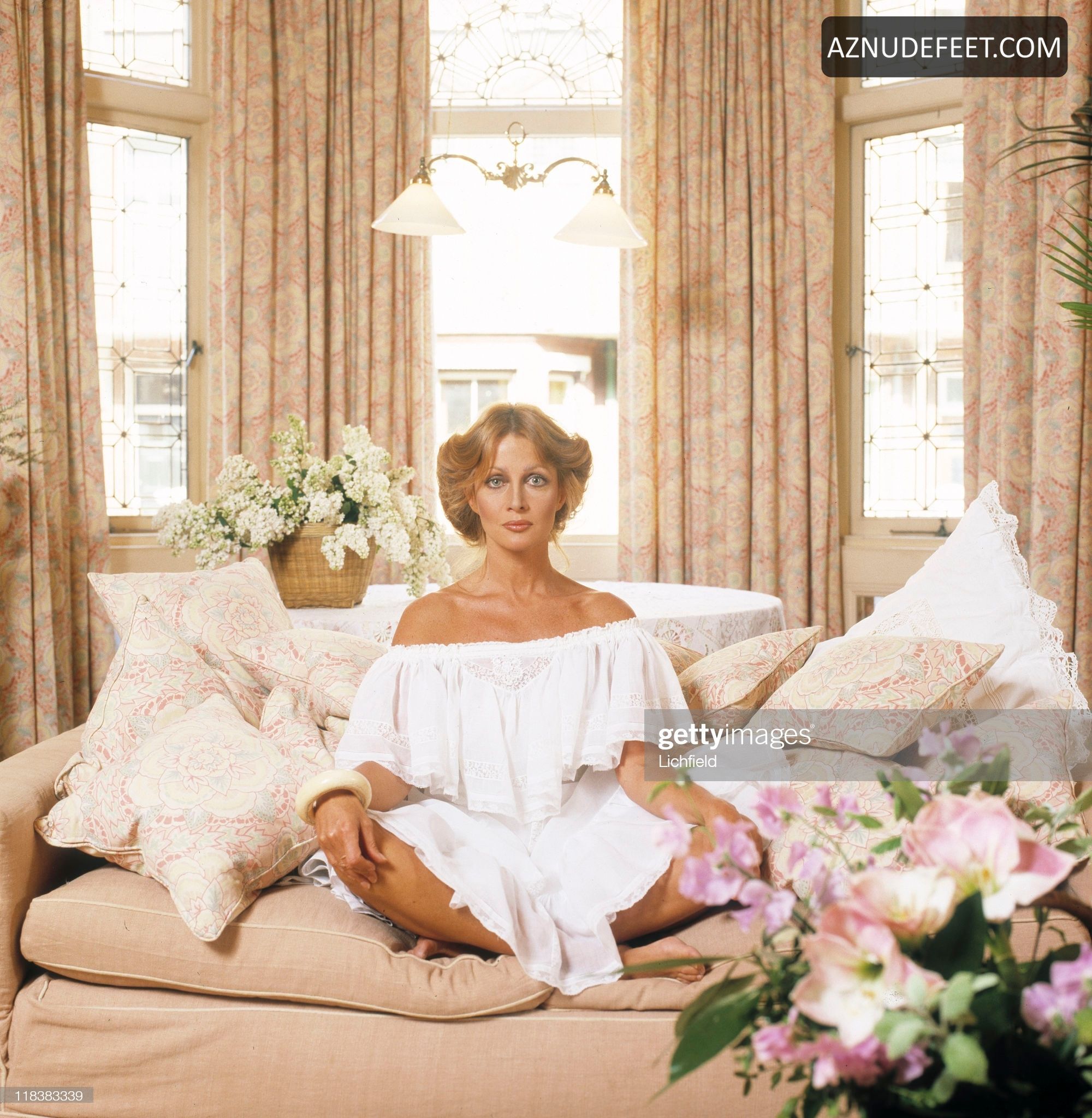
As of 2024, Lady Weinberg (professionally known as Anouska Hempel) possessed an estimated net worth between $10 million and $30 million (£8 million to £25 million). Her financial portfolio derives from pioneering the global boutique hotel industry, leading an international luxury architecture and design firm, high-profile real estate transactions, and her former career as a film and television actress.
Anouska Hempel Net Worth Overview: Financial Summary and Key Assets
Evaluating the net worth of Anouska Hempel requires examining a multi-decade career spanning public entertainment, property development, commercial hospitality, and global interior design. Unlike public corporate executives whose compensation is disclosed in regulatory filings, Hempel's financial estate is held largely through private holding entities, design practices, and high-value real estate holdings in the United Kingdom and abroad.
In addition to her independent commercial success, Hempel's wealth structure is interwoven with her marriage to Sir Mark Weinberg, a prominent financier and co-founder of major UK financial institutions including Hambro Life Assurance (Allied Dunbar) and St. James's Place plc. This strategic union combines significant capital holdings in financial services with premier real estate and design equity.
| Metric | Details |
|---|---|
| Estimated Net Worth (2024) | $10 Million – $30 Million (£8m – £25m) |
| Primary Wealth Drivers | Hospitality Sales, Design Consultancy |
| Key Property Transactions | Sale of The Hempel (£33m redevelopment) |
| Core Business Enterprise | Anouska Hempel Design |
| Marital Context | Married to Sir Mark Weinberg |
Disclaimer: Financial estimates for private individuals are based on public real estate filings, corporate registry data, historical property transactions, media licensing records, and industry valuation benchmarks. They represent calculated valuations rather than private bank balances.
The Four Pillars of Anouska Hempel’s Financial Estate
Anouska Hempel’s wealth generation spans four distinct phases and revenue streams: acting, boutique hotel development, corporate design consultancy, and residential real estate investment.
- Acting & Film
- Boutique Hospitality (Blakes Hotel & The Hempel)
- Global Design Practice (Anouska Hempel Design)
- Real Estate Portfolio (Private Estates & Redevelopment)
1. The Boutique Hotel Revolution (Blakes and The Hempel)
Hempel’s most significant contribution to hospitality and financial enterprise was the invention of the boutique hotel concept in the late 1970s. Prior to her projects, luxury hotels were dominated by standardized international chains.
- Blakes Hotel (South Kensington, London): Purchased and transformed by Hempel in 1978, Blakes Hotel set the global standard for dramatic, theatrical luxury accommodation. Featuring bespoke interiors, rare antiques, and dark, romantic aesthetics, Blakes attracted international celebrities, royalty, and high-net-worth travelers. The hotel yielded substantial operational cash flows for decades and established Hempel as a premier brand before its eventual equity monetization and ownership transfer.
- The Hempel Hotel (Bayswater, London): Opened in 1997, The Hempel presented a stark architectural contrast to Blakes. Built as a minimalist, Zen-inspired luxury hotel within converted Georgian townhouses, it became an architectural landmark. In 2013, the property was sold to British Land and Axcel Hospitality for £33 million, paving the way for its redevelopment into prime residential apartments and generating significant capital liquidity.
2. Anouska Hempel Design (Global Practice)
Following her success in hotel development, Hempel established Anouska Hempel Design, an international architectural, interior design, product, and landscape design studio. The firm operates at the highest tier of the global luxury market, commanding premium project fees and royalties across several sectors:
- Ultra-Luxury Hospitality: Designing iconic properties worldwide, including the Six Senses Duxton and Duxton Reserve in Singapore, Belmond La Residencia in Mallorca, and the Grosvenor House Suites on Park Lane, London.
- High-Fashion Retail: Commissioned by Bernard Arnault’s LVMH group to design flagship stores, including high-end retail environments for Louis Vuitton in Paris and London.
- Private Commissions: Designing mega-yachts (such as the 36-meter luxury yacht Beluga), private jet interiors, and residential estates for high-net-worth individuals across Europe, North America, and the Middle East.
Design studios operating at this global scale typically charge retainer fees, percentage-of-cost construction fees (often 10% to 15% of total capital expenditure), and ongoing licensing fees for branded products.
3. Acting Career Earnings and Royalties (1960s–1970s)
Before transitioning to architecture and design, Hempel enjoyed a lucrative career as a screen actress. Arriving in London from New Zealand in 1962, she established herself in British cinema and television during the 1960s and 1970s.
- Film Roles: Notable screen appearances include her role as an "Angel of Death" (Mona) in the James Bond classic On Her Majesty's Secret Service (1969), the Hammer Horror production Scars of Dracula (1970), The Go-Between (1971), and the title role in Tiffany Jones (1973).
- Television Contracts: Featured roles in cult television series such as Space: 1999, The Zodiac, and UFO.
While acting revenues do not account for the primary share of her modern net worth, her film and television career generated early investment capital that funded her initial ventures into London real estate and hotel acquisition during the late 1970s. Residual royalties from classic film distributions continue to contribute minor passive earnings.
4. High-Value Property Investments and Private Estates
Real estate equity forms a bedrock of Hempel's financial portfolio. Over five decades, Hempel and her husband, Sir Mark Weinberg, acquired, restored, and sold several historic properties in the United Kingdom:
- Cole Park (Wiltshire): A Grade II* listed manor house featuring historic moats, formal gardens, and extensive grounds, which served as a family residence and design showcase for decades before its disposition.
- Warbrook House (Hampshire): A restored Georgian mansion set within 120 acres of parkland, reflecting Hempel’s signature landscape architecture and design aesthetic.
- Prime London Townhouses: Strategic acquisitions in South Kensington, Bayswater, and Chelsea that underwent extensive architectural redesign and subsequent resale during periods of rapid London real estate appreciation.
Key Assets, Projects, and Financial Milestones
The table below outlines the primary commercial projects, real estate assets, and strategic milestones that have defined Anouska Hempel’s financial estate:
| Asset / Business Venture | Primary Category | Operating Era / Key Date | Financial & Strategic Impact |
|---|---|---|---|
| Blakes Hotel London | Commercial Real Estate / Hotel | Founded 1978; Operated multi-decades | Established the world's first boutique hotel concept; generated ongoing high-yield operational income. |
| The Hempel Hotel | Commercial Real Estate / Hotel | Opened 1997; Sold 2013 | landmark Zen-minimalist hotel sold for £33 million for residential conversion. |
| Anouska Hempel Design | Global Design Studio | 1980s – Present | Generates high-margin professional fees across luxury hotels, private yachts, and LVMH retail design. |
| Six Senses Duxton & Duxton Reserve | Commercial Design Project | Opened 2018–2021 | Major Asian hospitality design contract expanding brand footprint in Singapore's heritage sector. |
| Film & TV Portfolio | Entertainment / Royalties | 1969 – 1980s | Provided early investment capital from titles like On Her Majesty's Secret Service (1969). |
| Private Estate Transactions | Residential Real Estate | Multi-decade portfolio | Multi-million pound transactions involving landmark UK country estates (e.g., Cole Park, Warbrook House). |
Financial Analysis: Hotel Operations, Property Sales, and Returns
Understanding Hempel's wealth accumulation requires analyzing the business model of hotel property development and capital recycling.
- Acquisition of Undervalued Real Estate (e.g., Bayswater Townhouses)
- High-Concept Architectural Redesign & Luxury Positioning
- Premium Operating Revenues & High Room Rates
- Strategic Asset Divestment to Institutional Investors (£33m Sale)
The Blakes Hotel Blueprint
When Hempel acquired the Victorian properties on Roland Gardens in South Kensington to build Blakes Hotel in 1978, the micro-location was not yet the high-value real estate hub it is today. By combining theatrical interior design with bespoke luxury services, Hempel created a destination that commanded room rates far above the regional average.
By establishing a strong brand identity, Blakes maintained high occupancy rates among affluent travelers. This operational success proved that design-led micro-hotels could out-perform traditional grand hotels on a revenue-per-available-room (RevPAR) basis, establishing substantial asset value for Hempel and her co-investors.
The Hempel Liquidation Strategy
The development of The Hempel in Bayswater during the mid-1990s demonstrated a similar value-creation strategy. Converted from five Georgian townhouses, the property gained international acclaim for its theatrical minimalism.
By 2013, as central London residential real estate prices surged, the property’s site value for residential redevelopment eclipsed its ongoing hotel yield. The £33 million sale to British Land and Axcel Hospitality represented a strategic exit, liquidating real estate equity while freeing capital for pure-fee design services that carry lower capital requirements and operating risks.
Strategic Synergies: Marital Assets and Sir Mark Weinberg
Anouska Hempel’s financial position cannot be separated from her partnership with Sir Mark Weinberg, whom she married in 1980. Sir Mark is one of the United Kingdom's most successful financial entrepreneurs of the late 20th century.
Sir Mark Weinberg (Financial Entrepreneur) and Anouska Hempel (Luxury Designer/Hotelier)
- Joint Wealth Portfolio:
- Financial Services Equity (St. James's Place)
- High-Value Real Estate Holdings
- Private Holding Entities & Capital Reserves
- Joint Wealth Portfolio:
St. James's Place plc: Sir Mark co-founded J. Rothschild Assurance Group (which became St. James's Place plc) in 1991 alongside Lord Rothschild. Today, St. James's Place is an FTSE 100 wealth management giant managing over £150 billion in client assets.
Hambro Life & Allied Dunbar: Sir Mark previously co-founded Hambro Life Assurance in 1971, which was later acquired and rebranded as Allied Dunbar, securing his position as a leader in British financial services.
The combined assets of Hempel and Weinberg create a resilient financial foundation. While Hempel’s commercial endeavors in design and hospitality operate as independent revenue generators, the combined household estate benefits from asset diversification across financial services equity, wealth management funds, and premier international real estate.
Business Continuity and Corporate Structure
In the luxury architectural sector, mature firms transition from capital-intensive property ownership to high-margin intellectual property (IP) licensing and design consultancy. Anouska Hempel Design follows this lean operational structure:
- Anouska Hempel Design Enterprise:
- Architecture & Interior Design: Retainer & Construction Fees
- Landscaping & Exterior Styling: Master Planning Contracts
- Product & Couture Licensing: Product Royalty Streams
- Brand Equity & Consultancy: Fixed Brand Advisory Fees
- Low Capital Expenditure: By focusing on design consultancy rather than property ownership, the firm avoids heavy debt service and maintenance costs.
- High-Margin Fee Structures: High-end architectural and interior design firms command fixed design retainers alongside percentage-of-spend fees on total build costs.
- Global Diversification: Projects across Western Europe, the Middle East, and Southeast Asia shield the design studio from regional economic downturns.
Frequently Asked Questions
What is Anouska Hempel’s net worth?
As of 2024, Anouska Hempel’s estimated net worth was between $10 million and $30 million (£8 million to £25 million). This estimate reflects her earnings from global hospitality developments, architectural design contracts, property transactions, and commercial brand licensing.
How did Anouska Hempel build her fortune?
Hempel built her fortune through four main channels: her early career as an actress, founding and operating landmark boutique hotels (Blakes and The Hempel), running the global studio Anouska Hempel Design, and strategic real estate investments in London and the UK countryside.
How much was The Hempel Hotel sold for?
The Hempel Hotel in Bayswater, London, was sold in 2013 for £33 million to British Land and Axcel Hospitality. The site was subsequently redeveloped into luxury residential apartments.
Who is Anouska Hempel married to, and how does it affect her wealth profile?
Anouska Hempel has been married to South African-born British financier Sir Mark Weinberg since 1980. Sir Mark co-founded Hambro Life Assurance (Allied Dunbar) and St. James's Place plc. Their combined household assets include substantial holdings in financial services, private equity, and real estate.
Is Anouska Hempel still active in luxury design?
Yes. Anouska Hempel Design remains active globally, taking on selective architectural, interior, landscaping, and luxury product design commissions for high-net-worth private clients, boutique hotel developers, and global luxury brands.
Summary and Key Takeaways
Anouska Hempel’s financial estate represents a model of creative talent driving long-term commercial value. From her early work on screen to creating the boutique hotel model and operating an international architecture studio, Hempel has converted design expertise into lasting wealth.
- Pioneer Status: Blakes Hotel proved that luxury design could yield higher profit margins than standardized hotel operations.
- Asset Monetization: The strategic £33 million sale of The Hempel demonstrated an ability to liquidate commercial real estate at market peaks.
- Low-Risk Revenue: Anouska Hempel Design provides high-margin, low-risk cash flow through design retainers and project fees.
- Combined Estate Strength: Her marriage to Sir Mark Weinberg reinforces a secure financial base supported by UK financial services equity.
Next Action for Business Leaders and Designers: To study the financial structures behind creative industries, examine how luxury designers transition from capital-heavy real estate ownership to high-margin intellectual property licensing and professional service retainers.