To improve your writing and avoid repetition, you can replace "incorporating" with synonyms like integrate, synthesize, weave, assimilate, or consolidate. The ideal choice depends on your specific context—whether you are blending creative themes, merging technical data, or including external research into an academic argument to enhance clarity and precision.
Precision in vocabulary is a hallmark of sophisticated writing. In 2026, as AI-assisted drafting and automated editing tools have become standard, the human ability to select the exact right word to convey nuance is more valuable than ever. Using the word "incorporate" repeatedly can make a text feel mechanical or bureaucratic. By diversifying your word choice, you not only improve the flow of your prose but also signal a deeper understanding of the relationship between the ideas you are connecting.
Understanding the Nuance of "Incorporating"
Before selecting a replacement, it is essential to understand what "incorporating" actually does in a sentence. At its core, the word implies taking something from the outside and making it part of a larger whole. However, the way that thing is added matters. Is it being dropped in as an addition, or is it being fundamentally changed to blend with the rest of the work?
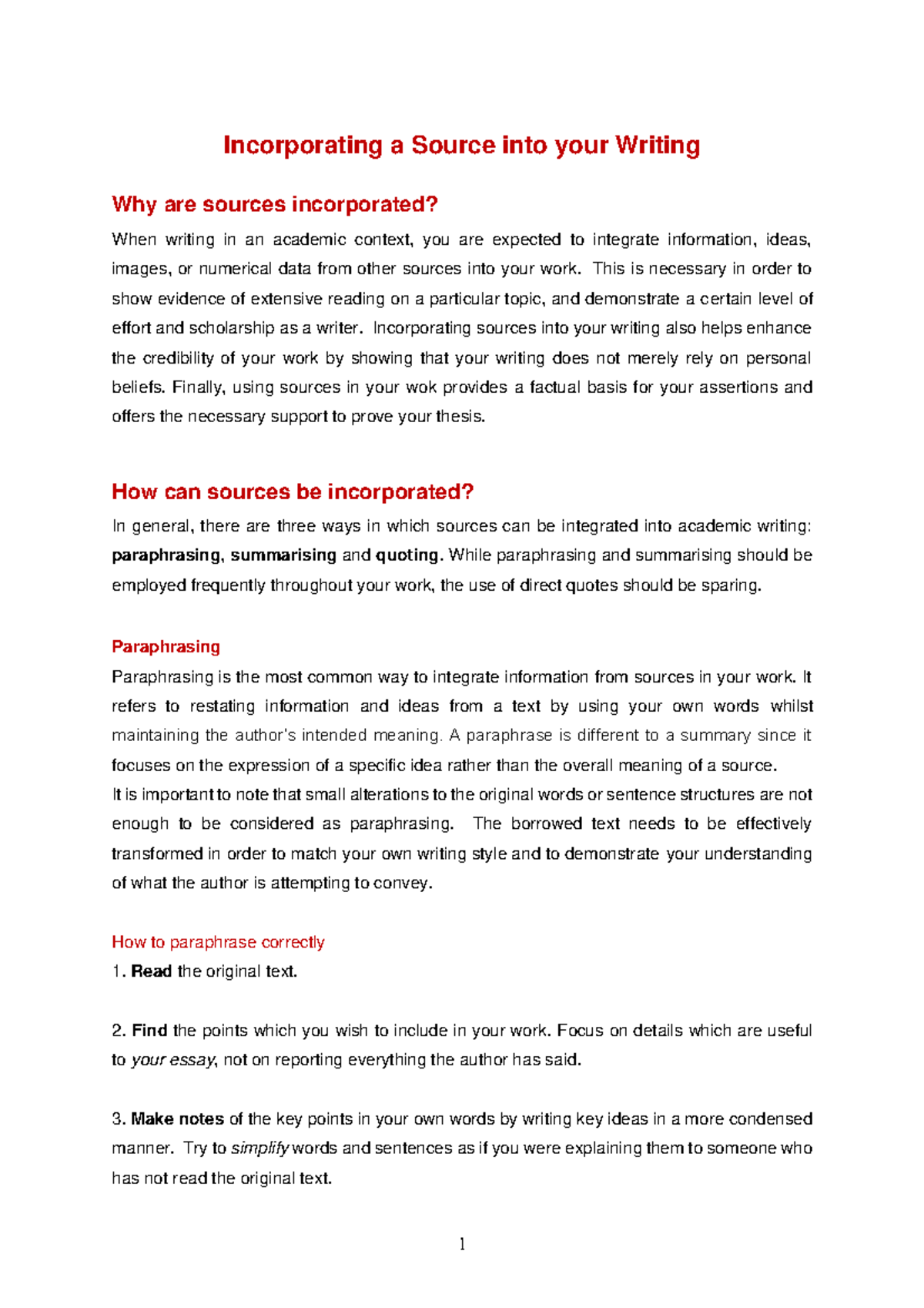
In professional and academic spheres, the distinction between "adding" and "incorporating" is the difference between a list and a cohesive narrative. When you incorporate a source into a research paper, you aren't just quoting it; you are weaving it into your logic. When a company incorporates a new policy, it becomes part of the corporate identity. Identifying the specific "flavor" of incorporation you intend is the first step toward finding a superior synonym.
Academic and Analytical Synonyms
In research, scholarly articles, and technical reports, "incorporating" often refers to the use of data or external theories. In these contexts, you want words that suggest intellectual rigor and systemic cohesion.
1. Synthesize
Synthesis is perhaps the most powerful alternative in academic writing. It goes beyond mere inclusion. To synthesize means to combine multiple elements to form a new, complex whole. If you are writing a literature review, you don't just incorporate different authors' views; you synthesize them to show where they agree, disagree, and how they collectively support your thesis.
2. Integrate
To integrate suggests a seamless blending. While "incorporate" can sometimes feel like an attachment, "integrate" implies that the new element is now functional within the system. In a technical manual, you might talk about integrating a new software module into an existing framework, suggesting that the two now work in tandem.
3. Subsume
This is a more specialized term often used in logic, philosophy, and high-level legal writing. To subsume means to include or absorb something into something else that is more general or inclusive. For example, "Individual grievances were subsumed into a broader class-action lawsuit." It implies a hierarchy where the smaller part becomes a component of the larger category.
4. Assimilate
Common in social sciences and biology, to assimilate means to absorb and fully digest information or ideas. In writing, you might say a character "assimilated the local customs," or a researcher "assimilated the findings of the previous decade." It suggests a deep level of processing where the new material is no longer distinct from the original body of work.
Creative and Narrative Alternatives
Creative writing requires words that evoke imagery and movement. In fiction, essays, or descriptive prose, "incorporating" often sounds too clinical. Instead, you should look for terms that describe how themes, characters, or descriptions are physically or emotionally layered.
5. Weave
One of the most evocative synonyms, to weave suggests an intricate, careful process of blending. You might weave a recurring motif throughout a novel or weave historical facts into a fictional narrative. It implies craftsmanship and a delicate touch, suggesting that the added element is essential to the "fabric" of the story.
6. Infuse
If you want to suggest that an element has spread through every part of your writing, use infuse. "She infused her prose with a sense of melancholy" sounds far more intentional and atmospheric than "She incorporated melancholy into her prose." Infusion suggests a permeation, like tea leaves in water, where the entire work takes on the quality of the added element.
7. Interlace and Intertwine
These words are perfect for describing complex relationships between plot lines or arguments. To interlace or intertwine suggests that two or more things are wrapped around each other. This is particularly useful when discussing how personal experiences influence professional accomplishments in a biography or profile.
8. Imbue
Similar to infuse, to imbue is to inspire or permeate with a feeling or quality. It is often used in the context of values or emotions. A writer might imbue a setting with a sense of dread. It carries a more "spiritual" or intrinsic weight than the more structural word "incorporate."
Business and Technical Terminology
In the corporate world of 2026, efficiency and clarity are paramount. Business writing often deals with the merging of departments, the inclusion of new data points, or the adoption of new strategies.
9. Consolidate
When you are bringing several things together to make them stronger or more efficient, consolidate is the preferred term. Instead of "incorporating our various offices," you would "consolidate our operations." It implies a reduction of waste and a strengthening of the whole.
10. Amalgamate
This is a formal term often used in finance or organizational restructuring. To amalgamate is to combine or unite to form one organization or structure. It is more clinical than "merge" and is often used in legal or official capacities to describe the joining of distinct entities.
11. Codify
If you are incorporating rules or principles into a formal system, you are codifying them. This is common in legal writing or when establishing company SOPs (Standard Operating Procedures). "The new safety protocols were codified into the employee handbook."
12. Centralize
When the act of incorporating is about bringing things to a single point of control, centralize is the most accurate choice. It describes a structural change where disparate parts are brought under a single umbrella for better management.
Comparing Synonyms by Context and Tone
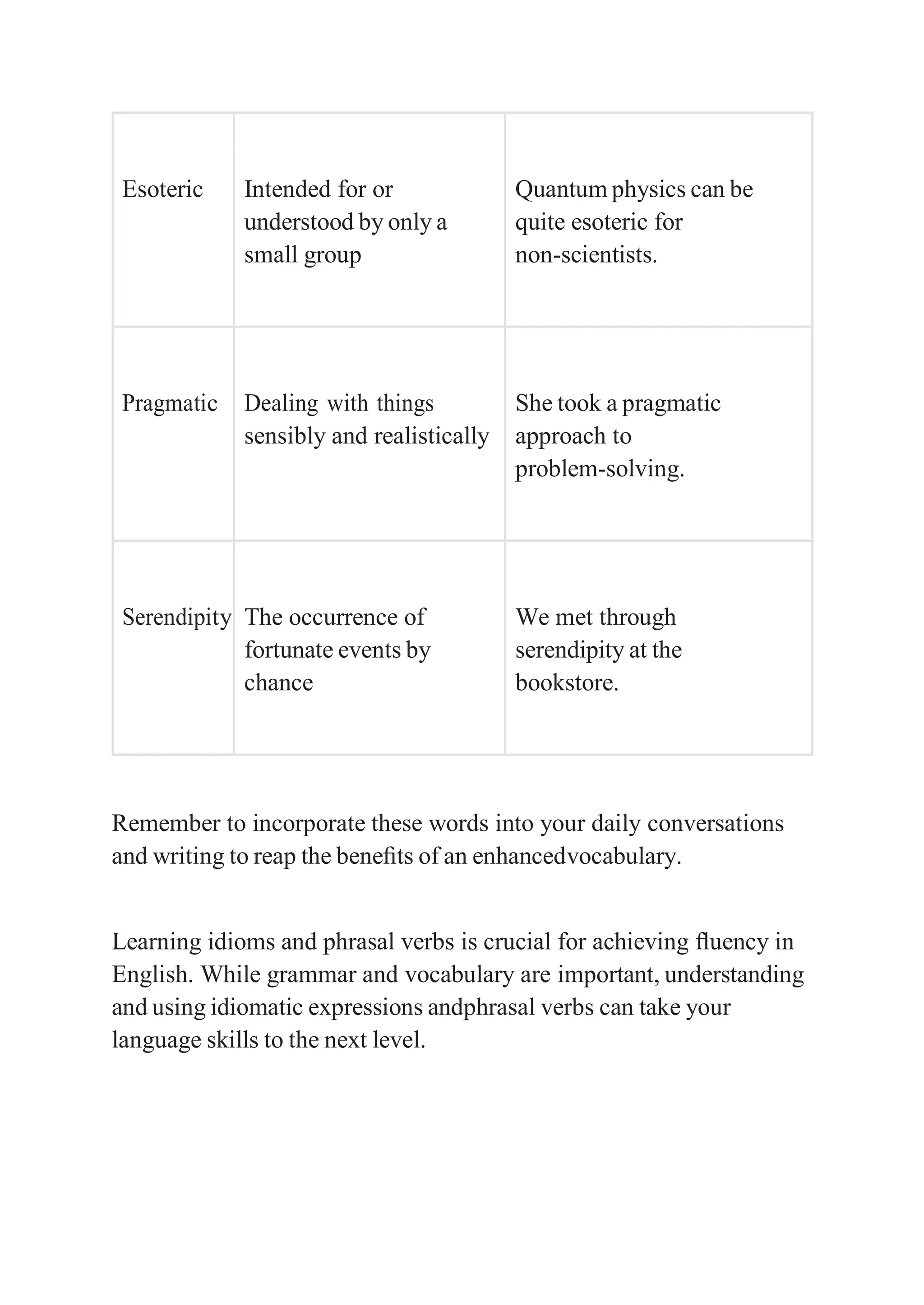
Choosing the right word is often a matter of matching the tone of your piece with the intensity of the "joining" action. The table below provides a quick reference for selecting a replacement for "incorporating" based on your specific needs.
| Context | Recommended Synonym | Nuance/Implication | Example Usage |
|---|---|---|---|
| Academic | Synthesize | Combining elements to create new meaning. | "The study synthesizes decades of climate data." |
| Creative | Weave | Intricate, artistic blending of themes. | "The author weaves folklore into the modern setting." |
| Technical | Embed | Inserting something firmly into a structure. | "The code embeds a tracking pixel in the header." |
| Business | Consolidate | Merging to improve efficiency or strength. | "We will consolidate our marketing efforts next quarter." |
| Legal | Subsume | Including a smaller part into a broader category. | "The new statute subsumes all previous regulations." |
| General | Encompass | To include widely or comprehensively. | "The report encompasses all aspects of the project." |
| Educational | Assimilate | Deeply absorbing and understanding material. | "Students must assimilate the core concepts of algebra." |
Stylistic Pitfalls: When to Avoid Fancy Synonyms
While variety is important, there is a risk of "thesaurus-itis"—the tendency to choose the most complex word possible just to avoid repetition. In 2026, the best writing remains invisible; the reader should focus on your ideas, not your vocabulary.
The Problem with Over-Precision
Sometimes, "incorporate" is exactly the right word. If you are describing a standard procedure where one thing is simply added to another without much fanfare, using a word like "synthesize" would be inaccurate and distracting. Synthesis requires a transformation; if you just added a chart to a report, you didn't "synthesize" the chart—you included it or integrated it.
Matching the Subject and Verb
Ensure the synonym you choose matches the subject. You "weave" a story, but you don't "weave" a spreadsheet. You "consolidate" debt, but you don't "consolidate" a character's personality (unless you are describing a very specific psychological process). Always read the sentence aloud to ensure the metaphorical weight of the synonym fits the literal subject matter.
Practical Steps to Diversify Your Vocabulary
Improving your word choice is a skill that can be developed through deliberate practice. Here are three methods to help you move away from overusing "incorporate."
- The "Verb Swap" Exercise: During your first revision, highlight every instance of "incorporate" or "incorporating." For each one, determine if the action is about adding, blending, merging, or transforming. Select a synonym that matches that specific action.
- Contextual Reading: Read high-quality journals in your specific field (e.g., Nature for science, The Harvard Business Review for management). Pay close attention to how they describe the act of bringing ideas together. You will likely see "integrate" and "synthesize" used far more frequently than "incorporate."
- Reverse Dictionary Lookups: If you have a specific "vibe" in mind but can't find the word, use a reverse dictionary tool. Instead of looking for synonyms of "incorporate," look for definitions like "to blend themes artistically." This will lead you to "weave" or "interlace."
Common Mistakes in Word Replacement
When replacing "incorporating," writers often fall into the trap of using words that sound similar but have different logical implications.
- Including vs. Incorporating: To "include" is a passive state; a list includes items. To "incorporate" is an active process; you incorporate an item into the list. If the action is simple and lacks complexity, "include" or "add" is often better than trying to force a more complex synonym.
- Comprising vs. Incorporating: "Comprise" means to be composed of. A whole comprises its parts. You don't "comprise" a new idea into a paper; you incorporate the idea so that the paper now comprises that idea. This is a common grammatical error in professional drafting.
- Merging vs. Incorporating: "Merging" usually implies two things of equal status coming together. "Incorporating" usually implies a larger thing absorbing a smaller thing. Use "merge" for two companies of equal size and "incorporate" (or "acquire") when a giant buys a startup.
Frequently Asked Questions
What is the best synonym for "incorporating" in a resume?
In a resume, you want action verbs that demonstrate impact. Instead of saying you were "incorporating new software," use integrated, implemented, or pioneered. If you brought teams together, use consolidated or unified. These words suggest a proactive role rather than a passive task.
Can "incorporate" and "integrate" be used interchangeably?
While they are close synonyms, they are not always interchangeable. "Incorporate" often suggests making something part of a legal body or a physical structure. "Integrate" focuses more on the functional harmony between the parts. You incorporate a business, but you integrate a new employee into a team.
Is "assimilate" a good word for business writing?
"Assimilate" can be used in business, particularly when discussing corporate culture or learning new systems. However, be cautious of its sociological connotations regarding cultural assimilation, which may carry unintended negative weight in diverse environments. In most business contexts, "integrate" or "onboard" is safer and more precise.
How do I choose between "synthesize" and "amalgamate"?
Use synthesize when the combination of parts creates a new idea, theory, or understanding (conceptual). Use amalgamate when you are physically or legally combining two or more distinct entities into one (structural). You synthesize research; you amalgamate credit unions.
What is a more casual word for "incorporating"?
In casual writing or emails, "incorporating" can sound stiff. Better alternatives include adding, bringing in, mixing in, or putting together. For example, "I'm adding your feedback into the final draft" is more natural than "I am incorporating your feedback."
When should I use "embody" instead of "incorporate"?
Use embody when a physical object or a person represents an abstract idea. "The new design embodies our commitment to sustainability." "Incorporate" would be used if the design physically included sustainable materials: "The design incorporates recycled plastic."
Final Recommendation
When searching for another word for "incorporating" in your writing, your first priority should be clarity over complexity. For academic work, lean toward synthesize or integrate to show intellectual depth. For creative projects, use weave or infuse to enhance the narrative texture. For business communications, prioritize consolidate or codify to project authority and efficiency. By matching the synonym to the specific "action" of the inclusion, you ensure your writing remains sharp, engaging, and professional in any 2026 medium.