As a privately held subsidiary of The Anschutz Corporation, Anschutz Entertainment Group (AEG) does not publish public balance sheets, but leading industry analysts estimate enterprise valuation between $10 billion and $15 billion. Founder and sole owner Philip Anschutz maintains a personal net worth exceeding $15 billion, largely underwritten by AEG's vast global network of sports franchises, premier entertainment venues, real estate developments, and live event promotions.
Understanding AEG's Financial Structure: Corporate Valuation vs. Owner Net Worth
To evaluate the financial standing of Anschutz Entertainment Group, it is essential to distinguish between the net worth of its owner, Denver billionaire Philip Anschutz, and the estimated enterprise value of AEG as a corporate entity. Because AEG operates as a private company under parent entity The Anschutz Corporation, it is not required to file annual 10-K financial disclosures with the U.S. Securities and Exchange Commission (SEC). Consequently, public assessments rely on institutional valuation models, private equity benchmarks, comparative revenue multiples, and real estate appraisals.
Philip Anschutz's total net worth—frequently estimated by wealth trackers such as Forbes and the Bloomberg Billionaires Index at $15 billion to $17 billion—encompasses diverse holdings across energy, telecommunications, agriculture, and commercial real estate, alongside his 100% equity stake in AEG. AEG constitutes the largest individual growth engine within Anschutz's broader portfolio.
Evaluating AEG's net worth requires assessing its enterprise value (EV), which measures the total value of its operating divisions minus outstanding corporate debt. Unlike standard public corporations evaluated strictly by market capitalization, AEG's capitalization rests on tangible asset backing, including direct ownership or long-term leasehold control over some of the world's highest-grossing sports arenas, real estate complexes, and live entertainment production companies.
Core Assets and Business Divisions Driving AEG's Valuation
AEG operates through four primary business units that function in an integrated ecosystem. Revenue generated by one segment, such as live music promotion, directly supports and feeds into others, such as venue operations, concessions, and digital ticketing.
1. AEG Presents & Live Event Promotion
AEG Presents stands as the second-largest live music and concert promotion company in the world, trailing only Live Nation Entertainment. A significant portion of AEG’s enterprise value is anchored in this division, which owns, operates, or partners with premier music festivals and promotion brands.
- Goldenvoice: The live music division acquired by AEG in 2001 produces flagship events including the Coachella Valley Music and Arts Festival and the Stagecoach Festival. Coachella alone regularly generates over $100 million in gross revenue per year across its two weekends, delivering extraordinary profit margins through ticket sales, sponsorships, luxury VIP packages, and merchandise.
- Global Touring & Festivals: AEG Presents produces worldwide tours for major global recording artists, managing regional offices across North America, Europe, and Asia.
- Operating Venues: Beyond festivals, AEG Presents operates, books, or owns dozens of legendary music halls, including the Red Rocks Amphitheatre (operating contract), the Ryman Auditorium, and the Webster Hall network.
2. Real Estate and Venue Infrastructure (AEG Real Estate & Facilities)
Real estate asset backing provides AEG with a capital foundation that distinguishes it from pure event-promotion companies. Real estate valuation contributes significantly to the enterprise worth of the group.
- Crypto.com Arena & L.A. LIVE (Los Angeles, CA): Formerly known as Staples Center, Crypto.com Arena is one of the highest-earning arenas globally. AEG owns the arena and developed the surrounding 4-million-square-foot L.A. LIVE entertainment district, which includes the Peacock Theater, the JW Marriott and Ritz-Carlton hotel complex, television studios, and high-density commercial retail spaces.
- The O2 Arena (London, UK): Located inside the former Millennium Dome, The O2 is consistently among the world's busiest music arenas by annual ticket volume. AEG holds the long-term leasehold and operational rights to the entire complex, turning a historically underperforming civic structure into a multibillion-dollar commercial destination.
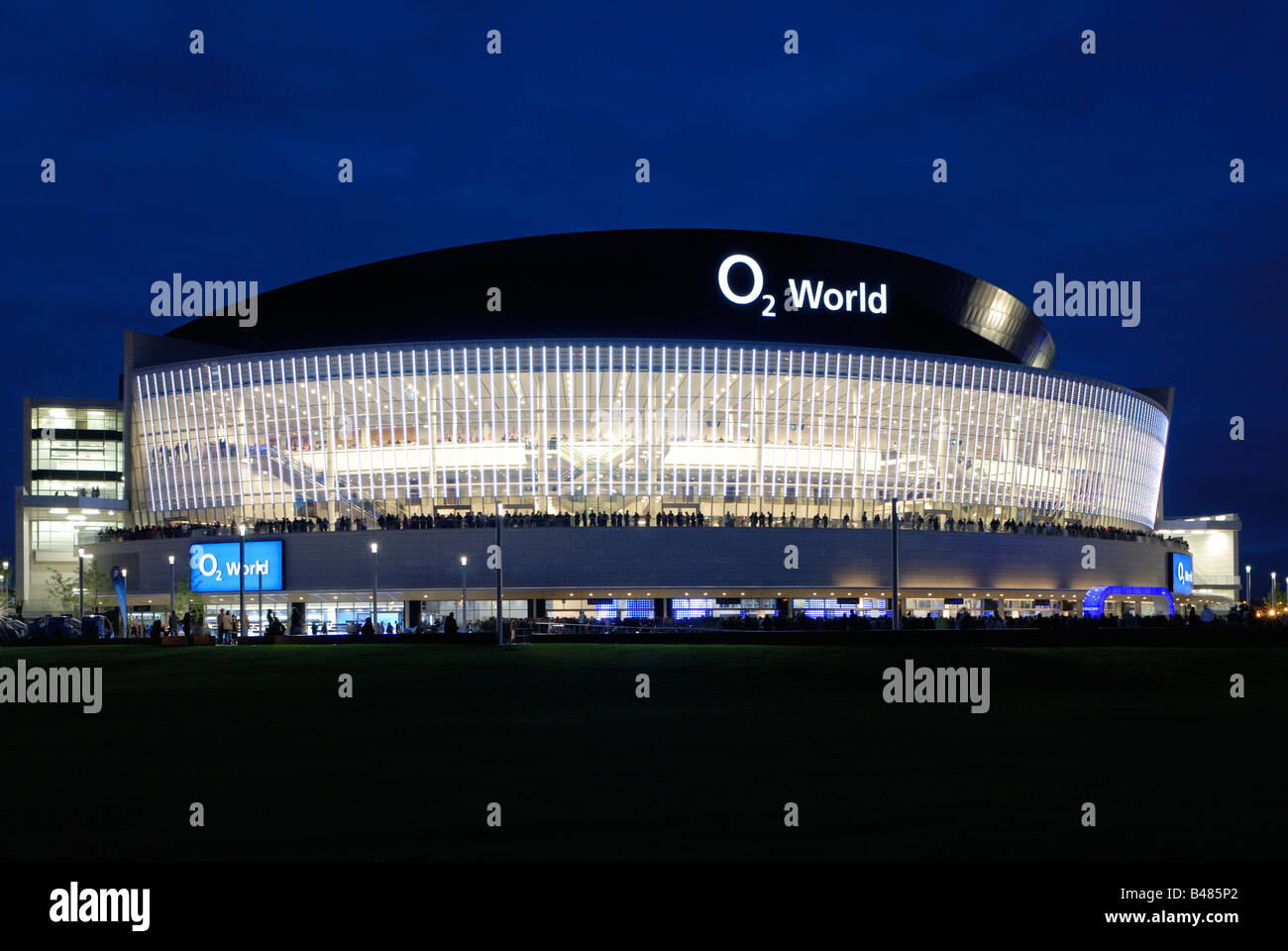
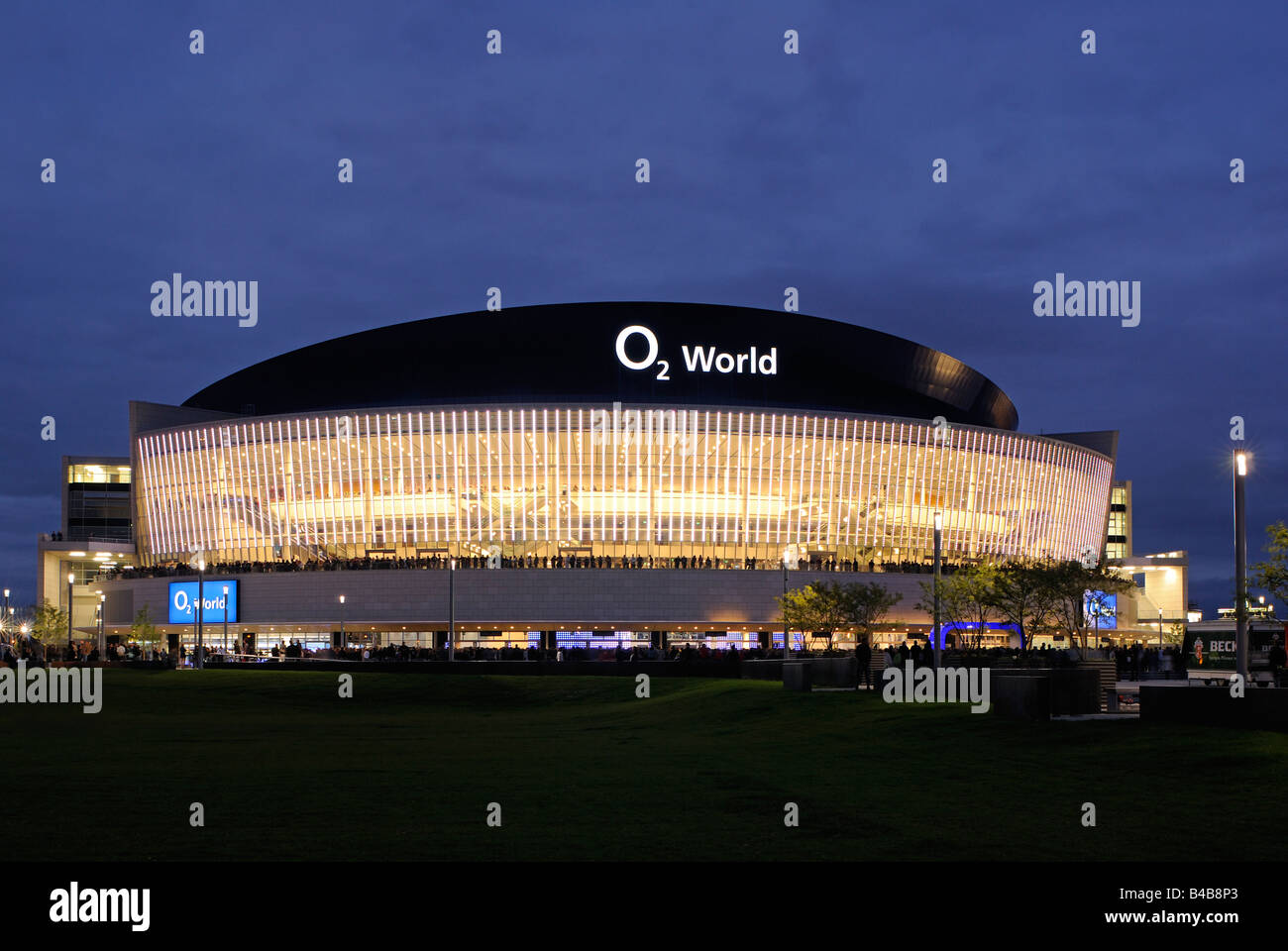
- Uber Arena & Uber Platz (Berlin, Germany): Formerly the Mercedes-Benz Arena, this multi-purpose facility and surrounding commercial plaza demonstrate AEG’s expansion strategy across major European metropolitan hubs.
- Barclays Arena (Hamburg, Germany) and Barclays Center Management: AEG manages or owns equity stakes in major facilities across Europe, Australia, and South America, maintaining operational footprint over more than 300 venues globally through its venue management arms.
3. AEG Sports (Franchise Holdings & Operational Control)
Sports franchise valuations have escalated dramatically, significantly inflating AEG’s underlying net asset value.
- Los Angeles Kings (NHL): Anschutz purchased the LA Kings in 1995 for approximately $113 million. Independent sports valuations place the franchise's enterprise value well above $1.5 billion to $2.0 billion, fueled by media rights, arena operating revenues, and brand equity.
- LA Galaxy (MLS): Anschutz was a founding investor in Major League Soccer, at one point owning up to six MLS teams simultaneously to keep the league solvent during its formative years. AEG consolidated its holdings to focus primarily on the LA Galaxy. Valuation models value the team at $900 million to $1.1 billion, driven by Dignity Health Sports Park ownership and commercial rights.
- European Ice Hockey & Sports Properties: AEG maintains direct ownership or controlling stakes in European sports franchises, including Eisbären Berlin (DEL hockey).
- Historical Realizations (LA Lakers Stake Sale): AEG historically held a 27% minority stake in the NBA’s Los Angeles Lakers, alongside long-term arena tenancy rights. In 2021, AEG sold its minority Lakers stake to investors Todd Boehly and Mark Walter at an enterprise valuation reported near $5 billion, yielding over $1.35 billion in cash liquidity that Anschutz and AEG redeployed into debt service and real estate expansion.
4. Ticketing and Digital Infrastructure (AXS)
To capture vertical revenue throughout the customer lifecycle, AEG founded AXS in 2011 in partnership with Outbox Enterprises. AXS serves as the primary ticketing platform for AEG-owned and third-party venues, processing tens of millions of tickets annually.
By handling primary sales, secondary market resales, and digital identity access management, AXS allows AEG to retain ticketing fee revenue that would otherwise accrue to third-party distributors like Ticketmaster. Industry comparative metrics value standalone software and ticketing networks at substantial multiples of EBITDA, adding over $1 billion in incremental enterprise value to AEG's overall footprint.
Breakdown of Key AEG Assets and Valuations
The table below outlines estimated enterprise values and primary operational activities for major business components under the AEG corporate umbrella:
| Asset / Business Division | Primary Asset Type | Location / Scope | Estimated Valuation Range | Primary Revenue Drivers |
|---|---|---|---|---|
| Crypto.com Arena & L.A. LIVE | Real Estate / Venue Infrastructure | Los Angeles, California | $2.5B – $3.5B | Naming rights, premium suites, commercial leases, concessions |
| Los Angeles Kings (NHL) | Professional Sports Franchise | Los Angeles, California | $1.5B – $2.0B | Broadcast rights, ticket sales, league revenue sharing, sponsorships |
| AEG Presents & Goldenvoice | Live Event Production & Festivals | Global (Headmarket: USA) | $3.0B – $4.5B | Ticket fees, corporate festival sponsorships, artist touring contracts |
| The O2 Arena & District | Real Estate / Venue Management | London, United Kingdom | $1.2B – $1.8B | Ticket volume fees, venue naming rights, retail space leasing |
| LA Galaxy (MLS) | Professional Sports Franchise | Carson, California | $900M – $1.1B | Stadium operations, player transfers, MLS corporate sponsorships |
| AXS Ticketing Platform | Digital Infrastructure & Software | Global Distribution | $1.0B – $1.5B | Convenience fees, primary/secondary ticket processing software |
Note: Valuations represent estimated enterprise figures based on market transactions, real estate comps, and industry multiples. Private market valuations fluctuate based on broader capital market conditions.
Financial Mechanics: How AEG Generates and Protects Capital
AEG’s high enterprise net worth is sustained by a integrated cash-flow generation model. The company operates across every layer of the live entertainment value chain, minimizing third-party revenue leakage.
- AEG Event Promotion (AEG Presents / Goldenvoice)
- Digital Ticketing & Fee Capture (AXS Platform)
- Venue Ownership & Operations (Crypto.com Arena / O2)
- Real Estate, Food & Beverage, Premium Hospitality (L.A. LIVE)
Integrated Value Chain Monetization
When a artist performs at an AEG-owned venue, AEG monetizes the event across multiple stages:
- Promotion: AEG Presents earns promotion margins on ticket pricing.
- Ticketing: AXS collects ticketing service and processing fees.
- Venue Rental & Concessions: AEG Facilities captures venue lease rates, parking fees, and food/beverage concessions.
- Sponsorships & Hospitality: Premium luxury suites, corporate box rentals, and venue naming rights generate steady, contractually obligated revenues.
Long-Term Corporate Naming Rights
AEG was an early pioneer in monetizing venue naming rights. The 20-year, $700 million agreement executed in late 2021 with Crypto.com to rename the former Staples Center set a baseline for global venue naming contracts. These long-term, non-cancelable corporate contracts provide guaranteed recurring cash flow that stabilizes AEG’s balance sheet against economic cyclicality in live touring.
Real Estate Appreciation and Anchor Development
AEG routinely secures municipal incentives, tax incremental financing, and long-term land leases by positioning its venue developments as economic catalysts for urban revitalization. By acquiring surrounding land prior to construction—as seen with L.A. LIVE in downtown Los Angeles and Uber Platz in Berlin—AEG captures significant equity appreciation in ancillary commercial real estate.
Valuing Privately Held Entertainment Conglomerates: Methodology & Financial Rules
Determining the net worth of a private conglomerate like AEG requires specialized financial analysis. Because public market capitalization metrics are unavailable, financial evaluators apply three primary methodologies:
1. Sum-of-the-Parts (SOTP) Valuation
The Sum-of-the-Parts approach breaks down AEG into its individual operating units (Sports, Real Estate, Live Promotion, Software), applies appropriate sector multiples to each segment's earnings before interest, taxes, depreciation, and amortization (EBITDA), and aggregates the figures: $$\text{Enterprise Value}{\text{AEG}} = \sum (\text{EBITDA}{\text{Segment}} \times \text{Multiple}_{\text{Sector}}) + \text{Real Estate Equity} - \text{Net Debt}$$
- Sports Teams: Evaluated using recent franchise sale transaction multiples (typically 6x to 10x annual revenue).
- Live Events & Ticketing: Evaluated using multiples derived from public comps like Live Nation Entertainment (typically 8x to 12x EV/EBITDA).
- Real Estate: Evaluated using capitalization rates (Cap Rates) applied to Net Operating Income (NOI) from leases and venue operations.
2. Comparable Company Analysis (Comps)
Financial analysts benchmark AEG’s operating metrics against publicly traded peers. Live Nation Entertainment (NYSE: LYV) provides a benchmark for live event production and ticketing valuation multiples, while publicly traded real estate investment trusts (REITs) and sports management entities offer comparative baseline metrics.
3. Discounted Cash Flow (DCF) Analysis
Institutional lenders evaluate AEG’s capacity to service private debt packages by modeling projected long-term cash flows from guaranteed revenue sources, such as multi-year suite leases, regional sports network (RSN) media rights contracts, and sponsorship agreements, discounted back to present value using the company's weighted average cost of capital (WACC).
Financial Disclaimer: Private company valuations represent analytical estimates based on market observations, peer multiples, and historical transaction disclosures. They do not constitute official financial reporting, certified audits, or personalized investment advice.
Market Risks and Financial Vulnerabilities Impacting AEG's Enterprise Value
While AEG maintains a balance sheet backed by prime physical real estate, several macro factors directly influence its ongoing valuation:
- Interest Rate Fluctuations & Real Estate Debt: Real estate developments and stadium modernizations require capital-intensive debt financing. Higher benchmark interest rates increase debt servicing costs for major venue construction and renovation projects.
- Cyclical Consumer Spending: Discretionary household spending impacts live music attendance, high-end VIP ticket sales, and venue concession spending during broader economic contractions.
- Artist Costs and Production Inflation: Venue operational overhead, touring logistics, security, and talent guarantees have experienced persistent upward pressure, squeezing net margins on major concert tours.
- Regulatory & Antitrust Scrutiny: Increased regulatory oversight targeting ticketing fees, venue exclusivity agreements, and vertical integration in the live music industry poses operational and compliance risks to integrated models like AEG/AXS and Live Nation/Ticketmaster.
Frequently Asked Questions
What is the estimated net worth of Anschutz Entertainment Group (AEG)?
While AEG does not publish public balance sheets, institutional estimates place AEG’s enterprise value between $10 billion and $15 billion. This valuation reflects its worldwide portfolio of sports teams, real estate developments, venue operating rights, and live event promotion assets.
How much is AEG founder Philip Anschutz worth personally?
Philip Anschutz has an estimated personal net worth of over $15 billion. His wealth derives from his 100% ownership of The Anschutz Corporation, which owns AEG, alongside holdings in energy, land, telecommunications, and media.
What major sports teams does AEG own?
AEG fully owns the Los Angeles Kings (NHL) and the LA Galaxy (MLS), alongside controlling stakes in European ice hockey teams like Eisbären Berlin. AEG formerly owned a 27% stake in the Los Angeles Lakers (NBA), which it sold in 2021 for over $1.3 billion.
Does AEG own Crypto.com Arena and L.A. LIVE?
Yes, AEG owns Crypto.com Arena (formerly Staples Center) as well as the adjacent L.A. LIVE entertainment complex in downtown Los Angeles. This complex represents one of the single most valuable real estate and venue assets in AEG's overall corporate portfolio.
How does AEG compare in size to Live Nation Entertainment?
Live Nation Entertainment is a publicly traded company focused primarily on concert promotion, venue operations, and ticketing (Ticketmaster). While Live Nation generates higher top-line live music revenue, AEG holds substantially larger direct commercial real estate investments and professional sports franchise assets, giving AEG a uniquely diversified asset base.
What is Goldenvoice, and how does it relate to AEG?
Goldenvoice is a regional music promotion company acquired by AEG Presents in 2001. Goldenvoice operates high-profile music festivals, most notably the Coachella Valley Music and Arts Festival and the Stagecoach Festival, serving as a high-margin cash-flow generator for AEG.
Strategic Takeaways and Industry Outlook
For investors, sports business analysts, and media professionals tracking the net worth of major entertainment conglomerates, Anschutz Entertainment Group illustrates the structural strength of vertically integrated asset ownership.
Unlike standalone event promoters that risk operational volatility based on artist touring schedules, AEG’s net worth is anchored by tangible, appreciating real estate assets and professional sports franchises. By controlling the primary ticketing technology (AXS), the physical arenas (Crypto.com Arena, The O2), the surrounding real estate districts (L.A. LIVE), and the operating sports teams (LA Kings, LA Galaxy), AEG captures multi-layered revenue streams across every live entertainment transaction. As global demand for live experiences remains durable, AEG’s asset-backed portfolio continues to sustain its standing as one of the world's most valuable private enterprise empires.