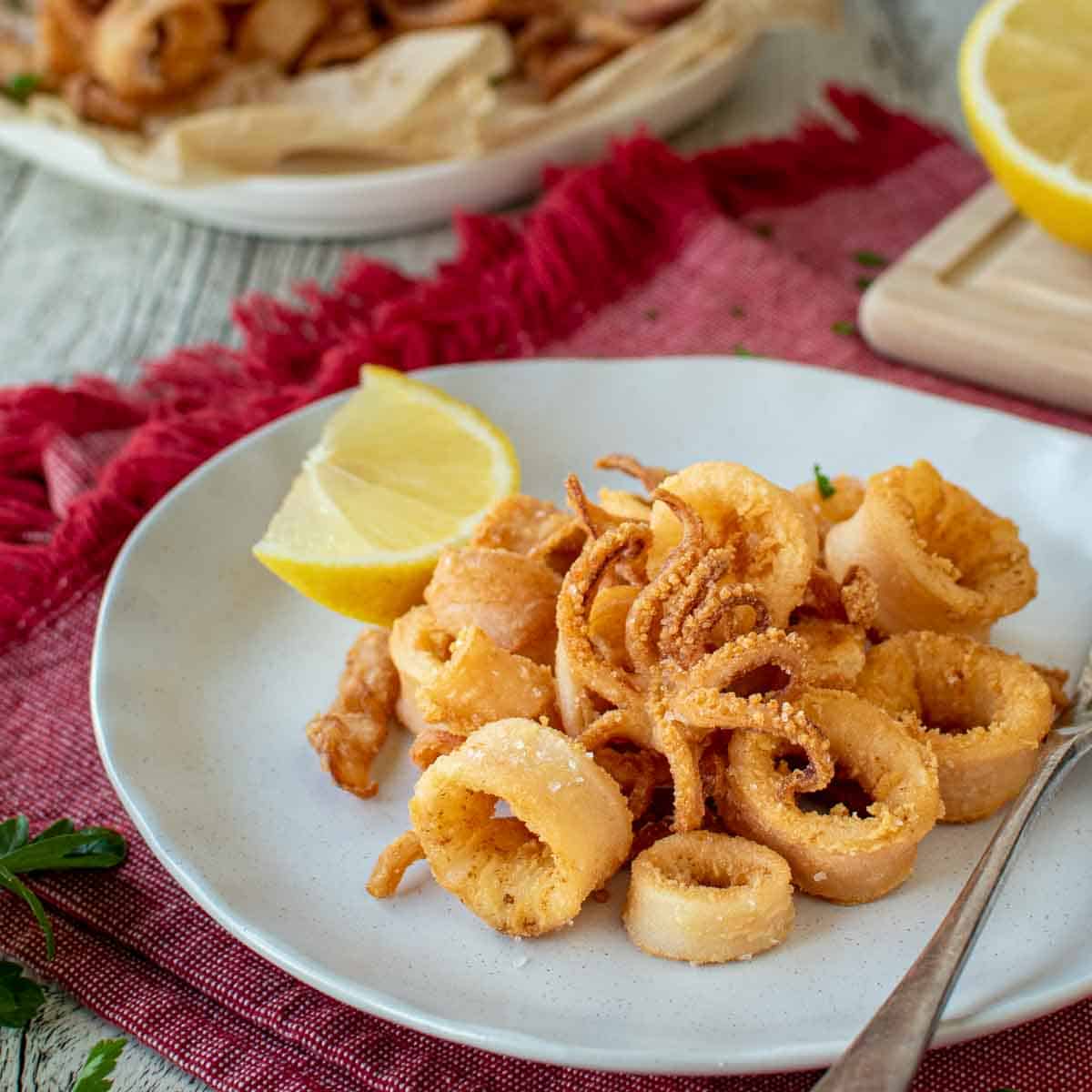
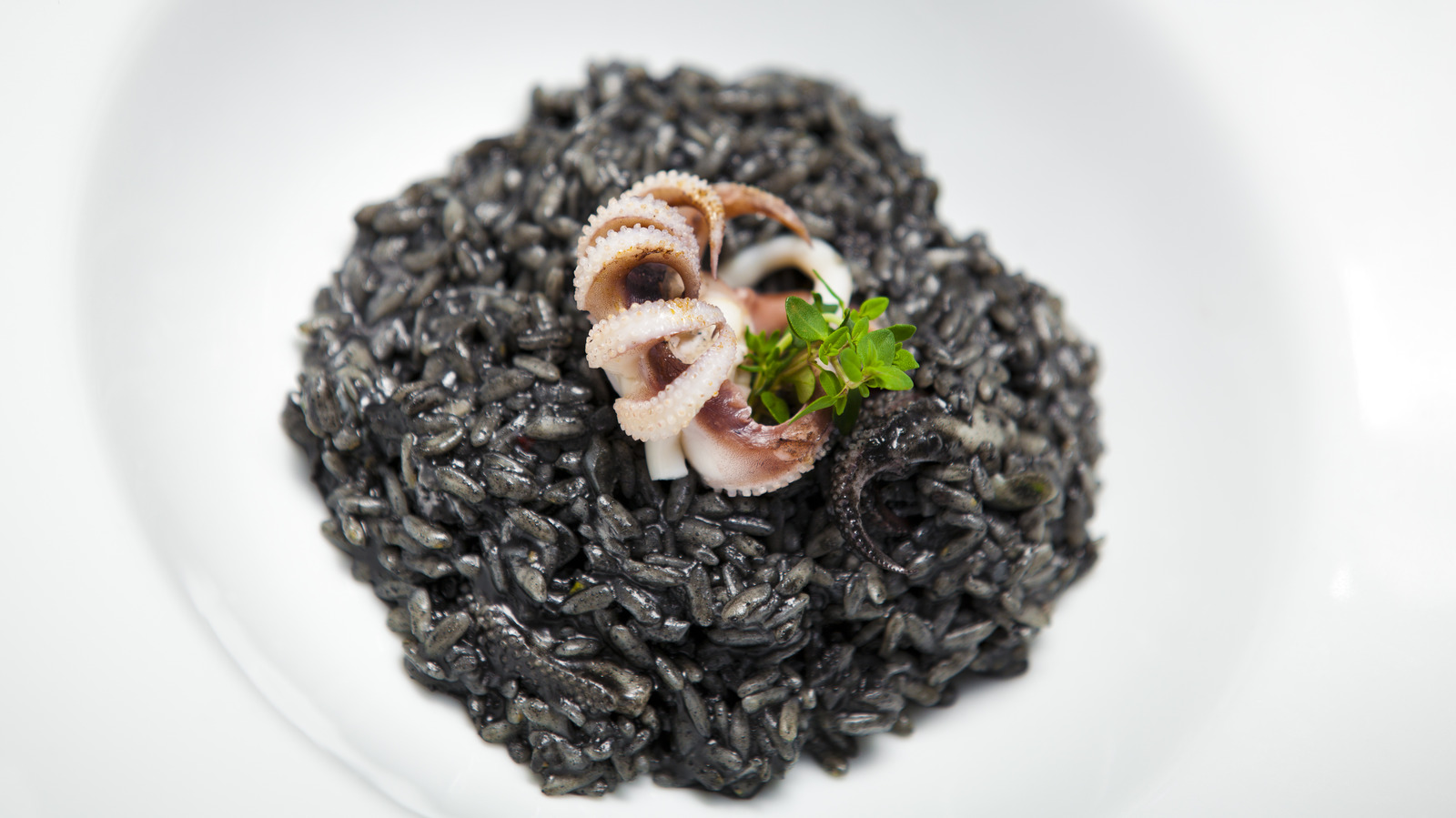
The primary culinary word for squid is calamari, an Italian-derived term widely used on international menus and recipes to describe edible squid, particularly when battered, fried, or prepared in Mediterranean dishes. Depending on regional tradition, size, and preparation method, squid is also called calamar (Spanish), chipirones (Spanish baby squid), encornet (French culinary body tubes), or ika (Japanese).
Why Squid Has Different Names in the Kitchen
In professional kitchens and food retail, language shapes perception, expectations, and culinary preparation. While marine biologists categorize these soft-bodied cephalopods under the order Teuthida, diners rarely see the plain word "squid" on fine-dining menus. The divergence between culinary language and biological taxonomy is driven by cultural tradition, marketing history, and culinary specificity.
Historically, English-speaking markets imported European culinary conventions. The word calamari entered the English lexicon directly from Italian culinary tradition. In Italian, calamaro (singular) and calamari (plural) originate from the Late Latin calamarius, meaning "pertaining to a writing reed or pen." This name directly references the squid's internal shell—the transparent, chitinous structure known as the pen or gladius—as well as the dark ink the creature secretes when threatened.
During the late 20th century, seafood distributors and restaurants in North America and the United Kingdom began actively replacing the English word "squid" with "calamari" on menus. This shift mirrors other historical culinary euphemisms, such as using "pork" instead of "pig" or "velveteen rabbit" in place of game meat. Diners perceived "calamari" as an elevated, epicurean delicacy rather than bait or a rubbery sea creature.
Beyond marketing, culinary names often signify distinct physical cuts, sizes, or preparations. Ordering squid in a restaurant yields vast differences depending on whether the menu specifies chipirones, encornet, or ika. Understanding these terms enables home cooks and restaurant patrons to anticipate texture, flavor profile, and cooking requirements.
Primary Culinary Terms for Squid Across World Cuisines
Culinary terms for squid vary across international food traditions. Because squid inhabit nearly every ocean and have featured in coastal diets for millennia, regions have developed specialized vocabularies reflecting their harvesting and cooking techniques.
| European Terms | Asian Terms |
|---|---|
| Calamari (IT) | Ika (JP) |
| Calamar (ES) | Ojingeo (KR) |
| Encornet (FR) | Yóuyú (CN) |
| Chipirones (ES) | Sotong (SE Asia) |
Mediterranean and European Terminology
Mediterranean cuisines are renowned for their cephalopod dishes, relying on clear linguistic distinctions to indicate size and culinary treatment.
- Calamari / Calamaro (Italian): The standard international culinary term. In Italian cooking, calamari generally refers to medium-sized long-fin squid (such as Loligo vulgaris). When served as calamari fritti, the body mantle is sliced into rings, floured, and flash-fried.
- Calamar (Spanish): Used throughout Spain and Latin America. Spanish menus distinguish carefully between preparations, such as calamares en su tinta (squid cooked in its own ink) and calamares a la romana (ring-shaped batter-fried squid).
- Encornet (French): The standard French culinary term for squid body tubes prepared for cooking. While French naturalists use calmar, French chefs prefer encornet when referring to the cleaned body cavity intended for stuffing (encornets farcis) or sautéing.
- Chipirones (Spanish / Basque): Small or baby squid, prized in northern Spain and Basque gastronomy. Because chipirones are tender, they are typically cooked whole on a flat-top grill (a la plancha) with olive oil, garlic, and parsley, or braised whole in ink sauce.
- Puntillitas or Chopitos (Spanish): Very small, miniature squid species or fry, usually light-dusted in flour and fried whole. They are eaten in a single bite, tentacles included.
- Lula (Portuguese): The primary culinary and commercial term in Portugal and Brazil, commonly grilled whole or incorporated into coastal rice dishes (arroz de lula).
Asian Culinary Terminology
In East and Southeast Asian gastronomy, squid is a staple protein valued for its chew, umami capacity, and versatility in raw, dried, and stir-fried preparations.
- Ika (Japanese): The general Japanese term for squid. In sushi and sashimi contexts, culinary names become far more granular depending on the specific species:
- Surume Ika (Japanese flying squid): The most common commercial squid, widely used for grilling (ika yaki) or drying.
- Aori Ika (Bigfin reef squid): Considered the premium quality squid for high-end sushi due to its sweetness, thick flesh, and creamy texture.
- Yari Ika (Spear squid): A winter delicacy prized for its tender, delicate body mantle.
- Hotaru Ika (Firefly squid): Tiny bioluminescent squid eaten whole, often boiled or served with sweet miso paste (sumiso).
- Ojingeo (Korean): Refers to squid across Korean cuisine. It appears in dishes such as ojingeo-bokkeum (spicy stir-fried squid) and dried squid snacks (ojingeo-chae).
- Yóuyú / 鱿鱼 (Mandarin Chinese): The general culinary term for squid, frequently scored in a crosshatch pattern (known as "blossom cut") to hold thick sauces and cook rapidly in high-heat wok frying.
- Sotong (Malay and Indonesian): Used widely across Malaysia, Indonesia, and Singapore for squid preparations, including sotong goreng (fried squid) and sambal sotong.
Squid vs. Cuttlefish vs. Octopus: Culinary Disambiguation
A common source of confusion in recipes and restaurant menus is distinguishing squid from its close marine relatives: cuttlefish and octopus. While all three are mollusks belonging to the class Cephalopoda, their culinary characteristics, textures, and structural properties differ significantly.
| Squid (Teuthida) | Cuttlefish (Sepiida) | Octopus (Octopoda) |
|---|---|---|
| Cylindrical body | Oval, flatter | Bulbous mantle |
| Thin, firm wall | Thick, tender | Dense muscle |
| Chitinous pen | Internal cuttlebone | No internal shell |
| Flash cook / braise | Stuffed / braised | Long braise only |
Squid (Teuthida)
Squid have streamlined, torpedo-shaped cylindrical bodies (mantles) equipped with two fin flaps and ten arms (eight short arms and two longer feeding tentacles). The internal structure consists of a flexible, feather-shaped chitinous rod called a pen. Squid meat is relatively thin-walled compared to cuttlefish, offering a firm, crisp bite when cooked briefly, or a tender texture when braised over low heat.
Cuttlefish (Sepiida)
In Mediterranean and Asian markets, cuttlefish is often sold alongside squid and sometimes mislabeled as calamari. Known as seppia in Italian, sepia in Spanish, and seiche in French, cuttlefish has a broader, flatter body containing a hard, porous internal shell (the cuttlebone).
Culinary properties of cuttlefish include:
- Flesh Thickness: Cuttlefish walls are significantly thicker and meatier than squid walls.
- Texture: When cooked slowly, cuttlefish yields a denser, rich, velvety texture.
- Ink Quality: Cuttlefish ink is deeper in color, thicker, and carries a richer, less bitter umami flavor than squid ink. Consequently, authentic nero di seppia (black ink sauce) traditionally uses cuttlefish ink, though commercial products frequently mix or substitute squid ink.
Octopus (Octopoda)
Octopus (polpo in Italian, pulpo in Spanish, tako in Japanese) features a short round head mantle and eight distinct, suction-cup-bearing arms without extended tentacles. Unlike squid and cuttlefish, octopus lacks any internal pen or shell structure. Its muscle fibers are exceptionally dense and rich in collagen, requiring long, slow tenderization (such as simmering or low-temperature poaching) to break down connective tissue. Squid cannot be directly substituted for octopus in recipes without adjusting cooking times radically.
Culinary Names Based on Size, Cut, and Preparation
Recipes and meat counters frequently use specific descriptors to indicate how the squid is butchered or which anatomical part is present.
- Fins: Trimmed & Sliced
- Body Mantle: Tubes / Rings / Steak
- Tentacles: Fried Whole / Chopped
Body Cuts and Formats
- Squid Tubes (Mantle): The hollow, cylindrical torso of the squid after the head, internal organs, skin, and pen are removed. Whole tubes are commonly used for stuffing (stuffed calamari) with breadcrumbs, herbs, sausage, or rice.
- Calamari Rings: Cross-section circular slices of the body mantle. Rings are the primary format for deep-fried calamari appetizer baskets, sautéed pasta toppings, and seafood salads.
- Squid Steaks: Thick slabs of meat cut from very large squid species, primarily the Jumbo Flying Squid (Dosidicus gigas). Because jumbo squid meat can be tough and mildly acidic, these steaks are tenderized, pounded, or tender-marinated before breading and pan-searing.
- Tentacles: The clusters of arms attached to the head. While some consumers avoid tentacles due to their appearance, chefs prize them for their crispy texture when deep-fried or charred on a grill.
Specialized Size Classifications
- Baby Squid (Chipirones / Chopitos): Immature squid measuring 1 to 3 inches in total length. Their thin muscle walls require minimal cooking—often less than 60 seconds on a hot skillet—yielding an exceptionally tender texture.
- Medium Commercial Squid (Loligo species): Measuring 6 to 10 inches, these form the backbone of retail seafood counters and restaurant calamari.
- Jumbo Squid (Dosidicus gigas): Ocean giants that can weigh over 40 pounds. Processed commercially into frozen steaks, strips, and imitation crab filler, jumbo squid requires specific soaking treatments (often using mild alkaline or food-grade acid solutions) to neutralize naturally occurring ammonium compounds in its tissues.
Detailed Culinary Terminology Comparison
The following reference table maps global culinary terms for squid, identifying their origins, traditional preparations, species, and distinct cooking characteristics.
| Culinary Term | Primary Language / Region | Specific Cut or Size | Key Preparation Methods | Flavor & Texture Profile |
|---|---|---|---|---|
| Calamari | Italian / International | Rings, tubes, tentacles | Fried (fritti), sautéed, pasta dishes | Firm, clean, mild seafood flavor; crisp when flash-fried |
| Calamar | Spanish / French | Whole tubes, cut rings | Braised in ink, grilled (a la plancha) | Savory, absorbing heavy sauces; tender when braised |
| Encornet | French | Cleaned body tubes | Stuffed (farcis), sautéed with butter | Delicate, buttery, smooth mantle wall |
| Chipirones | Spanish (Basque) | Small whole baby squid | Seared whole on flat-top grill, cooked in ink | Very tender, sweet, slightly mineral bite |
| Puntillitas | Spanish (Andalusian) | Micro/miniature whole squid | Lightly floured and fried whole | Extremely crisp exterior, soft interior, pop-in-mouth |
| Surume Ika | Japanese | Whole body, strips | Grilling (Ika Yaki), dried (Atari-me) | Chewy, deep umami, robust structural integrity |
| Aori Ika | Japanese | Fresh raw fillets | High-end Sashimi, Nigiri sushi | Creamy, sweet, tender, melt-in-mouth finish |
| Hotaru Ika | Japanese | Whole tiny firefly squid | Boiled whole, misoyaki, pickled | Rich organ flavor, soft, juicy center |
| Ojingeo | Korean | Scored strips, whole body | Spicy wok stir-fry (Bokkeum), drying | Firm chew, holds intense chili pastes well |
| Sotong | Malay / Indonesian | Rings, scored pieces | Sambal stir-fry, deep-fried rings | Absorbs complex spiced oils and chili aromatics |
Cooking Techniques Matched to Culinary Types
Preparing squid successfully requires mastering heat application. The muscular structure of squid consists of tight layers of collagenous connective tissue wrapped around circular muscle fibers. If cooked incorrectly, squid contracts tightly, wringing out moisture and turning rubbery.
The Two-Minute or Two-Hour Rule
Professional culinary practice dictates that squid must be cooked using one of two thermal extremes:
- HIGH HEAT / FAST (0 to 2 Minutes Max)
- Deep-frying rings
- High-heat wok searing
- Flash-grilling tentacles
- Result: Proteins set firm without shrinking
- LOW HEAT / SLOW (45 to 120+ Minutes)
- Stewing & braising
- Ink-based ragùs
- Stuffed squid tubes
- Result: Collagen converts to gelatin for tenderness
- High Heat / Fast (Under 2 Minutes): Flash-cooking at high temperatures (such as deep-frying calamari rings at 375°F / 190°C or searing over an open flame) sets the protein structure instantly before the collagen fibers can fully contract and squeeze out moisture. Exceeding two minutes on high heat results in a rubbery texture.
- Low Heat / Slow (Over 45 to 120 Minutes): When braising calamares en su tinta or stewing squid in a tomato wine sauce, extended gentle simmering breaks down tough collagen triple-helix molecules, converting them into soft, soluble gelatin. Between 3 minutes and 45 minutes of cooking, squid remains tough and rubbery; cooks must wait out the slow braising phase until tenderness returns.
Tenderizing Methods
Chefs employ several preparation techniques to optimize tenderness prior to cooking:
- Mechanical Scoring (Blossom Cut): Common in Chinese (Yóuyú) and Southeast Asian preparations, scoring the interior mantle surface in a shallow diamond grid severs muscle fibers. When exposed to heat, the meat curls into decorative "blossoms" that cook evenly in under 45 seconds while trapping wok sauces.
- Enzymatic and Dairy Marination: Soaking squid tubes or rings in buttermilk or whole milk for 30 to 60 minutes prior to breading tenderizes the muscle fibers. The natural lactic acid and calcium gently soften proteins without degrading the structural integrity of the meat. Papaya juice or grated kiwi (containing papain and actinidin enzymes) can also be used, though timing must be strictly controlled under 15 minutes to prevent the flesh from becoming mushy.
- Physical Pounding: Essential for large squid steaks (Dosidicus gigas). Meat is placed between sheets of plastic film and pounded evenly with a smooth meat mallet to disrupt tough muscular bands.
Common Culinary Misconceptions and Menu Literacy
As global cuisine continues to blend traditions, several misconceptions persist regarding squid terminology on menus and in retail markets.
Misconception 1: "Calamari" and "Squid" Are Completely Different Animals
Consumers frequently believe that "calamari" is a premium marine species distinct from standard "squid." In reality, calamari is simply the culinary name for edible squid species. While high-end establishments prefer smaller, tender species such as Loligo pealei or Loligo vulgaris for fried calamari, both terms refer to the same family of cephalopods.
Misconception 2: Fried Rings Are Made of Cuttlefish or Imitation Meat
Periodic internet rumors claim that commercial calamari rings are manufactured from pig rectum (colon) or processed fish paste. These claims are false. Regulatory agencies, including the U.S. Food and Drug Administration (FDA) and the European Food Safety Authority (EFSA), enforce strict seafood labeling laws. Authentic calamari rings are sliced cross-sections of genuine squid body tubes (Teuthida).
Misconception 3: Squid Ink and Cuttlefish Ink Are Identical
While food packaging often uses the terms interchangeably, true squid ink (nero di calamaro) is slightly thinner, lighter in color, and possesses a brighter, briny marine profile compared to cuttlefish ink (nero di seppia). Cuttlefish ink contains higher concentrations of natural glutamates, rendering it darker, thicker, and deeply umami-rich. Most commercial bottled "squid ink" used for pasta making is technically cuttlefish ink due to its superior culinary performance.
Frequently Asked Questions
What is the most common synonym for squid on a restaurant menu?
The most common synonym for squid on culinary menus is calamari. It is the standard term used across English-speaking countries for fried, grilled, or sautéed squid dishes, originating from the Italian word for the species (calamaro).
What is the difference between calamari and chipirones?
While both refer to edible squid, calamari generally denotes medium-to-large squid cut into rings or tubes. Chipirones is a Spanish culinary term specifically referring to small, baby squid cooked whole (including mantle and tentacles), prized for their tender texture and sweet flavor.
What is squid called in French cooking?
In French culinary terminology, squid prepared for cooking is called encornet, particularly when referring to the cleaned body tubes used for stuffing or sautéing. The biological French term for the live animal is calmar.
What is another word for squid ink in cooking?
Squid ink is frequently listed on menus under its Italian name, nero di calamaro, or Spanish name, tinta de calamar. However, many recipes and pasta manufacturers use cuttlefish ink (nero di seppia) interchangeably, as it offers a richer, darker culinary pigment.
How do I stop cooked squid from becoming rubbery?
To prevent squid from becoming rubbery, apply the two-minute or two-hour rule. Cook squid rapidly over high heat for less than two minutes (such as flash-frying or wok-searing), or braise it gently over low heat in liquid for over 45 minutes until the muscle collagen breaks down into gelatin.
Practical Recommendation
When navigating menus or recipes, match the culinary term to the intended cooking method:
- For Quick Searing and Frying: Choose preparations labeled calamari, encornet, or puntillitas. Ensure high-heat cooking times remain strictly under 120 seconds.
- For Whole Grilling: Select small-format squid designated as chipirones or yari ika, which can be flash-charred on a hot grill plate without becoming chewy.
- For Slow Stews and Braises: Opt for whole calamar tubes or cuttlefish (seppia), allowing at least one hour of low-temperature simmering in wine, tomato, or ink sauces to achieve optimal tenderness.