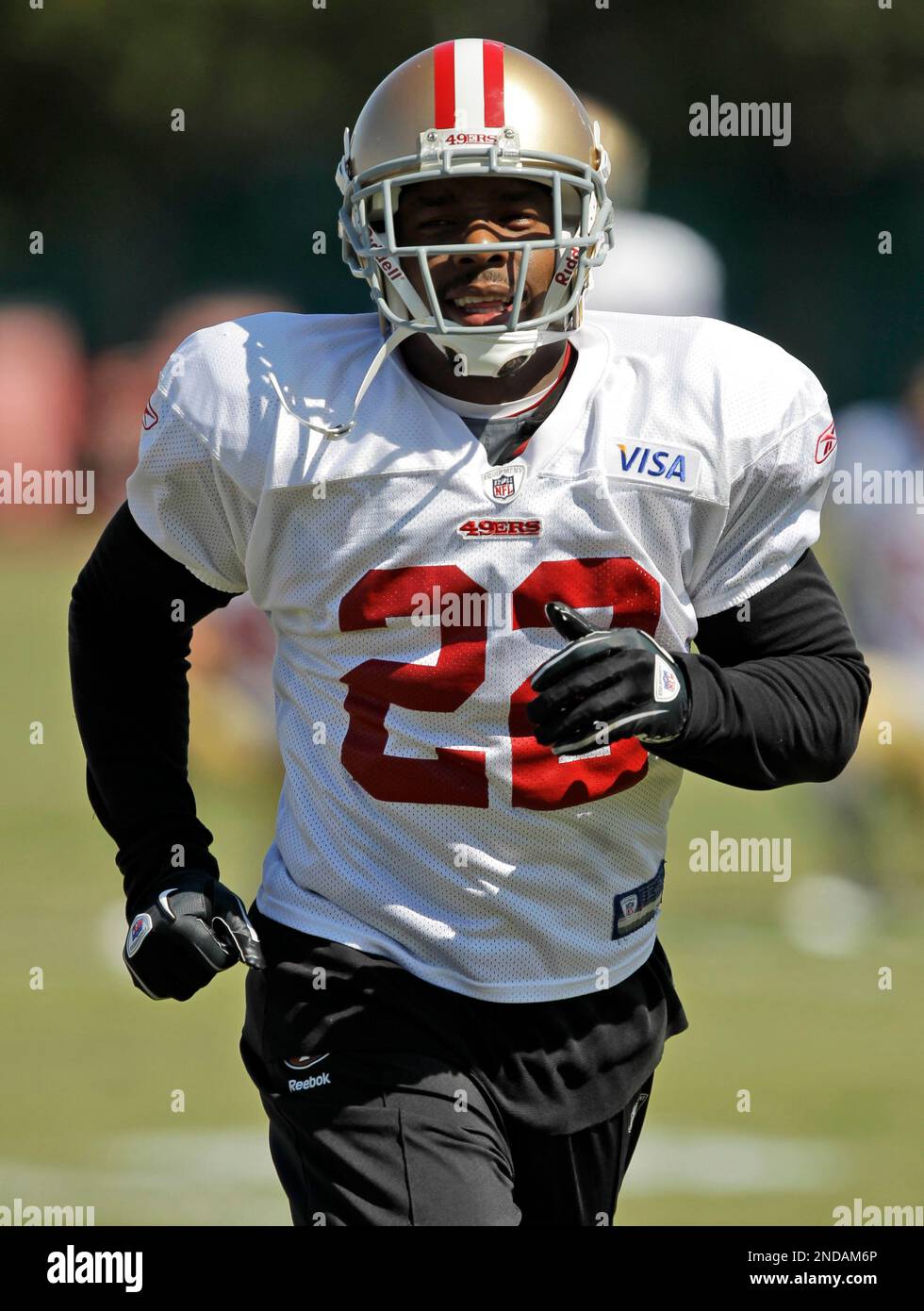
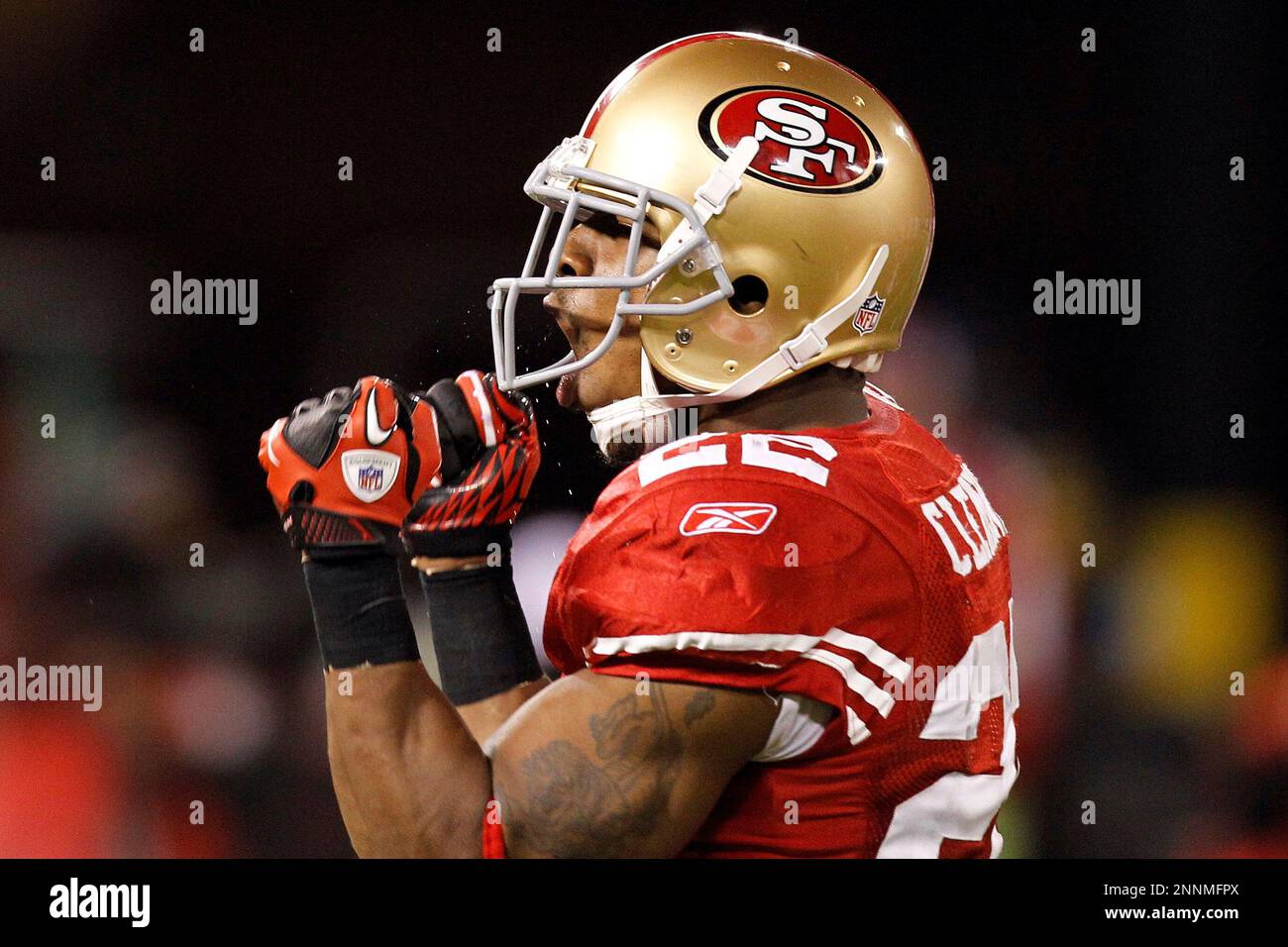
Nate Clements' tenure with the San Francisco 49ers represents a fascinating cross-section of massive free-agent investment, shifting defensive schemes, high expectations, and the complex reality of NFL contract restructuring during the mid-2000s. While most retrospective analyses focus purely on the financial sticker shock of his 2007 contract, a deeper examination reveals strategic front-office maneuvers, unexpected tactical deployments, and a transitional era for a franchise trying to find its footing.
Evaluating a major historical signing requires looking beyond the basic box scores and contract figures. By examining the structural mechanics of his deal, his alignment with contemporary defensive coordinators, his impact on the secondary's locker-room culture, his eventual transition out of the Bay Area, and his broader legacy within the evolution of cornerback compensation, we uncover a much richer narrative about Nate Clements and his five-season run with the San Francisco 49ers.
1. The Real Financial Architecture of the 2007 Blockbuster Contract
When Nate Clements signed with the San Francisco 49ers in March 2007, the deal immediately dominated national sports headlines. He inked an eight-year, $80 million contract that included $22 million in guaranteed money and a staggering $37 million in total guarantees through the first three years. In 2007 terms, this made him the highest-paid defensive player in NFL history, surpassing elite pass rushers and franchise cornerbacks alike. Media outlets and rival executives scrutinized the deal, predicting it would handcuff the 49ers' salary cap for a decade.
However, a closer look at the actual cash flow and cap mechanics reveals a much more calculated risk by the 49ers front office. General manager Scot McCloughan and the front-office team structured the contract to take advantage of San Francisco's clean salary cap at the time. The deal was heavily front-loaded in terms of guaranteed cash payouts, but it featured manageable cap hits in the early years through signing bonus prorations.
Furthermore, the structure allowed the 49ers an out before the back end of the contract became prohibitive. When Clements was ultimately released in 2011, the team did not suffer catastrophic long-term cap penalties because the guaranteed money had already been substantially paid out. While the contract is often remembered as an overpay due to the sheer size of the headline number, its actual execution reflected standard aggressive free-agency tactics of an era when teams had unprecedented cash-to-cap flexibility before the implementation of stricter rookie wage scales and modern collective bargaining agreements.
2. Tactical Evolution: Asking a Man-Coverage Corner to Play Zone
Before arriving in San Francisco, Nate Clements built his reputation with the Buffalo Bills as an elite, physical, press-man cornerback. He thrived when left on an island against opposing wide receivers, utilizing his strength and fluidity to disrupt timing at the line of scrimmage. When the 49ers signed him, the expectation was that he would immediately lock down one side of the field, allowing defensive coordinator Ron McKinnon and later defensive minds to get creative with safety help and blitz packages.
The surprise, however, lay in how the 49ers' defensive schemes evolved during his tenure. San Francisco frequently transitioned through coaching staffs and defensive philosophies, shifting at various points into hybrid coverages and zone-heavy schemes that did not always maximize Clements' unique skill set. Instead of playing pure press-man, Clements was occasionally asked to read quarterbacks in deep Cover-3 or off-man zones, which slightly blunted his disruptive play-making ability.
This tactical mismatch highlighted a classic NFL front-office pitfall: acquiring an elite player based on historical traits without always ensuring seamless scheme continuity. Despite this adjustment period, Clements adapted by relying on his high football IQ, disciplined positioning, and sure-tackling ability in the open field, proving that a technically sound cornerback can contribute even when the defensive scheme shifts away from their ideal comfort zone.
3. The Forgotten Leadership Role in a Locker Room Transition
The late 2000s were a turbulent period for the San Francisco 49ers. The franchise was cycling through head coaches—including Mike Nolan and Mike Singletary—while searching for an identity that could break a long playoff drought. In the midst of this organizational instability, expensive high-profile free agents sometimes struggled to earn the respect of legacy players or younger draft picks.
Clements, however, quietly filled a crucial veteran leadership vacuum in the secondary. Long before the arrival of the dominant Jim Harbaugh-era defenses featuring Patrick Willis, Justin Smith, and eventual superstar cornerbacks, Clements served as a professional standard-bearer in the defensive backs room. Younger defensive backs frequently cited his meticulous film study habits, physical preparation routines, and calm demeanor during blowout losses as vital stabilizing forces.
While fans and media evaluated him strictly through the lens of interceptions and defensive pass interference penalties, his teammates and coaches valued his ability to mentor mid-round draft picks and undrafted free agents. This intangible contribution rarely appeared on stat sheets, but it laid foundational cultural habits that benefited the organization as it eventually returned to defensive prominence in the early 2010s.
4. Comparing the Expectations vs. Production Reality
To understand the true nature of Clements' tenure, it is helpful to contrast public perception against on-field metrics. Because of his historic contract, expectations were set at an All-Pro, shutdown level every single week. While Clements played at a high level, he did not consistently rack up the massive interception numbers that define modern lockdown corners in the minds of casual fans.
| Metric / Category | Pre-49ers (Buffalo Bills) | San Francisco 49ers Tenure (2007–2010) |
|---|---|---|
| Primary Scheme Fit | Aggressive press-man coverage | Mixed cover-3, off-man, and hybrid zone |
| Average Interceptions Per Season | ~4.5 interceptions per year | ~1.5 to 2 interceptions per year |
| Durability & Availability | Extremely high snap counts, minimal missed games | Highly durable, starting 15+ games most seasons |
| Tackling & Run Support | Above average physical corner | Elite run-stopping and open-field tackling |
As illustrated above, Clements' interception totals dipped in San Francisco, largely because opposing quarterbacks routinely avoided throwing in his direction during his peak years, preferring to test lesser options on the opposite side of the field. Furthermore, his value manifested in unexpected ways, such as his exceptional ability to shed blocks and make crucial tackles in the run game—a trait that coaches prized far more than raw interception counts.
5. The 2011 Release and the Hand-Off to a New Era
The final chapter of Nate Clements' time with the San Francisco 49ers arrived in the spring of 2011, coinciding with the massive organizational reset brought by the hiring of head coach Jim Harbaugh and general manager Trent Baalke. As the franchise pivoted toward a bruising, run-heavy offense and a ferocious, homegrown defensive core, expensive veteran contracts from the previous regime were systematically evaluated.
In March 2011, the 49ers released Clements, ending his four-year run in the Bay Area (though he played four seasons of his original contract before being cut). Rather than signaling a failed signing, his departure marked the definitive closing of the pre-Harbaugh era and the opening of a door for younger defensive talent, such as Carlos Rogers and Tarell Brown, to step into prominent starting roles on a team that would reach the NFC Championship game later that year.
Clements quickly signed with the Cincinnati Bengals, proving he still had quality football left in the tank and playing effectively as a veteran safety and nickel corner. His clean break from San Francisco demonstrated rare mutual professional respect, allowing the 49ers to clear necessary cap space while enabling Clements to extend his productive career elsewhere.
Summary of Key Takeaways for Evaluating Historical Free Agent Signings
Analyzing the Nate Clements era with the San Francisco 49ers offers enduring lessons for how modern NFL observers should assess blockbuster free-agent acquisitions:
- Look Past the Headline Numbers: Multi-year contract totals are designed for public consumption; the actual cash guarantees and cap structures dictate the true business impact.
- Scheme Consistency Matters: Elite players perform best when coaching staffs utilize their verified core competencies rather than forcing them into schematic experiments.
- Intangible Value Resides Beyond Statistics: Veteran leadership, durability, and strong run-support skills often outweigh raw interception counts in coach evaluations.
Ultimately, while Clements' contract made him a lightning rod for debate during a difficult era of 49ers football, his professional execution, durability, and quiet leadership left a constructive mark on an organization in transition.
Frequently Asked Questions
Why was Nate Clements' contract with the 49ers so controversial?
His contract was controversial primarily because it made him the highest-paid defensive player in NFL history at the time of signing in 2007, carrying an $80 million headline figure. This created immense pressure for him to produce game-changing interception numbers every week, overshadowing his steady, reliable play in coverage and run support.
Did Nate Clements live up to his contract in San Francisco?
From a financial standpoint, the contract was heavily front-loaded and structured in a way that allowed the 49ers to release him without crippling long-term cap consequences. On the field, he was a durable, high-level starter who provided elite tackling and veteran leadership, even if his interception totals were lower than what fans expected from the league's highest-paid defender.
How did Clements perform statistically with the 49ers compared to the Bills?
In Buffalo, Clements was known as a high-volume playmaker with numerous interceptions and forced fumbles in a pure press-man scheme. In San Francisco, his interception numbers decreased because opposing quarterbacks frequently avoided throwing to his side of the field, though his run defense and open-field tackling remained exceptional.
What happened to Nate Clements after he left the 49ers?
Following his release by San Francisco in March 2011, Clements signed with the Cincinnati Bengals. He transitioned smoothly into a veteran leadership role, playing several more effective seasons as a versatile defensive back before concluding his lengthy NFL career.
What is Nate Clements' ultimate legacy in San Francisco?
His legacy is that of a consummate professional who anchored a struggling secondary through a turbulent organizational period. While his historic contract anchors many historical discussions, his durability, preparation, and mentorship helped set cultural standards for the younger players who built the 49ers' championship-contending defenses of the early 2010s.