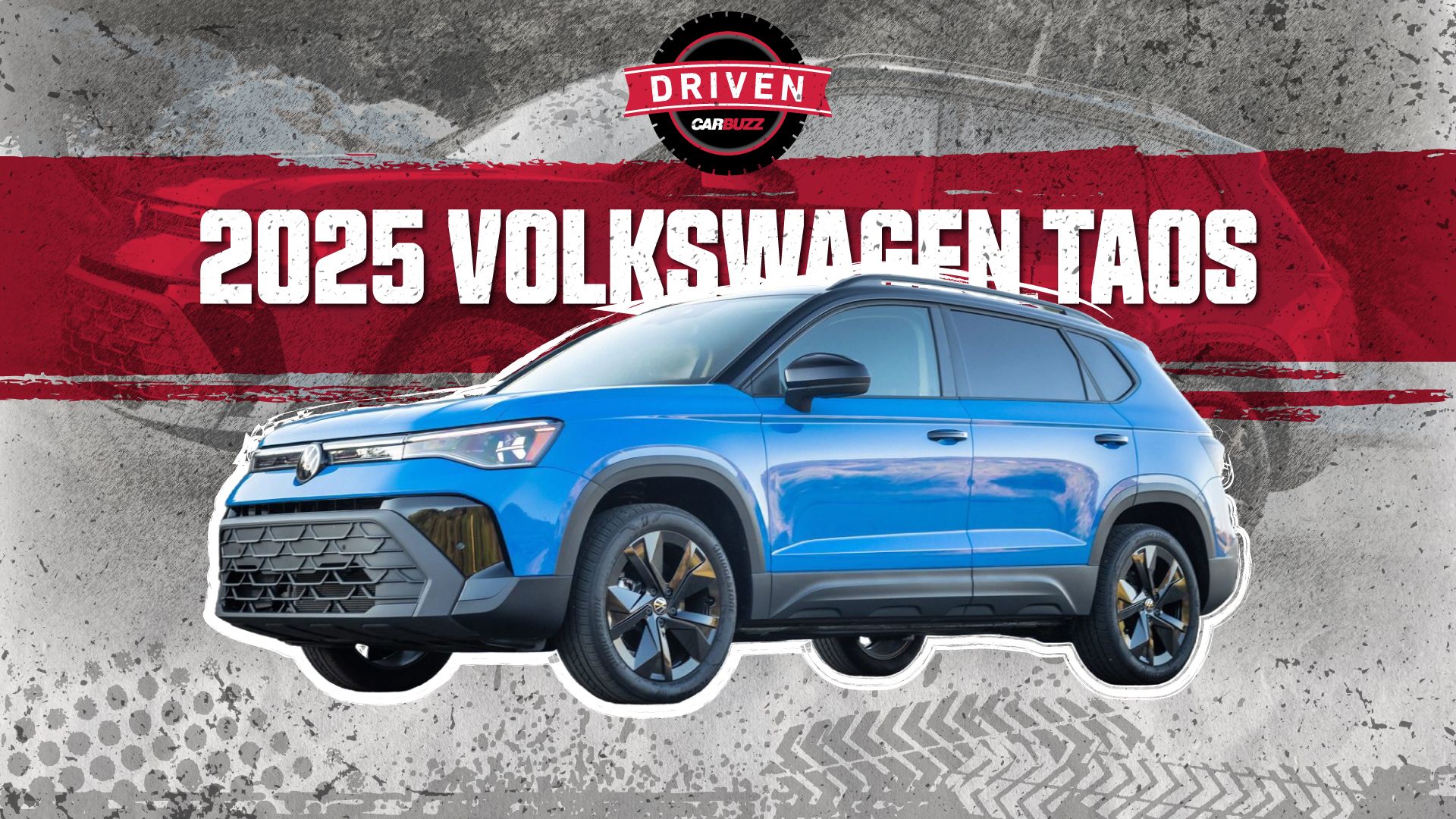
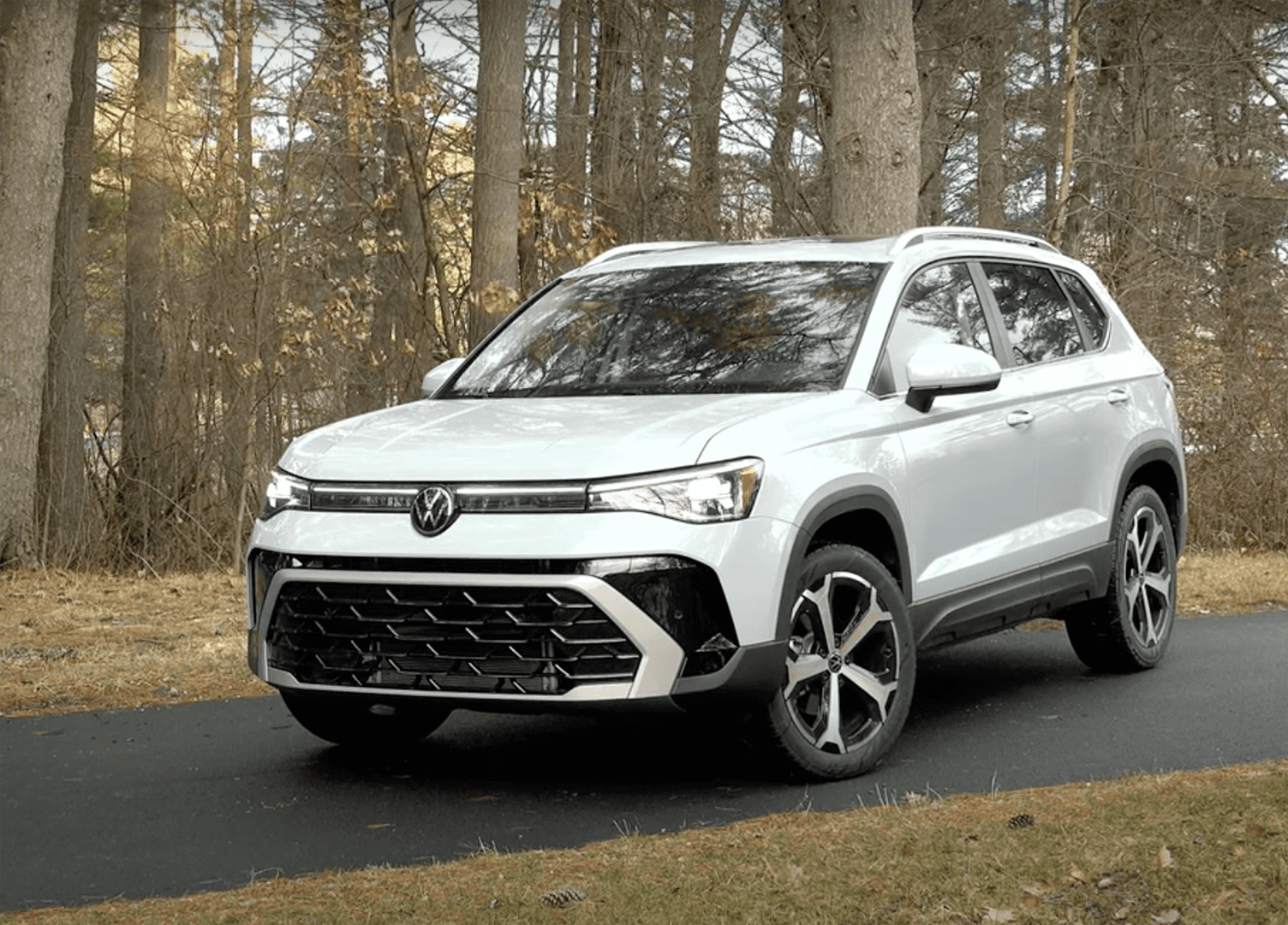
The 2025 Volkswagen Taos serves as the entry-level SUV in the German manufacturer's North American lineup, balancing a compact footprint with elevated utility and updated aesthetics. Refreshed for the 2025 model year, the vehicle features an enhanced 1.5-liter turbocharged engine, a redesigned exterior front-end appearance, updated infotainment technology, and a revised transmission system aimed at improving refinement.
Evolutionary Design and Aesthetic Updates
The 2025 Volkswagen Taos marks a significant visual shift from its immediate predecessors. Volkswagen has modernized the front fascia to align more closely with the broader design language seen across its current SUV portfolio. This includes a more pronounced grille design, updated LED headlights that integrate more seamlessly into the front profile, and an illuminated light bar—an increasingly common signature element for the brand.
The rear of the vehicle has also received attention, featuring a full-width light bar that connects the taillights. This design choice provides a wider, more planted appearance when viewed from the rear, contributing to a more sophisticated aesthetic compared to the utilitarian design of the earlier Taos iterations. These changes are not merely cosmetic; they represent a concerted effort by Volkswagen to elevate the perceived quality of their entry-level crossover, ensuring it remains competitive against rivals like the Mazda CX-30, Hyundai Kona, and Subaru Crosstrek.
Powertrain and Mechanical Refinement
At the heart of the 2025 Volkswagen Taos remains the 1.5-liter EA211 TSI turbocharged four-cylinder engine. For the 2025 model year, this unit received internal refinements that push its output to 174 horsepower, a modest but noticeable increase over the previous 158 horsepower rating. This engine relies on a Miller cycle combustion process, which focuses on thermal efficiency and fuel economy without sacrificing the low-end torque necessary for city driving.
Perhaps the most significant mechanical change involves the transmission pairing. While front-wheel-drive (FWD) models continue to utilize an eight-speed automatic transmission, the 4Motion all-wheel-drive (AWD) variants have transitioned to a seven-speed dual-clutch transmission (DSG). This change is intended to provide crisper gear shifts and improved power delivery, addressing some of the hesitation reported by owners of earlier Taos models. Drivers seeking the most engaging experience will likely prefer the responsiveness of the DSG, while those prioritizing smooth, traditional gear changes in stop-and-go traffic may find the eight-speed automatic to be the more predictable choice.
Interior Comfort and Digital Architecture
Inside the cabin, the 2025 Taos emphasizes functionality and improved material quality. Volkswagen has replaced the previous infotainment interface with a "floating" display that offers improved visibility and faster processing speeds. The standard 8.0-inch screen is designed to be more intuitive, with refined touch controls that replace some of the traditional physical buttons found in older models.
The cabin layout maintains the "Volkswagen DNA," which prioritizes ergonomics over excessive styling flair. The seating position remains upright and commanding for the class, offering excellent outward visibility—a crucial metric for urban drivers. Rear-seat legroom continues to be a strong point, with the Taos providing one of the more generous dimensions in the subcompact segment. This makes it a viable option for small families or those who frequently transport adult passengers.
Key Technical Specifications Comparison
| Feature | FWD Model | 4Motion AWD Model |
|---|---|---|
| Engine | 1.5L Turbo I4 | 1.5L Turbo I4 |
| Horsepower | 174 hp | 174 hp |
| Transmission | 8-Speed Automatic | 7-Speed DSG (Dual-Clutch) |
| Max Cargo (Seats Down) | 65.9 cu ft | 60.2 cu ft |
| Suspension | Torsion Beam | Multi-link Independent |
Advanced Driver Assistance Systems (ADAS)
Safety technology in the 2025 Taos is anchored by the "IQ.DRIVE" suite. This collection of driver-assistance features is designed to provide comprehensive protection across various driving conditions. Standard features typically include Front Assist (Forward Collision Warning and Autonomous Emergency Braking with Pedestrian Monitoring), Side Assist (Blind Spot Monitor), and Rear Traffic Alert.
Higher trims expand this functionality to include Travel Assist, which combines lane-centering and adaptive cruise control for semi-automated driving assistance on highways. It is important to note that while these systems are highly advanced, they are categorized as Level 2 driver-assistance systems. They require the driver to remain attentive and keep their hands on the steering wheel at all times. Users should consult the owner's manual to understand the specific limitations of the radar and camera sensors in adverse weather conditions, such as heavy rain or snow, which can temporarily obstruct system performance.
Practical Performance and Real-World Value
When considering the 2025 Volkswagen Taos, prospective buyers should focus on the specific trim levels: S, SE, and SEL. Each tier offers a different balance of comfort and connectivity. The base S trim provides the essential driving experience, while the SE adds convenience features like heated front seats and wireless device charging. The SEL remains the top-tier choice, offering premium additions like ventilated front seats, a premium audio system, and upgraded leather upholstery.
The cost-to-own proposition for the Taos is bolstered by the balance of fuel efficiency and cargo capacity. Because the Taos features a boxier profile than many of its competitors, it maximizes interior volume, making it highly practical for grocery runs, weekend trips, or light recreational gear. While it is not intended for off-roading, the 4Motion all-wheel-drive system provides substantial confidence in light snow or on wet road surfaces, making it a reliable year-round daily driver in diverse climates.
Common Considerations and Troubleshooting
Maintenance for the 2025 Taos follows standard Volkswagen procedures. As with any turbocharged vehicle, owners should strictly adhere to the manufacturer-recommended oil change intervals using the specified synthetic oil grade to ensure the longevity of the turbocharger components.
One frequently reported area for new owners is the infotainment system. While the updated interface is faster, it occasionally requires a system reset if connected devices exhibit lag. To troubleshoot this, ensure that your smartphone's operating system is updated and that the Volkswagen software itself has received the latest over-the-air (OTA) updates. If performance issues persist, a standard "hard reset" of the infotainment system by holding the power button for 15 seconds often resolves software-related hitches.
Frequently Asked Questions
1. What are the main differences between the 2024 and 2025 Volkswagen Taos?
The 2025 model introduces a refreshed front and rear exterior design, updated infotainment interface, and a slight power increase to 174 horsepower. Additionally, the AWD models now utilize a seven-speed dual-clutch transmission for improved performance.
2. Is the 2025 Taos suitable for long road trips?
Yes, the Taos is designed with highway comfort in mind. Its suite of driver-assistance features, including adaptive cruise control and lane-centering technology, helps reduce driver fatigue on long journeys. The cabin is also well-insulated for the class, reducing road noise at high speeds.
3. Does the 2025 Taos require premium fuel?
While the 1.5-liter engine is optimized for fuel efficiency, Volkswagen generally recommends premium unleaded fuel for the best performance; however, regular unleaded is acceptable for most daily driving conditions. Always check the fuel door sticker for the manufacturer’s specific recommendation for your vehicle.
4. How does the 4Motion AWD system function?
The 4Motion system is an active, on-demand AWD system. It monitors wheel slip and can automatically distribute power to the rear wheels when needed. In normal conditions, it operates predominantly in front-wheel-drive mode to maximize fuel economy.
5. What is the standard warranty for a new 2025 Taos?
Volkswagen typically provides a 4-year/50,000-mile (whichever occurs first) new vehicle limited warranty. Coverage specifics can vary based on regional dealer programs and specific service agreements, so verifying your documentation at the time of purchase is essential.
Recommendation for Prospective Owners
For those considering a 2025 Volkswagen Taos, the best path forward is to identify your primary driving environment. If you live in a region with significant annual snowfall, the 4Motion AWD trim is strongly recommended due to the added traction and the refined performance of the seven-speed DSG. If you are primarily a city or highway driver in a temperate climate, the FWD model offers a lighter, more agile feel and slightly better fuel efficiency. Before finalizing any purchase, perform a test drive that includes highway speeds to ensure the transmission and cabin acoustics meet your personal comfort requirements.