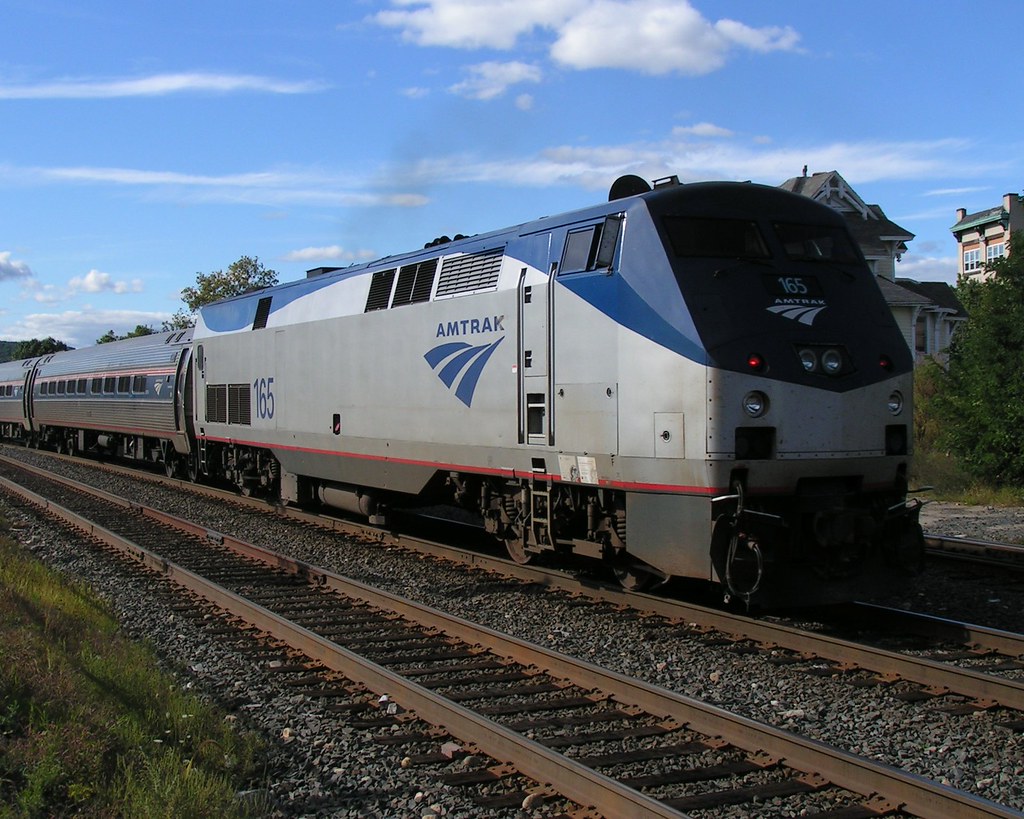
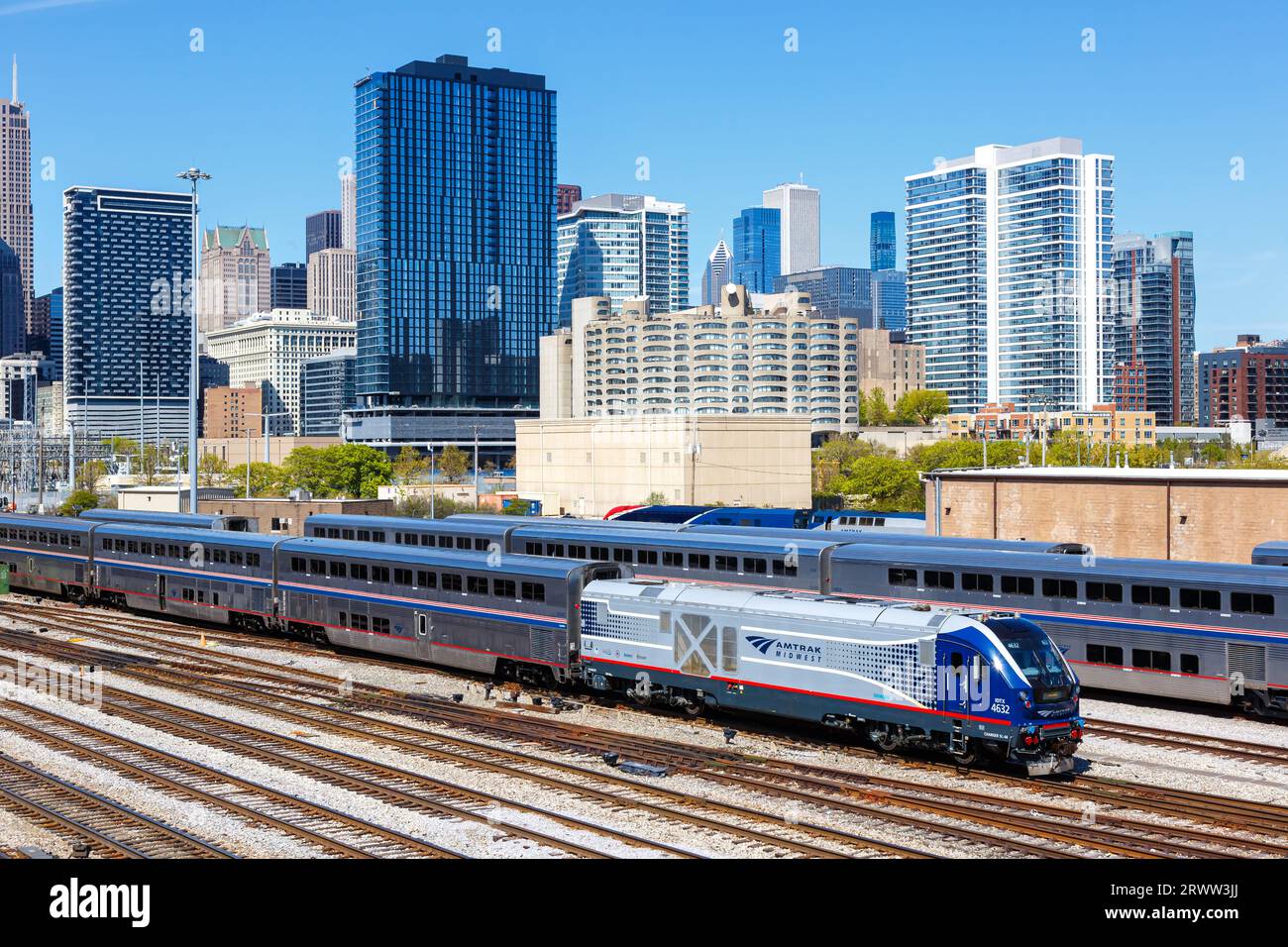
Traveling from Chicago’s Union Station to the capital city of Springfield, Illinois, via Amtrak is a highly efficient journey served primarily by the Lincoln Service and the Texas Eagle lines. These trains offer daily departures, typically allowing passengers to choose between morning and afternoon options to accommodate business or leisure travel needs while navigating the Illinois rail corridor.
Understanding the Amtrak Lincoln Service and Texas Eagle
The route connecting Chicago and Springfield is a critical artery of the Midwest rail network. It is served by two distinct, yet functionally similar, Amtrak services: the Lincoln Service and the Texas Eagle. For the passenger traveling between these two cities, the distinction is largely academic, as both trains stop at the Springfield Union Station and follow the same rail corridor through Illinois.
The Lincoln Service is a state-supported corridor train, meaning it is designed specifically for regional connectivity between Chicago and St. Louis. It operates multiple daily round trips, offering a predictable schedule for commuters and day-trippers. The Texas Eagle, conversely, is a long-distance route that originates in Chicago and continues to San Antonio and Los Angeles. Because the Texas Eagle shares the same trackage as the Lincoln Service through central Illinois, it serves as an additional daily option for those traveling to Springfield.
When planning your trip in 2026, you will find that these services collectively provide a reliable cadence of travel. Understanding that both services share this corridor is the first step in unlocking the flexibility required to match your departure time to your specific itinerary.
Analyzing the Schedule and Frequency
Amtrak schedules are subject to adjustment based on operational needs, seasonal demand, and maintenance projects. However, the Chicago-to-Springfield line is characterized by high-frequency service compared to other regional routes.
Typically, travelers can expect multiple departures per day. Morning departures are favored by business travelers heading to the state capitol, while mid-day or late-afternoon departures cater to students, tourists, and those visiting family. Because the Lincoln Service is a dedicated corridor, it often offers the most consistent timing. The Texas Eagle, while also daily, can occasionally experience delays originating from its long-distance journey, so it is vital to check the real-time status before heading to the station.
The duration of the trip is generally consistent, usually taking around three to three-and-a-half hours depending on the specific train and intermediate stops. The train stops at several key stations, including Joliet, Bloomington-Normal, and Lincoln, before arriving in Springfield.
Comparison of Travel Options and Classes
When booking your ticket, understanding the different classes of service is essential for managing expectations and costs. While the route is relatively short, the choice of service level can significantly alter your onboard experience.
| Feature | Coach Class | Business Class |
|---|---|---|
| Seating | Standard Reclining | Upgraded, Wider Seats |
| Legroom | Standard | Extra Legroom |
| Complimentary Items | N/A | Non-alcoholic beverages, lounge access |
| Power Outlets | Included | Included |
| Wi-Fi | Included | Included |
Coach Class on these trains provides a comfortable, wide seat with ample legroom, an individual reading light, and access to a power outlet. It is the most economical way to travel and is perfectly sufficient for the duration of a three-hour trip. Business Class, available on most Lincoln Service and Texas Eagle trains, offers a more refined experience. Passengers in Business Class benefit from seating in a dedicated car, often with extra legroom, complimentary non-alcoholic beverages, and sometimes access to specific station lounges in larger hubs like Chicago.
Booking Requirements and Pricing Factors
Amtrak utilizes a demand-based pricing structure, which is common in the transit industry. This means that fares are not fixed; they fluctuate based on how far in advance you book, the time of day you choose to travel, and the overall occupancy of the train.
To secure the best price for your trip from Chicago to Springfield, it is strongly recommended to book at least several weeks in advance. Last-minute tickets often reflect the highest tier of pricing. You can book tickets through the Amtrak website, the official mobile application, or by visiting a staffed station ticket counter.
When booking, keep in mind that Amtrak allows for different types of fare categories:
- Value Fares: Often the lowest price but come with stricter rules regarding changes and cancellations.
- Flexible Fares: Priced higher but allow for greater freedom if your plans change, including easier refunds or credits.
Always review the current terms and conditions provided at the time of purchase in 2026, as policies regarding ticket modifications can shift.
Station Logistics: Chicago Union Station to Springfield
Navigating the stations effectively is a crucial part of the journey. Chicago Union Station is a major transit hub. It is cavernous and can be busy during morning and evening rush hours. You should arrive at the station at least 30 to 45 minutes before your scheduled departure. This provides sufficient time to navigate through the Great Hall, find your boarding gate, and proceed to the platform.
Springfield’s station, the Springfield Union Station, is centrally located and serves as the primary arrival point. It is well-integrated with local transport, though passengers should plan their onward travel—whether by rideshare, taxi, or local bus—before arrival. If you are arriving late at night or during off-peak hours, verify the availability of local transport services in advance.
Troubleshooting Common Travel Issues
Even with the most careful planning, travel can be unpredictable. Here are common issues and how to manage them:
- Train Delays: While rail transit is efficient, it is subject to signal delays or congestion. Use the Amtrak website or mobile app to sign up for "Train Tracker" alerts. These alerts provide real-time updates directly to your phone.
- Missed Connections: If your travel involves connecting trains, Amtrak generally guarantees the connection if you booked it as a single itinerary. If you miss a connection due to a delay, speak with the station staff immediately to be rebooked on the next available service.
- Accessibility: If you have specific accessibility needs, such as the requirement for a wheelchair lift or assistance with baggage, notify Amtrak at least 24 hours prior to travel. This ensures that the crew is prepared to assist you upon arrival and departure.
Frequently Asked Questions
1. How long does the train ride from Chicago to Springfield take? The travel time is typically between three hours and three hours and thirty minutes. This can fluctuate slightly based on the specific train, number of station stops, and track conditions.
2. Can I bring my bicycle on the train to Springfield? Amtrak provides bicycle storage, but it is often limited. You must check your bike during the booking process to ensure there is an available slot. Some trains require a bike rack reservation, while others may allow you to carry it on if space permits. Always confirm the bike policy for your specific train number.
3. Is there food service available on the Chicago to Springfield route? Yes, both the Lincoln Service and the Texas Eagle offer a Cafe Car. You can purchase light snacks, sandwiches, beverages, and coffee. While the menu is standard, it is recommended to bring water and personal snacks, especially if you have specific dietary preferences.
4. Can I use my phone or laptop during the trip? Yes, all trains on this route are equipped with complimentary Wi-Fi. However, performance can vary based on the train’s location and cellular signal strength along the route. It is wise to download any necessary work files or entertainment before boarding.
5. How far in advance should I arrive at the station? For Chicago Union Station, arriving 30–45 minutes before departure is standard. If you are traveling with checked baggage or need accessibility assistance, aim for 60 minutes to ensure a stress-free boarding process.
Final Recommendation
For the most efficient and stress-free journey between Chicago and Springfield, utilize the Amtrak website or app to book your tickets at least two weeks in advance. Check the status of your specific train on the day of departure to account for any unexpected scheduling changes. If you prioritize comfort and a quieter environment, consider upgrading to Business Class, which provides excellent value on this regional corridor. By arriving early at Chicago Union Station and familiarizing yourself with the boarding procedures, you can ensure a smooth transition from the city to the capital.