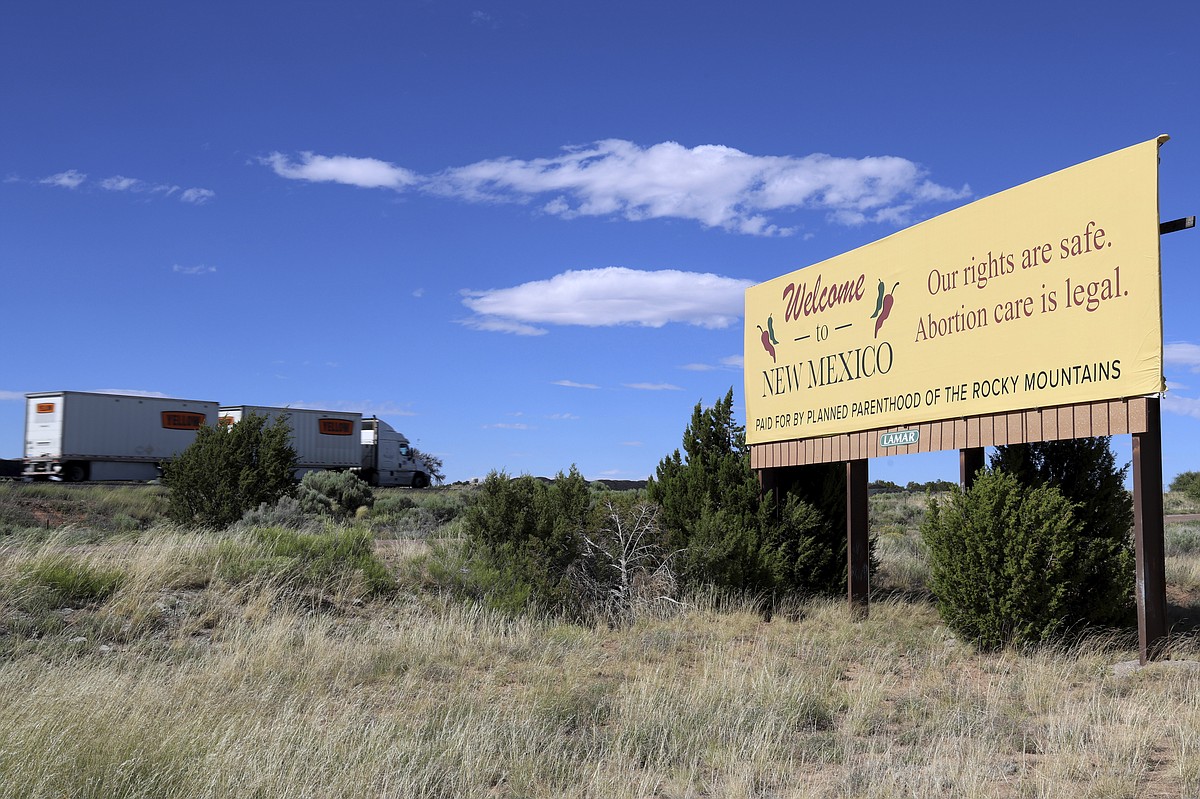
Abortion is legal in New Mexico at all stages of pregnancy. As of 2026, the state remains one of the most protective jurisdictions in the United States for reproductive healthcare. There are no gestational limits, no mandatory waiting periods, and no parental notification requirements, making New Mexico a primary access hub for the Southwestern United States.
New Mexico’s legal landscape regarding reproductive rights has undergone significant reinforcement over the last several years. Following the 2022 U.S. Supreme Court decision in Dobbs v. Jackson, which overturned the federal right to abortion, New Mexico moved decisively to codify protections and expand access. This article provides a detailed analysis of the current statutes, patient rights, insurance coverage, and the practicalities of obtaining care within the state.
The Legal Framework: Why Abortion is Legal in New Mexico
The legality of abortion in New Mexico is grounded in both the repeal of antiquated statutes and the enactment of proactive new laws. Unlike many states that maintained "trigger laws" intended to ban abortion immediately after the fall of Roe v. Wade, New Mexico took the opposite path.
The Repeal of the 1969 Ban
In 2021, the New Mexico Legislature passed Senate Bill 10, the "Abortion Ban Repeal." This was a landmark piece of legislation that removed a 1969 statute from the state books. The old law had made performing an abortion a felony, with narrow exceptions for the life of the pregnant person or in cases of rape. While the law had been unenforceable since 1973 due to federal precedent, its repeal ensured that abortion remained legal under state law regardless of federal shifts.
The Reproductive Health Provider Protection Act
In 2023, Governor Michelle Lujan Grisham signed the Reproductive Health Provider Protection Act (often referred to as a "Shield Law"). This law is critical in 2026 because it protects healthcare providers and patients from out-of-state legal interference. Given that New Mexico borders several states with near-total bans, such as Texas and Oklahoma, this act prevents state agencies from cooperating with out-of-state investigations, subpoenas, or summons related to reproductive healthcare that is legal in New Mexico.
The Reproductive Freedom Act
Also enacted in 2023, the Reproductive Freedom Act prohibits local public bodies—such as city councils or county commissions—from enacting ordinances that restrict access to reproductive healthcare. This was a direct response to several "sanctuary city for the unborn" ordinances attempted in eastern New Mexico. The law ensures that the right to care is uniform across the entire state, from Albuquerque to the most rural border towns.
Gestational Limits and Medical Standards
One of the most frequently asked questions regarding New Mexico law is the "gestational limit," or the point in pregnancy after which abortion is no longer legal.
Absence of Statutory Limits
New Mexico law does not impose a specific week-based limit on abortion. In legal terms, this means that the decision to terminate a pregnancy is left to the patient and their healthcare provider at any point during the pregnancy. New Mexico is one of only a handful of states with this level of legal latitude.
Clinical Realities and Late-Term Care
While the law does not set a limit, clinical practice is governed by medical necessity, provider training, and facility capabilities. Most clinics in New Mexico provide care up to 20 or 24 weeks. A very small number of specialized clinics in Albuquerque offer care into the third trimester, typically in cases of severe fetal anomalies or significant risks to the pregnant person’s health.
In 2026, these facilities remain essential resources, as they are among the only providers in the nation capable of handling complex, later-term cases. Patients seeking care late in pregnancy often undergo a rigorous medical screening process to determine the safest and most appropriate course of action.
Access Requirements and Patient Rights
New Mexico has eliminated most of the "TRAP" (Targeted Regulation of Abortion Providers) laws that exist in other states to hinder access.
- No Mandatory Waiting Periods: Patients are not required to wait 24 or 48 hours between a consultation and the procedure. In many cases, care can be provided on the same day as the initial appointment.
- No Mandatory Counseling Scripts: Providers are not legally required to give patients state-mandated "informed consent" materials that often contain medically inaccurate information designed to discourage abortion.
- Parental Involvement: There is no requirement for minors to notify or obtain consent from a parent or guardian. New Mexico law recognizes the right of minors to consent to their own reproductive healthcare, a protection that has been upheld to ensure the safety of youth in abusive or unsupportive households.
- Telehealth Access: Medication abortion (via pills) is widely available through telehealth. Patients can consult with a New Mexico-licensed provider via video call and receive medication by mail at a New Mexico address.
Insurance Coverage and Financial Assistance
Financial barriers are often the most significant hurdle for patients. New Mexico has some of the most robust protections for abortion funding in the country.
Medicaid Coverage
Unlike many states that adhere to the federal Hyde Amendment (which restricts federal funds from being used for abortion), New Mexico uses state funds to cover abortion care for Medicaid recipients. Following the 1998 New Mexico Supreme Court ruling in New Mexico Right to Choose/NARAL v. Johnson, the state is required to provide the same level of coverage for abortion as it does for other medically necessary services under the Centennial Care (Medicaid) program.
Private Insurance Mandates
State law requires that most private health insurance plans regulated by the New Mexico Office of Superintendent of Insurance cover abortion services. Furthermore, these plans are generally prohibited from imposing higher cost-sharing (like specialized deductibles or co-pays) for abortion than they do for other basic healthcare services.
Abortion Funds
For those who are uninsured or traveling from out of state, several organizations provide financial and logistical support:
- New Mexico Religious Coalition for Reproductive Choice (NMRCRC): Provides practical support, including lodging, transportation, and meals for people traveling to New Mexico for care.
- Indigenous Women’s Rising: An Indigenous-led fund that helps Native patients navigate the costs of abortion care.
- The West Fund: While based in the border region, they frequently assist patients navigating the New Mexico/Texas corridor.
Regional Comparison: New Mexico vs. Neighboring States
To understand the importance of New Mexico’s legal status in 2026, it is helpful to compare it to the surrounding region.
| Feature | New Mexico | Texas | Arizona | Oklahoma |
|---|---|---|---|---|
| Legal Status | Legal | Banned (with rare exceptions) | Legal up to 15 weeks | Banned (with rare exceptions) |
| Gestational Limit | None | N/A | 15 Weeks | N/A |
| Waiting Period | None | 24 Hours (if legal) | 24 Hours | 72 Hours (if legal) |
| Telehealth Access | Yes | Prohibited | Restricted | Prohibited |
| Public Funding | Yes (Medicaid) | No | No | No |
| Shield Law | Yes | No | No | No |
The Role of Local Ordinances and Litigation
A significant point of tension in New Mexico has been the conflict between state law and local municipalities in more conservative areas of the state.
Between 2022 and 2024, cities like Hobbs and Clovis, and counties like Lea and Roosevelt, attempted to pass local ordinances aimed at blocking abortion clinics from opening or preventing the shipment of abortion medications through the mail (citing the federal Comstock Act of 1873).
In response, the New Mexico Supreme Court intervened. The court clarified that the state’s constitution and the newly passed Reproductive Freedom Act (2023) override local authority in matters of healthcare. As of 2026, these local ordinances are largely considered unenforceable, though political tensions remain high in these regions. Patients should be aware that while the law is uniform, the "cultural climate" may vary between a city like Albuquerque and smaller towns near the Texas border.
Types of Abortion Care Available
Patients in New Mexico can access two primary types of abortion care, depending on their health history, the length of the pregnancy, and personal preference.
1. Medication Abortion (The "Abortion Pill")
This typically involves a two-drug regimen: Mifepristone and Misoprostol.
- Eligibility: Generally available up to 10 or 11 weeks of pregnancy.
- Process: The first pill (Mifepristone) blocks progesterone, the hormone needed to maintain a pregnancy. The second pill (Misoprostol), taken 24–48 hours later, causes the uterus to empty.
- Availability: Can be obtained in person at a clinic or via telehealth. In 2026, New Mexico remains a leader in "mail-order" reproductive care within state lines.
2. Procedural Abortion (In-Clinic)
These are minor medical procedures performed by trained clinicians.
- Aspiration (Suction) Abortion: The most common method for the first trimester (up to 12-14 weeks). It is a quick, 5-to-10-minute procedure usually performed with local anesthesia or sedation.
- Dilation and Evacuation (D&E): Typically performed in the second trimester (after 14 weeks). This procedure may take longer and often requires more advanced cervical preparation.
- Induction Abortion: In rare, later-term cases, a patient may undergo a labor-induction process in a hospital or specialized surgical center.
Finding a Provider and Ensuring Safety
Because New Mexico is a "destination state" for care, clinics in Albuquerque, Santa Fe, and Las Cruces often operate at high capacity.
Identifying Legitimate Clinics
Patients are encouraged to use verified directories such as the National Abortion Federation (NAF) or AbortionFinder.org. It is important to distinguish between licensed medical clinics and "Crisis Pregnancy Centers" (CPCs). CPCs often appear in search results for "abortion clinics" but do not provide abortion services or referrals. They are typically faith-based organizations designed to persuade patients against having an abortion.
Privacy and Security
New Mexico has strong patient privacy laws, but those traveling from states with "bounty-hunter" laws (like Texas SB8) should take extra precautions with their digital footprint. Experts recommend using encrypted messaging apps (like Signal) and virtual private networks (VPNs) when researching care or communicating with providers.
Frequently Asked Questions
Is it legal for someone from Texas to get an abortion in New Mexico? Yes. It is entirely legal to travel to New Mexico to receive healthcare that is legal in the state. New Mexico’s "Shield Law" specifically protects out-of-state patients from being penalized by New Mexico authorities. However, patients should consult with legal experts regarding the specific laws of their home state, as New Mexico cannot prevent another state from attempting to enforce its own civil or criminal codes against its residents once they return home.
Do I need a New Mexico ID to get an abortion there? No. You do not need to be a resident of New Mexico to receive care at a clinic. You will need a form of identification for medical record purposes, but it does not have to be a New Mexico driver's license.
How much does an abortion cost in New Mexico in 2026? Costs vary by clinic and gestational age. A medication abortion typically costs between $500 and $800. First-trimester procedural abortions range from $600 to $1,000. Costs increase significantly in the second and third trimesters due to the complexity of the care and the need for specialized staffing. Financial assistance is often available through the abortion funds mentioned earlier.
Is telehealth for abortion legal? Yes. Telehealth for medication abortion is legal and widely utilized in New Mexico. A patient must be physically located within New Mexico state lines during their consultation, and the medication must be shipped to a New Mexico address.
Are there protests at New Mexico clinics? While abortion is legal, some clinics do experience protesters. New Mexico does not have a statewide "buffer zone" law, but many clinics have private security and volunteer escorts to help patients enter the building safely and comfortably.
Summary of Next Actions
If you are seeking abortion care in New Mexico, your first step should be to confirm the length of your pregnancy, which can be estimated from the first day of your last menstrual period. Once you have this information, contact a licensed provider in Albuquerque, Santa Fe, or Las Cruces to schedule a consultation. If you are concerned about costs, ask the clinic if they work with the New Mexico Religious Coalition for Reproductive Choice or other funding partners.
For those traveling from out of state, ensure you have a safe transportation plan and be aware that New Mexico’s legal protections are designed to keep your medical records confidential and secure from out-of-state inquiry.