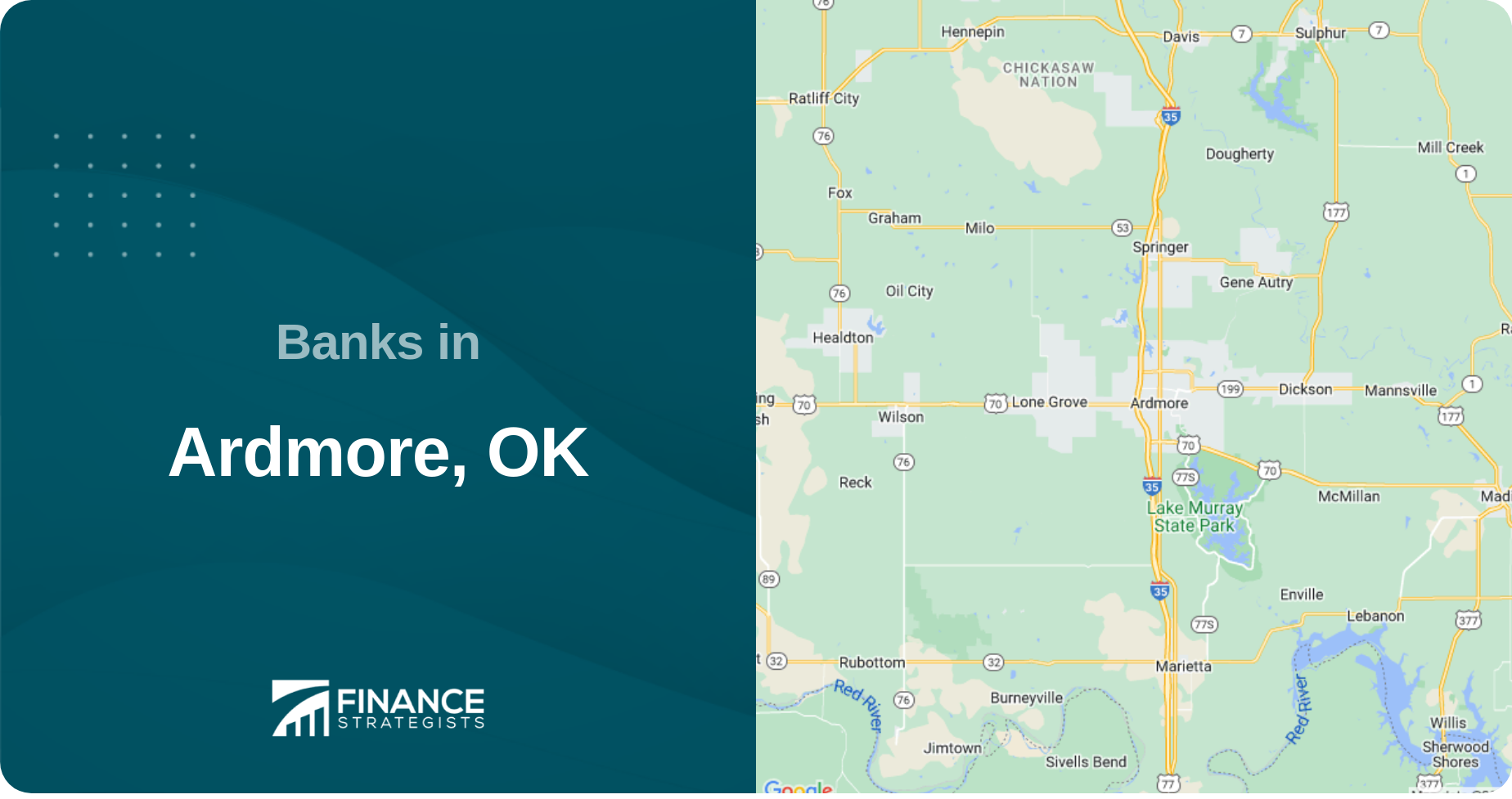
As of early 2026, the population of Ardmore, Oklahoma, is estimated to be approximately 25,850 residents. This figure reflects a steady, moderate growth rate of roughly 0.6% annually since the 2020 Census. As the seat of Carter County and a primary regional hub between Oklahoma City and Dallas, Ardmore maintains a critical role in the economic and demographic landscape of South Central Oklahoma.
The population dynamics of Ardmore are shaped by its strategic location along the Interstate 35 corridor, a robust manufacturing base, and its status as a center for healthcare and retail for a multi-county trade area. Understanding the nuances of these numbers requires looking beyond the raw total to examine the age distribution, economic migration, and the specific socioeconomic factors that define this micropolitan area.
Historical Context: From Oil Boom to Steady Growth
To understand the 2026 population of Ardmore, one must look at the historical trajectory that established the city as a regional anchor. Ardmore was founded in 1887 and quickly grew due to its location on the Santa Fe Railroad and the subsequent discovery of oil in the Healdton field in the early 20th century. Unlike many Oklahoma towns that experienced "boom and bust" cycles, Ardmore transitioned into a more diversified economy, which helped stabilize its population over several decades.
In the 1990s and 2000s, the population hovered between 23,000 and 24,000. The 2010 Census recorded 24,283 residents, while the 2020 Census showed a climb to 24,725. This slow but consistent upward trend has continued through the mid-2020s. This stability is largely attributed to the presence of long-term industrial employers and the city’s proactive approach to infrastructure development, which prevents the mass exodus often seen in smaller rural communities.
Current 2026 Demographic Profile
The demographic makeup of Ardmore in 2026 reveals a community that is more diverse than many other Oklahoma cities of its size. The city’s identity is forged by a blend of long-term residents, workers moving for industrial jobs, and a significant Native American presence.
Age and Gender Distribution
The median age in Ardmore is approximately 36.4 years, slightly lower than the national average. This indicates a healthy balance between a workforce-ready population and retirees.
- Youth (Under 18): Approximately 24% of the population, highlighting the need for robust educational services and family-oriented amenities.
- Working Age (18-64): Roughly 59% of the population, which fuels the local manufacturing and retail sectors.
- Seniors (65+): About 17%, a segment that has grown slightly as Ardmore becomes an attractive regional center for healthcare and assisted living.
Gender distribution remains nearly equal, with a slight edge toward females (51.2% to 48.8%), consistent with national demographic trends.
Racial and Ethnic Composition
Ardmore’s racial diversity is a defining characteristic of its population. Based on the most recent projections leading into 2026, the breakdown is as follows:
- White: 68.5%
- Black or African American: 9.2%
- Native American: 7.8% (With a strong influence from the Chickasaw Nation)
- Hispanic or Latino: 11.4%
- Two or More Races: 3.1%
The Hispanic population has seen the most significant percentage growth over the last decade, mirroring trends across the Southern United States as families move to the area for construction and service-sector opportunities.
Economic Drivers Influencing Population Retention
Population growth in Ardmore is not accidental; it is driven by a labor market that punches above its weight class for a city of this size. The "daytime population" of Ardmore often swells significantly as workers from surrounding rural areas commute into the city.
The Manufacturing Sector
The presence of major employers like Michelin North America, which operates one of the largest tire manufacturing plants in the United States, provides a backbone for the local population. These high-skill, high-wage jobs encourage families to settle permanently in Ardmore rather than commuting from larger metros. Similarly, the Valero Refinery and various distribution centers utilize the I-35 corridor, ensuring a steady demand for labor.
Healthcare and Regional Services
As the home to Mercy Hospital Ardmore, the city serves as a medical destination for residents within a 50-mile radius. This concentration of specialized services supports a large professional class of physicians, nurses, and technicians, contributing to the city's median household income, which is estimated at $54,200 in 2026.
Comparison with Surrounding Micropolitan Areas
When analyzing the population of Ardmore, it is helpful to compare it with other regional hubs in Oklahoma. Ardmore often competes for investment and talent with cities like Durant, Ada, and Duncan.
| City | Estimated 2026 Population | Annual Growth Rate | Median Household Income |
|---|---|---|---|
| Ardmore | 25,850 | 0.6% | $54,200 |
| Durant | 21,100 | 1.1% | $51,800 |
| Duncan | 22,400 | -0.2% | $53,100 |
| Ada | 16,950 | 0.3% | $49,500 |
As shown in the table, while Durant is growing at a faster rate due to the expansion of the Choctaw Nation’s headquarters and casino operations, Ardmore maintains a larger population base and a slightly higher median income, largely due to its established industrial diversity.
Housing and Infrastructure: Managing the Growth
A population of nearly 26,000 residents places specific demands on a city’s infrastructure. In recent years, Ardmore has faced a "housing squeeze," where the demand for modern, single-family homes has outpaced supply.
Residential Development
To accommodate the 2026 population, city planners have authorized several new subdivisions on the northern and western outskirts of the city. There has also been a concerted effort to revitalize the downtown area, converting historical buildings into "lofts" to attract younger professionals who desire an urban living experience within a smaller city context.
Education and Public Schools
The Ardmore Public School District and the neighboring Plainview School District are critical factors for the city’s population growth. Plainview, in particular, has seen significant residential development within its boundaries, as it is often cited as a top-performing district in the state. This "school-driven migration" is a common phenomenon in Ardmore, where families move to specific zones to access preferred educational opportunities.
The Impact of the Chickasaw Nation
The Chickasaw Nation plays an oversized role in the demographic and economic health of Ardmore. As a sovereign tribal government, their investments in health clinics, wellness centers, and cultural sites provide essential services to both tribal citizens and the general population.
The Chickasaw Nation’s presence also contributes to the "cultural population" of Ardmore. Events, museums, and community programs foster a sense of place that attracts tourists and new residents alike. In terms of population data, the tribal citizenship within the Ardmore micropolitan area is a major factor in the city's resilience against economic downturns, as tribal government operations are less susceptible to the market fluctuations that affect the private sector.
Challenges to Population Expansion
Despite the steady growth, Ardmore faces hurdles that could impact its population trajectory through the late 2020s.
- Workforce Housing: While high-end homes are being built, there is a shortage of "workforce housing"—homes priced for entry-level industrial workers and teachers.
- Infrastructure Aging: Like many established cities, Ardmore’s older neighborhoods require significant investment in water and sewer infrastructure to support increased density.
- Brain Drain: While Ardmore retains many industrial workers, it continues to compete with Oklahoma City and the Dallas-Fort Worth Metroplex for college graduates who seek niche professional services or entertainment options not currently available in a mid-sized city.
Frequently Asked Questions (FAQs)
What is the projected population of Ardmore, OK, for 2030?
Based on current growth trends of 0.6% annually, Ardmore’s population is projected to reach approximately 26,500 by 2030. This growth is contingent on continued industrial stability and the successful completion of planned residential developments.
How does the population density of Ardmore compare to other Oklahoma cities?
Ardmore has a population density of roughly 480 people per square mile. This is considerably lower than Oklahoma City (approx. 1,100 per sq mile) but higher than many rural communities in Carter County. This density allows for a "small town feel" while still providing enough of a customer base to support national retail chains and diverse dining options.
Is Ardmore, OK, growing or shrinking?
Ardmore is growing. While the growth is not as explosive as the suburbs of Tulsa or Oklahoma City, it has maintained a steady upward climb for over two decades. Unlike some parts of Western Oklahoma that have seen declines due to agricultural shifts, Ardmore’s diversified economy keeps its numbers rising.
How many people live in the Ardmore Micropolitan Statistical Area?
The Ardmore Micropolitan Statistical Area, which encompasses all of Carter County, has a population of approximately 50,000 to 52,000 residents in 2026. Ardmore serves as the primary commerce and service hub for this entire group.
What is the largest age group in Ardmore?
The largest age group in Ardmore is the 25–44 demographic. This is primarily due to the city’s strong manufacturing and healthcare sectors, which attract individuals in their peak earning years.
Summary of Next Steps for Researchers and Residents
For those tracking the population of Ardmore for investment or relocation purposes, the data suggests a community in a state of "controlled growth."
- For Investors: Focus on multi-family housing and "missing middle" residential units, as the current population growth is outpacing the availability of affordable entry-level homes.
- For Residents: Monitor city council meetings regarding the "Ardmore 2030 Comprehensive Plan," which outlines how the city intends to manage zoning and infrastructure as the population nears the 27,000 mark.
- For Businesses: The daytime population surge makes Ardmore an ideal location for service-based businesses, as the effective customer base is nearly double the resident population during working hours.
Ardmore remains a quintessential example of an Oklahoma regional hub: stable, diverse, and strategically positioned for continued relevance in the state's economic future.