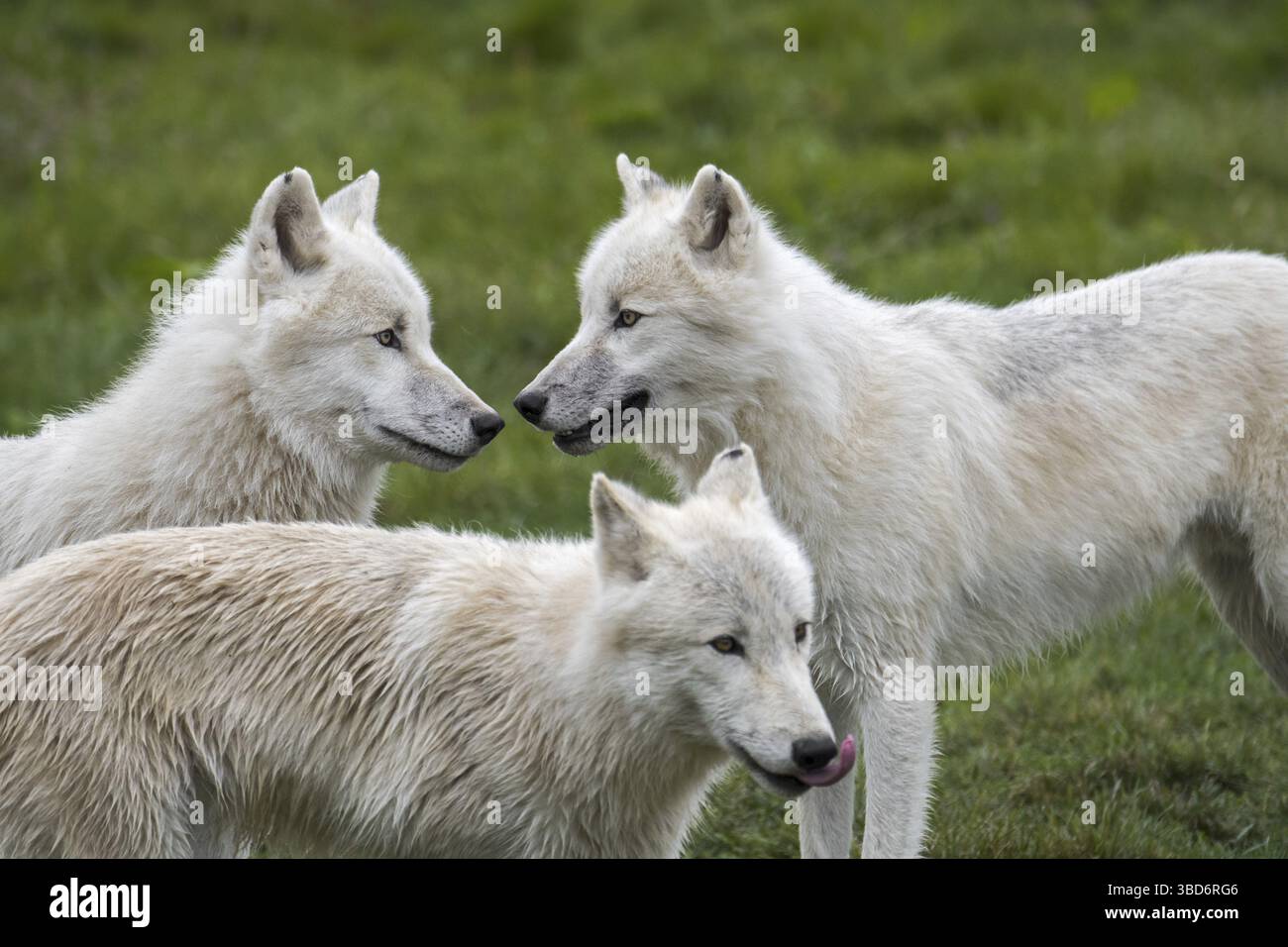
Arctic wolves typically weigh between 70 and 125 pounds (32 to 57 kg), though exceptional males in prime condition can reach up to 175 pounds. This body mass is a critical adaptation for heat retention and provides the necessary physical leverage required to hunt large ungulates like muskoxen in the harsh, unforgiving High Arctic environment.
The Arctic wolf (Canis lupus arctos), a subspecies of the gray wolf, represents one of the most resilient predators on Earth. Living in the extreme latitudes of North America and Greenland, these animals have evolved specific physical characteristics that differentiate them from their southern counterparts. Among these traits, weight and body composition are perhaps the most vital for their continued existence in a landscape where temperatures frequently drop below -50 degrees Fahrenheit.
The Biological Foundation of Arctic Wolf Mass
When analyzing Arctic wolf weight, it is essential to consider Bergmann’s Rule. This biological principle suggests that within a broadly distributed taxonomic group, populations and species of larger size are found in colder environments, while populations and species of smaller size are found in warmer regions. For the Arctic wolf, having a larger body mass relative to surface area is an evolutionary masterstroke for thermoregulation.
A larger body contains more cells, which generate more internal heat. However, heat is lost through the skin. By being stockier and heavier, the Arctic wolf minimizes its surface-area-to-volume ratio, significantly reducing the rate of heat loss. This is further supported by their physical proportions; Arctic wolves have shorter legs, smaller ears, and a blunter muzzle than other gray wolf subspecies, all of which contribute to a compact, heat-efficient frame.
Weight Distribution and Body Composition
The total weight of an Arctic wolf is not merely a matter of muscle and bone. In the year 2026, wildlife biologists continue to emphasize the importance of the subcutaneous fat layer. During the brief summer months and successful hunting periods in autumn, these wolves prioritize the accumulation of adipose tissue.
This fat serves a dual purpose:
- Insulation: It acts as a secondary barrier beneath their thick, double-layered pelage, preventing core temperature drops.
- Energy Reserve: In the High Arctic, prey can be scarce for weeks. A healthy weight provides a caloric "savings account" that the wolf can draw upon during lean periods.
Average Weight Ranges by Gender and Age
Weight in Arctic wolves is subject to significant sexual dimorphism. On average, males are noticeably heavier and more muscular than females, a trait common among social carnivores where males often lead high-risk hunts or defend territories.
Adult Males
An adult male Arctic wolf generally falls within the 90 to 125-pound (41 to 57 kg) range. In regions with high prey density—specifically those with stable muskox populations—it is not uncommon to find males exceeding 140 pounds. These "alpha" individuals require this mass to act as the primary "anchors" during a hunt, using their weight to pull down prey that may weigh ten times as much as they do.
Adult Females
Females are typically smaller, weighing between 70 and 100 pounds (32 to 45 kg). While they lack the sheer bulk of the males, their lighter weight often makes them more agile, allowing them to play the role of "flushers" or "chasers" during complex pack maneuvers. The weight of a female is also a primary indicator of reproductive health; females that fall below a certain weight threshold may fail to enter estrus or may be unable to support a litter of pups through the nursing stage.
Pups and Juveniles
The growth rate of Arctic wolf pups is staggering. Born at roughly 1 pound, they must reach a self-sustaining weight before the onset of the brutal Arctic winter. By six months of age, a healthy juvenile can weigh between 50 and 60 pounds. This rapid weight gain is facilitated by the high-protein, high-fat diet provided by the pack, which often regurgitates food for the young.
Seasonal Weight Fluctuations and Dietary Impact
The weight of an Arctic wolf is never static. It is a dynamic variable that shifts with the seasons. In the High Arctic, the concept of a "daily meal" does not exist. Instead, wolves exist in a cycle of "feast and famine."
The "Gorge" Effect
Arctic wolves are capable of consuming up to 20 pounds (9 kg) of meat in a single sitting. This "gorge feeding" behavior causes an immediate and dramatic spike in body weight. Scientists monitoring GPS-collared wolves in 2026 have noted that a wolf's weight can fluctuate by as much as 15-20% in a single day following a successful kill of a large animal like a caribou.
Winter Attrition
During the dark winter months, when prey is harder to locate and the caloric cost of movement increases due to deep snow, wolves often lose a significant portion of their body mass. It is estimated that an Arctic wolf can lose up to 10-15% of its peak autumn weight by the time spring arrives. If a wolf begins the winter underweight due to a poor summer hunting season, its chances of survival are markedly lower.
Comparative Weight: Arctic Wolf vs. Other Subspecies
To understand the specific niche of the Arctic wolf, it is helpful to compare its weight with other well-known gray wolf subspecies.
| Subspecies | Common Name | Avg. Weight (Male) | Avg. Weight (Female) | Primary Habitat |
|---|---|---|---|---|
| Canis lupus arctos | Arctic Wolf | 90–125 lbs | 70–100 lbs | High Arctic Islands, Greenland |
| Canis lupus occidentalis | Northwestern Wolf | 100–145 lbs | 85–110 lbs | Alaska, Western Canada |
| Canis lupus nubilus | Great Plains Wolf | 70–110 lbs | 60–90 lbs | Central North America |
| Canis lupus baileyi | Mexican Wolf | 60–80 lbs | 50–70 lbs | Sierra Madre, Mexico/SW USA |
| Canis lupus arababs | Arabian Wolf | 40–55 lbs | 35–45 lbs | Arabian Peninsula |
While the Northwestern wolf (or Timber wolf) can technically reach higher maximum weights, the Arctic wolf is often "stouter" in its build. The weight of the Arctic wolf is concentrated in a more compact frame, which is an intentional evolutionary design for the cold, whereas the Northwestern wolf has longer limbs suited for the deep forests and varied terrain of the mainland.
Factors Influencing Weight in 2026
As of 2026, several environmental factors are actively influencing the average weights of Arctic wolf populations. Climate change remains the most significant variable, though its effects are complex and non-linear.
Prey Availability and Migration
The primary food sources for Arctic wolves—muskoxen and Peary caribou—are experiencing shifts in their migration patterns. Unseasonal "rain-on-snow" events can create ice layers that prevent these herbivores from reaching the grass beneath. When prey populations starve or fail to reproduce, the wolves' average weight drops. Conversely, in areas where caribou are forced into smaller ranges, wolves may temporarily see a weight increase due to easier hunting, though this is often a precursor to a population crash.
Human Encroachment and Research
Advancements in non-invasive weighing technology in 2026 have allowed researchers to gather more accurate data without tranquilizing animals. Using calibrated visual scales and drone-based photogrammetry, scientists can now estimate a wolf's weight and body condition index (BCI) from a distance. This data shows that wolves near research stations or areas with minimal human disturbance tend to maintain more stable weights compared to those in regions affected by industrial exploration or shifting ice leads.
The Role of Weight in Pack Hierarchy
In wolf society, physical stature and weight are closely tied to social standing. While the "alpha" or breeding pair is not always the largest by weight, there is a strong correlation between physical robustness and the ability to maintain dominance.
A heavier wolf is better equipped to:
- Defend Territory: Weight provides a distinct advantage in physical confrontations with lone dispersers or rival packs.
- Provide for the Pack: The heaviest wolves are often the ones who can break the neck of a muskox or hold down a struggling caribou, ensuring the survival of the entire group.
- Survive Injury: A wolf with higher fat reserves can survive longer during the recovery period from a broken bone or a deep kick from a prey animal.
Challenges in Measuring Arctic Wolf Weight
Obtaining accurate weight measurements in the High Arctic is a logistical nightmare. Historically, most weight data came from "trophy" animals or those culled for management purposes. However, these figures were often skewed toward the larger end of the spectrum.
Modern research emphasizes the "Empty Weight" vs. "Loaded Weight" distinction. Because a wolf's stomach can hold so much, a wolf weighed after a meal might appear significantly healthier than it actually is. In 2026, the standard scientific protocol is to look at the Body Condition Index, which takes into account the ratio of weight to skeletal frame size. A wolf with a large frame but low weight is at much higher risk than a smaller wolf with a high weight-to-frame ratio.
Frequently Asked Questions
What is the maximum weight recorded for an Arctic wolf?
While the average maximum is around 125 pounds, there have been verified reports of exceptionally large males weighing up to 175 pounds (79 kg). These individuals are usually found in areas with an abundance of muskoxen, where the caloric intake far exceeds the energy expenditure required for the hunt.
How does an Arctic wolf's weight help it survive the winter?
Weight serves as both insulation and an energy reserve. The subcutaneous fat layer helps maintain a core temperature of approximately 100°F (38°C) even when external temperatures are far below zero. Additionally, when prey is scarce, the wolf metabolizes its own fat stores to survive.
Do Arctic wolves weigh more than Timber wolves?
Generally, no. The Northwestern wolf (often called the Timber wolf) is the largest subspecies of gray wolf and can reach weights of up to 145–150 pounds on average. However, the Arctic wolf is more "compactly" built, appearing stockier than the longer-limbed Timber wolf.
How much weight do Arctic wolf pups gain in their first year?
Arctic wolf pups experience one of the fastest growth rates of any canid. They can go from roughly 1 pound at birth to 60 pounds or more in just six months. This rapid development is essential so they can keep up with the pack's movements before the winter darkness sets in.
How does prey scarcity affect the average weight of a pack?
Prolonged prey scarcity leads to a rapid decline in pack weight, particularly among sub-adults and the elderly. If a pack's average weight drops significantly, they may stop breeding entirely, as the females will not have the nutritional reserves to support a pregnancy or lactation.
Next Actions for Wildlife Enthusiasts
For those interested in the ongoing health and weight trends of Arctic wolf populations, supporting organizations that conduct non-invasive Arctic research is paramount. Monitoring the Arctic Body Condition Index is currently a primary focus for the World Wildlife Fund (WWF) and the International Wolf Center. By tracking these metrics, scientists can gain early warnings about ecosystem shifts that may not be visible through population counts alone.
Understanding the weight of the Arctic wolf is more than a study of numbers; it is an investigation into the limits of mammalian endurance. These "ghosts of the north" remain a testament to the power of evolutionary adaptation in the face of the most extreme conditions on our planet.