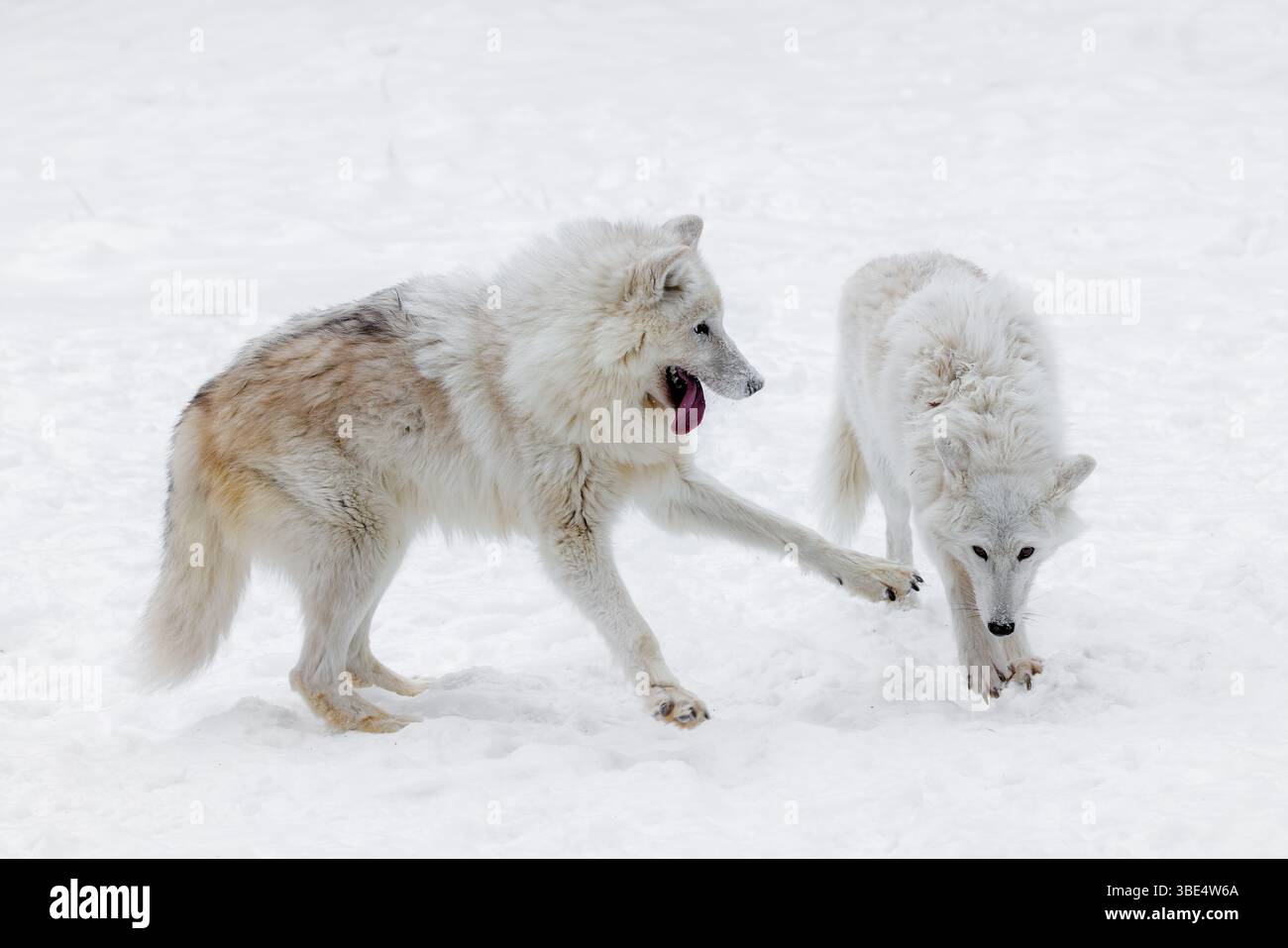
Arctic wolves thrive in the arctic tundra by utilizing specialized physiological adaptations, such as multi-layered white fur and shorter extremities to minimize heat loss. Their success is driven by highly cooperative pack structures, nomadic hunting strategies targeting muskoxen and caribou, and a unique ability to navigate the High Arctic’s permafrost-heavy landscape.
Evolutionary Specializations for Sub-Zero Temperatures
The Arctic wolf (Canis lupus arctos), a subspecies of the gray wolf, represents one of the most resilient predators on the planet. While other wolf subspecies migrated south as the Pleistocene epoch ended, the Arctic wolf remained in the High Arctic, evolving specific traits to withstand temperatures that frequently plummet below -50°C (-58°F). To thrive in the arctic tundra, these animals have undergone significant morphological changes that distinguish them from their southern counterparts.
Insulation and the Double-Layered Coat
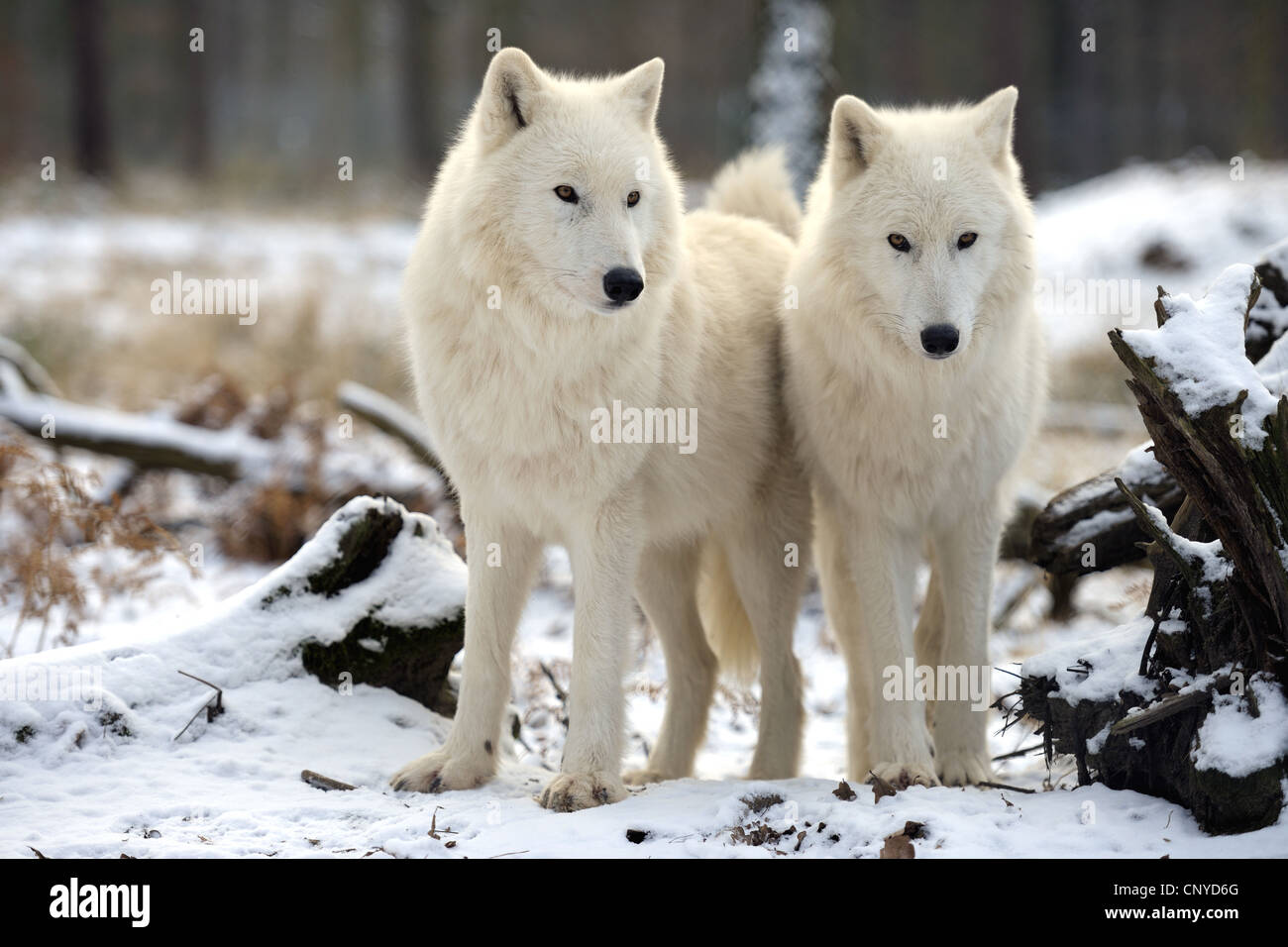
The most visible adaptation is the wolf’s thick, white coat. This is not merely for camouflage against the snow; it is a sophisticated thermal barrier. The coat consists of two distinct layers. The inner layer is a dense, woolly down that sits close to the skin, trapping a layer of air warmed by the wolf’s body heat. The outer guard hairs are longer and water-resistant, designed to shed moisture and prevent ice from forming against the skin.
This white coloration provides a dual advantage. During the long winter months, it allows the wolf to approach prey undetected across vast, open snowfields. Interestingly, even during the brief summer months when the tundra turns shades of brown and gray, many Arctic wolves retain their white coats, as the light color reflects solar radiation and helps prevent overheating during periods of high activity.
Morphological Adaptations: Allen’s Rule
In biological terms, the Arctic wolf is a prime example of Allen’s Rule, which states that animals in colder climates evolve shorter limbs and appendages to minimize surface area and reduce heat loss. Compared to the timber wolf or the gray wolf of the temperate forests, the Arctic wolf has noticeably shorter ears, a more rounded muzzle, and shorter legs.
By reducing the length of these extremities, the wolf limits the amount of blood that must circulate through areas susceptible to frostbite. Furthermore, their paws are significantly larger in proportion to their body size than those of other wolves. These "snowshoe" paws distribute the wolf's weight more evenly across soft snow, allowing them to chase prey without sinking, a critical advantage when pursuing heavy-hoofed ungulates like muskoxen.
Hunting Strategies and the Tundra Food Web
Survival in the High Arctic is a game of caloric math. In an environment where food is scarce and widely dispersed, the Arctic wolf must be an opportunist and a master strategist. Unlike wolves in the southern regions that may have a variety of prey choices, the Arctic wolf relies heavily on a few key species: the muskox, the Barren-ground caribou, and the Arctic hare.
The Pursuit of Megafauna
The muskox is the primary prey for many Arctic wolf packs. These ancient herbivores are formidable, often forming defensive circles with their horns facing outward to protect their young. To overcome this, Arctic wolves utilize a strategy of psychological warfare and physical endurance. They may harass a herd for hours or even days, looking for a moment of panic that breaks the formation. Once a gap opens, the pack works in unison to isolate a calf or an elderly individual.
Dietary Flexibility and Scavenging
Because successful hunts of large mammals are not guaranteed, the Arctic wolf has evolved to be less picky than other predators. They are known to eat almost every part of their kill, including skin, fur, and bones. Their powerful jaws can crush thick leg bones to reach the marrow, providing essential fats and minerals that are otherwise unavailable.
During the summer months, when the tundra undergoes a brief explosion of life, the wolves supplement their diet with Arctic hares, lemmings, and nesting ground birds. In 2026, research into the stomach contents of High Arctic packs has even shown instances of wolves consuming marine life, such as beached seals or fish, indicating a level of dietary plasticity that is essential for long-term survival in an unpredictable climate.
Navigating the Permafrost: Territory and Denning
The arctic tundra is characterized by a layer of permanently frozen subsoil known as permafrost. This presents a unique challenge for a species that typically digs underground dens to raise its young. Because they cannot penetrate the frozen earth, Arctic wolves must adapt their reproductive and territorial behaviors.
Cave Denning and Rock Outcrops
Instead of digging, Arctic wolves seek out natural rock outcroppings, caves, or shallow depressions in the lee of hills. These sites are often used by the same pack for generations. Because suitable denning sites are rare, they become focal points of the pack’s territory. In the Canadian Arctic Archipelago and northern Greenland, some dens have been found to be hundreds of years old, evidenced by the accumulation of bones and nutrient-rich soil that supports localized vegetation growth.
Massive Territorial Ranges
Because the density of prey is so low in the High Arctic, Arctic wolf territories are among the largest of any land predator. A single pack may patrol an area of over 2,500 square kilometers (roughly 1,000 square miles). They are nomadic by necessity, following the seasonal migrations of caribou herds. This requires incredible physical stamina; a wolf may travel up to 50 kilometers in a single day across rugged, ice-choked terrain.
Social Structures and Reproductive Cycles
The social unit of the Arctic wolf is the pack, which typically consists of an alpha pair and their offspring. In the harsh tundra, the pack is more than a social hierarchy; it is a survival mechanism. Cooperation is mandatory for hunting large prey and for protecting pups during the vulnerable first months of life.
The Alpha Dynamic in 2026
In the current ecosystem of 2026, field observations continue to highlight the role of the alpha female in pack stability. While the alpha male often leads the hunt, the female is responsible for the strategic movements of the pack and the selection of denning sites.
The reproductive cycle is tightly synchronized with the brief Arctic summer. Pups are typically born in late May or June, giving them only a few months to grow large enough to survive the onset of the next winter in September. Because resources are so limited, usually only the alpha pair breeds. This natural population control ensures that the pack size does not exceed the "carrying capacity" of their territory.
Pup Development and Communal Care
Arctic wolf pups are born blind and deaf, weighing only about a pound. However, they grow at an extraordinary rate. By three months, they are expected to travel with the pack. This rapid development is supported by communal care; when the main pack is away hunting, a "babysitter" (often a yearling or a subordinate adult) remains at the den to protect the pups from predators like polar bears or snowy owls.
Comparative Overview: Arctic Wolf vs. Gray Wolf
To understand how the Arctic wolf has specialized to thrive in the tundra, it is helpful to compare it directly with the more common gray wolf found in temperate forests.
| Feature | Arctic Wolf (Canis lupus arctos) | Gray/Timber Wolf (Canis lupus) |
|---|---|---|
| Primary Habitat | High Arctic Tundra / Ice Fields | Forests, Grasslands, Mountains |
| Coat Color | Nearly pure white year-round | Gray, brown, black, or mottled |
| Ear Shape | Small and rounded (minimizes heat loss) | Larger and pointed |
| Body Size | Slightly smaller, stockier build | Larger, leaner frame |
| Average Pack Size | 2 to 20 (average 7-10) | 5 to 12 (can vary greatly) |
| Dietary Focus | Muskox, Caribou, Arctic Hare | Deer, Elk, Moose, Boar |
| Territory Size | Up to 2,500+ sq km | 200 to 1,000 sq km |
| Human Contact | Extremely low; no fear of humans | Moderate; generally avoid humans |
Challenges to Survival in the Modern Arctic
While the Arctic wolf is one of the few species on Earth that remains relatively undisturbed by direct human activity—largely because the High Arctic is too cold for significant human settlement—they are not immune to the shifts occurring in the global environment.
Climate Change and Prey Stability
The primary threat in 2026 is the increasing unpredictability of Arctic weather patterns. "Rain-on-snow" events have become more frequent. When rain falls on existing snow and then freezes, it creates a hard crust of ice that muskoxen and caribou cannot break through to reach the lichen and mosses underneath. This leads to mass starvation of prey species, which in turn causes wolf populations to crash.
Habitat Fragmentation
While humans do not live in the High Arctic in large numbers, industrial interests in mining and oil exploration are slowly encroaching on the southern edges of the tundra. Noise pollution and the construction of roads can disrupt the migratory paths of caribou. Since wolves are nomadic hunters that follow these herds, any disruption to the prey’s movement directly impacts the wolves' ability to thrive.
FAQ: Understanding the Arctic Wolf
Do Arctic wolves hibernate during the winter?
No, Arctic wolves do not hibernate. They remain active throughout the winter, even during the "Polar Night" when the sun does not rise for several months. They rely on their thick fur and high-fat diet to maintain their body temperature.
Are Arctic wolves endangered as of 2026?
Arctic wolves are currently classified as "Least Concern" by most conservation bodies because their habitat is so remote. However, they are considered vulnerable to climate change. Their populations are stable but fluctuate based on the availability of prey like muskoxen.
How do Arctic wolves communicate in such vast areas?
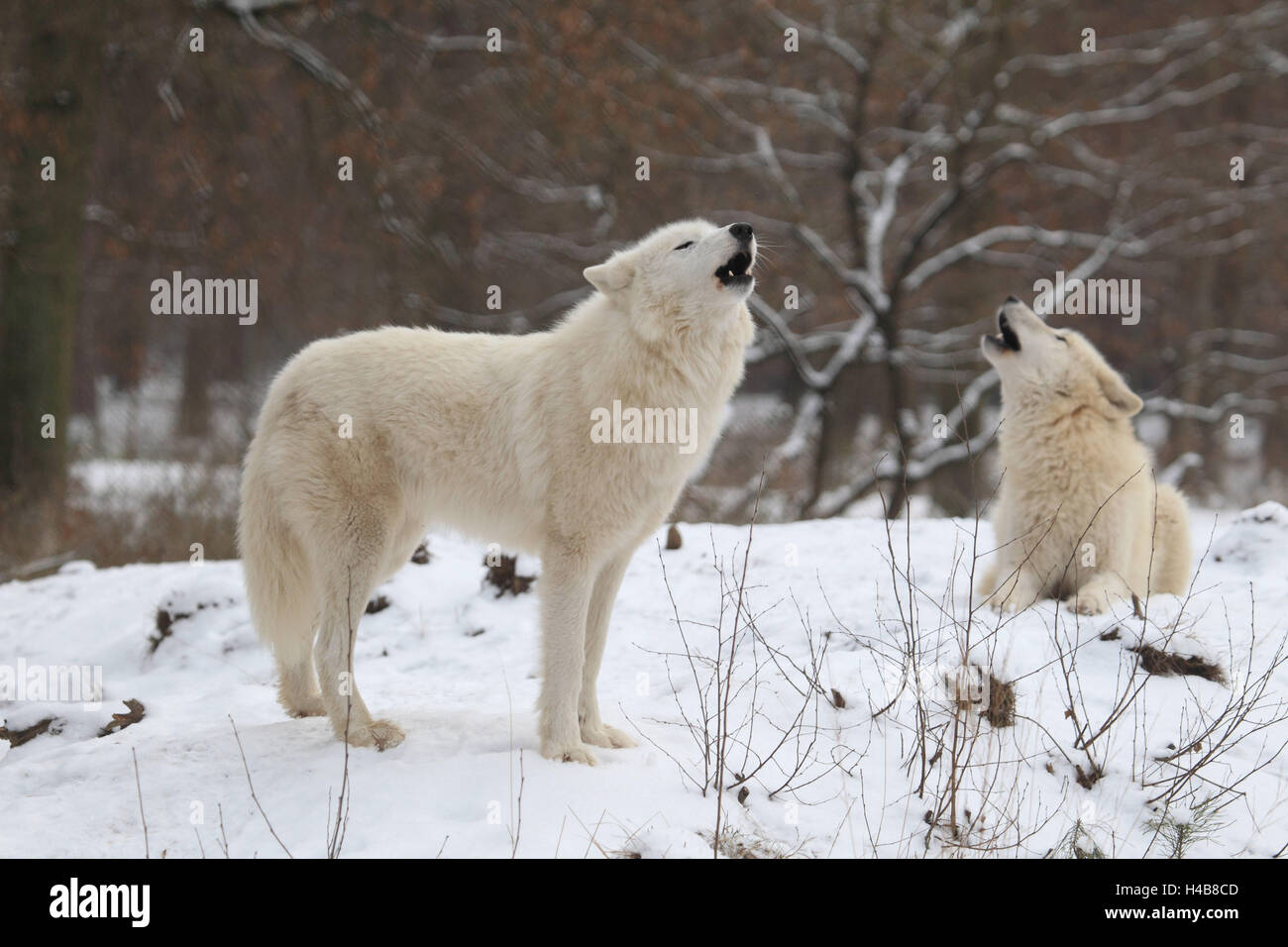
They use a combination of vocalizations (howls), scent marking, and body language. Howling is particularly important in the tundra; the sound can travel for several miles across the open landscape, allowing separated pack members to find each other or warning rival packs to stay away.
Can Arctic wolves interbreed with domestic dogs?
Biologically, yes, they are the same species (Canis lupus). However, this rarely happens in the wild because Arctic wolves live in areas where there are almost no domestic dogs. In the rare instances where they encounter sled dogs in northern villages, the interaction is usually predatory or territorial rather than reproductive.
Why is their fur white?
Their white fur provides camouflage in the snow, allowing them to sneak up on prey. It also lacks the pigment melanin in the hair shaft, which creates air pockets that provide superior insulation compared to darker fur.
Practical Recommendations for Arctic Observation
For researchers or wildlife enthusiasts looking to study how these animals thrive, the best locations remain the Ellesmere Island in Canada and the northern reaches of Greenland. These areas offer the most pristine look at Arctic wolf behavior in its natural state.
- Timing: The best window for observation is between June and August when the sun is constant, and the wolves are focused on their denning sites.
- Distance: Always maintain a distance of at least 500 meters. While Arctic wolves are often curious rather than aggressive toward humans, habituation can lead to dangerous encounters and disrupt their natural hunting patterns.
- Documentation: Use high-power telephoto lenses (600mm+) to capture behavior without physical proximity. In 2026, drone technology is also used by researchers, but strict regulations apply to avoid stressing the animals.
The Arctic wolf remains a symbol of ultimate resilience. By evolving to fit a niche that few other large predators can tolerate, they have secured a place as the apex predator of the northernmost reaches of our planet.