Arctic wolves (Canis lupus arctos) function as apex predators within the High Arctic food chain, occupying the highest trophic level. By regulating the populations of large herbivores like muskoxen and caribou, these wolves prevent overgrazing and maintain the delicate balance of the tundra ecosystem. This top-down regulation, known as a trophic cascade, ensures that vegetation remains viable for a wide variety of smaller species, effectively stabilizing the entire biological community.
Taxonomic Context and Biological Status in 2026
To understand the arctic wolf’s role in the food chain, one must first identify its unique biological niche. As a subspecies of the gray wolf, the arctic wolf is specifically adapted to the High Arctic regions of North America and the northern coast of Greenland. Unlike their southern counterparts, arctic wolves have evolved to survive in environments where the ground is permanently frozen (permafrost) and temperatures can remain below -50 degrees Celsius for months.
As of 2026, the arctic wolf remains one of the few wolf subspecies not significantly threatened by direct human encroachment, primarily due to the extreme isolation of its habitat. However, its position in the food chain is increasingly sensitive to the "Arctic Amplification" effect—the phenomenon where the polar regions warm at a rate significantly faster than the global average. This environmental shift alters the migration patterns of prey, which in turn forces the arctic wolf to adapt its hunting strategies and territorial ranges.
The arctic wolf is physically distinguished by its thick, white double-layered coat, smaller ears (to reduce heat loss), and slightly shorter muzzle than other gray wolves. These adaptations are not merely aesthetic; they are essential tools for a predator that must often travel dozens of miles across barren ice and rock to secure a single meal.
Defining the Trophic Position of the Arctic Wolf
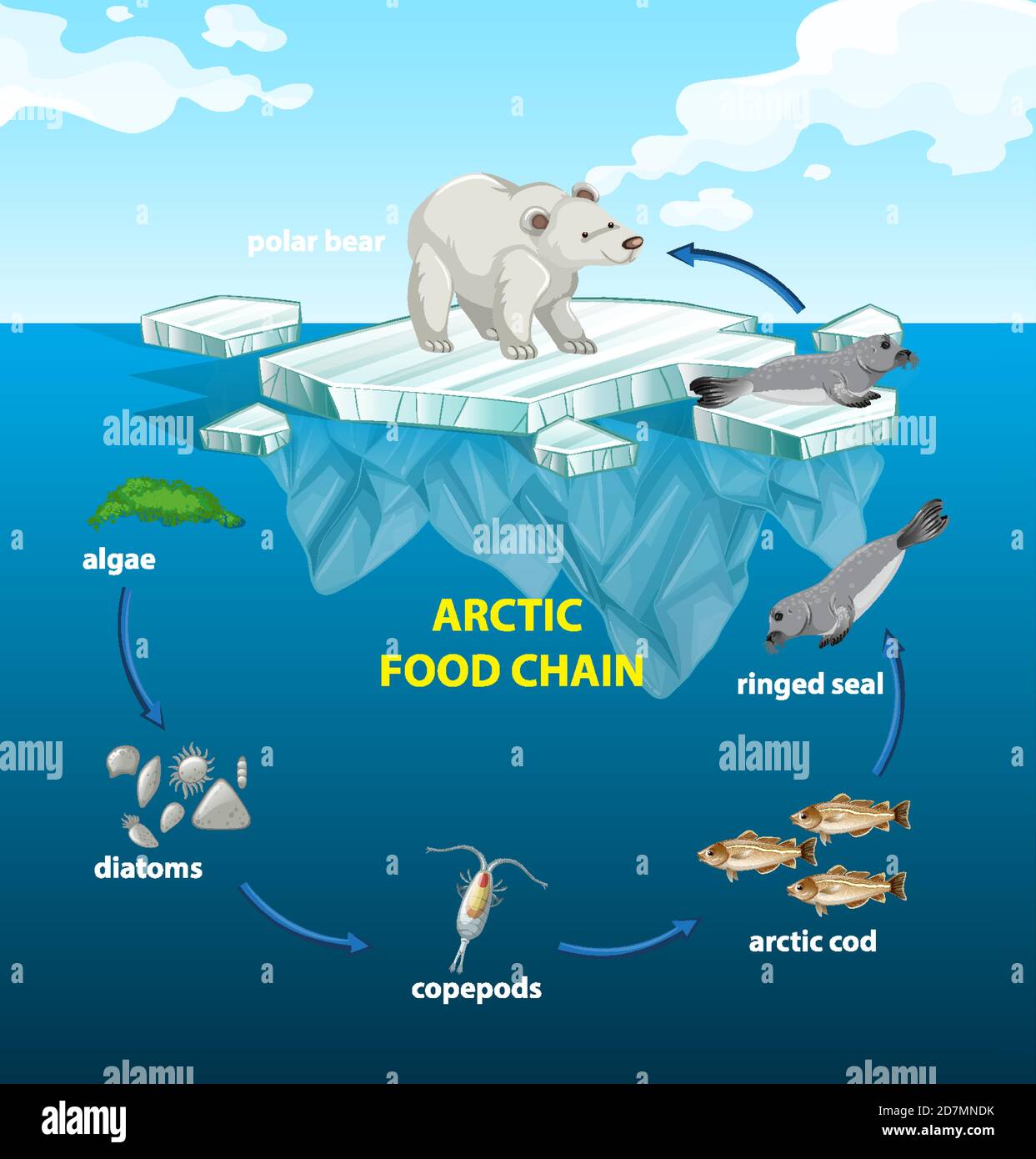
In ecological terms, the food chain is a linear sequence of organisms through which nutrients and energy pass. The arctic wolf sits at the very top of this chain in its specific geography.
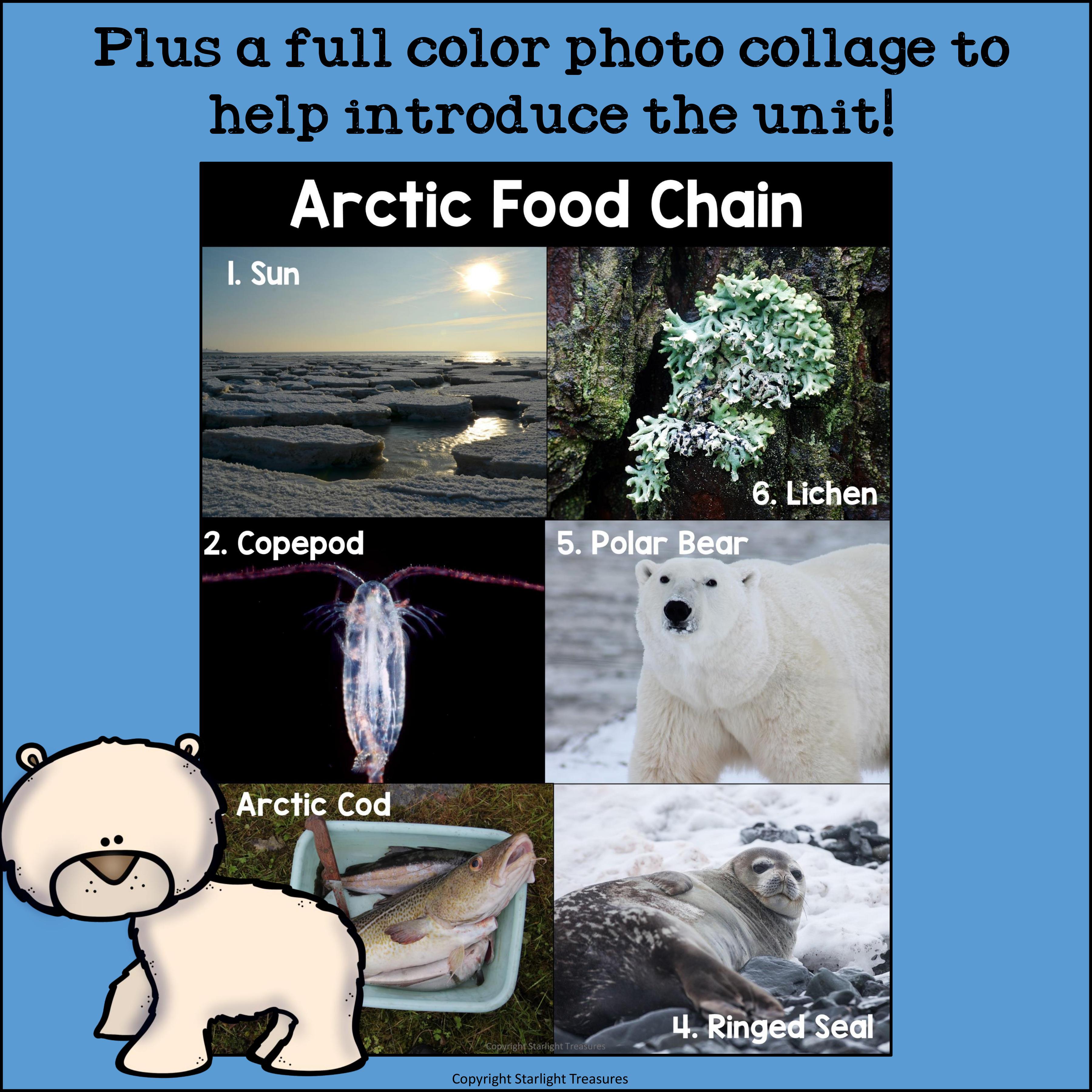
- Producers: Mosses, lichens, and arctic willow.
- Primary Consumers: Arctic hares, lemmings, muskoxen, and caribou.
- Secondary/Tertiary Consumers: Arctic foxes, snowy owls, and ermines.
- Apex Predators: Arctic wolves and, in coastal interactions, polar bears.
The arctic wolf is a tertiary consumer and an apex predator, meaning it has no natural predators that hunt it for food. While a polar bear may kill a wolf in a territorial dispute or over a carcass, it does not rely on wolves as a primary food source. This lack of natural predation allows the wolf population to be limited primarily by the availability of prey and the severity of the climate, rather than by being hunted themselves.
Primary Prey Species: The Foundation of the Wolf’s Diet
The arctic wolf's survival depends on its ability to harvest energy from the herbivores that graze on the sparse arctic vegetation. Because the tundra offers low primary productivity, wolves cannot afford to be picky eaters, but they generally focus on two main species.
The Muskoxen: A Test of Endurance
The muskox (Ovibos moschatus) is perhaps the most significant prey for the arctic wolf. These large bovids can weigh up to 900 pounds, making them a formidable challenge for a wolf pack. The relationship between the arctic wolf and the muskox is a classic example of an evolutionary arms race. Muskoxen have developed a defensive circle maneuver, where adults face outward with their horns to protect the vulnerable calves in the center.
Arctic wolves must use sophisticated social coordination to break these circles. They often employ "harassment tactics," darting in and out to exhaust the muskoxen or induce a panic that causes the circle to break. Once a single individual—usually the young, old, or sick—is separated from the herd, the wolves can bring it down. A single muskox kill can provide enough calories to sustain a pack for several days, which is vital during the dark winter months.
The Arctic Hare: The Reliable Staple
While muskoxen provide the most mass, the arctic hare (Lepus arcticus) is often the most frequently consumed prey. In regions where large ungulates are scarce, wolves become specialized hare hunters. This is particularly notable on Ellesmere Island, where researchers have documented wolves that survive almost exclusively on hares during certain seasons.
The hare represents a high-protein, high-fat meal that requires less energy to kill than a muskox, though it requires greater speed and agility. The fluctuations in hare populations (which often follow multi-year cycles of boom and bust) directly impact the reproductive success of wolf packs.
Opportunistic Feeding and Secondary Sources
Beyond the "big two" (muskoxen and hares), arctic wolves are highly opportunistic. The scarcity of food in the High Arctic necessitates a flexible diet.
- Lemmings and Ground Squirrels: During the summer months, wolves will hunt small rodents. While a single lemming offers negligible caloric value to a wolf, they are abundant and easy to catch, serving as "snacks" that bridge the gap between large kills.
- Nesting Birds: Wolves frequently raid the nests of ground-nesting birds such as snow geese. They consume both the eggs and the fledglings.
- Marine Resources: In coastal areas, arctic wolves have been observed scavenging on seal carcasses left by polar bears or even hunting seals themselves when they are trapped in shallow ice.
- Caribou: In the southern reaches of their range, caribou (Rangifer tarandus) become a primary target, especially during their massive seasonal migrations.
The Trophic Cascade: Top-Down Regulation
The arctic wolf does more than just "eat" prey; it manages the ecosystem. This role is best understood through the concept of the trophic cascade. When wolves hunt muskoxen and caribou, they influence where these herbivores spend their time. This is known as the "ecology of fear."
If herbivores are allowed to graze in one area without the threat of predation, they will eat the vegetation down to the root, leading to soil erosion and the disappearance of plant species. By keeping herds on the move, wolves ensure that no single area of the tundra is overgrazed. This allows for higher biodiversity in the plant community, which in turn supports a wider variety of insects, birds, and smaller mammals.
Furthermore, wolves are "nutrient transporters." When a pack kills a large animal, they often leave behind significant portions of the carcass. These remains are essential for the survival of scavengers such as the arctic fox, the raven, and the glaucous gull. In this way, the wolf acts as a provider for a secondary food web of scavengers that would otherwise struggle to find high-energy food during the winter.
Comparison of Arctic Trophic Levels
The following table outlines the energy flow and representative species within the arctic food chain as observed in 2026.
| Trophic Level | Role | Key Species | Primary Diet |
|---|---|---|---|
| Level 4 | Apex Predator | Arctic Wolf, Polar Bear | Muskoxen, Hares, Seals, Caribou |
| Level 3 | Secondary Consumer | Arctic Fox, Snowy Owl, Ermine | Lemmings, Birds, Voles, Scraps from Wolf kills |
| Level 2 | Primary Consumer | Muskox, Arctic Hare, Caribou, Lemming | Lichens, Mosses, Arctic Willow, Grasses |
| Level 1 | Primary Producer | Arctic Willow, Moss, Lichens, Algae | Solar energy (Photosynthesis) |
| Level 0 | Decomposers | Soil Fungi, Bacteria, Invertebrates | Dead organic matter (Carrion/Waste) |
Interspecific Competition and Natural Enemies
While the arctic wolf is an apex predator, it does not live in a vacuum. It faces competition from other species that can influence its success within the food chain.
The most significant competitor is the polar bear. While their habitats typically differ—the bear on the sea ice and the wolf on the tundra—climate change in 2026 has increasingly forced polar bears inland as sea ice melts earlier in the season. When polar bears move onto the tundra, they compete for the same food sources, such as caribou and nesting birds. A polar bear can easily bully a wolf pack away from a kill, representing a significant loss of energy for the wolves.
The arctic fox represents a different kind of relationship. While the wolf sometimes preys on the fox, the fox more often acts as a commensal partner, following wolf packs at a distance to scavenge the remains of their kills. This relationship is vital for the fox's survival but offers no benefit to the wolf.
Survival Challenges in the 2026 Climate Landscape
The arctic food chain is one of the most fragile in the world because it has very few "redundancies." In a tropical rainforest, if one prey species declines, a predator has hundreds of others to choose from. In the High Arctic, if the arctic hare population crashes, the wolf has very few alternatives.
By 2026, researchers have noted that shifting weather patterns, specifically "rain-on-snow" events, have become a major threat. When rain falls on snow and then freezes, it creates a layer of ice that prevents muskoxen and caribou from reaching the plants beneath. This leads to mass starvation among herbivores. For the wolves, this creates a short-term feast of carcasses, followed by a long-term famine as the reproductive base of their prey is decimated.
This instability at the bottom and middle of the food chain puts the arctic wolf in a precarious position, despite its status at the top.
Frequently Asked Questions
Do arctic wolves have any natural predators?
No, arctic wolves are apex predators, meaning they sit at the top of the food chain and are not hunted by other animals for food. However, they can be killed in territorial fights with other wolf packs or in rare encounters with polar bears. Pups may also be vulnerable to large birds of prey or snowy owls if left unattended.
How much does an arctic wolf need to eat to survive?
An adult arctic wolf can consume up to 20 pounds of meat in a single feeding. Because food is scarce, they are adapted to "gorge and fast" cycles. They may go several days or even weeks without a significant kill, relying on stored body fat to survive the interim.
Why are arctic wolves white?
Their white fur provides essential camouflage in the snow-covered tundra. This allows them to stalk prey like muskoxen and hares more effectively. Additionally, the hollow structure of their fur provides superior insulation against the extreme cold of the High Arctic.
How do arctic wolves contribute to the environment?
They act as a "keystone species" by controlling the populations of herbivores. By preventing caribou and muskoxen from overpopulating, they protect the sparse arctic vegetation from being destroyed. They also provide food for scavengers like foxes and ravens through the remains of their kills.
Is the arctic wolf endangered in 2026?
Arctic wolves are currently categorized as "Least Concern" by most conservation bodies, mainly because their habitat is too remote for significant human interference or hunting. However, their long-term survival is closely tied to the health of the High Arctic ecosystem, which is being rapidly altered by climate change.
How large is a typical arctic wolf pack?
Arctic wolf packs are generally smaller than gray wolf packs in the south, typically consisting of 2 to 20 individuals. The size is limited by the availability of food; a region with few muskoxen cannot support a large pack. Most packs are family units led by a dominant breeding pair.
Next Steps for Conservation and Observation
For those interested in the role of the arctic wolf in the food chain, the most critical next step is supporting High Arctic ecological research. Monitoring the population health of muskoxen and caribou is the most effective way to predict the future of the arctic wolf.
If you are a student or researcher, focusing on inter-species dynamics and trophic levels provides the best insight into how these animals survive. Organizations like the International Wolf Center and the World Wildlife Fund (WWF) provide ongoing updates on the status of arctic habitats. Understanding that the wolf is not an isolated hunter, but a vital regulator of the tundra, is the key to appreciating its place in the natural world of 2026.