Arctic tundra ecosystems are cold, treeless biomes characterized by permafrost, low temperatures, and short growing seasons. Located primarily in the northern hemisphere’s high latitudes, these systems function as critical carbon sinks. They support unique biological communities adapted to extreme conditions, though they currently face significant structural shifts due to rapid global warming.
Defining the Arctic Tundra Biome
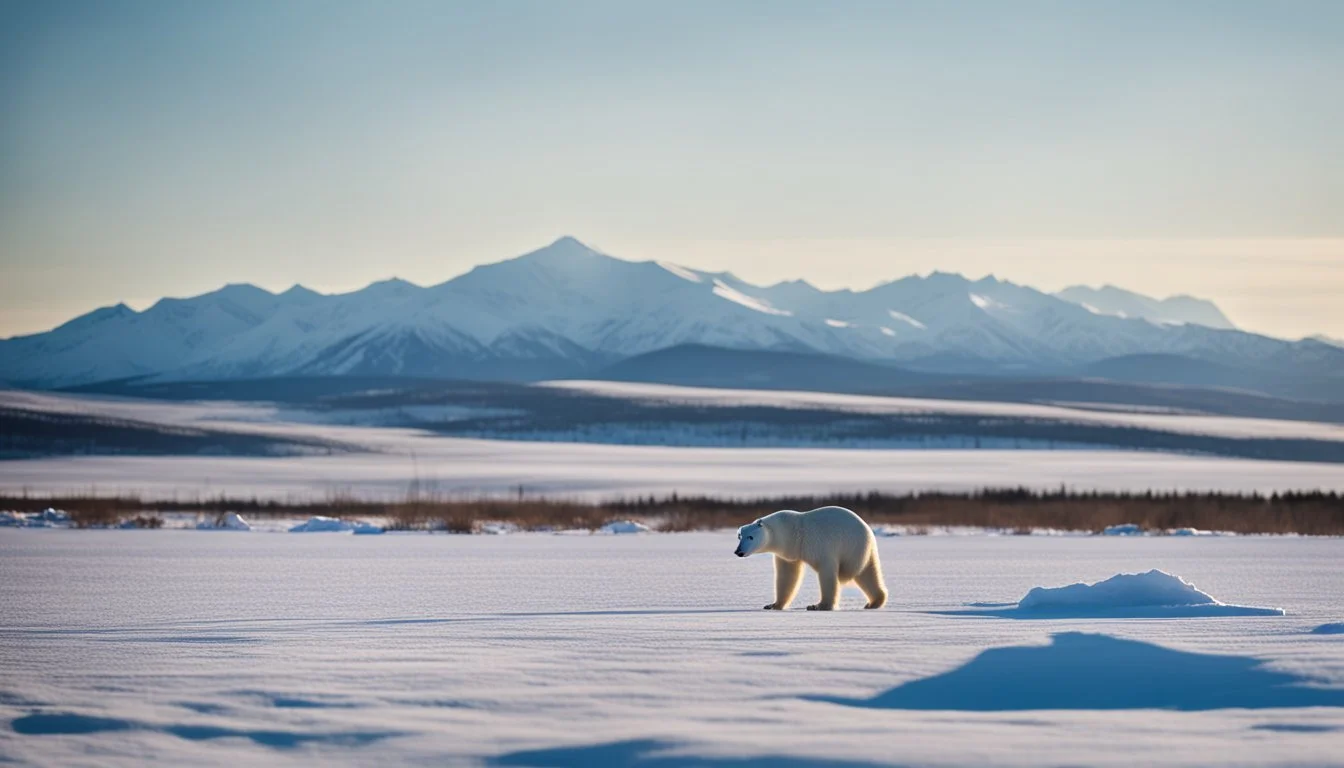
The arctic tundra is an expansive biome situated north of the boreal forest (taiga) and south of the permanent ice caps of the Arctic Ocean. Covering approximately 11.5 million square kilometers, it spans the northern reaches of Alaska, Canada, Greenland, Scandinavia, and Russia. The word "tundra" is derived from the Kildin Sami word tūndâr, meaning "uplands" or "treeless mountain tract," which accurately describes the low-relief, windswept landscape.
Environmental conditions in these regions are among the harshest on Earth. Characterized by an average annual temperature ranging from -12°C to -6°C, the tundra experiences long, dark winters and brief, cool summers. Precipitation is remarkably low, often totaling less than 250 millimeters annually, which technically classifies much of the tundra as a "cold desert." However, the landscape often appears moist because the underlying frozen ground prevents water from draining, leading to the formation of numerous bogs, lakes, and marshes during the summer thaw.
As of 2026, the arctic tundra is recognized not merely as a remote wilderness but as a central component of the Earth's climate regulation system. Its health is intrinsically linked to global sea levels and atmospheric carbon concentrations, making the study of its internal dynamics more vital than ever.
The Foundation of Life: Permafrost and Soil Composition
The defining physical feature of the arctic tundra is permafrost, a layer of soil, rock, or sediment that remains frozen for at least two consecutive years. In some parts of the high Arctic, permafrost can extend to depths of over 1,000 meters.
The Active Layer
Above the permafrost lies the "active layer," a thin segment of soil (typically 30 to 100 centimeters deep) that thaws during the summer and refreezes in the winter. This layer is the theater for all biological activity. Because the roots of plants cannot penetrate the solid permafrost beneath, vegetation is limited to shallow-rooted species.
Nutrient Cycling and Cryoturbation
Tundra soils, often classified as Gelisols, are typically nutrient-poor and acidic. Decomposition is extremely slow due to the cold, which prevents bacteria and fungi from breaking down organic matter efficiently. This leads to the accumulation of thick layers of peat. Furthermore, the cycle of freezing and thawing causes a process known as cryoturbation (frost churning), which mixes soil layers and creates unique geometric patterns on the ground, such as stone circles and polygons.
Thermokarst and Landscape Alteration
In 2026, researchers are increasingly monitoring "thermokarst" features—irregular surfaces of marshy hollows and small hummocks formed as permafrost thaws. When ground ice melts, the soil collapses, creating sinkholes or new ponds. This process not only alters the local hydrology but also exposes ancient organic matter to the atmosphere, potentially accelerating greenhouse gas emissions.
Flora of the Tundra: Adaptations to Extremes
Despite the restrictive growing season, which typically lasts only 50 to 60 days, the arctic tundra supports approximately 1,700 species of vascular plants. The absence of trees is the most striking feature; trees cannot survive because their roots cannot penetrate the frozen subsoil, and the high winds and winter desiccation would destroy any tall growth.
Adaptive Strategies
Tundra vegetation has evolved specific mechanisms to survive the physiological stress of the High North:
- Dwarfism: Many plants are prostrate or "dwarf" varieties. By staying close to the ground, they avoid the most abrasive winds and take advantage of the slightly higher temperatures near the soil surface.
- Cushion Growth: Plants like moss campion grow in tight, round cushions. This shape traps heat and protects the inner parts of the plant from cold and wind.
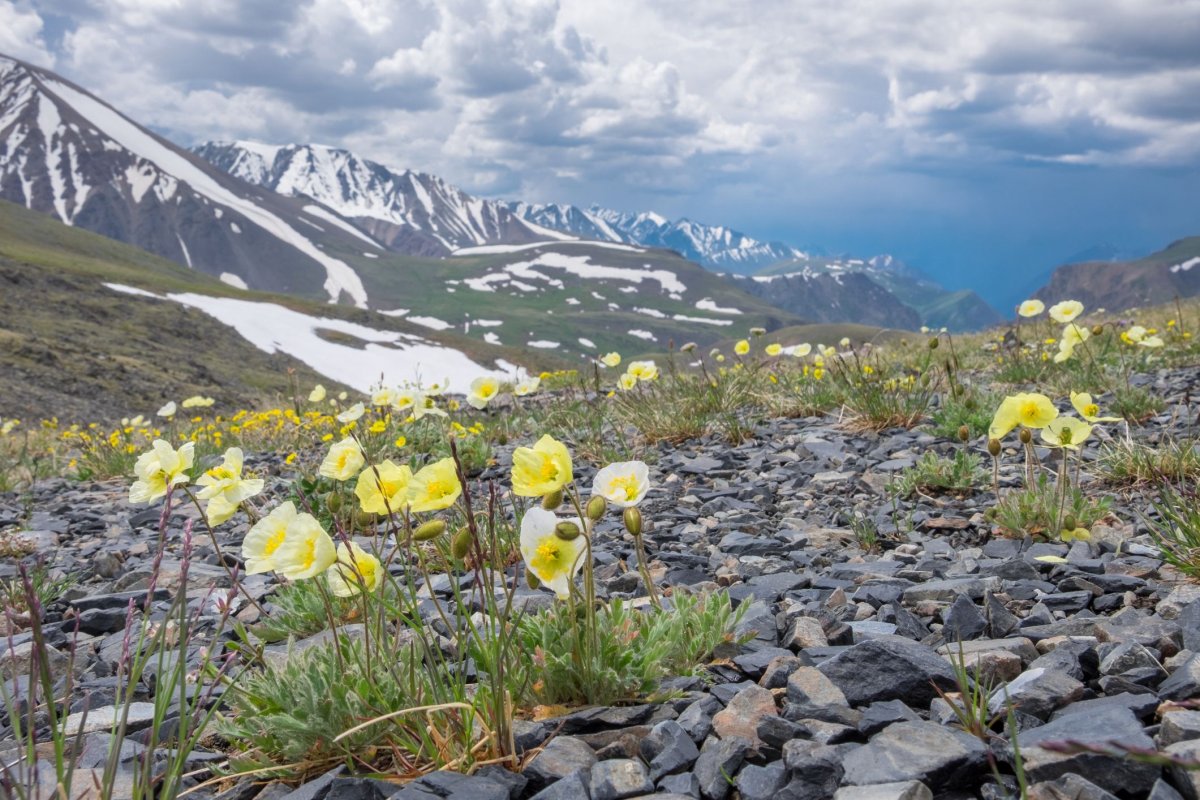
- Heliotropism: Some flowers, such as the arctic poppy, act like parabolic mirrors, tracking the sun to concentrate solar radiation on their reproductive organs.
- Evergreen Leaves: Species like the labrador tea retain their leaves through the winter, allowing them to begin photosynthesis immediately when the sun returns, rather than spending energy growing new leaves.
Dominant Plant Groups
The landscape is dominated by mosses, lichens, sedges, and grasses. Lichens are particularly important as they are a primary food source for caribou and can survive in a state of suspended animation during extreme cold. Dwarf shrubs, such as arctic willow and birch, provide structural complexity to the ecosystem and are currently expanding their range northward in a phenomenon known as "shrubification."
Fauna of the High North: Resilience and Migration
The animals of the arctic tundra are masters of metabolic and behavioral adaptation. They are categorized into two groups: residents that endure the winter and migrants that utilize the tundra during its brief period of productivity.
Survival Mechanisms
To survive temperatures that can drop to -50°C, tundra animals employ several strategies:
- Insulation: Species like the muskox have a double coat consisting of long guard hairs and a dense underwool called qiviut, which is considered one of the warmest natural fibers in existence.
- Camouflage: The arctic fox and willow ptarmigan change their coat or plumage color from brown in the summer to white in the winter to remain hidden from predators or prey against the snow.
- Bergmann’s Rule: Tundra animals tend to have larger body sizes and shorter extremities (ears, tails, legs) compared to their temperate relatives to minimize surface area and heat loss.
The Migratory Pulse
In the summer, the tundra experiences a massive influx of life. Millions of birds, including the Arctic tern and various waterfowl, migrate from as far as the Southern Hemisphere to nest in the insect-rich wetlands. Large herbivores, most notably caribou (reindeer), perform vast migrations to reach their calving grounds, where they feed on the nutrient-rich summer vegetation.
The Trophic Cascade
The lemming sits at the center of the tundra food web. These small rodents undergo population cycles that peak every three to five years. When lemming populations boom, predator populations—such as snowy owls and arctic foxes—also surge. If the lemming cycle is disrupted, it can lead to a collapse in the breeding success of these iconic arctic predators.
Arctic vs. Alpine vs. Boreal: A Comparative Analysis
Understanding the arctic tundra requires distinguishing it from neighboring or similar biomes. While they share some characteristics, their drivers and constraints differ significantly.
| Feature | Arctic Tundra | Alpine Tundra | Boreal Forest (Taiga) |
|---|---|---|---|
| Primary Location | High Latitudes (North) | High Altitudes (Mountains) | Sub-Arctic Latitudes |
| Permafrost | Continuous or Discontinuous | Rarely present | Discontinuous/Sporadic |
| Growing Season | 50–60 Days | Up to 180 Days | 100–150 Days |
| Vegetation Type | Low shrubs, moss, lichen | Cushion plants, grasses | Coniferous trees (Spruce, Pine) |
| Soil Drainage | Poor (permafrost barrier) | Good (sloped terrain) | Variable |
| Primary Stressor | Extreme cold and darkness | Low oxygen and UV radiation | Seasonal temperature swings |
The Carbon Cycle and Global Climate Feedbacks
In 2026, the arctic tundra is one of the most critical "wild cards" in climate science. Historically, the tundra has been a net carbon sink, sequestering more carbon in its frozen soils than it releases. It is estimated that arctic permafrost holds approximately 1,400 to 1,600 billion tons of carbon—nearly twice the amount currently in the Earth's atmosphere.
The Thawing Feedback Loop
As temperatures rise, the permafrost thaws. This allows microbes to decompose organic matter that has been frozen for millennia. This decomposition releases carbon dioxide and, more concerningly, methane—a greenhouse gas with a warming potential significantly higher than CO2 over a 20-year period. This creates a "positive feedback loop": warming causes thawing, which releases gases, which causes further warming.
Greening vs. Browning
The "greening" of the Arctic refers to the northward migration of the tree line and the expansion of shrubs. While more plants absorb more CO2, they also decrease the "albedo effect" (reflectivity). Darker shrubs absorb more solar heat than white snow or light-colored lichens, further warming the ground. Conversely, "browning" events—caused by extreme weather, pests, or winter thaws followed by rapid freezes—can kill vegetation, reducing the tundra's ability to act as a carbon sink.
Indigenous Stewardship and Human Impact
The arctic tundra is not an empty wilderness; it is the ancestral home of various Indigenous peoples, including the Inuit, Yupik, Sami, and Nenets. For thousands of years, these communities have lived in harmony with the tundra's rhythms, relying on subsistence hunting and reindeer herding.
Industrial Pressure
The region is rich in natural resources, including oil, natural gas, and minerals like nickel and gold. Extraction projects require extensive infrastructure, such as pipelines and roads, which can fragment habitats and disrupt migratory paths. In 2026, the challenge lies in balancing economic development with the preservation of a fragile ecosystem that takes decades to recover from even minor physical disturbances.
Conservation in 2026
International cooperation remains the primary tool for tundra preservation. The Arctic Council serves as a key forum for coordinating environmental standards. Current efforts focus on establishing "Marine Protected Areas" and "Terrestrial Refugia" where development is prohibited to allow species a safe haven as their traditional ranges shift northward.
Frequently Asked Questions
Why are there no trees in the arctic tundra?
Trees cannot grow in the arctic tundra due to a combination of permafrost and extreme climatic conditions. The permafrost creates a physical barrier that prevents deep root systems from forming. Additionally, the short growing season does not provide enough time for trees to produce the energy required for woody growth, and the harsh winter winds cause "krummholz" (stunting) or death to any vegetation that rises above the snowline.
Is the arctic tundra a desert?
Yes, technically. Much of the arctic tundra receives less than 10 inches (250 mm) of precipitation per year, which meets the definition of a desert. However, because the low temperatures result in very low evaporation rates and the permafrost prevents water from soaking into the ground, the surface remains saturated with water during the summer, creating a landscape that looks more like a wetland than a desert.
How does permafrost thaw affect global sea levels?
While the melting of ground ice (permafrost) itself does not significantly raise sea levels (as the water often remains in terrestrial basins), the consequences of thawing do. Thawing permafrost contributes to global warming by releasing greenhouse gases, which in turn accelerates the melting of massive glaciers and ice sheets in Greenland and the Arctic. This secondary effect is a major driver of rising sea levels.
What is "shrubification" and why does it matter?
Shrubification is the observed increase in the abundance, height, and cover of shrubs in the tundra. As the climate warms, shrubs like willow and alder outcompete mosses and lichens. This changes the diet of herbivores like caribou and alters the energy balance of the Earth; shrubs trap more snow (insulating the ground) and absorb more sunlight (lowering albedo), both of which accelerate local warming.
Can the arctic tundra recover from human disturbance?
Recovery in the tundra is exceptionally slow. Due to the cold temperatures and short growing season, plant growth and soil formation occur at a fraction of the rate seen in temperate regions. A single vehicle track on the tundra can remain visible for decades because the compressed soil damages the delicate moss layer and can lead to localized permafrost melting and erosion.
Practical Recommendations for Engagement
For those looking to support the health of arctic tundra ecosystems, direct action is often most effective through supporting established scientific and indigenous-led organizations.
- Support Monitoring Networks: Organizations like the International Network for Terrestrial Research and Monitoring in the Arctic (INTERACT) provide vital data on ecosystem shifts.
- Advocate for Carbon Policy: Since the greatest threat to the tundra is global temperature rise, supporting policies that reduce global greenhouse gas emissions is the most impactful way to preserve this biome.
- Respect Indigenous Sovereignty: Support land-use policies that prioritize the traditional ecological knowledge (TEK) of Arctic Indigenous peoples, who have successfully managed these lands for millennia.
- Responsible Tourism: If visiting Arctic regions, ensure you use certified operators who follow "Leave No Trace" principles specifically adapted for the fragile tundra surface.