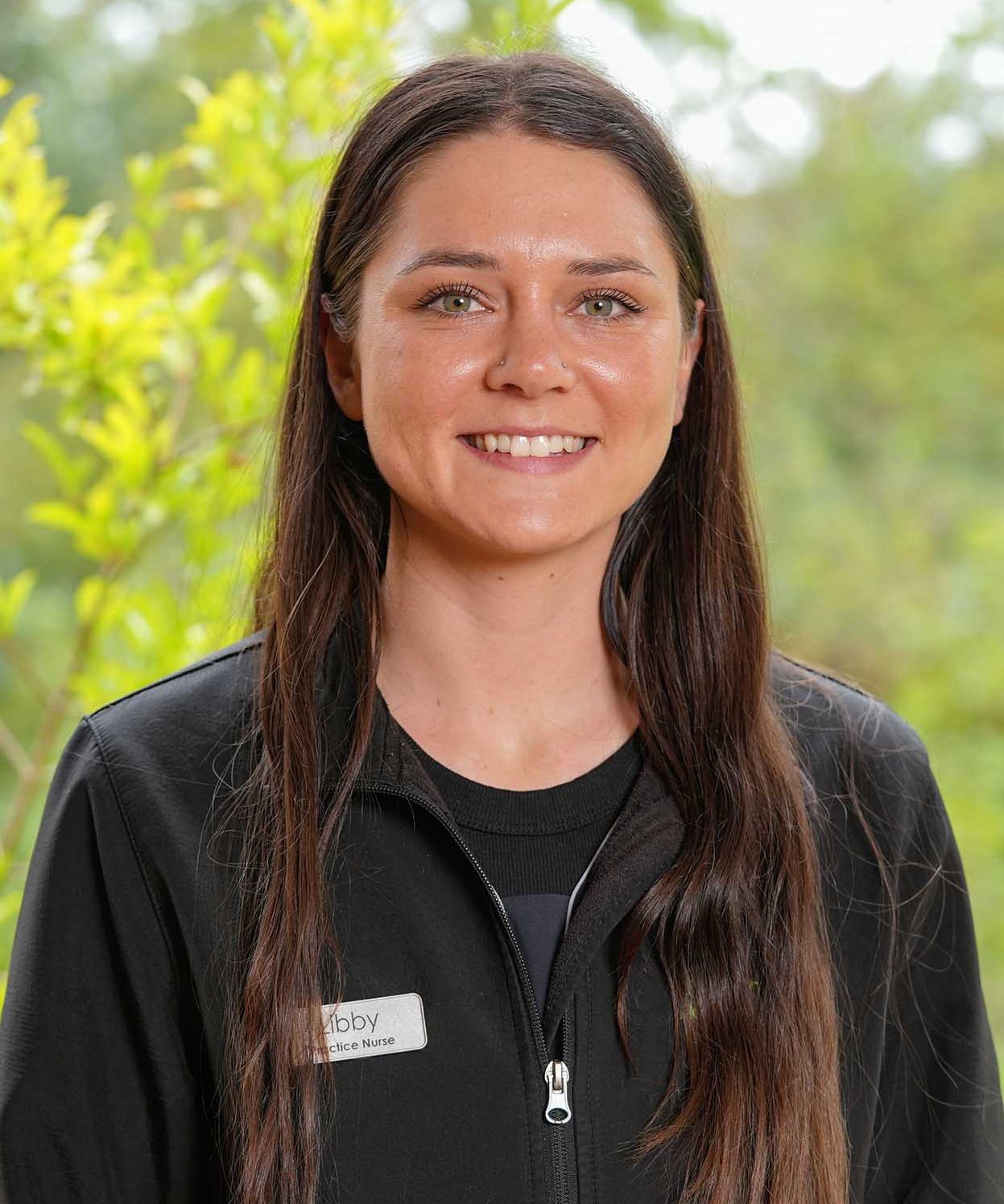
Ardelle Libby is a key administrative and academic figure within the University of Washington’s Department of Environmental & Occupational Health Sciences (DEOHS). Serving as a Manager of Student Services and an expert academic advisor, she guides students through complex degree requirements, career planning, and professional development within the specialized field of environmental health and public safety.
The Vital Intersection of Academic Advising and Environmental Health
In the highly specialized world of public health, the path from student to practitioner is often paved with rigorous scientific prerequisites, laboratory requirements, and shifting regulatory landscapes. Within this context, the role of an academic advisor like Ardelle Libby transcends simple course scheduling. In the Department of Environmental & Occupational Health Sciences (DEOHS) at the University of Washington (UW), the advising team acts as the bridge between institutional policy and student achievement.
Environmental health is an interdisciplinary field that combines biology, chemistry, physics, and toxicology with social sciences and law. Because the field is so broad, students often face "decision paralysis" when choosing between concentrations such as exposure science, environmental public health, or occupational hygiene. Ardelle Libby’s work in student services involves helping students navigate these choices, ensuring that their academic journey aligns with their long-term career goals in protecting human health from environmental hazards.
As we move through the 2026 academic year, the importance of this role has only intensified. With emerging threats like climate-driven health crises and the ongoing management of "forever chemicals" (PFAS), the curriculum for environmental health has become more complex. Student services managers are responsible for ensuring that the next generation of health professionals is equipped with the most current evidence-based knowledge and technical skills required by modern industry and government agencies.
The Professional Profile of Ardelle Libby
Ardelle Libby has long been recognized for her dedication to the DEOHS community. Her professional identity is rooted in the "Student Services" pillar of higher education. Unlike faculty members who focus primarily on research or teaching, Libby focuses on the "student experience" and the administrative framework that allows learning to occur.
Core Responsibilities and Impact
The Manager of Student Services at a top-tier institution like the University of Washington handles a diverse portfolio of responsibilities. For Ardelle Libby, this includes:
- Admissions Oversight: Guiding prospective students through the competitive application process for undergraduate and graduate programs.
- Curriculum Management: Working with faculty to ensure that the courses offered meet the standards of the Council on Education for Public Health (CEPH).
- Career Counseling: Connecting students with alumni networks, internships, and job opportunities in both the public and private sectors.
- Student Advocacy: Serving as a liaison between the student body and the department administration to address concerns and improve the learning environment.
By maintaining high standards for student support, Libby helps ensure that the DEOHS maintains its reputation as one of the premier environmental health programs in the world. Her role is foundational to the department’s ability to graduate professionals who are ready to enter the workforce and make an immediate impact on community health.
Navigating the DEOHS Curriculum under Expert Guidance
Students pursuing a degree in environmental health must balance a heavy load of STEM (Science, Technology, Engineering, and Math) courses with public health theory. Navigating these requirements requires a strategic plan, which is where the expertise of an advisor like Ardelle Libby becomes essential.
Undergraduate Pathways: BS in Environmental Public Health
The Bachelor of Science in Environmental Public Health is designed for students who want to work in the field or pursue graduate studies in medicine or public health. Advisors help these students manage prerequisites such as organic chemistry, microbiology, and biostatistics. They also facilitate the required internship component, which is a hallmark of the UW program, allowing students to gain real-world experience at local health departments or environmental consulting firms.
Graduate Specializations: MS, MPH, and PhD
At the graduate level, the curriculum becomes even more specialized. Libby and her team assist students in selecting the right track:
- Master of Public Health (MPH): Focused on practice and policy, ideal for those who want to work in government or non-governmental organizations (NGOs).
- Master of Science (MS): Research-intensive, focusing on laboratory skills and data analysis, often serving as a stepping stone to a PhD or a career in research.
- Doctor of Philosophy (PhD): The highest level of academic achievement, requiring a deep dive into original research under the mentorship of world-class faculty.
Advisors play a critical role during the "thesis" or "capstone" phases, ensuring that students meet departmental deadlines and follow the correct procedures for defense and publication.
Comparing Environmental Health Degree Pathways at UW
| Degree Level | Primary Focus | Career Goal | Key Prerequisites |
|---|---|---|---|
| BS (Undergraduate) | Foundational science and public health practice. | Sanitarian, health inspector, lab technician. | General Chemistry, Biology, Calculus. |
| MPH (Professional) | Policy, management, and community-based intervention. | Health policy analyst, industrial hygienist, program manager. | GRE (sometimes optional), prior health experience. |
| MS (Academic/Research) | Scientific inquiry, toxicology, and exposure science. | Research scientist, data analyst, environmental consultant. | Strong lab background, Organic Chemistry. |
| PhD (Doctoral) | Original research and academic leadership. | Professor, lead researcher, high-level policy advisor. | Master’s degree in a related field, research proposal. |
The Evolving Landscape of Environmental Health in 2026
In 2026, the field of environmental health is facing new challenges that impact how students are advised and trained. The role of student services is no longer just about degree audits; it is about preparing students for a rapidly changing job market.
One Health and Climate Resilience
One of the major shifts in the curriculum is the integration of the "One Health" approach, which recognizes the interconnectedness of human, animal, and environmental health. Advisors must guide students toward electives that cover zoonotic diseases, planetary health, and climate adaptation strategies. As these topics become central to global health security, the guidance provided by Libby’s office ensures that students are not just generalists, but specialists in the areas of greatest need.
Digital Health and Exposure Science
The use of wearable sensors and big data in exposure science has revolutionized the field. Students now need to be proficient in data science and spatial analysis (GIS). Academic advisors help students identify technical workshops and elective courses that provide these "hard skills," which are increasingly demanded by employers like the Environmental Protection Agency (EPA) and private sustainability firms.
Career Development and Professional Networking
A significant part of Ardelle Libby’s contribution to the environmental health community is her role in career development. Academic advising at the University of Washington is integrated with professional networking.
Internships and Practicums
The DEOHS has strong ties to organizations such as the Washington State Department of Health and the National Institute of Environmental Health Sciences (NIEHS). Through the student services office, students are connected to practicum opportunities where they can apply their classroom knowledge to real-life problems, such as testing air quality in underserved communities or conducting ergonomics assessments in industrial settings.
Alumni Connections
Advisors often maintain relationships with alumni who serve as mentors to current students. These connections are invaluable for finding jobs in a niche field like toxicology or occupational medicine. By fostering a sense of community within the department, Libby helps create a lifelong professional network for DEOHS graduates.
Common Challenges and Solutions for Environmental Health Students
Students in the DEOHS often face unique challenges due to the rigorous nature of the program. Expert advising provides the support systems necessary to overcome these hurdles.
Managing Work-Life-Lab Balance
The time commitment required for laboratory research can be overwhelming. Advisors work with students to create manageable course loads, especially for those who may be working part-time or managing family responsibilities. They provide resources for mental health and time management, recognizing that a student's well-being is as important as their GPA.
Navigating Financial Aid and Funding
Graduate education is expensive. The student services office is a primary resource for information on departmental scholarships, research assistantships (RAs), and teaching assistantships (TAs). For many students, the ability to secure funding is the deciding factor in their ability to complete their degree. Advisors like Ardelle Libby ensure that students are aware of all available financial resources and meet the deadlines for application.
The Significance of Accredited Programs
Why does the guidance of a professional like Ardelle Libby matter so much? It is because she operates within the framework of an accredited institution. The Council on Education for Public Health (CEPH) sets strict standards for public health education. Advisors ensure that every student's transcript meets these standards, which is a prerequisite for many professional certifications, such as the Certified in Public Health (CPH) or Certified Industrial Hygienist (CIH) credentials.
When students work with the DEOHS advising team, they can be confident that their education is recognized by professional bodies and employers worldwide. This administrative precision is what allows the University of Washington to remain a leader in the field.
Frequently Asked Questions
What is the specific role of Ardelle Libby at the University of Washington?
Ardelle Libby serves as the Manager of Student Services for the Department of Environmental & Occupational Health Sciences (DEOHS). Her role involves overseeing academic advising, student recruitment, admissions processing, and ensuring that students meet all departmental and university requirements for graduation.
How can students contact the DEOHS advising office?
Prospective and current students can typically reach the advising office through the official University of Washington DEOHS website. They offer both in-person and virtual advising appointments to discuss degree plans, application requirements, and career pathways.
What is the difference between Environmental Health and Public Health?
Environmental health is a specialized branch of public health. While public health focuses on the overall health of populations (including nutrition, behavior, and policy), environmental health specifically examines how the physical, chemical, and biological factors in our environment—such as air quality, water safety, and toxic exposures—affect human health.
Is the University of Washington's Environmental Health program accredited?
Yes, the programs at the UW School of Public Health are accredited by the Council on Education for Public Health (CEPH). This accreditation ensures that the curriculum meets high national standards for public health education and that graduates are eligible for professional certification.
Can Ardelle Libby help with career placement after graduation?
While advisors are not job recruiters, they play a vital role in career development. They provide resources for internships, connect students with alumni networks, and offer guidance on how to tailor an academic profile to meet the needs of specific employers in the environmental health sector.
Recommendation for Prospective Students
If you are considering a career in environmental health, your first step should be to engage with the student services department at your chosen institution. For those looking at the University of Washington, connecting with professionals like Ardelle Libby early in the process is essential.
Take the time to review the specific prerequisites for your program of interest, as environmental health degrees are science-heavy. Attending an information session or scheduling a preliminary advising appointment can clarify the application process and help you determine which degree track—whether it be the BS, MPH, or MS—best fits your professional aspirations. In the evolving landscape of 2026, being proactive with your academic planning is the surest way to secure a successful career in protecting public health.