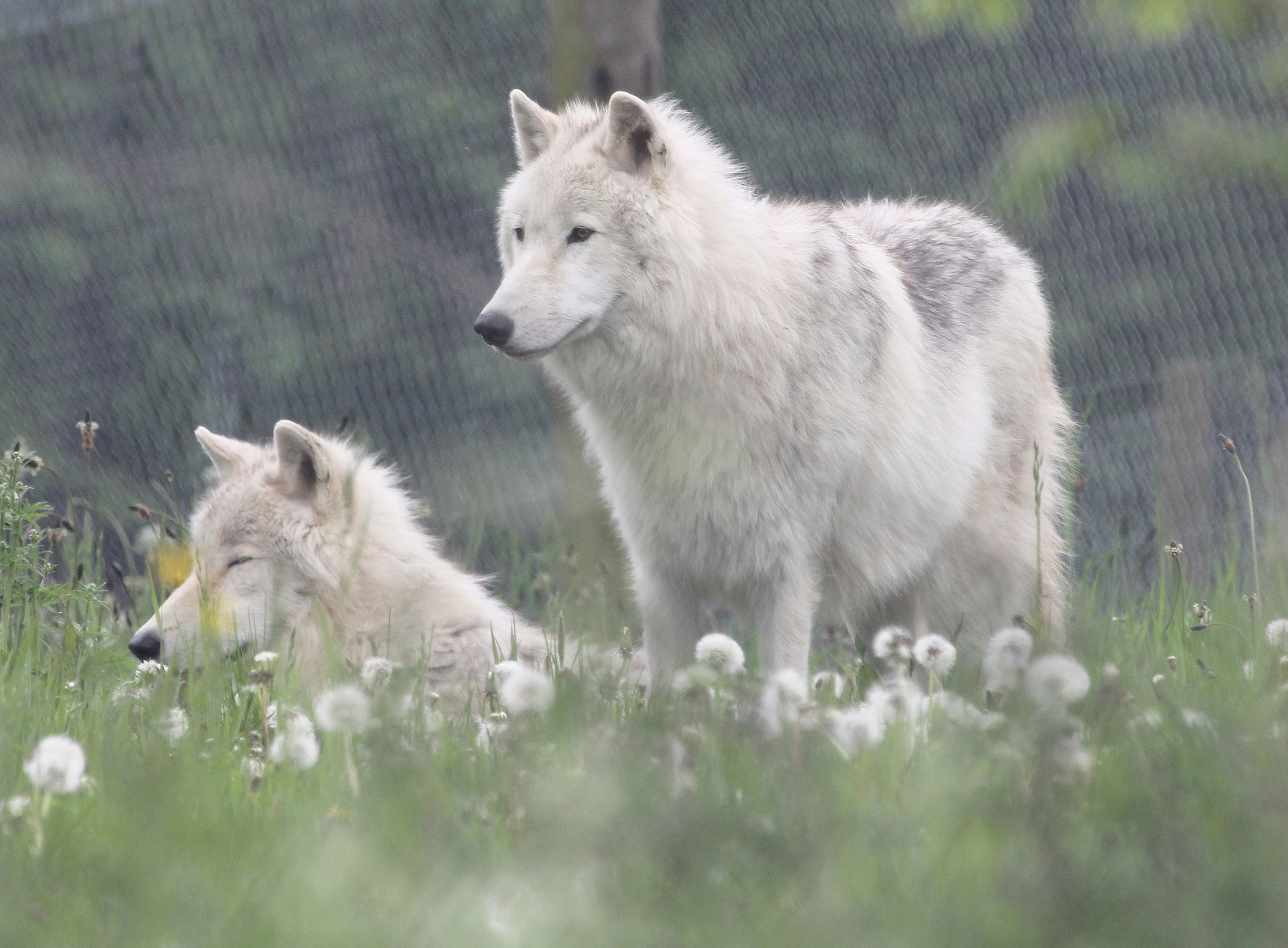
Arctic wolves serve as the primary apex predators of the High Arctic, maintaining the essential biological equilibrium of the tundra by regulating the populations of large ungulates like muskox and Peary caribou. By preventing overgrazing of sparse arctic vegetation, these wolves safeguard the biodiversity and structural integrity of one of Earth’s most extreme and sensitive environments.
The Biological Identity of the High Arctic’s Apex Predator
The Arctic wolf (Canis lupus arctos), often referred to as the "White Wolf" or "Polar Wolf," is a subspecies of the gray wolf that has spent millennia adapting to the unforgiving conditions of the High Arctic. Geographically, their range is restricted to the Canadian Arctic Archipelago, parts of Alaska, and the northern fringes of Greenland. Unlike their southern counterparts, Arctic wolves have remained largely undisturbed by human encroachment, making them one of the few wolf subspecies that still occupy nearly 100% of their original historical range.
In 2026, the physiological distinctions of the Arctic wolf are recognized as marvels of evolutionary specialization. To survive in temperatures that frequently drop below -50 degrees Celsius, these wolves possess a double-layered coat of thick, white fur that provides both insulation and camouflage against the perennial snow. Their morphology differs significantly from timber wolves; they are generally smaller, with shorter legs, more rounded ears, and a shorter muzzle. These adaptations are governed by Allen’s Rule, which suggests that animals in colder climates evolve shorter appendages to minimize surface area and reduce heat loss.
The skull structure and bite force of the Arctic wolf are specifically tuned for the consumption of large, frozen carcasses. Their premolars and carnassials are robust, allowing them to crush bone to access marrow—a critical caloric resource during the lean winter months when fresh kills are infrequent. This biological resilience allows them to traverse hundreds of miles of barren ice and rock, often going weeks without a successful hunt.
The Social Fabric: Pack Dynamics in the Extreme North
Survival in the High Arctic is not an individual pursuit; it is a collective endeavor. Arctic wolf packs are typically smaller than those found in the boreal forests, usually consisting of 5 to 8 members, though packs of up to 20 have been recorded when prey is abundant. The hierarchy is rigid yet cooperative, led by a dominant breeding pair.
Denning and Reproduction Challenges
One of the most unique aspects of Arctic wolf behavior is their denning strategy. In most regions, wolves dig dens in soft soil. However, the High Arctic is characterized by permafrost—ground that remains frozen year-round. Consequently, Arctic wolves utilize natural rock outcroppings, caves, or abandoned dens used by previous generations for decades or even centuries.
In 2026, researchers have noted that the timing of pup emergence is becoming increasingly volatile due to shifting seasonal markers. Typically, pups are born in late May or June, providing them with a brief window of "warmer" weather to develop the strength needed for the winter migration. Because the mother must remain with the pups, the pack’s hunting efficiency is tested, as the remaining members must travel vast distances to bring back food to the den site.
Communication and Territoriality
While their territory can span over 1,000 square miles, the density of Arctic wolves is remarkably low. Communication via howling serves a dual purpose: it maintains pack cohesion during long-distance hunts and acts as a "keep out" sign for rival packs. In the silent, thin air of the Arctic, a wolf’s howl can carry for several miles, providing a sonic map of the pack’s influence across the tundra.
The Trophic Cascade: Why the "Guardian" Label Matters
The designation of the Arctic wolf as a "guardian" is not merely poetic; it is a description of their role in a trophic cascade. As apex predators, they exert "top-down" control on the ecosystem. Without the selective pressure of wolf predation, the populations of muskox (Ovibos moschatus) and Peary caribou (Rangifer tarandus pearyi) would expand beyond the carrying capacity of the land.
Regulating Ungulate Populations
The vegetation in the High Arctic—consisting of lichens, mosses, sedges, and dwarf willows—grows at an incredibly slow rate. If caribou or muskox populations are left unchecked, they can decimate these plant communities through overgrazing. Once the vegetation cover is stripped, the underlying permafrost is exposed to direct sunlight, leading to increased thermokarst (thawing of the ground) and soil erosion.
Arctic wolves prevent this by:
- Culling the weak: They primarily target the aged, diseased, or very young, ensuring that the remaining prey population is genetically robust.
- Influencing prey behavior: The mere presence of wolves keeps herds moving. This prevents a single area from being overgrazed, a phenomenon known as the "ecology of fear."
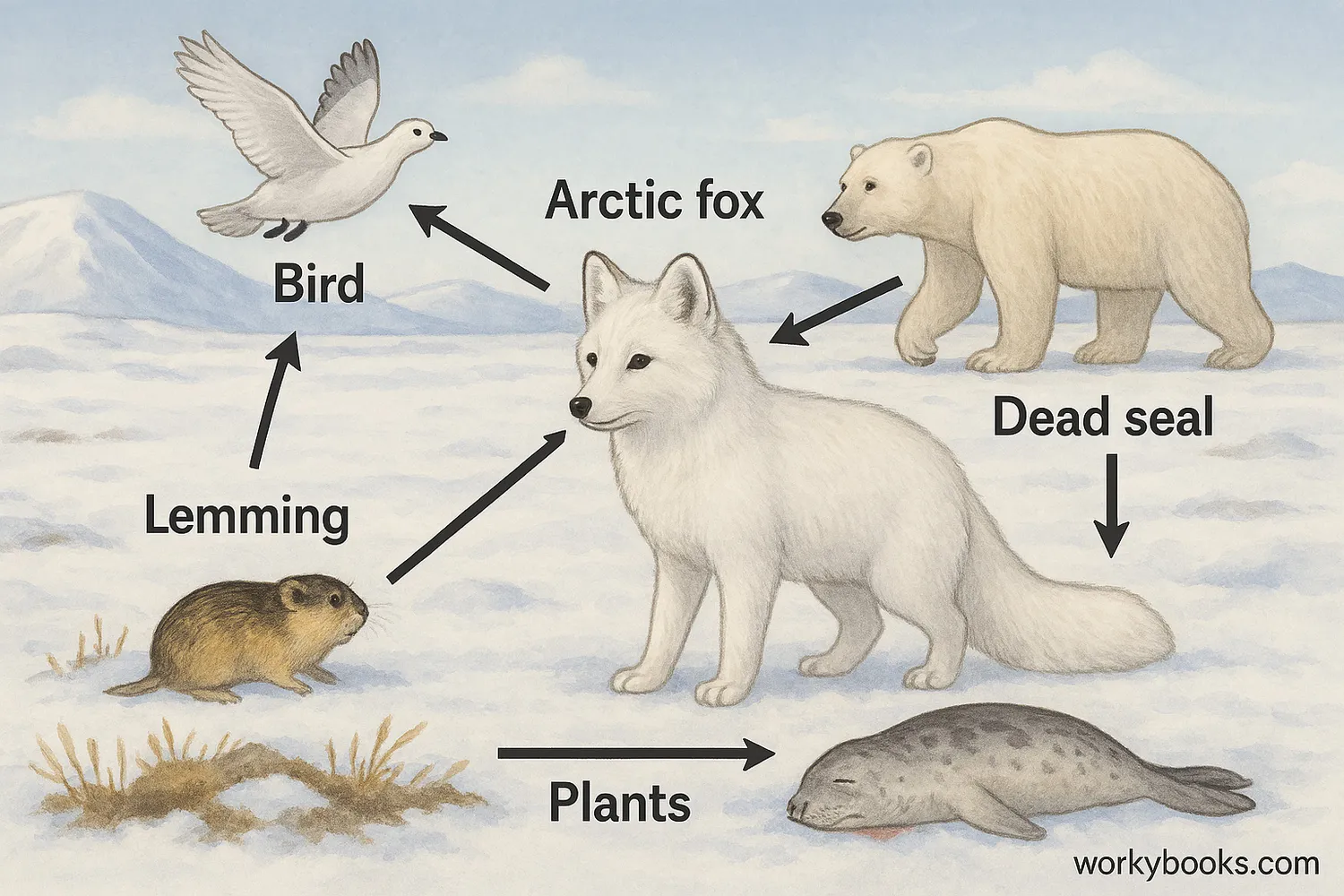
- Providing for scavengers: Wolf kills are essential for the survival of secondary species. Arctic foxes, wolverines, and ravens depend on the "leftovers" of a wolf kill to survive the winter. In this sense, the wolf acts as a primary nutrient distributor across the barren landscape.
Comparative Analysis: Arctic Wolf vs. Interior Gray Wolf
To understand the specialized nature of the Arctic wolf, it is helpful to compare it to the more common interior gray wolves found in southern Canada and the continental United States.
| Feature | Arctic Wolf (Canis lupus arctos) | Interior Gray Wolf (Canis lupus) |
|---|---|---|
| Coat Color | Year-round white or creamy white | Gray, black, brown, or brindled |
| Ear Shape | Small, rounded (minimizes heat loss) | Pointed, larger (aids in cooling) |
| Average Weight | 75 to 125 lbs (34 to 56 kg) | 80 to 175 lbs (36 to 80 kg) |
| Primary Prey | Muskox, Peary Caribou, Arctic Hare | Elk, Deer, Moose, Wild Boar |
| Denning Sites | Rock caves, crevices, and rock piles | Underground burrows dug in soil |
| Human Conflict | Extremely low; minimal contact | High; livestock and habitat encroachment |
| Territory Size | Over 1,000 sq miles (prey is sparse) | 50 to 500 sq miles (prey is dense) |
The Fragility of the 2026 Arctic Landscape
As we navigate through 2026, the Arctic is warming at a rate nearly four times faster than the global average. This "Arctic Amplification" has direct and devastating consequences for the wolves' habitat. While the wolves themselves are resilient, the stability of their food chain is under unprecedented stress.
The "Rain-on-Snow" Phenomenon
One of the most significant threats to the ecosystem in 2026 is the increase in rain-on-snow (ROS) events. When rain falls on existing snowpack and then freezes, it creates an impenetrable layer of ice. This prevents caribou and muskox from reaching the lichen beneath the snow. Massive die-offs of these ungulates have been recorded following ROS events. While this provides a short-term feast for wolves, the long-term result is a collapsed prey base, leading to wolf starvation or reproductive failure.
Shifting Migration Patterns
As the sea ice thins and the seasonal freeze-thaw cycles fluctuate, the traditional migration routes of the Peary caribou are being disrupted. Wolves, which often follow these herds, are forced to travel further into unfamiliar territories. In some regions, this has led to increased hybridization with other subspecies or competition with grizzly bears that are moving further north as the climate warms (a phenomenon known as "borealization").
Conservation Status and Industrial Pressure
Currently, the Arctic wolf is classified as "Least Concern" by the International Union for Conservation of Nature (IUCN), largely because their remote habitat shields them from the persecution faced by wolves in the lower latitudes. However, this status is deceptive. The fragility of the Arctic means that even small-scale changes can have outsized impacts.
Industrial interests in 2026, particularly in mining for rare earth minerals and northern shipping routes, represent a growing threat. Increased human activity brings noise pollution, habitat fragmentation, and the risk of disease transmission from domestic dogs. Conservation efforts are currently focused on establishing "Large Ocean and Land Management Areas" that restrict industrial development in known denning and hunting grounds.
Protecting the Arctic wolf requires a holistic approach to Arctic conservation. It is not enough to protect the wolves themselves; the entire "fragile web" must be maintained. This includes protecting the grazing lands of the muskox and ensuring that the permafrost remains intact to support the tundra's slow-growing flora.
Practical Steps for Ecosystem Monitoring
In 2026, wildlife biologists have moved toward non-invasive monitoring techniques to study these elusive predators. Because capturing and collaring wolves in the High Arctic is logistically difficult and stressful for the animals, new methods are being employed:
- Satellite Imagery: High-resolution satellites are used to track the movement of large muskox herds, which in turn helps predict wolf pack locations.
- Environmental DNA (eDNA): Researchers collect snow samples from wolf tracks. These samples contain skin cells and hair that allow scientists to identify individual wolves, determine pack genetics, and monitor health without ever seeing the animal.
- Acoustic Monitoring: Fixed microphone arrays placed across the tundra record howling patterns to estimate population density and social health.
FAQ: Understanding the Guardian of the North
Do Arctic wolves pose a danger to humans?
Arctic wolves have historically shown little fear of humans, likely due to their lack of negative encounters with us. While they are often curious and may approach researchers, there are very few recorded instances of unprovoked attacks. However, as an apex predator, they are inherently dangerous and should never be approached or fed.
How far can an Arctic wolf travel in a single day?
An Arctic wolf is capable of traveling over 30 miles (48 km) in a single day while searching for food. During long-range migrations or when following caribou herds, they can cover hundreds of miles over the course of a week, maintaining a steady, energy-efficient trot.
Why is their fur white all year round?
Unlike the Arctic fox or the snowshoe hare, which change color with the seasons, the Arctic wolf remains white throughout the year. In the High Arctic, snow and ice can persist even in the summer months, and the white coat provides consistent camouflage in the predominantly light-colored, rocky landscape of the tundra.
What is the average lifespan of a wolf in the High Arctic?
In the wild, Arctic wolves typically live 7 to 10 years. The harsh environment, risk of injury during hunts (a single kick from a muskox can be fatal), and the scarcity of food make it difficult for them to reach the ages seen in captive populations, which can live up to 15 years.
How does climate change specifically impact wolf cub survival?
Climate change leads to more frequent "rain-on-snow" events, which can flood dens or freeze the entrance. Furthermore, if the timing of the caribou migration shifts, the mother may be forced to leave the pups earlier than usual to find food, leaving them vulnerable to predation from polar bears or other wolf packs.
Moving Forward: The Future of the High Arctic
The survival of the Arctic wolf is inextricably linked to the global effort to mitigate climate change. As the "guardians" of the North, they perform a service that no technology can replicate—they maintain the biological discipline of a landscape that is under immense environmental pressure.
For those interested in the preservation of this species, supporting organizations that focus on Arctic habitat conservation and climate research is the most effective path forward. The goal is to ensure that the High Arctic remains a place where the "White Ghost" can continue to roam, hunt, and balance the scales of nature.