Three-day cruises from Florida are worth it for travelers seeking a cost-effective, high-energy getaway or those testing their "sea legs" for the first time. They offer an efficient escape to the Bahamas or private islands, though the per-day cost is often higher than week-long voyages due to fixed port fees.
Florida remains the undisputed cruise capital of the world in 2026, with major hubs like Miami, Port Canaveral, and Fort Lauderdale serving as the primary gateways for short-duration maritime vacations. For many, the "worth" of a three-day cruise depends on geographic proximity and expectations regarding ship size and onboard atmosphere. While these "sampler" cruises provide a concentrated burst of relaxation and entertainment, they operate on a significantly different rhythm than traditional seven-day itineraries.
The Economic Reality of Short-Duration Cruising
When evaluating if a three-day cruise is worth the investment, the first metric most travelers look at is the sticker price. In 2026, the market for short cruises has bifurcated into "budget-friendly samplers" and "short-form luxury."
Understanding the Per-Day Price Gap
It is a common misconception that a three-day cruise costs roughly half of what a six-day cruise costs. In reality, the price-per-night on a three-day itinerary is frequently higher. This occurs because cruise lines must account for fixed operational costs that do not scale linearly with duration. Port taxes, terminal fees, and the labor-intensive processes of embarkation and debarkation are roughly the same for a weekend sailing as they are for a week-long journey.
For instance, a three-day cruise might cost $450 per person, while a seven-day cruise on the same line might cost $850. On a per-night basis, the shorter cruise is $150 per night, whereas the longer one is approximately $121. To make a three-day cruise truly "worth it" from a financial perspective, you must factor in the savings from taking fewer days off work and the lower total out-of-pocket expenditure compared to a longer vacation.
The "Hidden" Costs of a Weekend Run
Beyond the cabin fare, short cruises often lead to higher incidental spending. Because the trip is short, passengers are more likely to indulge in "splurge" behaviors—buying the premium beverage package, dining at specialty restaurants every night, or booking expensive shore excursions—reasoning that they are only on board for a few days.
Furthermore, if you are flying into Florida, the cost of airfare can drastically skew the value proposition. Spending $400 on a flight to reach a $450 cruise is a different financial calculation than driving two hours to the Port of Palm Beach. For Florida residents or those within driving distance, the 3-day cruise is almost always a high-value proposition. For those flying across the country, a 3-day itinerary rarely justifies the travel time and airfare costs unless it is paired with another Florida-based activity, such as a visit to the theme parks in Orlando.
Port Logistics: The Florida Advantage
Florida’s infrastructure is specifically designed to handle high-frequency, short-turnaround cruises. Choosing the right port can make or break the "worth" of your short trip.
- PortMiami: Often called the "Cruise Capital of the World," Miami offers the widest variety of ships. A 3-day cruise here usually means a stop in Nassau and a private island. The proximity to Miami International Airport makes it the most accessible for out-of-state flyers.
- Port Canaveral: Located near Orlando, this port is the primary choice for families. It is the home base for Disney Cruise Line’s short runs and many of Royal Caribbean’s newest "mega-ships" that have been rotated into the 3-day circuit.
- Port Everglades (Fort Lauderdale): This port is frequently favored by travelers looking for a slightly more upscale or "adult" atmosphere, often hosting Celebrity Cruises or Virgin Voyages' shorter "mermaiden" style loops.
- Port Tampa Bay: This is an excellent option for those looking to explore the Western Caribbean or Key West on shorter runs, though the ships are typically smaller due to the height restrictions of the Sunshine Skyway Bridge.
Who Finds the Most Value in a 3-Day Florida Cruise?
The subjective "worth" of these trips depends heavily on your travel goals. In 2026, three distinct groups consistently find the highest satisfaction in short-form cruising.
The First-Time Cruiser
For those who are unsure if they will enjoy being at sea or are concerned about motion sickness, the 3-day Florida cruise is the ultimate low-risk trial. It provides enough time to experience the core pillars of cruising—dining, entertainment, and island visiting—without the commitment of a full week. If you discover cruising isn't for you, you are back on land in 72 hours.
The Special Occasion Group
Bachelor and bachelorette parties, milestone birthdays, and family reunions often struggle to align schedules for a full week. The 3-day cruise, typically running Friday to Monday, requires only one or two days off work. The concentrated nature of the amenities—pools, bars, casinos, and nightclubs—creates a "Vegas at Sea" environment that is highly conducive to group celebrations.
The "Cruise and Stay" Vacationer
Many international and domestic tourists visiting Orlando’s theme parks find that a 3-day cruise is the perfect "vacation from the vacation." After a week of walking 20,000 steps a day at Disney World or Universal Studios, a short sailing from Port Canaveral offers a chance to recover and relax before flying home.
Comparing the Experience: 3-Day vs. 7-Day Cruises
| Feature | 3-Day Florida Cruise | 7-Day Caribbean Cruise |
|---|---|---|
| Pace | High-energy, fast-paced, "party" vibe | Relaxed, restorative, leisurely |
| Typical Ships | Often older/mid-sized (with exceptions) | Newer, flagship vessels with more tech |
| Destinations | Usually Bahamas and Private Islands | Multiple countries (Mexico, Jamaica, etc.) |
| Dining | Quick service and main dining focused | Full range of specialty dining options |
| Audience | Weekend warriors, groups, first-timers | Families, retirees, dedicated cruisers |
| Packing | Carry-on only is easily achievable | Requires significant luggage/planning |
The Atmosphere Onboard: What to Expect
The atmosphere on a 3-day cruise is markedly different from a longer voyage. Because passengers are trying to "fit it all in," the ships tend to be more crowded in public spaces. The pool deck is usually the heart of the action from morning until sunset, and the nightlife lasts longer into the early hours of the morning.
The "Older Ship" Caveat
Traditionally, cruise lines placed their older, smaller ships on 3-day and 4-day routes while reserving the newest "floating cities" for 7-day itineraries. However, as of 2026, this trend has shifted. Lines like Royal Caribbean have placed some of their most modern vessels (such as the Utopia of the Seas) on permanent short-course duty. If your idea of "worth it" includes having the latest waterslides, robot bartenders, and high-tech theaters, ensure you are booking a ship that has been recently "amplified" or is part of a newer class.
Itinerary Limitations
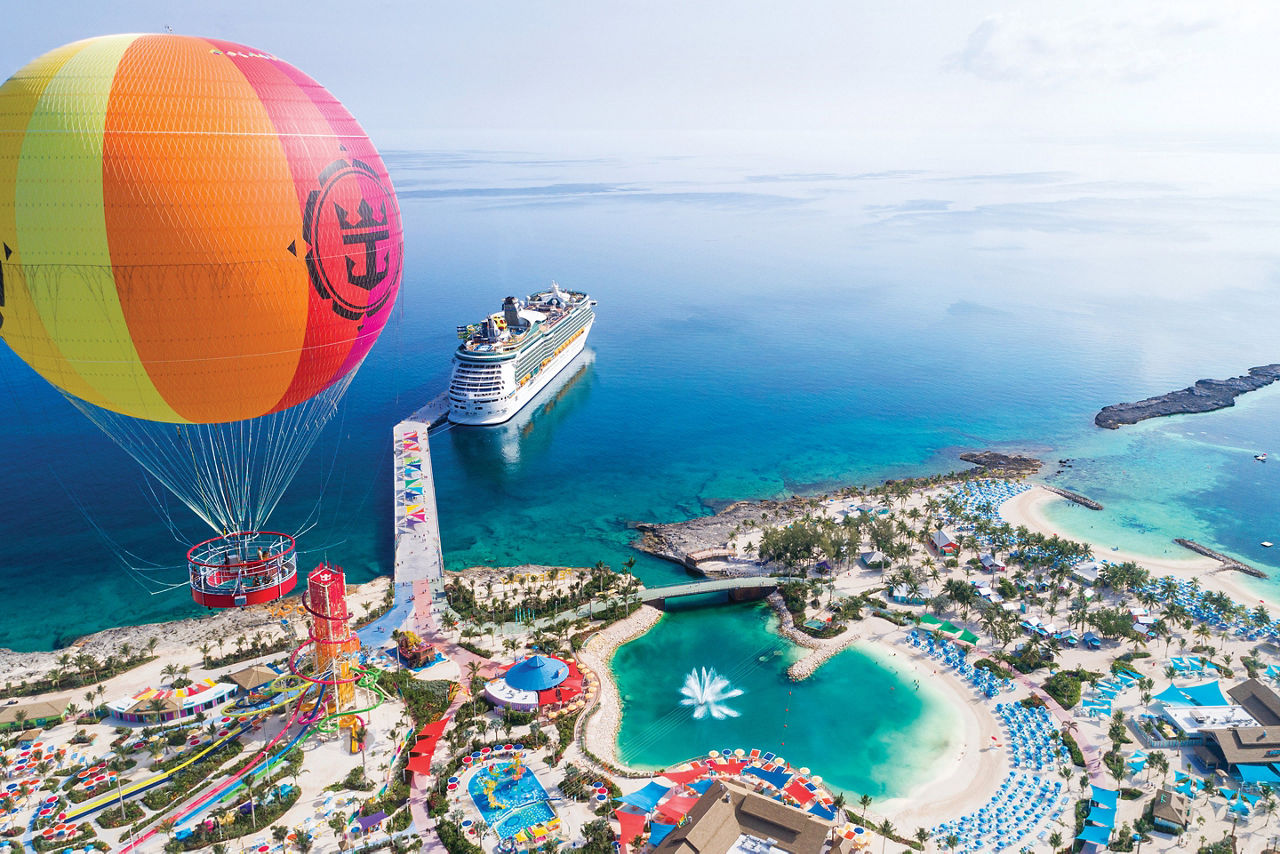
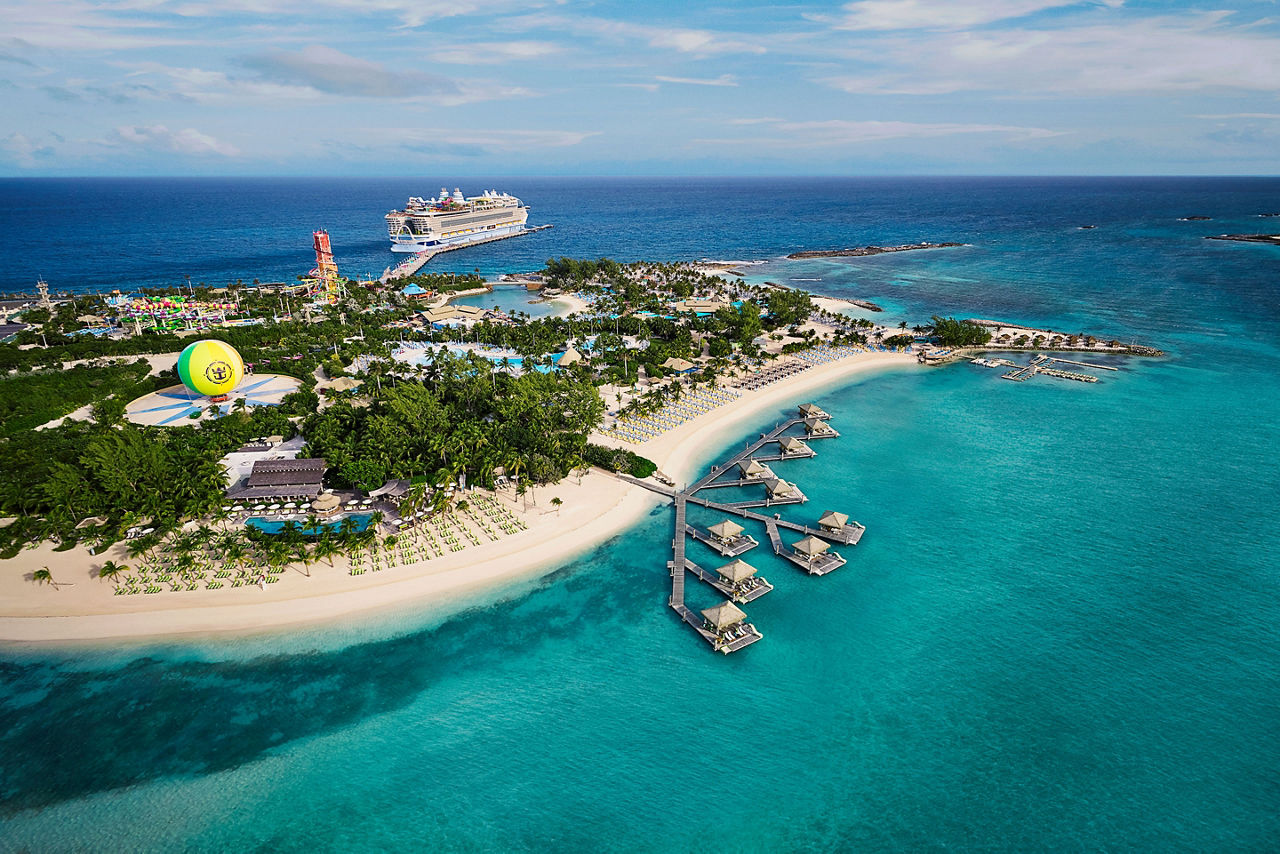
A 3-day cruise from Florida almost exclusively visits the Bahamas. This usually involves a stop in Nassau and a stop at the cruise line's private island (such as Perfect Day at CocoCay, Great Stirrup Cay, or Ocean Cay MSC Marine Reserve). If you have already visited these locations, the itinerary may feel repetitive. The value here lies less in the "exploration" and more in the "resort experience" provided by the private islands, which have become significantly more developed and upscale in the 2026 travel landscape.
Time Management: The Embarkation/Debarkation Factor
The biggest detractor from the value of a 3-day cruise is the "time-to-fun" ratio. On a 7-day cruise, the days spent checking in and checking out represent about 28% of your trip. On a 3-day cruise, they represent 66% of your trip days.
- Day 1: You likely board around 1:00 PM. You spend the afternoon figuring out the ship's layout and attending the mandatory safety briefing.
- Day 2: Your only full, uninterrupted day of vacation.
- Day 3: The "last" day, usually spent at a private island.
- Day 4: You are off the ship by 8:00 AM or 9:00 AM.
To make the most of this, you must arrive at the port early. Most Florida ports now use advanced biometrics and staggered arrival windows to speed up the process, but the transition days still consume a significant portion of your time. If you live in Miami or Fort Lauderdale, this is a minor inconvenience. If you are traveling from out of state, the ratio of "travel time" to "vacation time" is the most critical factor in deciding if the trip is worth it.
Common Pitfalls and How to Avoid Them
To ensure your 3-day cruise remains a high-value experience, avoid these common mistakes:
- Over-scheduling: Don't try to see every show and eat at every restaurant. Pick two or three "must-do" items and leave the rest for a future trip.
- Ignoring the "Small" Lines: While Carnival and Royal Caribbean dominate the short-cruise market, lines like Margaritaville at Sea or MSC often offer aggressive pricing that makes a weekend getaway incredibly cheap, though the amenities may be more limited.
- Waiting to Book Excursions: With only one or two port days, the best excursions sell out fast. In 2026, most cruisers book these through the ship’s app months in advance.
- Forgetting the Gratuities: Remember that daily gratuities (typically $16–$20 per person, per day) are added to your final bill. On a short cruise, this can feel like a sudden price hike on the last morning if you haven't budgeted for it.
Frequently Asked Questions
Are 3-day cruises too short?
For many, yes. By the time you unpack and get settled, it is time to pack again. However, for those with high-stress jobs or limited childcare options, 72 hours of "enforced relaxation" where you don't have to cook, clean, or drive is exactly what is needed to recharge.
Is it cheaper to book a 3-day cruise last minute?
In 2026, "last-minute" deals are rarer than they were a decade ago. Cruise lines have become much more efficient at filling ships through dynamic pricing algorithms. You are usually better off booking 6–9 months in advance. The only exception is for Florida residents who can take advantage of "resident rates" that sometimes appear 30 days before sailing.
Do 3-day cruises have formal nights?
Most 3-day cruises have a "dress to impress" night, but it is rarely mandatory or as formal as the gala nights on longer sailings. On short Florida runs, the vibe is decidedly "resort casual." You will see more sundresses and collared shirts than tuxedos and ballgowns.
What is the best month for a 3-day Florida cruise?
To maximize value, target January, February, or early May. These months avoid the peak pricing of Spring Break and the volatility of the peak hurricane season (August–October). The weather in the Bahamas remains pleasant enough for swimming year-round, though January mornings can be slightly brisk.
Is the drink package worth it on a 3-day cruise?
This depends on your consumption habits, but the drink package is often "easier" to justify on a short cruise. Since you only have to pay for three days of the package rather than seven, the total cost is more manageable. However, you must drink 6–9 beverages per day to break even, which can be exhausting over a 72-hour period.
Final Recommendation
A 3-day cruise in Florida is worth it if you view it as a high-octane weekend retreat rather than a deep-dive travel experience. It offers unparalleled convenience for Florida locals and serves as an excellent entry point for new cruisers. To get the best value, choose a ship that has been updated within the last five years, focus on the private island day as your primary highlight, and manage your expectations regarding the "rushed" nature of embarkation and debarkation. If you are looking for a relaxing, slow-paced immersion into Caribbean culture, you will likely find a 5-day or 7-day itinerary provides much better long-term value for your vacation dollar.