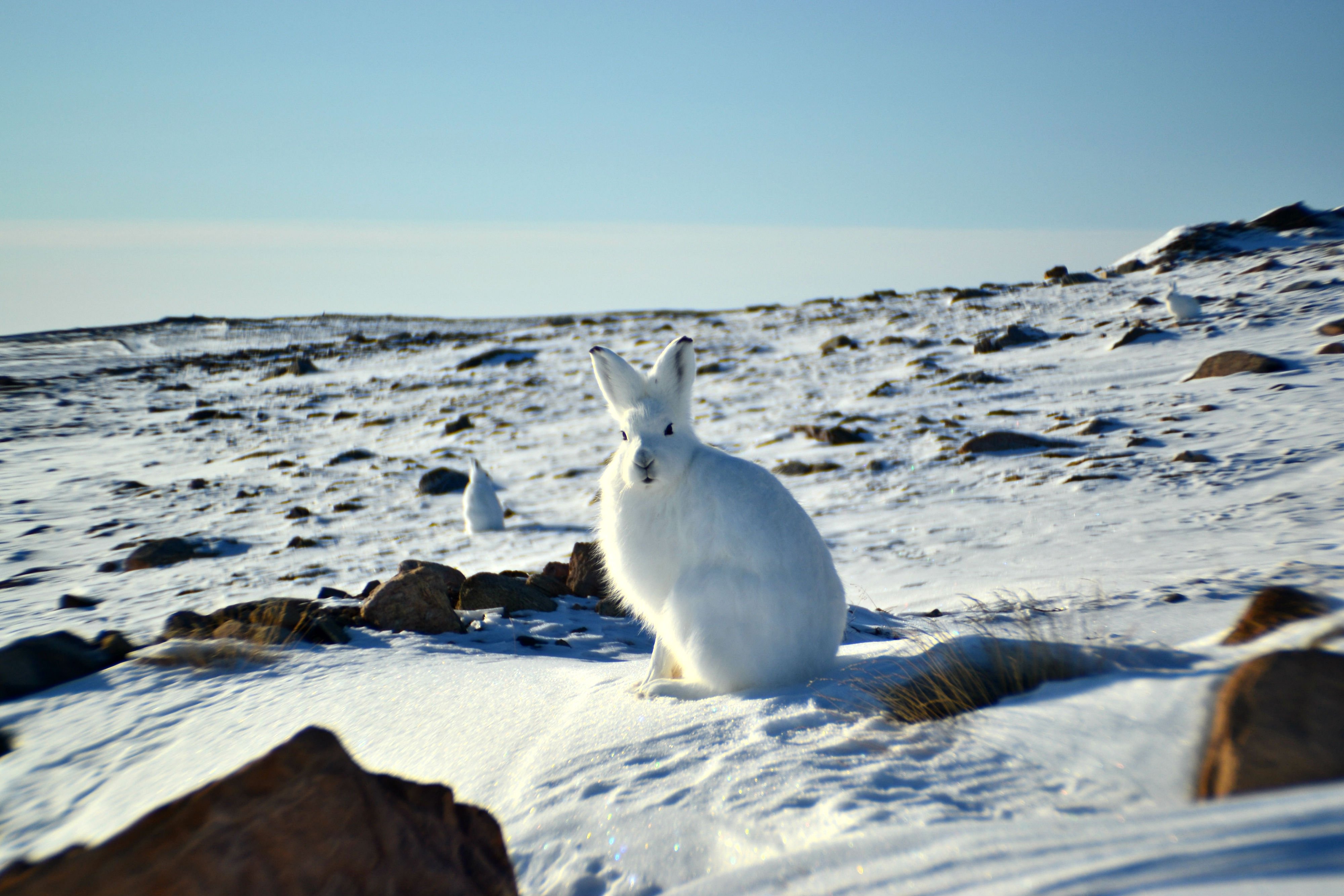
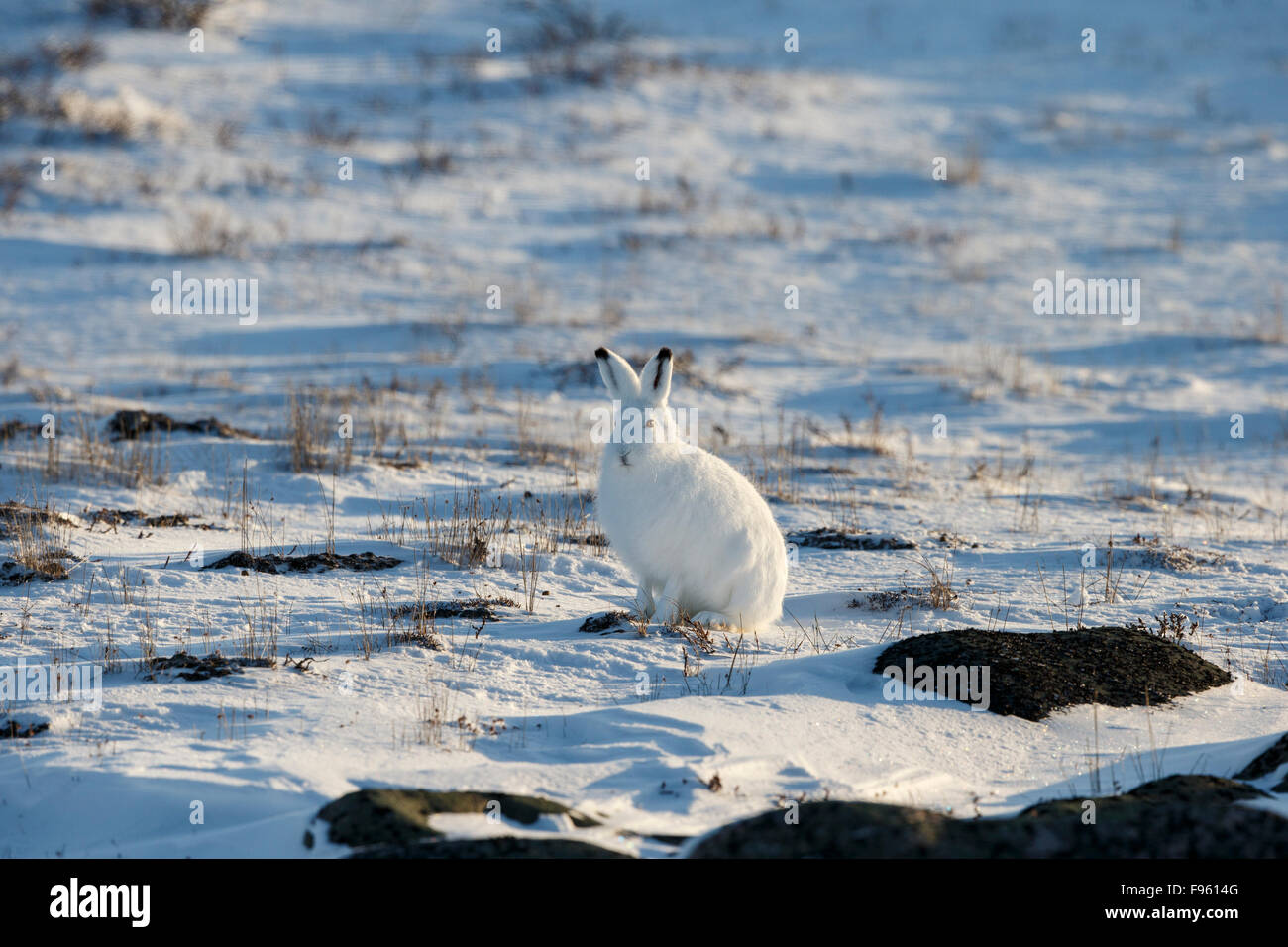
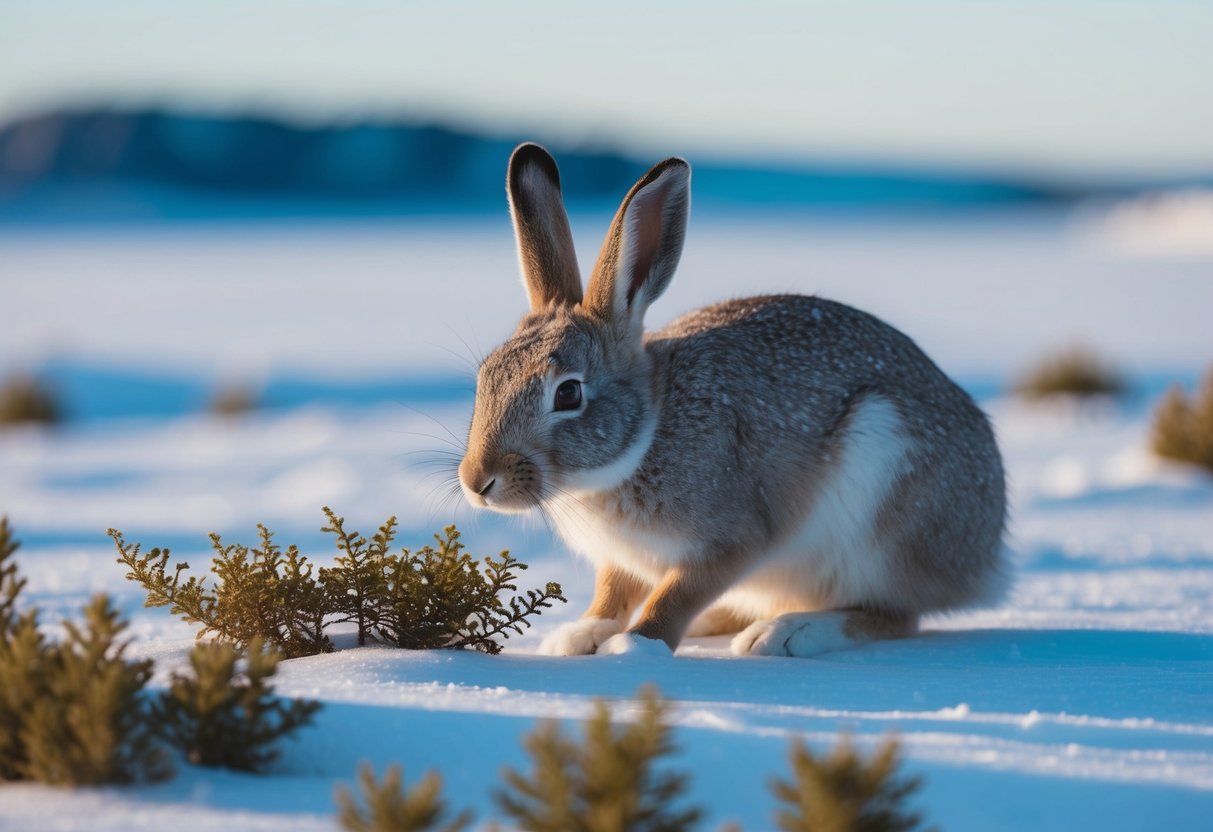
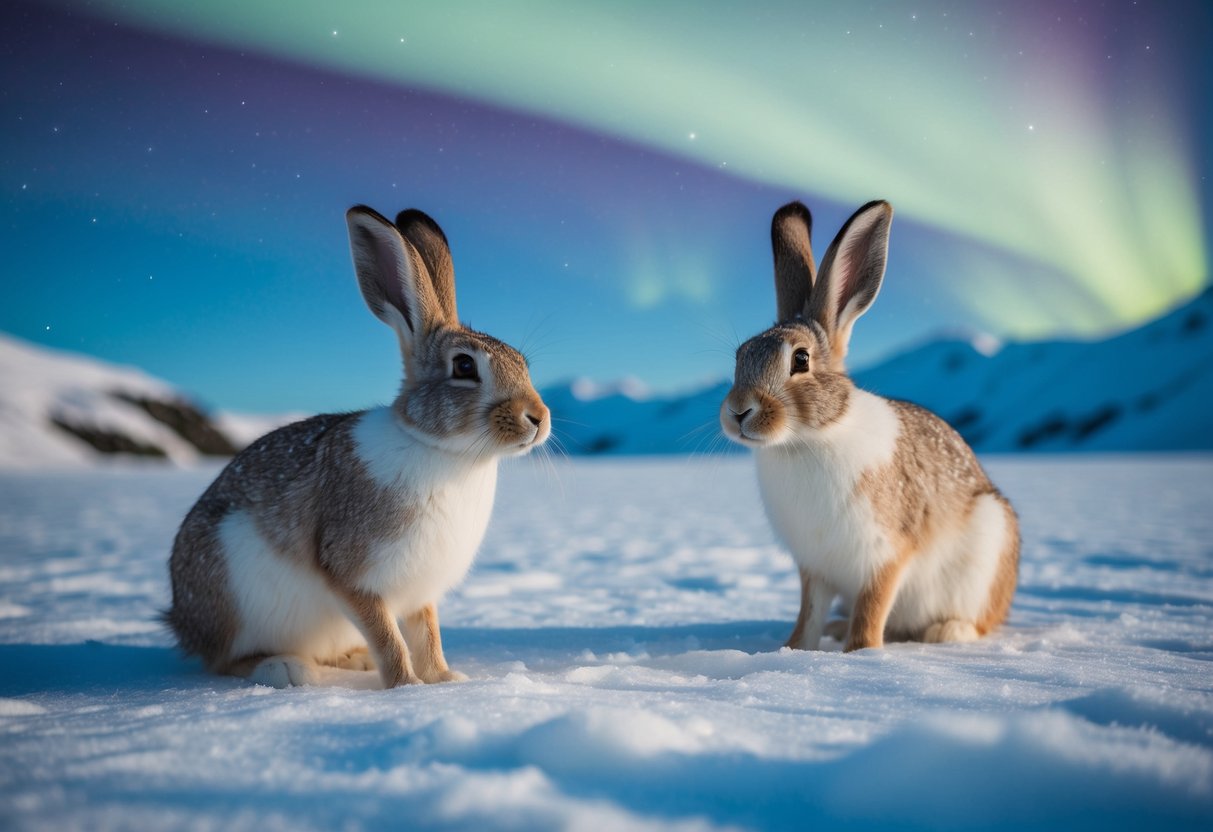
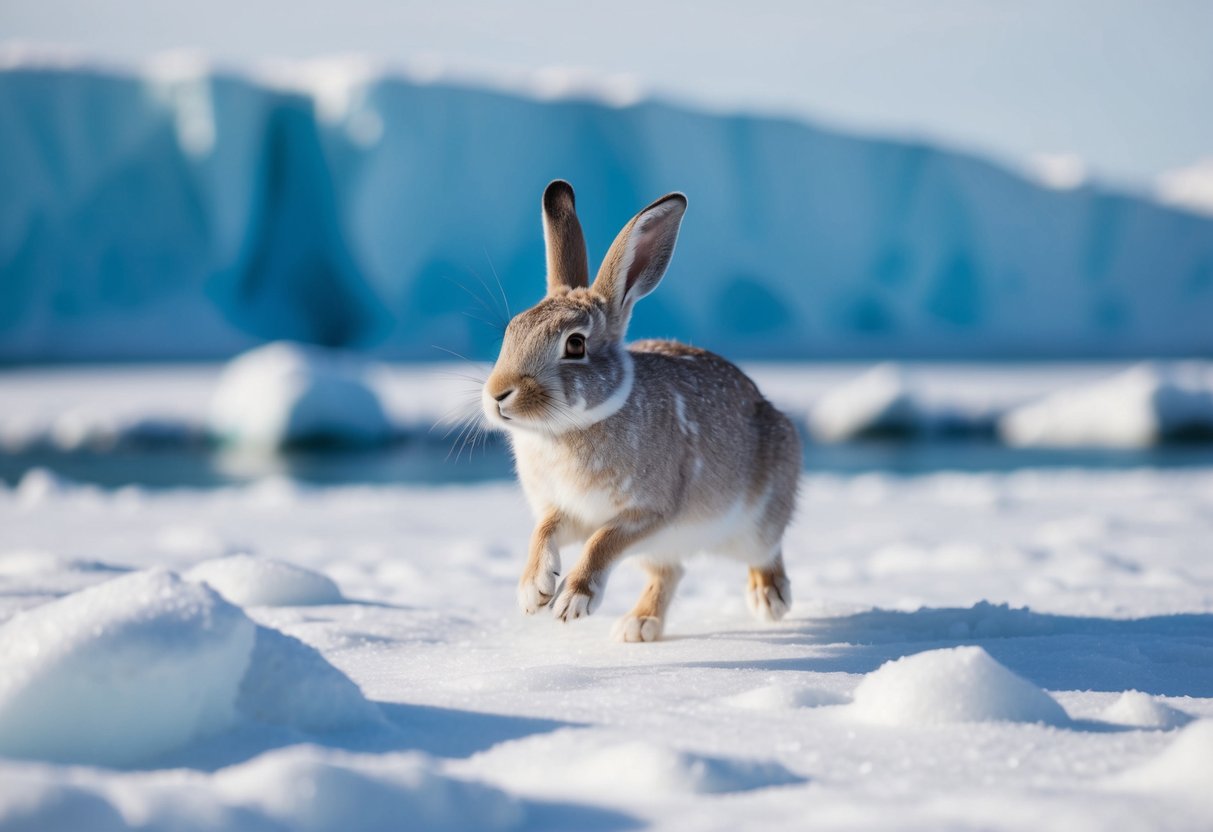
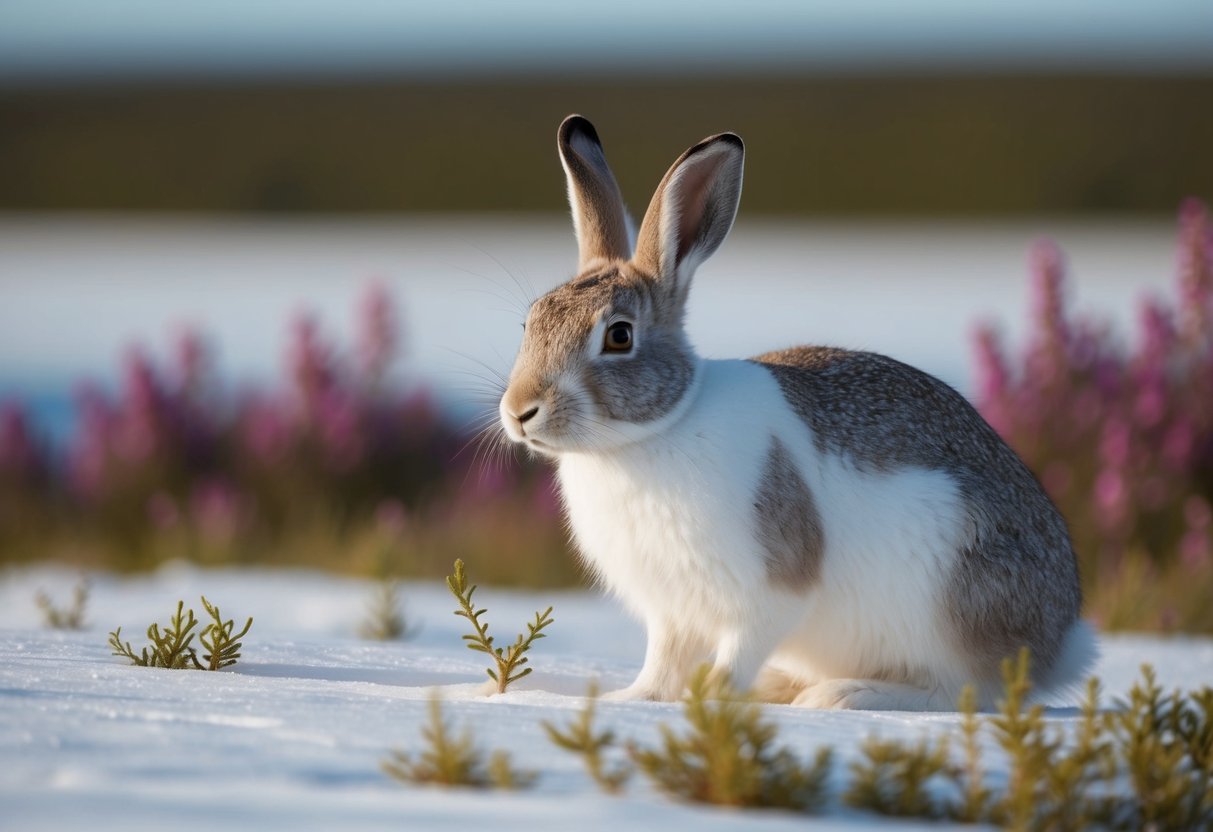
In the summer, the Arctic hare (Lepus arcticus) undergoes a dramatic physical transformation, shedding its iconic white winter coat for a shorter, brownish-grey or blue-grey pelt. This seasonal molt allows the hare to blend into the rocky tundra and blooming vegetation, providing essential camouflage against predators during the brief, intense Arctic growing season.
The Arctic hare is a marvel of biological adaptation, specifically engineered to survive some of the most inhospitable conditions on Earth. While many people visualize this lagomorph as a fluffy white ball against a snowy backdrop, its summer life is equally fascinating and arguably more critical for the species' long-term survival. As of 2026, wildlife biologists continue to monitor how these transitions align with shifting Arctic seasons, as the timing of the summer molt is vital for the hare’s protection and reproductive success.
The Seasonal Molt: A Masterclass in Camouflage
The most striking feature of the Arctic hare in summer is its color change. Unlike the non-migratory populations in the high-latitude regions of the High Arctic (such as Ellesmere Island), which may remain white or only partially change year-round, most Arctic hares in more southern regions of the tundra undergo a complete pelage transition.
The Mechanism of Change
The molting process is primarily triggered by photoperiodism—the response of an organism to changes in the length of daylight. As the days lengthen in late spring and early summer, the hare’s pineal gland detects the shift in light, signaling the endocrine system to begin the shedding of the thick, hollow-haired winter fur.
In its place grows a thinner, denser summer coat. This summer fur is typically a mix of cinereous (ash-grey) and brown, often with a darker dorsal stripe. The underbelly remains lighter, usually a pale grey or white, which helps break up the animal's silhouette when viewed from below or the side—a defensive tactic known as countershading.
Latitude and Variation
It is important to note that "summer" looks different for hares depending on their specific geography. In the southern parts of their range, such as Labrador or Newfoundland, the transition to a dark coat is total. However, in the northernmost reaches of Canada and Greenland, the summer is so short that a full color change might actually be a disadvantage. In these high-latitude areas, hares often retain a significant amount of white fur, which blends in with the persistent snow patches and quartz-heavy rocks of the high-altitude tundra.
Dietary Shifts and Foraging Behavior
Summer is the time of plenty for the Arctic hare. During the long winter, these animals are forced to dig through deep snow to reach woody shrubs or even scavenge for moss and lichen. When the snow melts, the dietary landscape expands significantly.
Essential Summer Nutrients
The primary food source for the Arctic hare in summer is the Arctic willow (Salix arctica). They consume the leaves, bark, and particularly the protein-rich buds. Beyond willow, they diversify their intake to include:
- Purple Saxifrage: One of the first plants to bloom, providing early-season energy.
- Grasses and Sedges: High-fiber staples that are abundant in damp tundra lowlands.
- Crowberries and Bilberries: Essential for fat accumulation toward the end of the summer.
- Flowers and Forbs: Such as mountain avens, which offer concentrated nutrients.
Hydration and Feeding Patterns
With the sun remaining above the horizon for 24 hours in many parts of their range, Arctic hares do not strictly follow a nocturnal or diurnal schedule. Instead, they exhibit "polyphasic" activity, meaning they have multiple short periods of feeding and resting throughout the day and night. Hydration in the summer is rarely a struggle, as meltwater from permafrost and snowbanks provides ample fresh water across the landscape.
Reproduction and the Raising of Leverets
The summer season is the only window of opportunity for the Arctic hare to reproduce. Mating typically occurs in April or May, and by the time the tundra is turning green in June or early July, the young, known as leverets, are born.
Survival of the Young
Arctic hares have a gestation period of approximately 50 days. A female will typically give birth to a single litter per year, containing anywhere from two to eight leverets. Unlike rabbits, which are born blind and hairless (altricial), Arctic hares are born precocial. They arrive fully furred, with their eyes open, and are capable of hopping within hours of birth.
This is a critical adaptation for a species living in an environment with virtually no cover. The summer coat of a leveret is even more camouflaged than that of the adult, often featuring a "peppered" appearance that makes them nearly invisible when they sit motionless among the lichen-covered rocks.
Maternal Care
The mother does not stay with her young constantly, as her presence might attract predators like the Arctic fox or snowy owl. Instead, she hides the leverets in separate locations—often tucked into rock crevices or behind small hummocks—and returns only briefly to nurse them. This nursing period is short but intense; Arctic hare milk is incredibly rich in fats and nutrients, allowing the young to grow at an accelerated rate to be ready for the autumn freeze.
Social Dynamics and the "Herd" Phenomenon
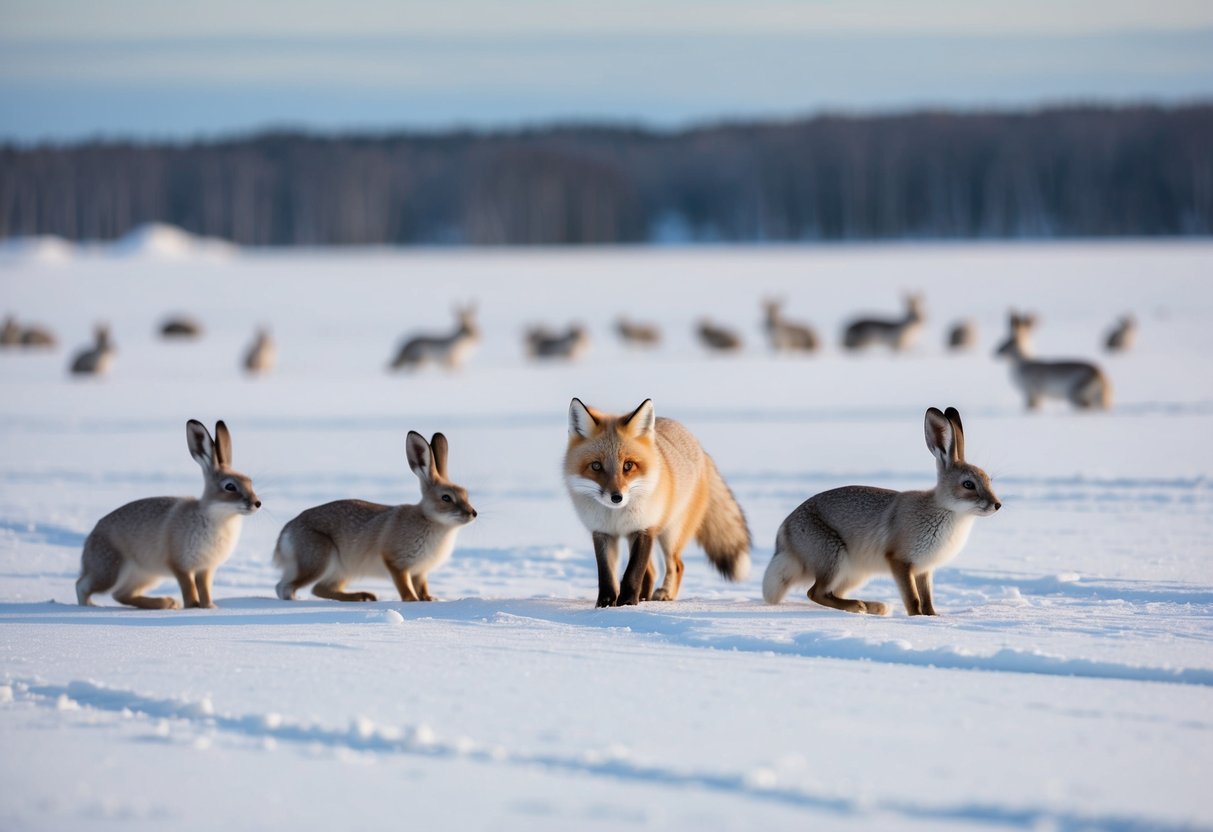
One of the most peculiar behaviors of the Arctic hare, often observed during the transition into summer, is the formation of massive groups or "herds." While many lagomorphs are solitary, Arctic hares have been documented in groups of hundreds, and occasionally thousands, of individuals.
Safety in Numbers
Scientists believe these gatherings serve several purposes. During the summer, the tundra is wide open, and the white-to-brown transition period can leave some hares momentarily more visible than others. By clustering together, they utilize the "dilution effect," reducing the statistical probability of any single individual being caught by a predator.
Communication and Movement
When a herd is spooked, they move with incredible synchronization. It is a spectacular sight to see hundreds of brownish-grey hares rising onto their hind legs to scan the horizon and then bounding away simultaneously. This social structure is most prevalent in the High Arctic where resources are more concentrated and the risk of predation from wolves is high.
Predator Evasion in the Summer Landscape
The Arctic hare is a primary prey species, and its survival in the summer depends on its ability to outrun or outsmart its hunters. The primary summer predators include:
- Arctic Fox: Stealthy and persistent, foxes often target leverets.
- Grey Wolf: Can pursue hares over long distances.
- Snowy Owl: Uses keen eyesight to spot movement from above.
- Ermine (Stoat): Capable of entering small crevices where young hares hide.
Tactical Defense
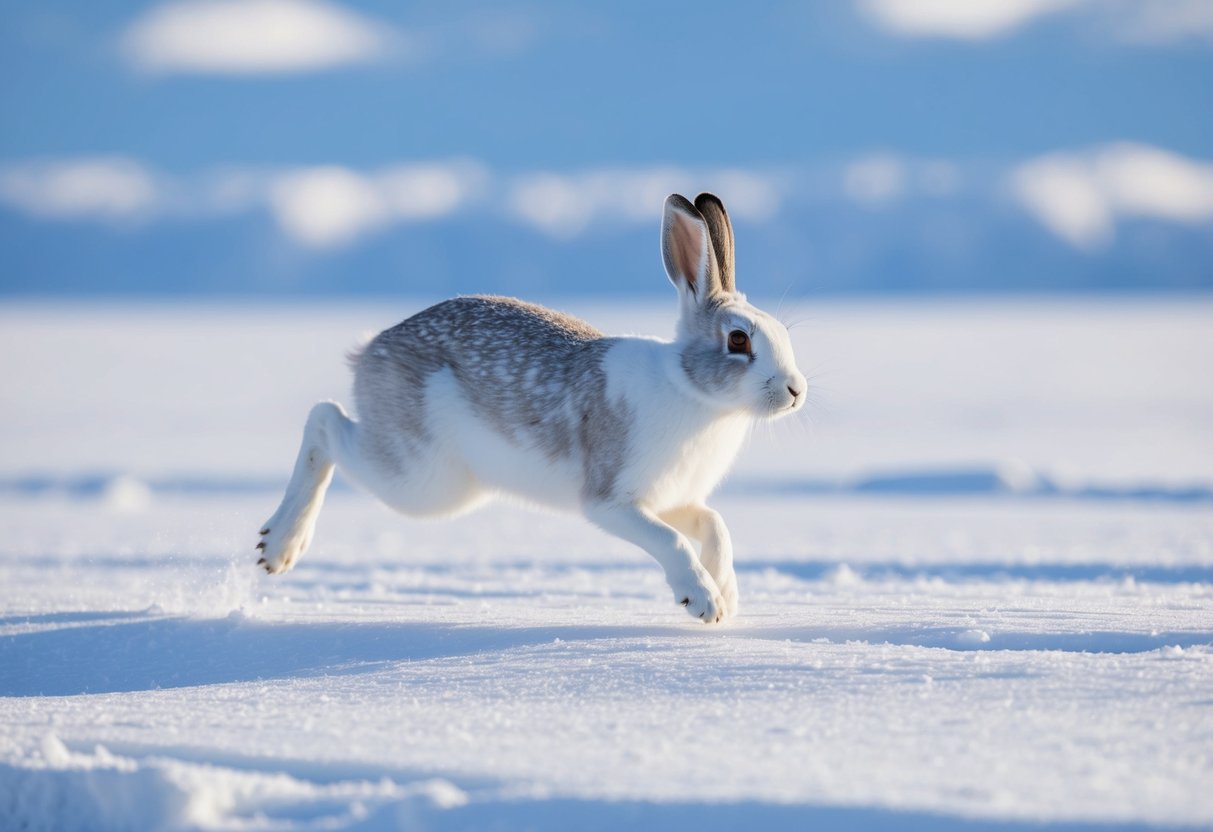
The hare's main defense is its speed. It can reach bursts of up to 60 kilometers per hour (37 mph). Interestingly, when the hare is startled in the summer, it often stands on its hind legs to get a better vantage point over the low-lying tundra vegetation. If pursued, it can hop on its hind legs like a kangaroo, a movement that allows it to maintain high speeds while navigating uneven, rocky terrain.
Comparative Overview: Summer vs. Winter
To understand the significance of the summer phase, it is helpful to compare it directly with the winter state of the Arctic hare.
| Feature | Summer Characteristics | Winter Characteristics |
|---|---|---|
| Coat Color | Brownish-grey, cinereous, or blue-grey | Brilliant, pure white |
| Fur Density | Shorter, lighter, and less insulating | Long, thick, hollow-fiber insulation |
| Social Behavior | Often found in large herds (High Arctic) | More dispersed or small groups |
| Diet | Fresh leaves, shoots, flowers, and berries | Woody stems, bark, and lichen dug from snow |
| Activity Level | High (breeding, nursing, rapid growth) | Low (energy conservation) |
| Weight | Generally lower (leaner) | Higher (fat stores for insulation/energy) |
| Primary Threat | Avian predators and fast terrestrial hunters | Starvation and extreme cold |
Geographical Range and Habitat
The Arctic hare is found across the northernmost regions of the Northern Hemisphere. Their summer habitat remains consistent with their winter range, but they utilize different micro-environments within those zones.
- Tundra Plateaus: Preferred for the abundance of willow and grasses.
- Rocky Slopes: Used for shelter and as a vantage point to spot predators.
- Coastal Areas: In some regions, hares frequent the shoreline to consume seaweed or salt-rich plants.
In 2026, researchers have noted that the "greening" of the Arctic—a result of rising global temperatures—is shifting the hares' summer range further north. While more vegetation might seem beneficial, it also brings competition from other species, such as the snowshoe hare, which is moving northward and competing for the same summer food sources.
Expert Observations and Conservation Status
As of current 2026 data, the Arctic hare is not listed as endangered, but it is considered a "sentinel species" for climate change. Because their life cycle is so closely tied to the timing of the seasons, they are highly vulnerable to phenological mismatch.
The Risk of Mismatch
A phenological mismatch occurs when the hare's coat changes color based on day length, but the snow melts earlier or later than usual due to weather anomalies. A white hare on a brown, snowless summer tundra is an easy target for any predator. Conversely, if a hare molts into its brown summer coat too early while snow still covers the ground, its primary defense—camouflage—is negated.
Long-term Stability
Conservation efforts focus on protecting the vast, contiguous stretches of tundra they require. Unlike many other species, the Arctic hare does not adapt well to human encroachment or habitat fragmentation. Maintaining the integrity of the Arctic wilderness is the only way to ensure that these "ghosts of the tundra" continue their seasonal transformations for centuries to come.
FAQ: Frequently Asked Questions
Do all Arctic hares turn brown in the summer?
No, not all of them. Arctic hares in the northernmost parts of their range, such as Ellesmere Island in Canada and northern Greenland, may stay white all year or only undergo a very slight change. This is because the summer in these regions is so short and snow patches are so frequent that white fur remains an effective camouflage.
How big do Arctic hares get during the summer months?
Adult Arctic hares are among the largest lagomorphs in the world. They typically weigh between 3 and 7 kilograms (6 to 15 pounds) and can measure up to 70 centimeters (28 inches) in length. They often appear leaner in the summer as they shed their thick winter undercoat.
Can you see Arctic hares in the summer?
They are much harder to spot in the summer than in the winter. Their brownish-grey fur blends perfectly with the lichen-covered rocks and tundra moss. Usually, an observer will only see an Arctic hare when it moves, as they rely on "freezing" as their first line of defense.
What is the difference between a rabbit and an Arctic hare in summer?
Hares, including the Arctic hare, have longer ears and larger hind feet than rabbits. Furthermore, Arctic hares are born with fur and open eyes (precocial), while rabbits are born hairless and blind (altricial). In the summer, Arctic hares are also much more social than most rabbit species, often forming large herds.
How fast can an Arctic hare run on summer terrain?
Despite the rocky and often boggy nature of the summer tundra, Arctic hares can reach speeds of up to 60 km/h (37 mph). Their large, powerful hind legs and padded feet allow them to navigate uneven ground with ease, often jumping over obstacles that would slow down a predator.
Practical Recommendations for Wildlife Enthusiasts
If you are traveling to the Arctic in the summer of 2026 with the hope of observing these creatures, keep the following in mind:
- Use High-Quality Optics: Because of their camouflage, you are unlikely to spot a hare with the naked eye until you are very close. Use 10x42 binoculars to scan rocky hillsides.
- Look for Movement: Hares often remain perfectly still for hours. Look for the twitch of an ear or the flash of the black tips on their ears.
- Respect the Leverets: If you find a young hare alone in the rocks, do not touch it. The mother is likely nearby and will return to nurse it once you have left. Human scent can attract predators to the leveret’s location.
- Check the Willow Patches: Since Arctic willow is their favorite summer food, focus your search on areas where these low-lying shrubs are abundant.
The Arctic hare in summer represents one of nature's most successful adaptations to a changing environment. By understanding their seasonal needs and behaviors, we gain a deeper appreciation for the delicate balance of the Arctic ecosystem.