In 2024, the United States recognized the 50th anniversary of the 1974 amendment to the Fair Housing Act, which added "sex" as a protected class. As of 2026, this evolution continues through expanded legal interpretations including sexual orientation and gender identity, while tackling modern challenges like algorithmic bias and systemic appraisal inequities.
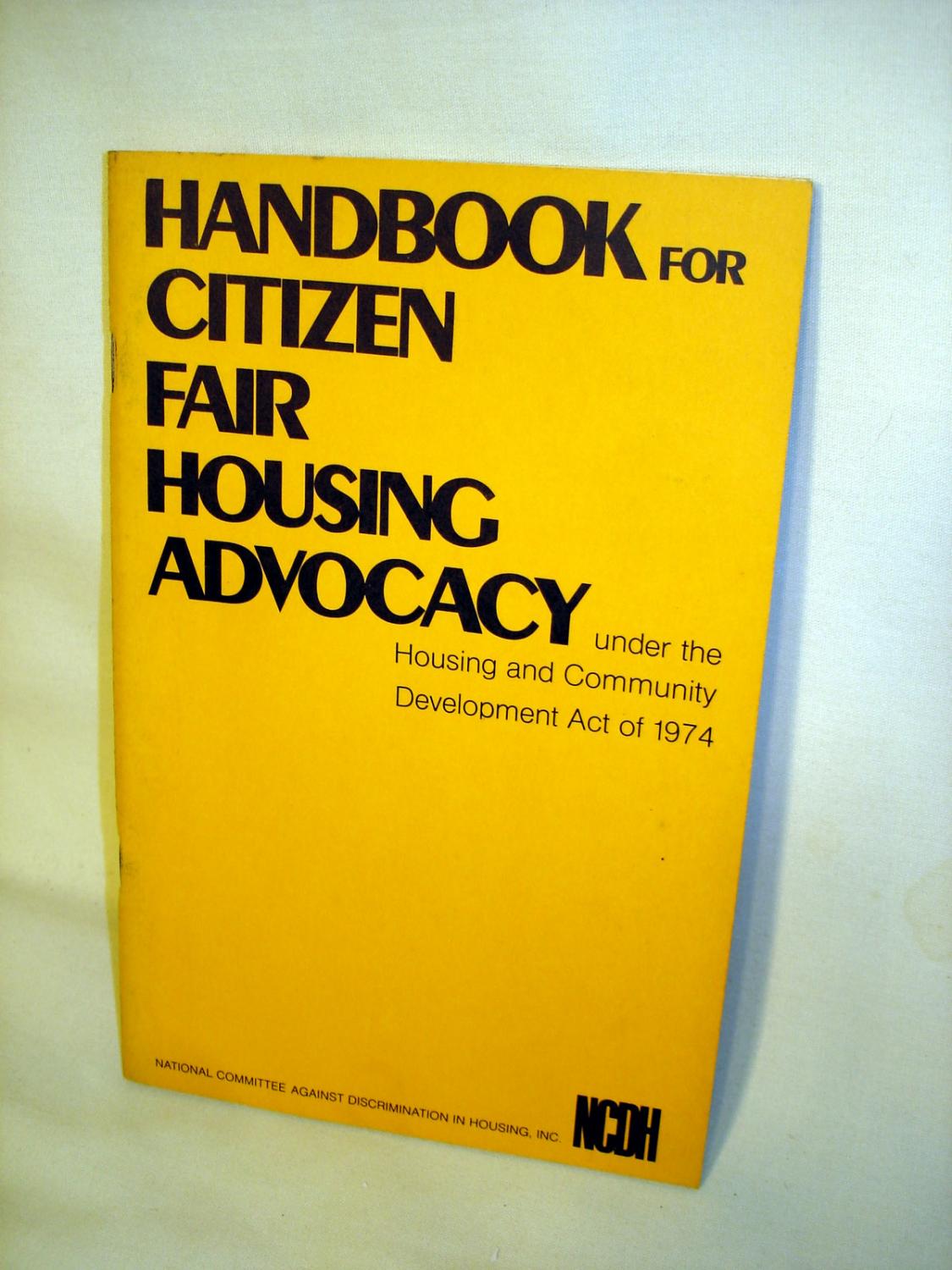
The Fair Housing Act of 1968 was a landmark piece of legislation, but it was far from a finished product upon its inception. While it initially prohibited discrimination based on race, color, religion, and national origin, it left significant gaps that allowed for the continued marginalization of various groups. One of the most consequential shifts occurred with the passage of the Housing and Community Development Act of 1974. This legislation didn't just provide funding for urban renewal; it fundamentally altered the civil rights landscape by adding "sex" to the list of protected characteristics under the Fair Housing Act.
As we look back from 2026, the 2024 milestone serves as a critical point of reflection. Fifty years of "sex" being a protected class has seen the definition of that term evolve from a narrow focus on biological gender to a broad, inclusive category that protects individuals regardless of their sexual orientation or gender identity. This evolution reflects both the legislative intent of 1974 and the judicial and administrative advancements of the early 21st century.
The 1974 Amendment: A Turning Point for Gender Equality
Before 1974, discrimination against women in the housing market was not only common but often codified in institutional policy. It was standard practice for lenders to refuse mortgages to single women or to require a male co-signer, regardless of the woman's financial standing. In the rental market, landlords frequently denied housing to divorced or single women based on outdated moral assumptions or perceived financial instability.
The inclusion of "sex" as a protected class in 1974 was a response to the burgeoning women's rights movement. It recognized that access to safe, stable, and affordable housing is a prerequisite for economic independence. By making it illegal to discriminate based on gender, the federal government began the long process of dismantling the barriers that kept women from property ownership and independent living.
The 1974 amendment was more than just a word added to a list; it was a mandate for change in the banking and real estate industries. It forced a revision of underwriting guidelines and rental applications across the country. However, the enforcement of these protections was initially weak, a problem that would not be fully addressed until the next major evolution of the law in 1988.
The 50-Year Journey: From 1974 to the 2024 Milestone
The period between 1974 and 2024 saw a dramatic expansion of what "fair housing" entails. While 1974 secured the foundation for gender equality in housing, the Fair Housing Amendments Act of 1988 significantly strengthened the Department of Housing and Urban Development’s (HUD) enforcement capabilities. This 1988 act also added protections for people with disabilities and families with children (familial status), creating the seven protected classes we recognize today.
By the time the 50th anniversary of the 1974 amendment arrived in 2024, the legal understanding of "sex" had undergone a profound transformation. A pivotal moment in this evolution was the 2020 Supreme Court decision in Bostock v. Clayton County. Although Bostock focused on employment discrimination under Title VII of the Civil Rights Act, its reasoning—that discrimination based on sexual orientation or gender identity is inherently discrimination "because of sex"—was quickly applied to the Fair Housing Act (Title VIII).
In 2021, HUD officially announced that it would interpret the Fair Housing Act to prohibit discrimination because of sexual orientation and gender identity. This administrative shift, solidified by subsequent executive orders, meant that by the 2024 anniversary, the 1974 "sex" protection had effectively grown to cover the LGBTQ+ community nationwide. This was a central theme of the 2024 commemorations: celebrating how a single word added 50 years prior had become a shield for millions of modern Americans.
Current Landscape: Fair Housing in 2026
As of 2026, the focus of fair housing has shifted from overt "No Vacancy" signs to more subtle, systemic forms of exclusion. While the 1974 amendment addressed the visible exclusion of women, today’s regulators and advocates are battling the "invisible" barriers created by technology and data.
Algorithmic Bias and Digital Redlining
One of the most pressing issues in 2026 is the use of automated underwriting and tenant screening tools. These systems often use "black box" algorithms that can inadvertently perpetuate historical discrimination. If an algorithm is trained on data that reflects decades of biased lending, it may continue to flag certain demographics as "high risk" without ever explicitly mentioning race or sex. The evolution of fair housing now requires a technical understanding of how data science impacts the constitutional right to equal housing access.
Appraisal Inequity
Recent years have seen a surge in federal oversight regarding appraisal bias. Studies leading up to 2024 and continuing into 2026 have shown that homes in predominantly minority or female-headed households are frequently undervalued compared to identical homes in other areas. The PAVE (Property Appraisal and Valuation Equity) Task Force, established earlier in the decade, continues to influence policy in 2026 by requiring more transparency and accountability from appraisers.
Source of Income Protections
While not a federal protected class under the 1974 framework, "source of income" has become a major battleground at the state and local levels as of 2026. This refers to discrimination against individuals who use Housing Choice Vouchers (Section 8) or other forms of public assistance. Advocates argue that because source-of-income discrimination disproportionately affects women and people of color, it is an essential frontier in the ongoing evolution of the 1974 spirit.
Legislative Milestones in Fair Housing History
The following table summarizes the key legislative steps that have defined the evolution of fair housing from the initial act through the milestones celebrated in 2024.
| Year | Legislation/Event | Protected Classes Added/Clarified | Primary Impact |
|---|---|---|---|
| 1968 | Fair Housing Act (Title VIII) | Race, Color, Religion, National Origin | Established the legal framework for federal housing civil rights. |
| 1974 | Housing & Community Dev. Act | Sex | Prohibited gender-based discrimination in housing and credit. |
| 1988 | Fair Housing Amendments Act | Disability, Familial Status | Granted HUD power to enforce laws and handle complaints directly. |
| 2020 | Bostock v. Clayton County | Sexual Orientation, Gender Identity | SCOTUS ruling that influenced "sex" interpretation in all civil rights. |
| 2021 | HUD Administrative Directive | Sexual Orientation, Gender Identity | Formalized LGBTQ+ protections under the "Sex" umbrella. |
| 2024 | 50th Anniversary of 1974 Act | Refinement of "Sex" Protections | National focus on gender-based economic equity and systemic bias. |
| 2026 | Modern Regulatory Phase | AI and Algorithmic Neutrality | Focus on preventing "digital redlining" and appraisal inequities. |
Technical Depth: Understanding "Disparate Impact"
In 2026, the evolution of fair housing is heavily defined by the legal theory of disparate impact. Unlike "disparate treatment," which involves intentional discrimination (e.g., a landlord saying "I don't rent to women"), disparate impact refers to policies that appear neutral on the surface but have a disproportionately negative effect on a protected group.
The 1974 addition of "sex" became a cornerstone for disparate impact cases. For example, a policy that excludes individuals with a gap in their employment history might appear gender-neutral. However, because women are statistically more likely to take time off for caregiving, such a policy could be challenged as having a disparate impact based on sex.
To successfully navigate a disparate impact claim in 2026, the following three-step burden-shifting framework is typically used:
- The Plaintiff's Burden: The person complaining must prove that a specific practice results in a statistically significant disparity for a protected class.
- The Defendant's Burden: The housing provider must demonstrate that the practice is "job-related and consistent with business necessity" (or has a "substantial, legitimate, non-discriminatory interest").
- The Final Shift: The plaintiff must show that there is a less discriminatory alternative that could achieve the same business goal.
Practical Steps for Verification and Compliance
For property managers, lenders, and real estate professionals in 2026, staying compliant with the evolved 1974 standards requires proactive auditing. The "evolution" is not just historical; it is operational.
- Review Advertising Language: Ensure that phrases implying a gender preference (e.g., "perfect for a single man" or "ideal for a lady") are entirely removed. This has been illegal since 1974 but remains a common source of complaints.
- Audit Screening Algorithms: If using third-party software for tenant screening, request a "Fair Housing Compliance Certificate" or a bias audit report from the vendor. In 2026, ignorance of how an algorithm works is no longer a valid legal defense.
- Standardize Evaluation Criteria: Use a written point system for all applicants. This minimizes the risk of subjective bias influencing the decision-making process, which was the primary goal of the 1974 amendment.
- Accommodate Reasonable Requests: Remember that the evolution of sex protections often intersects with disability and familial status. For instance, a victim of domestic violence (a group protected under the sex category) may require specific safety-related lease modifications.
Frequently Asked Questions
What was the specific purpose of the 1974 Fair Housing amendment?
The 1974 amendment, part of the Housing and Community Development Act, was designed to end widespread discrimination against women in the housing market. Prior to this, women were often denied mortgages or leases without a male guarantor. It established "sex" as a protected class, making it illegal to refuse to rent or sell to someone based on their gender.
How did the definition of "sex" change between 1974 and 2024?
In 1974, "sex" was primarily understood to mean biological gender (male or female). By 2024, following the Supreme Court’s Bostock decision and subsequent HUD directives, the definition expanded to include sexual orientation and gender identity. This reflects a modern legal understanding that it is impossible to discriminate against someone for their orientation or identity without taking their sex into account.
Are men protected under the 1974 "sex" amendment?
Yes. The Fair Housing Act protects all individuals from discrimination based on sex. This includes men, women, and non-binary individuals. If a landlord were to refuse a male applicant because they prefer female tenants, that would be a violation of the 1974 protections.
What are the penalties for violating the Fair Housing Act in 2026?
Violations can lead to significant financial penalties, including actual damages (out-of-pocket costs), emotional distress damages, and civil penalties. As of 2026, civil penalties for a first-time violation can exceed $25,000, and much higher for subsequent violations within a specific timeframe. Additionally, the Department of Justice can file lawsuits for "pattern or practice" discrimination.
How does the 1974 amendment affect mortgage lending today?
The 1974 amendment works in tandem with the Equal Credit Opportunity Act (ECOA) to ensure that lenders cannot use gender as a factor in determining creditworthiness. In 2026, this extends to ensuring that AI-driven credit scoring models do not use gender-correlated data to penalize female or LGBTQ+ applicants.
Conclusion and Recommendations
The evolution of fair housing from 1974 to 2026 demonstrates that civil rights are not static; they are a continuous process of refinement. The 50th anniversary in 2024 served as a reminder that while we have moved past the era of blatant gender-based denials, the work of ensuring true equity requires vigilance against systemic and technological barriers.
Recommendation for Consumers: If you believe you have experienced discrimination based on sex, sexual orientation, or gender identity, you should document every interaction and file a complaint with the HUD Office of Fair Housing and Equal Opportunity (FHEO). Many states also have local human rights commissions that provide additional layers of protection.
Recommendation for Professionals: Real estate professionals should engage in annual fair housing training that specifically addresses the nuances of gender identity and algorithmic bias. As the legal landscape continues to evolve post-2024, staying informed on the latest HUD guidance is essential for risk mitigation and ethical practice.