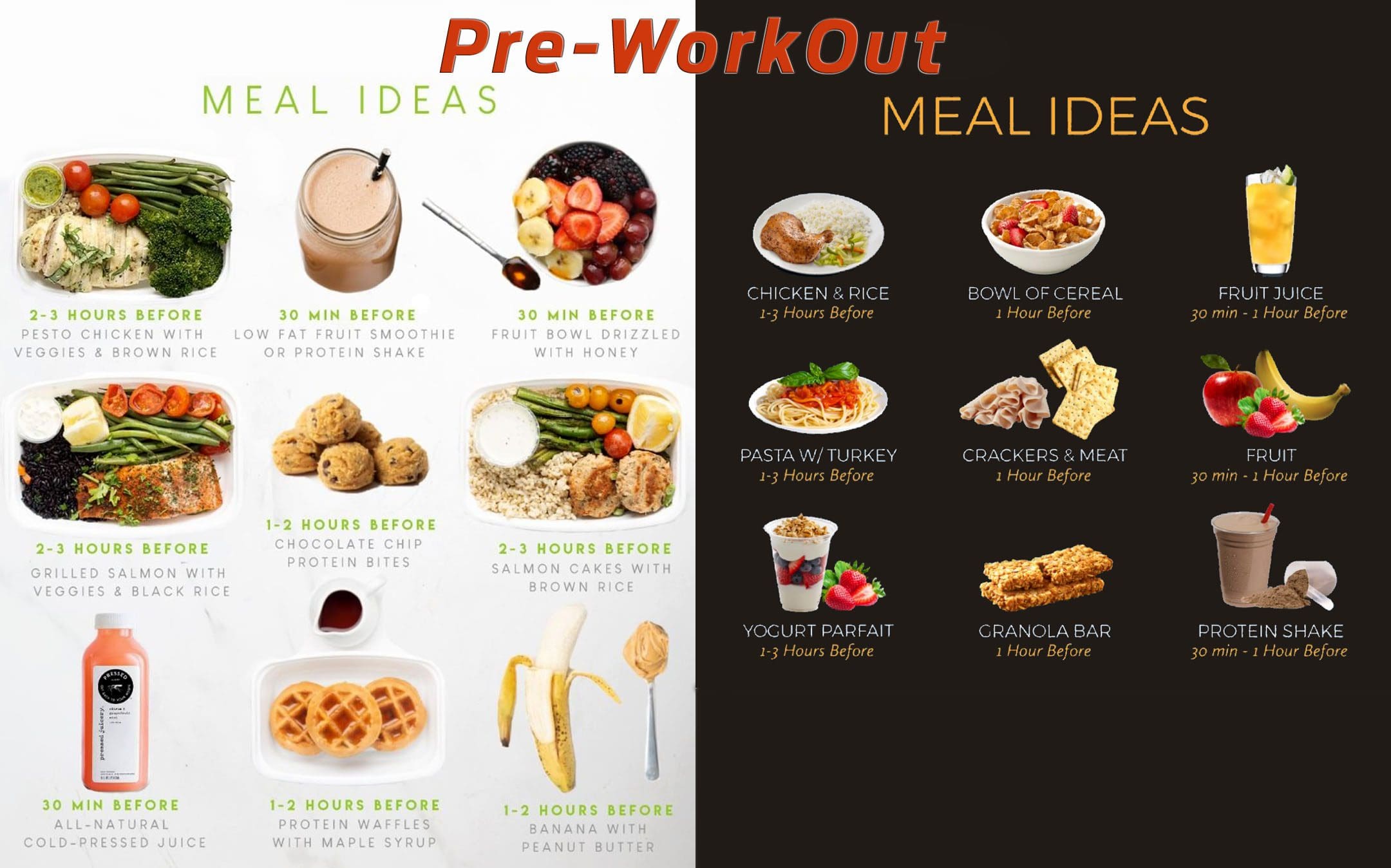
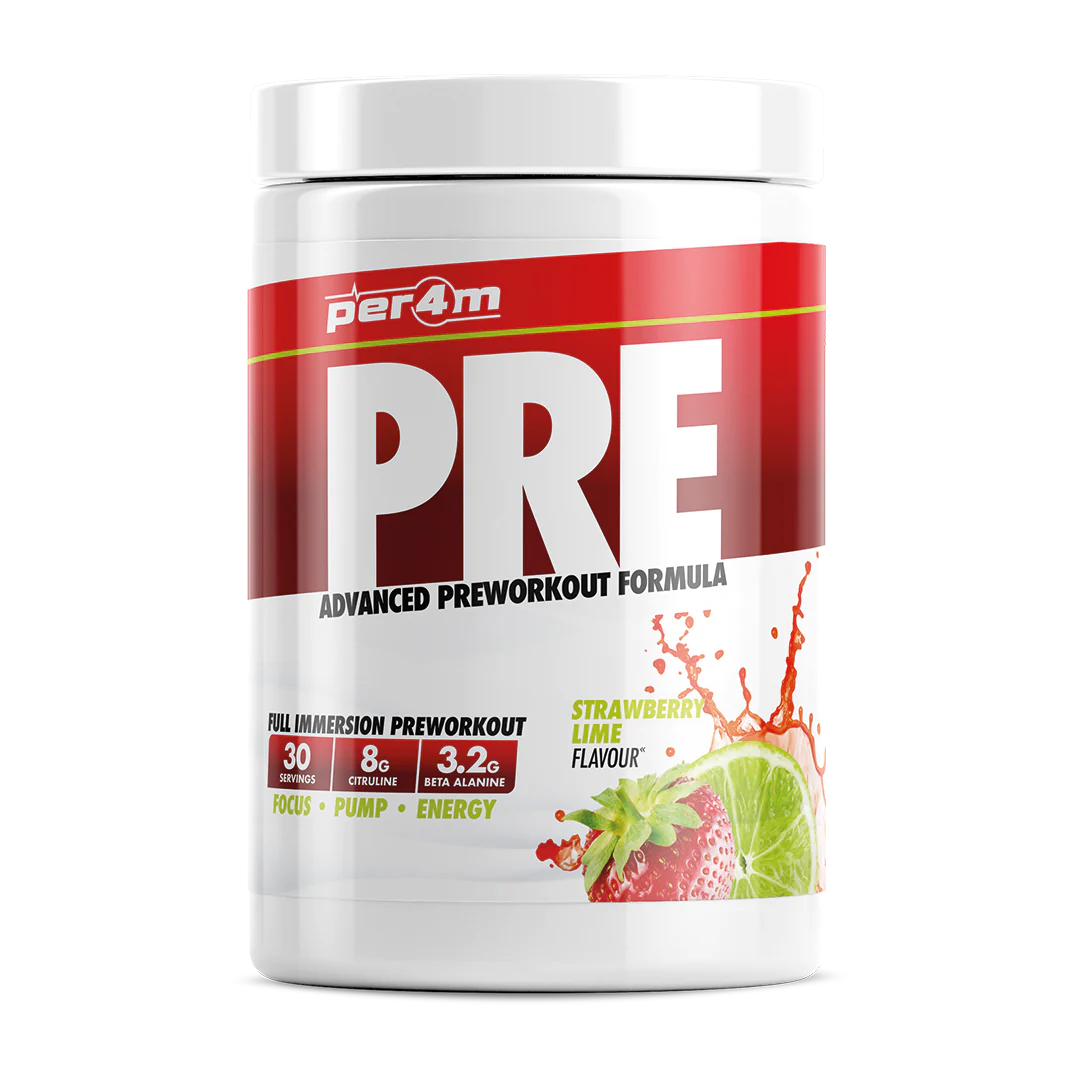
Navigating fitness nutrition while adhering to the Whole30 program requires a shift from processed supplements to whole-food alternatives. To fuel a workout effectively in 2026, focus on easily digestible proteins and fats for sustained energy, or small amounts of fruit-based carbohydrates for high-intensity sessions, while strictly avoiding all added sweeteners, grains, and dairy.
The Whole30 program is a 30-day nutritional reset designed to eliminate inflammatory food groups and help participants identify how specific ingredients affect their health and performance. When it comes to exercise, the "pre-workout" industry is dominated by powders, gels, and drinks loaded with artificial sweeteners, soy lecithin, and dairy derivatives—all of which are prohibited. Understanding your compliant options is essential for maintaining athletic performance without breaking the protocol.
The Whole30 Philosophy on Exercise Nutrition
Unlike traditional fitness diets that might emphasize "carb-loading" or sugary energy gels, the Whole30 approach prioritizes metabolic flexibility. This is the body’s ability to switch efficiently between burning glucose (sugar) and stored body fat for fuel. By removing processed sugars and grains, the body is forced to become more efficient at utilizing fat, which is a more stable energy source for many types of exercise.
On the Whole30, a "pre-workout" is not a massive meal. Instead, it is a small, purposeful snack eaten 15 to 30 minutes before your session. The program's official recommendation for a pre-workout snack is a combination of protein and fat. This combination provides steady energy and protects muscle tissue without causing the insulin spikes and subsequent crashes associated with high-sugar snacks.
However, the "protein and fat" rule is a guideline, not a law. Your specific needs depend on the intensity, duration, and type of exercise you are performing. As we look at the landscape of nutrition in 2026, the emphasis remains on transparency and minimal processing.
Why Most Commercial Pre-Workouts are Non-Compliant
Before exploring what you can eat, it is vital to understand why standard pre-workout supplements are excluded from the Whole30. Even in 2026, with the rise of "clean label" products, most formulations fail for three primary reasons:
- Sweeteners: This is the most common hurdle. Whole30 prohibits all sweeteners, both caloric (sugar, honey, maple syrup) and non-caloric (stevia, monk fruit, erythritol, sucralose). Almost every commercial pre-workout powder uses one of these to mask the bitter taste of caffeine and amino acids.
- Additives and Emulsifiers: Ingredients like carrageenan, corn starch, and soy lecithin are frequently found in protein powders and energy drinks. These are prohibited due to their potential impact on gut health and systemic inflammation.
- Dairy Derivatives: Whey and casein proteins are staples of the fitness world but are strictly off-limits on Whole30 because dairy is one of the primary food groups being tested for sensitivity.
Top Whole30 Pre-Workout Food Options
When you move away from the supplement aisle, you find that nature provides highly effective ergogenic (performance-enhancing) aids. Here are the most effective Whole30-compliant pre-workout options explained in detail.
1. Hard-Boiled Eggs
The hard-boiled egg is often cited as the "gold standard" for a Whole30 pre-workout snack. Eggs provide high-quality protein containing all essential amino acids, which helps prevent muscle protein breakdown during exercise. The fat in the yolk provides a slow-burning energy source. They are portable, easy to prep in advance, and generally easy on the stomach.
2. Leftover Lean Protein
A few ounces of leftover grilled chicken, turkey, or steak can serve as an excellent pre-workout fuel. Since the goal is protein and fat, reaching for the previous night's dinner is a practical and compliant solution. Cold chicken breast dipped in a small amount of compliant mayo or a side of olives provides the ideal macro-nutrient balance for a lifting session.
3. Compliant Meat Sticks and Jerky
In 2026, the market for compliant snacks has expanded significantly. Brands like Chomps produce meat sticks that use grass-fed beef or venison and are verified Whole30 compliant. These are shelf-stable and provide the necessary protein and salt. Always check the label for "sugar" or "honey," which are common in traditional jerky.
4. Almond or Cashew Butter
Nut butters are a dense source of healthy fats. A tablespoon of almond butter (ensure it contains only almonds and salt) provides sustained energy for longer, moderate-intensity workouts like hiking or steady-state cycling. Note that peanuts are legumes and are therefore non-compliant; stick to tree nuts.
5. Beets and Beet Juice
Beets are a powerhouse for athletic performance. They are naturally high in nitrates, which the body converts into nitric oxide. Nitric oxide helps dilate blood vessels, increasing blood flow and oxygen delivery to the muscles. While you must avoid "beet powders" with added sweeteners, roasted beets or plain, pressed beet juice (with no added fruit juice or sugar) are excellent for endurance.
6. Sweet Potatoes
For those participating in high-intensity interval training (HIIT) or heavy powerlifting, the "protein and fat" rule may need to be modified to include a small amount of starchy carbohydrates. A small serving of roasted sweet potato provides glucose for explosive movements without the inflammatory profile of grains.
The Role of Caffeine and Hydration
Caffeine is a well-documented ergogenic aid that is fully compliant on Whole30, provided it is consumed correctly. In 2026, the variety of clean caffeine sources is vast, but simplicity remains the best path.
- Black Coffee: The most straightforward pre-workout. It provides the focus and metabolic boost of caffeine without any additives.
- Green or Black Tea: If coffee is too harsh on your stomach before a run, tea provides a more moderate caffeine release alongside antioxidants.
- Yerba Mate: A traditional South American tea that provides a potent caffeine kick. Ensure you are drinking the loose-leaf or bagged tea, not the canned "energy drink" versions which often contain cane sugar.
Important Note: You cannot use traditional "creamers" or sweeteners in your coffee. Compliant options include drinking it black or adding a splash of unsweetened nut milk (almond or cashew) or canned coconut milk.
Electrolytes and Hydration
On Whole30, your body tends to drop water weight and salt as you eliminate processed foods. This can lead to the "Carb Flu" or muscle cramping during workouts. Staying hydrated isn't just about water; it's about minerals.
- Sea Salt: Adding a pinch of high-quality sea salt to your pre-workout water can help maintain blood volume and prevent cramping.
- Coconut Water: Plain coconut water is compliant, but it is high in natural sugar. Use it sparingly, perhaps only for very long, intense sessions where electrolyte depletion is a concern.
Comparison of Whole30 Pre-Workout Options
The following table compares common compliant options based on their primary benefit and the type of workout they best support.
| Pre-Workout Option | Primary Macros | Best For | Digestion Speed |
|---|---|---|---|
| Hard-Boiled Egg | Protein/Fat | General Lifting, CrossFit | Medium |
| Grilled Chicken | Protein | Muscle Preservation | Medium |
| Almond Butter | Fat | Endurance (Running/Cycling) | Slow |
| Sweet Potato | Carb | HIIT, Powerlifting | Medium |
| Black Coffee | N/A (Caffeine) | Focus, Metabolism | Fast |
| Compliant Jerky | Protein/Salt | Convenience, Hiking | Medium/Slow |
| Banana (Small) | Carb/Potassium | Quick Energy (Explosive) | Fast |
Strategic Timing: When to Eat
Timing is as important as the food itself. Because Whole30 focuses on whole foods, digestion times are generally longer than they would be for a processed "pre-workout" powder.
- 30–60 Minutes Before: If eating a more substantial snack like chicken or sweet potato, give your body at least 45 minutes to begin the digestion process to avoid gastrointestinal distress.
- 15–30 Minutes Before: If you are opting for a "fast" fuel like a few slices of apple or a shot of espresso, 15 to 20 minutes is usually sufficient.
- Early Morning Workouts: If you train at 5:00 AM, eating a full snack might be difficult. In this case, a small bite of protein (like half a meat stick) or even training fasted—relying on the previous night's dinner—is acceptable, provided your energy levels remain stable.
Common Pitfalls to Avoid
Even with the best intentions, it is easy to accidentally slip up on Whole30 pre-workout nutrition.
Over-reliance on Fruit: While fruit is compliant, using it as your primary pre-workout "fuel" can perpetuate a "sugar-burning" metabolism. The Whole30 goal is to lean into protein and fat. If you find yourself unable to work out without a banana, it may be a sign that your body hasn't yet fully adapted to burning fat.
Hidden Ingredients in "Healthy" Drinks: Many 2026 "wellness drinks" claim to be Paleo or "clean," but they often contain monk fruit or stevia. These are strictly prohibited on Whole30 because they maintain your craving for sweets and can trigger an insulin response.
The Post-Workout Trap: The pre-workout snack is only half the battle. Whole30 also has specific post-workout guidelines: lean protein and carbs (like chicken and sweet potato), avoiding fat. Fat slows down the absorption of protein, and after a workout, you want that protein to reach your muscles quickly.
Frequently Asked Questions
Can I use collagen peptides as a pre-workout?
Yes, most plain collagen peptides are Whole30 compliant because they are typically a single-ingredient protein source (bovine or marine collagen). However, collagen is not a "complete" protein, meaning it lacks certain essential amino acids like tryptophan. It is better used as a supplement to a real-food protein source rather than a replacement for it.
Is sparkling water like LaCroix okay before a workout?
Yes, unsweetened sparkling water is compliant. However, the carbonation can lead to bloating or gas during high-intensity movement. Many athletes find it better to stick to flat water or black coffee immediately before training.
What if I feel weak during my workouts on Whole30?
This is common during the first 10 to 14 days, often called the "adjustment phase." As your body transitions from burning easy carbohydrates to burning fat, you may experience a temporary dip in power. Ensure you are eating enough salt and consider adding a small amount of compliant starchy carbs (like potatoes) to your pre-workout snack until you feel "fat-adapted."
Are there any compliant pre-workout powders in 2026?
While the market is always evolving, it is rare to find a pre-formulated "powder" that is 100% Whole30 compliant. Most contain sweeteners or "natural flavors" that are derived from non-compliant sources. Your safest and most effective bet is to "DIY" your pre-workout using black coffee and a small whole-food snack.
Next Steps for Success
To maximize your performance while on Whole30, start by prepping your snacks at the beginning of the week. Boil half a dozen eggs, roast a tray of sweet potato wedges, and ensure your pantry is stocked with compliant, sugar-free meat sticks.
Begin by testing the "Protein + Fat" template (such as an egg and some olives). If you feel sluggish during high-intensity sessions, try adding a small serving of starchy carbohydrates. Pay close attention to your "Tiger Blood" phase—usually occurring around Day 16—where many participants report a significant surge in workout energy and recovery speed.