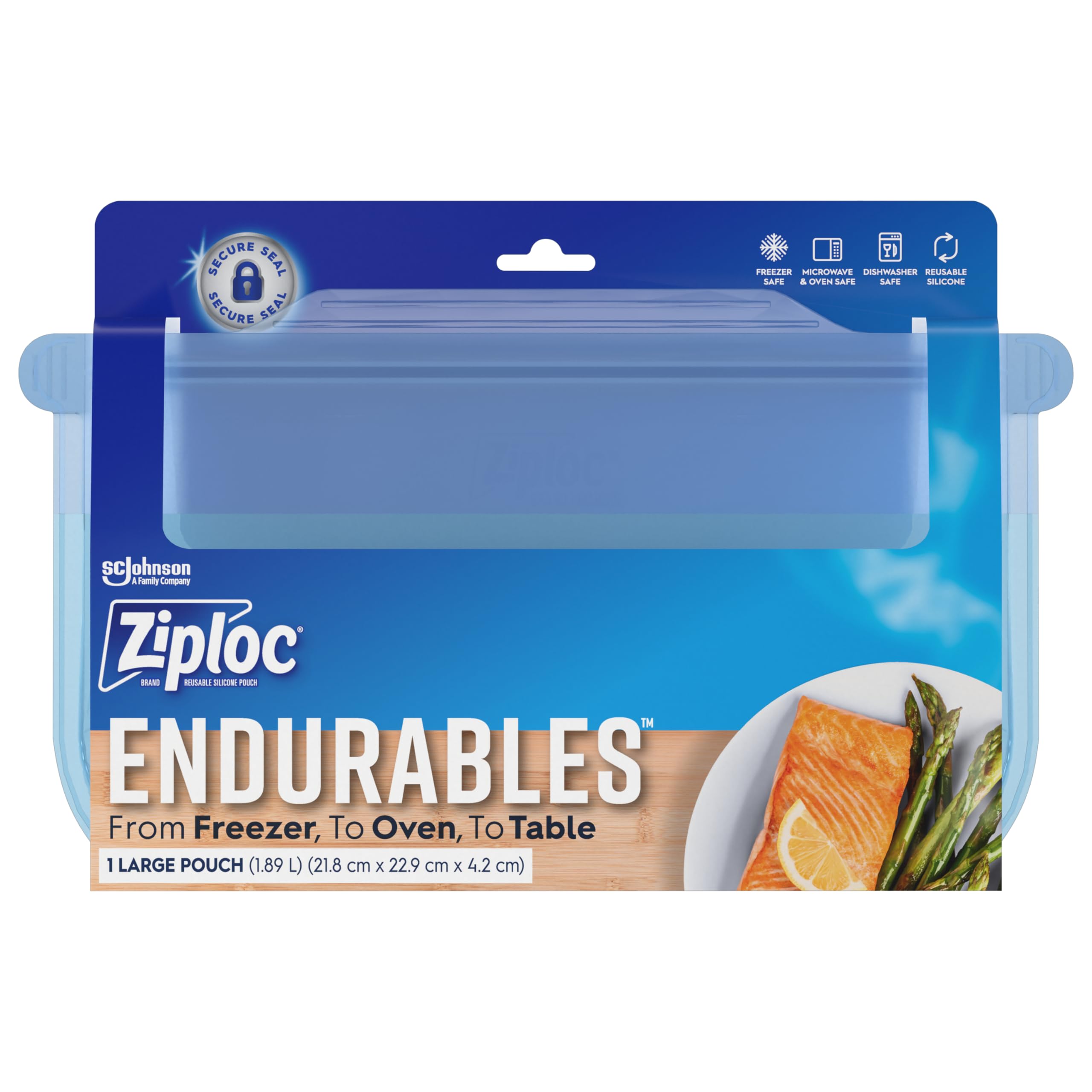
Ziploc freezer bags are generally safe for microwave use, provided you follow specific conditions to ensure structural integrity and food safety. These bags are manufactured to meet the safety standards set by the U.S. Food and Drug Administration (FDA) for plastic food contact materials. However, their microwavability depends on how they are used, as high temperatures can cause the plastic to melt, warp, or potentially release components into your food if the manufacturer’s usage guidelines are ignored.
Understanding the Manufacturing Standards
To understand why Ziploc freezer bags are considered microwave-safe, it is necessary to look at the material science behind them. These bags are primarily constructed from polyethylene, a type of thermoplastic polymer. Unlike thinner storage bags, freezer bags are engineered with a higher density and thicker walls to withstand the rigors of sub-zero temperatures, which incidentally provides better heat resistance.
When SC Johnson, the manufacturer of Ziploc, labels a product as microwave-safe, it signifies that the material has been tested to remain stable under typical microwave heating conditions. The FDA requires that all materials used in food contact applications be "safe," meaning they must not migrate harmful substances into food in quantities that exceed established thresholds. It is important to note that while the plastic is chemically stable, it is not "heat-proof." There is a critical distinction between a material that can withstand microwave radiation and one that can withstand intense, localized heat from boiling fats or sugars.
The Role of Heating Dynamics in Microwave Safety
Microwave ovens heat food by causing water molecules to vibrate rapidly, creating friction that generates heat. This process is inherently uneven. Hot spots can develop rapidly, especially in foods with high fat or high sugar content.
If you place a Ziploc bag in the microwave, the danger is rarely the microwave radiation itself; rather, it is the temperature of the contents. If the food inside reaches temperatures exceeding the softening point of the plastic, the bag can melt. This usually happens when heating oils, fats, or sugary syrups, which can easily surpass the boiling point of water and quickly reach temperatures that exceed the threshold for standard food-grade polyethylene. Therefore, even if a bag is "microwavable," it should never be used to heat foods that are prone to creating excessive heat concentrations.
Recommended Best Practices for Microwave Use
To safely use Ziploc freezer bags in a microwave, you should adopt a cautious approach. Following these steps helps maintain the integrity of the plastic and prevents accidental messes or food contamination:
- Open the Seal: Never microwave a Ziploc bag while it is fully sealed. Pressure builds up rapidly as the contents heat and steam is produced. Keeping the seal slightly open or unzipped by at least an inch allows steam to escape, preventing the bag from bursting or splitting at the seams.
- Use a Microwave-Safe Container: Place the bag inside a glass or ceramic dish. This provides a secondary layer of protection should the bag fail, and it keeps the bag stable while the contents are being agitated.
- Avoid High-Fat Content: Do not use these bags to reheat foods that contain large amounts of butter, oil, or sugar. These substances heat to temperatures that can compromise the plastic almost instantly.
- Short Intervals: Use lower power settings or heat in short, 30-second increments. This allows you to monitor the food and the bag’s condition periodically.
- Proper Defrosting: Ziploc freezer bags are excellent for defrosting, but they should be used cautiously. If using the "defrost" function, the heat is applied more evenly, making it safer than the full-power "cook" function.
Comparing Storage Bags and Freezer Bags
Consumers often confuse standard storage bags with freezer bags. While both are made of plastic, they are built for different purposes.
| Feature | Standard Storage Bags | Freezer Bags |
|---|---|---|
| Material Thickness | Thinner, flexible | Thicker, puncture-resistant |
| Primary Design | Short-term pantry storage | Long-term cold storage |
| Heat Resistance | Low; prone to melting | Moderate; holds up to brief heating |
| Microwave Suitability | Generally discouraged | Approved for short-term use |
While freezer bags are technically more robust, they are still single-use items in the context of heating. Attempting to use them for boiling water or prolonged cooking is outside their intended scope and will likely result in failure.
Risks and Common Misconceptions
One of the most persistent myths regarding plastic bags is that they are all inherently toxic when heated. In reality, Ziploc brand products are tested for compliance with food safety regulations. The most common risk is not toxicity, but rather physical failure.
When plastic melts, it loses its structural strength. If a bag melts onto your food, that food should be discarded, as the integrity of the meal is compromised. Furthermore, consumers often forget that microwaves are not precise. If you are heating a bowl of soup that is inside a bag, the bag may remain cool while the soup boils. However, if the boiling soup touches the side of the bag, the material may thin or puncture. Always prioritize food-grade glass or microwave-safe plastic containers for actual cooking, using bags primarily for storage and quick, gentle defrosting.
Troubleshooting and When to Avoid Use
If you find that the plastic has become "tacky" or cloudy after microwave use, you have likely exceeded the heat limit of the material. In such cases, the bag should be discarded immediately. Never reuse a bag that has been subjected to high microwave heat, as the structural integrity of the seal and the seams will have been weakened, making it prone to leaks or tears during future storage.
You should avoid using these bags in the microwave if:
- You are heating foods with a high oil content (e.g., sauces with butter or vegetable oil).
- The bag is already showing signs of wear, such as tiny creases or thinning.
- You need to heat the contents for more than a few minutes.
If you are unsure whether a specific food item will cause the bag to melt, it is always safer to transfer the contents to a glass bowl covered with a paper towel. This eliminates all risks associated with plastic-to-food contact and is a more professional approach to food safety.
Frequently Asked Questions
Can I boil food in a Ziploc freezer bag? No. Boiling water is at 212°F (100°C), which is typically higher than the temperature at which polyethylene begins to soften or deform. You should never use a standard Ziploc freezer bag for boiling liquids.
Does the microwave release chemicals from the bags? Ziploc bags are manufactured to be BPA-free and are tested for food contact safety. Under normal usage as directed on the packaging, they do not release harmful levels of chemicals. However, you should strictly avoid overheating them, as extreme temperatures can cause the physical breakdown of the plastic.
Can I reuse a bag after it has been in the microwave? It is strongly recommended that you do not reuse a bag that has been microwaved. Microwave heat can weaken the heat-sealed seams of the bag. Even if the bag looks intact, it may have sustained microscopic damage that could cause it to fail later.
Are all plastic bags microwave-safe? No. Only bags specifically labeled as "microwavable" or "microwave-safe" by the manufacturer should be used. Many generic plastic bags are made from materials that will melt instantly upon contact with heat. Always check the packaging of the specific brand you are using.
What is the best way to defrost frozen food? The safest method is to transfer the food to a microwave-safe dish. If you must use the bag, ensure it is open, place it in a bowl to catch any potential leaks, and use the "defrost" setting on your microwave rather than the "cook" setting.
Final Recommendation
While Ziploc freezer bags are rated for microwave use, they are best utilized for defrosting or gentle, short-duration warming. They are storage tools first and foremost. For any application involving high-heat cooking, extended time, or fatty foods, transfer your food to a high-quality glass or ceramic container. This practice guarantees your safety and ensures your food remains free from any potential plastic contaminants or debris resulting from a failed bag.