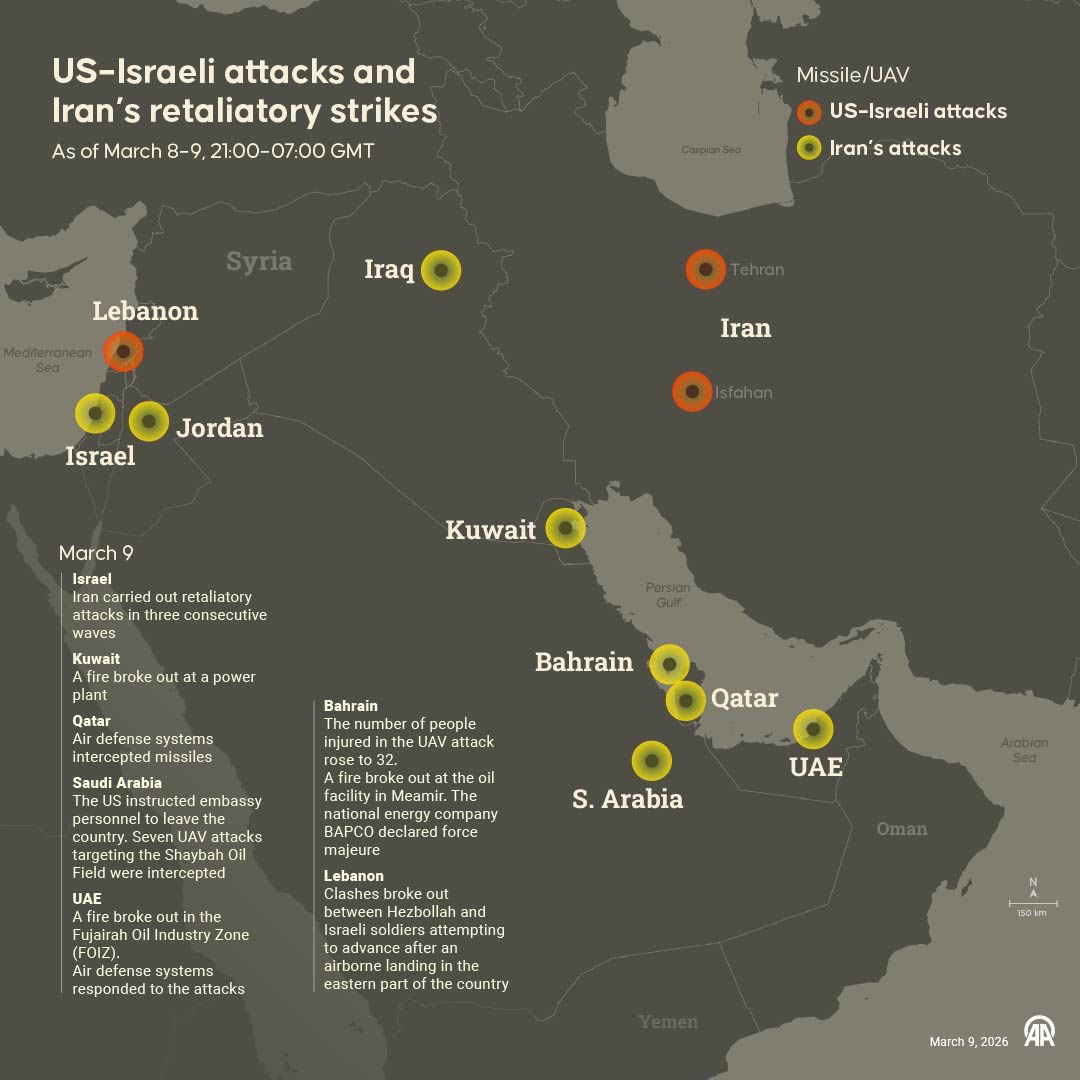
The relationship between Iran and Lebanon is not a traditional state-to-state alliance governed by a single treaty, but rather a multifaceted strategic alignment. While official diplomatic ties exist, the core of the relationship lies in Iran's profound influence over Lebanon’s political and security sectors, primarily through its extensive support for Hezbollah, a dominant Lebanese political and paramilitary organization.
To understand whether Iran and Lebanon are allies in 2026, one must look past the formal structures of international diplomacy. In the traditional sense, an "alliance" involves two sovereign governments agreeing to mutual defense or shared policy goals. In the case of Iran and Lebanon, the reality is a "two-track" relationship: one track consists of formal, often strained, diplomatic interactions between Tehran and the Lebanese state, while the other is a deep, foundational partnership between Tehran and Hezbollah. This complexity is rooted in Lebanon’s unique sectarian power-sharing system, which prevents the country from having a unified foreign policy.
The Historical Foundations of the Iran-Lebanon Nexus
The roots of the modern relationship between Iran and Lebanon date back to the early 1980s, specifically following the 1979 Islamic Revolution in Iran and the 1982 Israeli invasion of Lebanon. During this era, the newly established Islamic Republic of Iran sought to export its revolutionary ideology and establish a foothold in the Levant to counter Israeli and Western influence.
In 1982, Iran dispatched members of its Islamic Revolutionary Guard Corps (IRGC) to Lebanon’s Bekaa Valley. Their mission was to organize, train, and fund local Shia militants who were resisting the Israeli occupation. This initiative led to the birth of Hezbollah (the "Party of God"). Unlike other Lebanese militias that eventually disarmed following the 1989 Taif Agreement, which ended the Lebanese Civil War, Hezbollah maintained its arsenal under the guise of "resistance" against Israel. This exception created a permanent channel for Iranian influence within Lebanese borders, bypassing the official state mechanisms when necessary.
Over the decades, this relationship evolved from a mentor-protege dynamic into a sophisticated strategic partnership. Iran provides Hezbollah with hundreds of millions of dollars annually, along with advanced weaponry, drones, and telecommunications infrastructure. In return, Hezbollah serves as Iran's "forward defense" on the Mediterranean, giving Tehran a direct line of pressure against Israel and a significant say in Lebanese internal affairs.
The Two-Track Diplomatic Reality
Analyzing the alliance requires distinguishing between the Lebanese government and the various political blocs that comprise it. Because the Lebanese political system mandates that the President be a Maronite Christian, the Prime Minister a Sunni Muslim, and the Speaker of Parliament a Shia Muslim, the "official" stance of Lebanon is often a compromise of contradictory interests.
Track One: Official State Relations
On a formal level, Lebanon and Iran maintain embassies and engage in routine diplomatic exchanges. However, the Lebanese state—represented by the Ministry of Foreign Affairs and the Presidency—frequently finds itself in a precarious position. Lebanon relies heavily on financial support from Western nations (such as France and the United States) and traditional ties with Gulf Arab states like Saudi Arabia. Consequently, the official Lebanese government often hesitates to sign formal defense treaties or large-scale economic pacts with Iran to avoid triggering international sanctions or alienating other donors.
Track Two: The "Axis of Resistance"
The real "alliance" exists within the "Axis of Resistance," a regional coalition led by Iran that includes the Syrian government, various Iraqi militias, and Hezbollah. Within this framework, Lebanon is viewed by Tehran as a critical theater of operations. Hezbollah’s political wing, along with its allies in the Amal Movement and certain Christian factions (the "March 8" coalition), ensures that Lebanese state policy does not actively oppose Iranian interests. This effectively grants Iran "veto power" over major Lebanese national security decisions, such as border demarcations or military posture.
Military and Security Cooperation
The security relationship between Iran and Lebanon is arguably the most controversial aspect of their interaction. While the Lebanese Armed Forces (LAF) receive the majority of their funding and equipment from the United States and Europe, Hezbollah’s military wing is equipped almost entirely by Iran.
This creates a "duality of arms" within Lebanon. By 2026, despite various international calls for Hezbollah’s disarmament, the group’s military capabilities have remained significantly more advanced than those of the national army in specific areas, such as long-range precision missiles and electronic warfare. Iran views the LAF as a necessary institution for internal stability but views Hezbollah as the primary deterrent against foreign threats.
From Tehran’s perspective, an alliance with a strong Hezbollah is more valuable than an alliance with a weak Lebanese state. This is because Hezbollah is ideologically aligned with the concept of Wilayat al-Faqih (Guardianship of the Jurist), the foundational political theory of the Iranian state. This ideological bond ensures a level of loyalty and coordination that a secular state-to-state alliance could never provide.
Economic Ties and the Impact of Sanctions
The economic dimension of the Iran-Lebanon relationship has become increasingly prominent following Lebanon's historic financial collapse that began in 2019. As the Lebanese lira lost over 98% of its value and the state struggled to provide basic services like electricity and fuel, Iran repeatedly offered economic lifelines.
These offers typically include:
- Fuel Shipments: Iran has provided fuel to Lebanon, often bypassing official government channels by delivering it via Syria to be distributed by Hezbollah-affiliated networks.
- Infrastructure Projects: Tehran has proposed building power plants and repairing damaged ports, though many of these offers remain stalled due to Lebanese fears of U.S. "secondary sanctions" under the Caesar Act and other regulations.
- Medical and Food Aid: Iranian-made pharmaceuticals and consumer goods have increasingly populated Lebanese markets, particularly in Shia-majority areas like Southern Lebanon and the Dahiyeh suburb of Beirut.
Despite these overtures, Iran is not Lebanon’s primary trading partner. Lebanon’s economy remains structurally tied to the West and the Arab world. The "alliance" in the economic sphere is therefore more about "crisis management" and soft power than a deep integration of two national economies.
Internal Lebanese Opposition to the Iranian Alliance
It is a mistake to view Lebanon as a monolith in its relationship with Iran. A significant portion of the Lebanese population—primarily within the Sunni, Druze, and certain Christian communities (the "March 14" coalition)—views the Iranian influence as a form of "occupation."
These groups argue that Hezbollah’s loyalty to Tehran undermines Lebanese sovereignty and drags the country into regional conflicts that do not serve Lebanese national interests. For example, Hezbollah’s involvement in the Syrian Civil War and its participation in the "Unity of Fields" during the 2023-2024 regional escalations were heavily criticized by domestic opponents who believe Lebanon should remain neutral in the Iran-Israel rivalry.
The struggle for the "soul" of Lebanese foreign policy is a constant feature of Beirut’s political life. Whenever the Lebanese government attempts to distance itself from Tehran to court Western aid, Hezbollah and its allies use their parliamentary and military weight to pull the country back into the Iranian orbit.
Comparative Analysis of Influence in Lebanon
To clarify the nature of these relationships, the following table compares Iran’s influence in Lebanon against other major regional and international players as of 2026.
| Aspect | Iran's Role | Western/Arab Role (US, France, KSA) | Impact on Lebanon |
|---|---|---|---|
| Primary Partner | Hezbollah / March 8 Coalition | Lebanese Armed Forces (LAF) / March 14 | Internal political polarization |
| Security Support | Precision missiles, drones, guerrilla training | APCs, helicopters, border surveillance, salary support | A fragmented security landscape |
| Economic Aid | Fuel, medicine, barter trade offers | IMF negotiations, CEDRE grants, humanitarian aid | Deadlock on structural reforms |
| Ideology | Islamic Revolution / Resistance | Liberal democracy / Neutrality | Societal division over national identity |
| Strategic Goal | Deterrence against Israel; Regional leverage | Stability; Counter-terrorism; Limiting Iran | Lebanon as a proxy battleground |
Regional Geopolitics and the "Unity of Fields"
By 2026, the concept of the "Unity of Fields" has become a central pillar of the Iran-Lebanon alliance. This doctrine suggests that an attack on one member of the Iranian-led "Axis of Resistance" is an attack on all. In practice, this has meant that when Iran or its proxies in Gaza or Yemen face military pressure, Hezbollah often activates the Lebanese front to distract and stretch Israeli resources.
This strategic synchronization makes Lebanon an involuntary ally of Iran in regional conflicts. Even if the Lebanese cabinet votes for neutrality, the reality on the ground—governed by Hezbollah’s military decisions—aligns Lebanon with Iranian regional strategy. This has led to international debates about whether Lebanon should be held state-accountable for the actions of a non-state actor that is funded and directed by a foreign power.
Frequently Asked Questions
Does Lebanon have a formal military alliance with Iran?
No, there is no formal mutual defense treaty between the Lebanese Republic and the Islamic Republic of Iran. The military cooperation is unofficial and conducted through Hezbollah, which operates independently of the Lebanese Ministry of Defense.
Can the Lebanese government stop Iranian influence?
Under the current sectarian power-sharing system, it is extremely difficult for the central government to curtail Iranian influence. Because Hezbollah holds a significant number of seats in Parliament and maintains a powerful militia, any government attempt to cut ties with Iran would likely lead to internal civil strife or a total collapse of the cabinet.
How do US sanctions on Iran affect Lebanon?
US sanctions on Iran, particularly those targeting the IRGC and the financial sector, make it very risky for the Lebanese state or private banks to engage in business with Tehran. This is why many Iranian offers of economic aid are rejected or handled "off-the-books" by Hezbollah.
Is the Lebanese Army allied with Iran?
No. The Lebanese Armed Forces (LAF) are primarily trained and equipped by the United States, United Kingdom, and France. The LAF and Hezbollah maintain a "cooperation-avoidance" relationship where they generally avoid direct conflict but do not share a unified command structure.
Does the Lebanese public support the alliance with Iran?
Public opinion is deeply divided. Most Shia Muslims and some allied Christian factions support the relationship as a necessary defense against Israel. However, most Sunnis, Druze, and a large majority of Christians view it as a threat to Lebanese independence and a cause of the country's international isolation.
Practical Considerations for Observers
For those monitoring the geopolitical situation in 2026, it is essential to view Lebanon not as a single actor, but as a territory where multiple interests compete for dominance. When asking if Iran and Lebanon are allies, the answer depends entirely on which part of the Lebanese state you are looking at.
If you are looking at the security architecture of Southern Lebanon, the answer is a functional "Yes." If you are looking at the official banking system and diplomatic protocols in Beirut, the answer is a hesitant "No."
Next Actions for Researchers:
- Monitor Cabinet Formations: Pay close attention to which political bloc controls the Ministry of Foreign Affairs and the Ministry of Defense in Beirut.
- Track Energy Agreements: Watch for any formalization of Iranian fuel transfers, as this would signal a shift toward a more "official" alliance.
- Evaluate Regional De-escalation: Follow the progress of any direct or indirect talks between Iran and Saudi Arabia, as a "Grand Bargain" between these two powers is the only mechanism likely to change the current Iran-Lebanon dynamic.