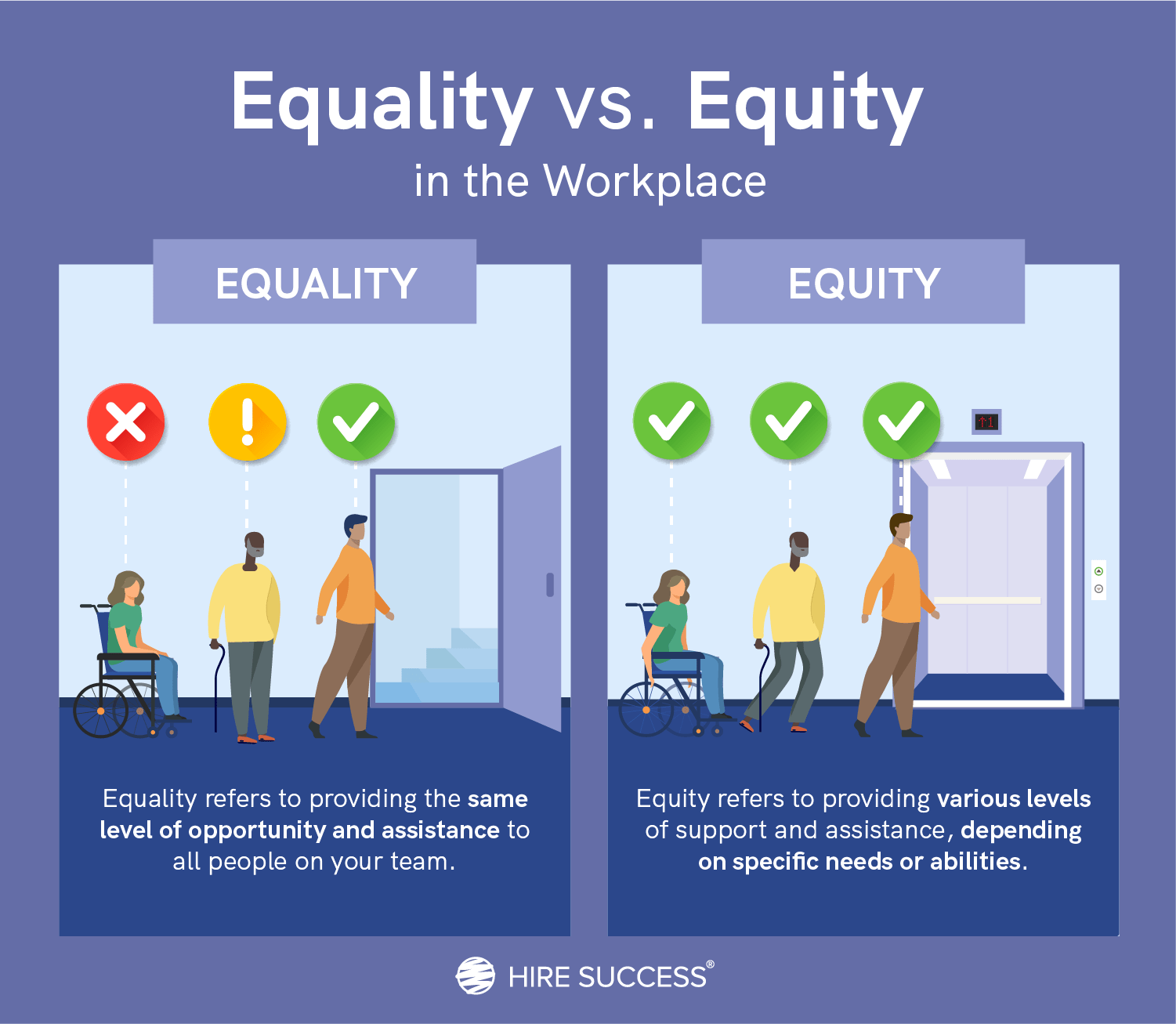
Equality is the fundamental principle that all individuals should be treated with the same level of respect, dignity, and access to opportunities, regardless of their background or identity. A primary example of equality is universal suffrage, which ensures that every adult citizen, regardless of wealth, race, or gender, has exactly one vote of equal weight in a democratic election.
The concept of equality serves as the cornerstone of modern democratic societies, legal systems, and ethical frameworks. While it is often discussed as an abstract ideal, its practical application involves specific policies, legal protections, and cultural shifts designed to eliminate discrimination. In 2026, the global conversation around equality has expanded beyond basic civil rights to include digital access, algorithmic fairness, and climate justice. To understand how equality functions in the real world, we must examine its various forms—legal, social, economic, and political—and how they manifest in everyday life.
Formal Equality vs. Substantive Equality
To identify an example of equality, one must first distinguish between "formal" and "substantive" equality. These two frameworks dictate how laws and social policies are constructed and evaluated.
Formal Equality (Equality of Treatment)
Formal equality, often referred to as "blind" equality, suggests that the law should treat everyone the same way regardless of their individual circumstances. The classic example is the "rule of law," which dictates that no person is above the law and that legal procedures must be applied consistently. In a courtroom, formal equality means that both a wealthy executive and a low-income worker should be subject to the same rules of evidence and judicial scrutiny.
Substantive Equality (Equality of Outcome and Opportunity)
Substantive equality recognizes that because individuals start from different positions of advantage or disadvantage, treating everyone exactly the same might not result in true fairness. This approach seeks to address historical or systemic barriers. An example of substantive equality is the provision of "reasonable accommodations" in the workplace for individuals with disabilities. By providing a screen reader for a visually impaired employee, the employer isn't giving that person an "advantage" over sighted colleagues; they are leveling the playing field so the employee can perform their job on an equal footing.
Political Equality: The Foundation of Representation
Political equality is perhaps the most visible example of equality in practice. It rests on the principle that every member of a community should have an equal say in how that community is governed.
Universal Suffrage
Universal suffrage is the definitive example of political equality. Historically, voting rights were restricted based on property ownership, race, and gender. The transition to universal suffrage—evidenced by the 19th Amendment in the United States or the Representation of the People Acts in the United Kingdom—removed these barriers. In 2026, political equality also involves ensuring that voting is physically and logistically accessible to all, including those in remote areas or those with mobility issues.
The Principle of "One Person, One Vote"
This principle ensures that electoral districts are drawn in a way that each representative serves a roughly equal number of constituents. If one district has 10,000 voters and another has 100,000, the voters in the smaller district have ten times the political power of those in the larger one. Correcting this through redistricting is a technical exercise in maintaining political equality.
Legal and Social Equality: Rights and Identity
Legal equality ensures that every individual possesses the same fundamental rights under a nation's constitution or international law. Social equality focuses on the removal of stigmas and the promotion of equal status within society.
Marriage Equality
A landmark example of legal and social equality is the recognition of same-sex marriage. Prior to such legal shifts (such as Obergefell v. Hodges in the US or similar legislation globally), a specific group of people was denied the legal benefits, protections, and social recognition associated with marriage. By extending marriage rights to all couples, the state applies its laws equally to all citizens regardless of sexual orientation. As of 2026, many nations have reinforced these protections through additional statutes to ensure that these rights remain stable against judicial shifts.
Protection Against Discrimination in Public Accommodations
The Civil Rights Act of 1964 in the United States and the Equality Act 2010 in the United Kingdom provide clear examples of social equality in practice. These laws mandate that businesses—such as restaurants, hotels, and theaters—cannot refuse service based on race, religion, or national origin. This ensures that the "social fabric" of a country allows everyone to participate in public life without the indignity of exclusion.
Economic Equality: Bridging the Gap
Economic equality does not necessarily mean that everyone earns the same salary; rather, it often refers to "equality of opportunity" within the marketplace and the narrowing of extreme wealth gaps that prevent social mobility.
Equal Pay for Equal Work
The principle of equal pay for equal work is a core example of economic equality. It asserts that individuals performing the same job, requiring the same skills and responsibilities, should receive the same compensation. In 2026, many jurisdictions have moved toward "Pay Transparency Laws." These laws require companies to disclose salary ranges for positions, which helps identify and rectify pay disparities that often affect women and minority groups.
Progressive Taxation and Social Safety Nets
While controversial in some political circles, progressive taxation is often cited as a mechanism for economic equality. By taxing higher income earners at a higher percentage, governments can fund public services—like education and healthcare—that provide lower-income individuals with the resources they need to compete in the economy. This is an attempt to ensure that a person’s success is determined by their talent and effort rather than the wealth they were born into.
Educational Equality: The Engine of Mobility
Education is often called the "great equalizer." When educational systems are structured equitably, they allow children from all backgrounds to develop their potential.
Title IX and Gender Equality in Education
In the United States, Title IX is a primary example of educational equality. It prohibits discrimination based on sex in any education program or activity receiving federal financial assistance. While often associated with sports, it also applies to admissions, scholarship opportunities, and protection from harassment. By ensuring that women have the same access to STEM programs and athletic resources as men, the law promotes a more equal society.
Universal Access to Quality Basic Education
On a global scale, organizations like UNESCO work toward the goal of ensuring every child has access to primary and secondary education. An example of equality in this context is the removal of school fees in developing nations, which ensures that poverty is not a barrier to literacy and basic knowledge.
Technological Equality: The Digital Frontier in 2026
In 2026, equality is increasingly defined by access to technology and the fairness of the algorithms that govern modern life.
The Digital Divide
Access to high-speed internet is no longer a luxury; it is a prerequisite for participating in the modern economy, education, and healthcare (via telehealth). An example of equality in the digital age is the classification of broadband as a public utility, ensuring that rural and low-income urban areas have the same quality of connection as affluent tech hubs.
Algorithmic Fairness
As Artificial Intelligence (AI) becomes integrated into hiring, loan approvals, and law enforcement, "algorithmic equality" has become a critical focus. If an AI tool used for hiring is trained on biased historical data, it may unfairly exclude qualified candidates from certain demographics. Equality in 2026 involves the rigorous auditing of these systems to ensure they provide equal treatment to all applicants.
Equality vs. Equity: Understanding the Difference
It is impossible to discuss examples of equality without addressing its relationship with "equity." While these terms are often used interchangeably, they represent different strategies for achieving fairness.
- Equality means providing everyone with the same resources or opportunities. (e.g., Giving everyone the same size of bicycle).
- Equity means recognizing that each person has different circumstances and allocating the exact resources and opportunities needed to reach an equal outcome. (e.g., Giving a tall person a large bicycle and a person with a physical disability a hand-cycle).
| Framework | Goal | Method | Example |
|---|---|---|---|
| Formal Equality | Consistency | Treat everyone the same | The same speed limit for all drivers. |
| Substantive Equality | Fairness | Address underlying barriers | Providing a sign-language interpreter at a public meeting. |
| Economic Equality | Opportunity | Level the financial playing field | Publicly funded k-12 education for all children. |
| Political Equality | Representation | Equalize civic power | "One person, one vote" in national elections. |
Common Challenges to Achieving Equality
Despite legal frameworks, achieving true equality remains difficult due to several persistent factors:
- Systemic Bias: Even when laws change, institutional habits and "the way things have always been done" can perpetuate inequality.
- Unconscious Bias: Individual prejudices that people are unaware they hold can affect hiring, promotions, and social interactions.
- Economic Inertia: Generational wealth creates a head start that is difficult to overcome through formal equality alone.
- Enforcement Gaps: A law that guarantees equality is only effective if there are mechanisms to punish those who violate it and resources for victims to seek justice.
Frequently Asked Questions
What is an example of equality in the workplace?
An example of equality in the workplace is a blind recruitment process. In this system, personal identifiers like name, gender, age, and photographs are removed from resumes before they are reviewed by hiring managers. This ensures that candidates are evaluated solely on their skills and experience, preventing unconscious bias from influencing the initial stages of the hiring process.
Is "equality" the same as "sameness"?
No. Equality does not mean making everyone the same or ignoring individual differences. Rather, it means ensuring that those differences do not result in a person having less value, fewer rights, or restricted opportunities. For example, religious equality doesn't mean everyone must follow the same religion; it means the state treats all religions—and the choice to have no religion—with equal respect and legal standing.
How does the law protect equality in 2026?
In 2026, equality is protected through a combination of constitutional rights, specific statutes (like the Equality Act), and international treaties. Furthermore, new regulations specifically target "digital equality," requiring that AI systems used in critical sectors (finance, housing, employment) be transparent and free from discriminatory bias.
What is an example of equality in healthcare?
An example of equality in healthcare is the implementation of a single-standard triage system in emergency rooms. In this system, patients are seen based on the severity of their medical condition, not their insurance status, ability to pay, or social standing. This ensures that the fundamental right to life-saving treatment is applied equally to all.
Why is the 14th Amendment important to equality?
The 14th Amendment to the US Constitution is a cornerstone of legal equality because of its "Equal Protection Clause." It mandates that no state shall deny to any person within its jurisdiction the equal protection of the laws. This clause has been the basis for many landmark equality cases, including those involving racial segregation and marriage rights.
Practical Recommendations for Advancing Equality
To move from the theory of equality to its practice, individuals and organizations should focus on several actionable steps:
- Conduct Regular Audits: Organizations should audit their pay structures and hiring data annually to ensure there are no unexplained disparities between different groups of employees.
- Promote Literacy and Awareness: Education is the best defense against prejudice. Understanding the history of inequality helps individuals recognize it in its modern, more subtle forms.
- Support Equitable Policy: When voting or engaging in civic life, look for policies that don't just offer "formal" equality but also address the "substantive" barriers that prevent marginalized groups from succeeding.
- Embrace Transparency: Whether in government or the private sector, transparency in decision-making processes helps ensure that everyone is being held to the same standards and that favoritism or bias is not creeping in.
Achieving equality is an ongoing process rather than a final destination. As society evolves and new technologies emerge, we must continually re-examine our systems to ensure they live up to the promise of treating every individual with equal worth and dignity.