Malaria diagnostic tests are unequivocally worth the cost because they ensure that limited medical resources are used effectively, prevent the dangerous overuse of antimalarial drugs, and facilitate the identification of non-malarial febrile illnesses. By providing a definitive parasitological confirmation, these tests safeguard patient health and preserve the efficacy of global drug supplies.
For decades, the standard protocol in many malaria-endemic regions was presumptive treatment—treating every fever as if it were malaria. However, as we navigate the public health landscape of 2026, this approach is no longer viable. The introduction and scaling of diagnostic tools, specifically Rapid Diagnostic Tests (RDTs) and microscopy, have revolutionized malaria management. To understand why these tests are considered high-value investments despite their upfront price tags, we must examine the intersection of clinical outcomes, health economics, and the biological threat of drug resistance.
The Shift from Presumptive to Diagnostic-Led Treatment
In the late 20th century, the lack of accessible laboratory infrastructure meant that clinicians often had to rely on "clinical suspicion." If a patient had a high fever, chills, and lived in a tropical region, they were prescribed antimalarials. While this saved lives in areas where malaria was the primary cause of death, it created a massive secondary problem: the massive over-prescription of drugs to patients who did not actually have the parasite.
By 2026, the World Health Organization (WHO) and regional health bodies have solidified the requirement for parasitological confirmation before treatment. This shift is driven by the realization that presumptive treatment is both medically imprecise and economically wasteful. When a patient with a non-malarial fever—such as pneumonia, typhoid, or a viral infection—is treated only for malaria, the actual cause of their illness goes unaddressed, leading to higher morbidity and mortality rates. Diagnostic testing is the "gatekeeper" that ensures the right patient gets the right medicine at the right time.
Technical Landscape: The Core Diagnostic Tools
To evaluate whether these tests are "worth it," one must understand what is being paid for. There are currently three primary tiers of malaria diagnostics utilized globally.
1. Rapid Diagnostic Tests (RDTs)
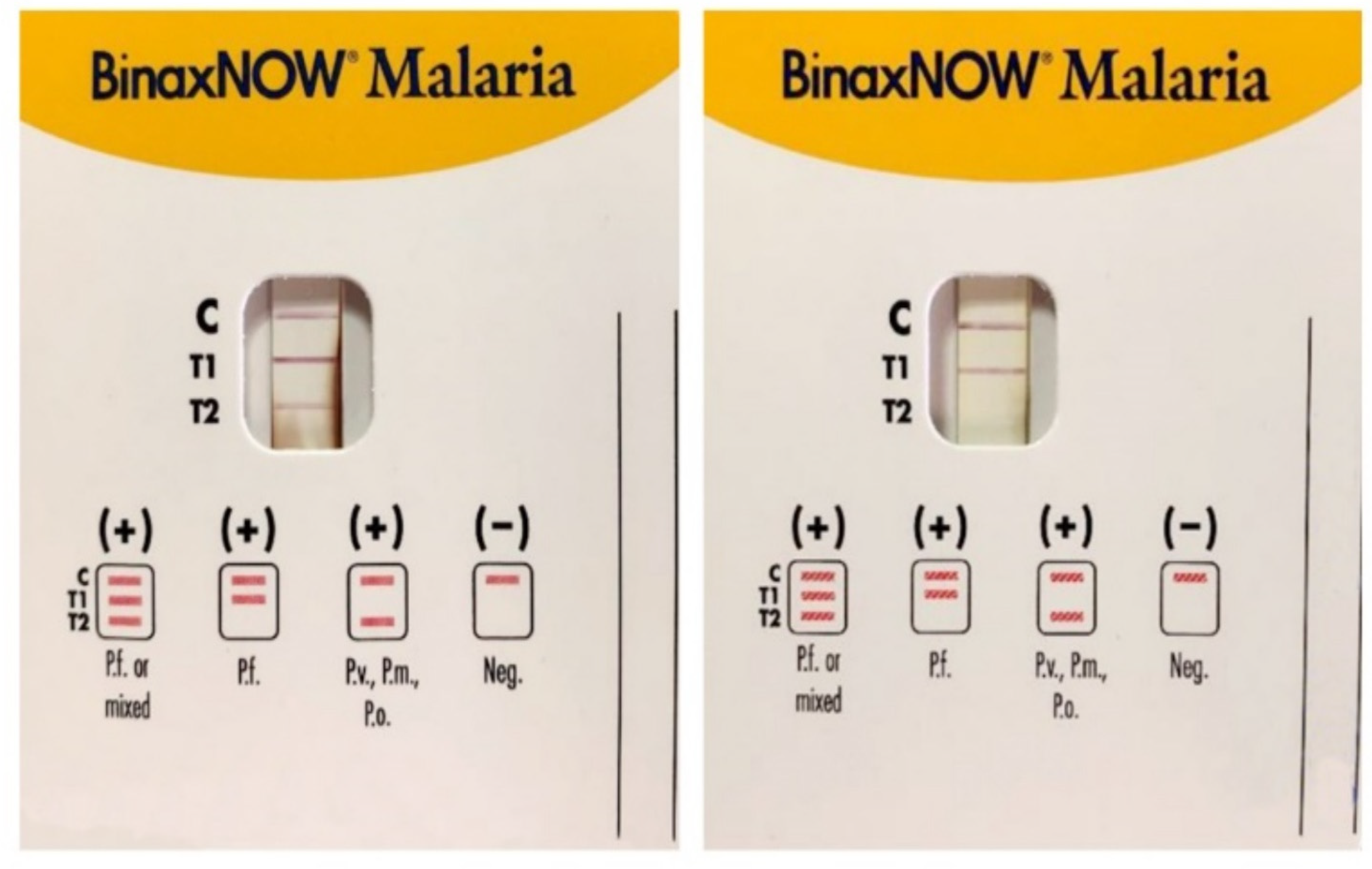
RDTs are lateral flow immunoassays, similar in appearance to a pregnancy test. They detect specific antigens produced by malaria parasites (usually Plasmodium falciparum or Plasmodium vivax).
- The Mechanism: Most RDTs target the Histidine-Rich Protein 2 (HRP2) or parasite Lactate Dehydrogenase (pLDH).
- The Value: They require minimal training and no electricity, making them ideal for rural clinics or "community health worker" programs. In 2026, the cost of a single RDT remains relatively low—often between $0.50 and $2.00—though logistics and distribution can increase this.
2. Microscopy
This remains the gold standard for malaria diagnosis. A laboratory technician examines a stained blood smear under a microscope to identify the species and the density of the parasites.
- The Mechanism: Using Giemsa stain to highlight the parasites within red blood cells.
- The Value: It provides detailed information that RDTs cannot, such as the exact parasite count (parasitemia), which helps clinicians determine the severity of the infection and monitor the response to treatment.
3. Molecular Methods (PCR and LAMP)
Polymerase Chain Reaction (PCR) and Loop-mediated Isothermal Amplification (LAMP) are highly sensitive methods used to detect parasite DNA.
- The Value: While generally too expensive for routine clinical use in 2026, they are invaluable for "low-transmission" settings where health officials are trying to eliminate the last few cases of malaria. They can detect low-level infections that RDTs and microscopy might miss.
The Economic Argument: Direct vs. Indirect Costs
When questioning if a diagnostic test is worth the cost, it is essential to look beyond the price of the plastic cassette or the glass slide. The true economic value lies in the "system-wide" savings.
Avoiding Wasted ACTs
Artemisinin-based Combination Therapies (ACTs) are the most effective treatments for malaria today. However, they are significantly more expensive than the older, now-ineffective drugs like chloroquine. If a health system uses RDTs to screen patients, they typically find that 30% to 70% of "suspected" malaria cases are actually negative. By withholding ACTs from these patients, the system saves more money on drugs than it spent on the tests themselves.
Preventing Drug Resistance
One of the greatest threats to global health in 2026 is the emergence of artemisinin-resistant malaria. Resistance is accelerated when parasites are exposed to sub-lethal or unnecessary doses of medication. By ensuring that antimalarials are only used when parasites are actually present, diagnostic tests slow the spread of resistance. The "cost" of losing our most effective antimalarial drugs would be trillions of dollars in lost productivity and millions of lives; therefore, any test that preserves these drugs is high-value.
Improving Differential Diagnosis
When a malaria test comes back negative, it forces the clinician to look for other causes of fever. This is critical for treating conditions like bacterial meningitis or sepsis, which can be fatal if misdiagnosed as malaria. The cost-effectiveness of a malaria test includes the value of identifying these other "hidden" conditions early.
Comparison of Malaria Diagnostic Methods (2026 Data)
| Feature | Rapid Diagnostic Test (RDT) | Microscopy | Molecular (PCR/LAMP) |
|---|---|---|---|
| Average Cost per Test | $0.80 – $2.50 | $1.50 – $4.00 | $15.00 – $40.00 |
| Time to Result | 15–20 minutes | 60–90 minutes | 4–12 hours |
| Technical Skill | Low (Minimal training) | High (Trained microscopist) | Very High (Lab specialist) |
| Electricity Required | No | Yes | Yes |
| Sensitivity | Good (detects >200p/µL) | Excellent (detects >50p/µL) | Superior (detects <5p/µL) |
| Species Identification | Limited | Comprehensive | Comprehensive |
Challenges to the "Worth" of Diagnostic Testing
Despite the clear benefits, there are instances where the value of testing is challenged by external factors.
The Rise of HRP2 Deletions
In 2026, one of the most pressing issues in malaria control is the mutation of the Plasmodium falciparum parasite. In parts of the Horn of Africa and the Amazon basin, parasites have evolved to delete the gene that produces the HRP2 protein. Because most RDTs are designed to detect this specific protein, these "stealth" parasites produce a false-negative result. In these regions, a standard HRP2 RDT is literally worthless. This has forced a shift toward more expensive multi-antigen tests that detect pLDH as well, increasing the cost-per-test but maintaining clinical value.
Clinician Compliance and Behavior
A diagnostic test is only "worth the cost" if the clinician acts on the result. Studies have shown that in some settings, healthcare workers still prescribe antimalarials even after a negative RDT result, usually due to a lack of trust in the technology or pressure from patients. When the test result is ignored, the money spent on the test is entirely wasted. Improving the "value" of diagnostics requires not just better tech, but better training and behavioral change.
Supply Chain and Environmental Degradation
RDTs are sensitive to heat and humidity. If the supply chain fails and the tests are stored in a warehouse at 40°C for months, their sensitivity drops. A test that produces an inaccurate result is a liability, not an asset. Therefore, the "cost" of the test must also include the cost of a climate-controlled supply chain to ensure the investment remains viable.
The Household Perspective: Why Patients Value Testing
From the perspective of a family in a malaria-endemic region, the cost of a diagnostic test is often weighed against the "out-of-pocket" expense of treatment. If a mother pays for a course of ACTs for her child without a test, and the child does not improve because the illness is actually a bacterial infection, she must then pay for a second round of different medication and a second trip to the clinic.
This "double burden" of payment is a leading cause of medical-related poverty. A reliable $1 diagnostic test prevents this cycle. It provides the family with the certainty that they are spending their limited funds on the correct cure. Furthermore, reducing the time a breadwinner is sick (by getting the correct diagnosis immediately) prevents the loss of household income, which far outweighs the nominal cost of the test.
Practical Recommendations for 2026
For healthcare providers, policymakers, and international donors, the data suggests that the following actions maximize the return on investment for malaria diagnostics:
- Prioritize Quality Over Unit Price: In 2026, it is more cost-effective to buy a $1.50 test that detects HRP2/3 deletions and has high heat stability than a $0.60 test that fails in field conditions.
- Invest in "Fever Packages": Rather than viewing malaria tests in isolation, integrate them into broader diagnostic panels. If a malaria test is negative, the clinician should have an immediate, low-cost secondary protocol for other common local fevers.
- Strengthen Surveillance: Use the data generated by diagnostic testing to map "hotspots." This allow for targeted interventions (like indoor residual spraying or bed net distribution), which saves millions in the long run by preventing infections before they occur.
- Community Health Integration: Scaling RDTs to the community level (integrated community case management) is the most "worthwhile" application of the technology, as it catches cases early before they require expensive hospitalization.
FAQs
1. How much does a malaria RDT cost in 2026?
On the global market, the unit price for a standard malaria RDT typically ranges from $0.80 to $2.50. However, the "fully loaded" cost, which includes shipping, storage, distribution, and health worker training, often brings the cost to between $3.00 and $5.00 per test administered.
2. Is it possible for a malaria test to be wrong?
Yes. No diagnostic test is 100% accurate. False negatives can occur if the parasite density is very low, if the parasite has specific gene deletions (like HRP2/3), or if the test has been damaged by heat. False positives can occur if the patient was recently treated and has "residual" antigens in their blood even though the live parasites are gone.
3. Why can't I just take the medicine if I have symptoms?
Taking antimalarials without a positive test contributes to drug resistance, which threatens the effectiveness of these medicines for everyone. Additionally, if your fever is caused by a different infection (like a virus or bacteria), antimalarials will not cure you, and the delay in receiving the correct treatment could lead to severe illness or death.
4. What is an HRP2 deletion and why does it matter?
An HRP2 deletion is a genetic mutation in some malaria parasites that prevents them from producing the protein that most RDTs look for. This results in a false-negative test even if the patient is very sick. In 2026, this is a major concern in several geographic regions, necessitating the use of specialized, slightly more expensive RDTs.
5. Are there home tests for malaria available?
While home RDTs exist, they are generally not recommended for self-use without medical supervision. Malaria can progress from a mild fever to a life-threatening condition in less than 24 hours. A healthcare professional is needed not just to read the test, but to provide the correct dosage of medicine and monitor for complications.
Final Actionable Advice
If you are a traveler or resident in a malaria-endemic area, always insist on a diagnostic test (either an RDT or microscopy) before starting a course of antimalarial treatment. Do not settle for a "clinical diagnosis" based only on symptoms. Confirming the presence of the parasite ensures you are not masking a different serious illness and protects you from the side effects of unnecessary medication. In the modern medical era of 2026, "testing before treating" is the only responsible way to manage fever in the tropics.