Designer hair ties are worth the investment if they prioritize high-grade materials like 22-momme mulberry silk or hand-polished cellulose acetate, which actively prevent hair breakage and creasing. However, if the premium price is strictly for a brand logo on standard synthetic elastic, the value remains purely aesthetic rather than functional.
For decades, hair ties were viewed as disposable commodities—items bought in bulk and lost in the depths of handbags or gym lockers. By 2026, the landscape has shifted significantly. The "clean girl" aesthetic and the rise of "quiet luxury" have propelled the humble hair accessory into the realm of high fashion. From Prada’s iconic Re-Nylon scrunchies to Celine’s gold-finished hair rings, the market is saturated with options ranging from $40 to over $500.
The Evolution of the Hair Tie: From Utility to Status Symbol
In the early 2000s, hair accessories were largely functional or youth-oriented. The primary concern for most consumers was whether an elastic would hold a ponytail during a workout. Today, the hair tie serves a dual purpose: a sophisticated styling tool and a piece of wearable jewelry. This transition began with the "scrunchie renaissance," where fashion houses realized that the same silk and leather used for their runways could be miniaturized into accessible luxury items.
The hype surrounding these items isn't just about the logo. It is rooted in a growing awareness of trichology—the study of the hair and scalp. Consumers are increasingly aware that the mechanical stress caused by traditional rubber bands leads to "ponytail lines," split ends, and even traction alopecia. Designer brands have stepped into this gap, offering products that claim to combine fashion-forward aesthetics with "hair-safe" engineering.
Material Science: What Are You Actually Paying For?
When evaluating if a designer hair tie is "worth it," the material composition is the most critical factor. Not all luxury hair ties are created equal.
100% Mulberry Silk vs. Synthetic Satin
Brands like Slip revolutionized the industry by using high-grade mulberry silk. Unlike polyester satin, which is a petroleum-based weave that can still cause friction, 100% silk contains natural proteins and amino acids. Silk has a significantly lower friction coefficient, meaning it glides over the hair cuticle rather than catching on it. In 2026, the standard for a "luxury" silk tie remains 22-momme weight, which provides the necessary durability to withstand the tension of an elastic core.
Cellulose Acetate
You will often see brands like Celine or Alexandre de Paris using cellulose acetate rather than cheap plastic. Cellulose acetate is a plant-based material (derived from wood pulp and cotton fibers) that is more flexible, durable, and hypoallergenic than petroleum-based plastics. It is also hand-polished, ensuring there are no sharp "seams" or "molding lines" that can snag and snap individual hair strands.
Re-Nylon and Sustainable Textiles
Prada’s move toward Re-Nylon (regenerated nylon from recycled ocean plastic) has set a precedent for luxury accessories. While nylon is technically a synthetic, the value here lies in the durability of the weave and the brand's commitment to circular fashion. These ties are designed to be washed and worn for years, contrasting with the "disposable" nature of cheaper alternatives.
Hair Health: The Functional Benefits of Luxury Ties
The primary technical argument for designer hair ties is the preservation of hair integrity. Traditional hair ties often use a metal joiner or a glued seam that creates a "snag point."
- Reduced Mechanical Breakage: Luxury scrunchies use a wider surface area to distribute the pressure of the internal elastic. By spreading the tension across an inch of silk rather than a millimeter of rubber, the tie prevents the "strangulation" of the hair shaft.
- Crease Prevention: Because silk and high-end velvets do not "grip" the hair with high friction, they do not leave the dreaded "dent" in the hair after a few hours of wear. This is particularly valuable for those who style their hair with heat and wish to preserve the look for multiple days.
- Tension Headache Mitigation: Cheaper elastics often require multiple loops to stay secure, creating localized pressure on the scalp. Designer ties, particularly those with high-quality internal "braided" elastics, offer a secure hold with fewer rotations, reducing the risk of tension-based headaches.
Cost-Per-Wear: The Economic Reality
To determine if a $300 Celine hair tie or a $50 Slip silk set is worth the cost, one must apply the cost-per-wear (CPW) formula.
If a consumer buys a $10 pack of 50 generic elastics every six months, they spend $20 per year. These elastics frequently snap, get lost, or lose their "memory" (the ability to bounce back to their original shape). Conversely, a high-quality designer hair tie made of acetate or leather is built to last several years.
If a $250 Prada hair tie is worn 200 times a year over three years, the CPW is approximately $0.41. When you factor in the "jewelry" aspect—wearing the tie on the wrist as an accessory—the value proposition increases. However, the risk of losing a $250 item is significantly higher than losing a 20-cent elastic, which is a psychological cost every buyer must weigh.
Comparison of Popular Designer Hair Ties (2026 Market Data)
| Brand | Primary Material | Estimated Price | Key Advantage | Longevity |
|---|---|---|---|---|
| Slip | 22-Momme Silk | $45 - $65 (Set) | Best for hair health/sleeping | Moderate (6-12 months) |
| Prada | Re-Nylon | $280 - $350 | Durability & Brand Iconography | Very High (3+ years) |
| Celine | Cellulose Acetate | $300 - $500 | "Wrist Jewelry" aesthetic | High (Impact sensitive) |
| Balmain Hair | Napa Leather / Gold | $180 - $400 | Professional styling/Hold | High |
| Hermès | Silk / Leather | $200 - $600 | Collectible / Craftsmanship | Very High |
| Lululemon | Performance Lycra | $12 - $20 | Moisture-wicking for gym | Low (Stretches out) |
The "Wrist Jewelry" Factor: The Dual Purpose
In 2026, a significant driver of the designer hair tie trend is the "bracelet" functionality. Designer scrunchies and hair rings are engineered to look intentional when worn on the wrist.
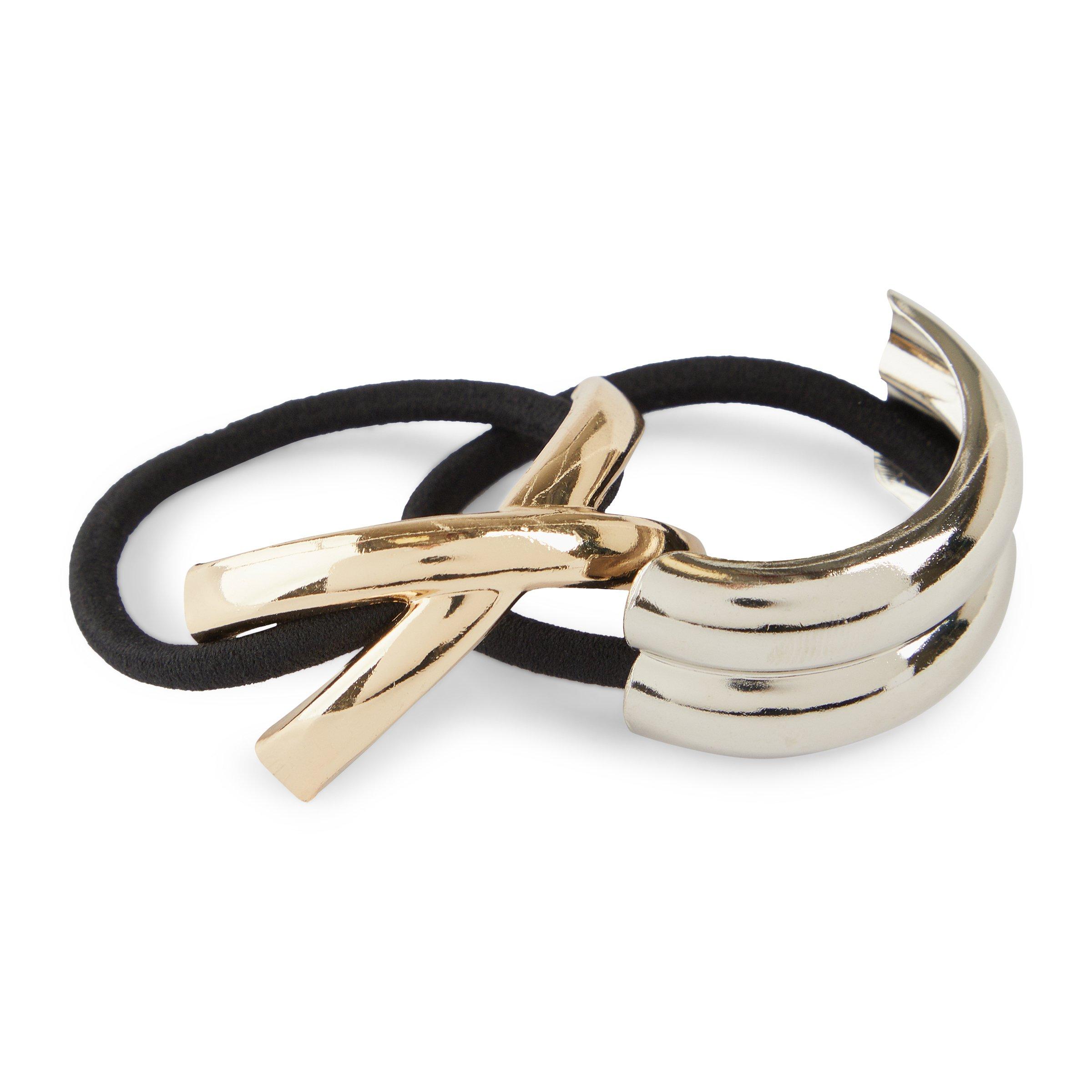
Brands like Celine have capitalized on this by creating "Bracelet Hair Rings." These are essentially high-fashion bangles that function as hair ties. For the consumer, this justifies the price point by moving the item from the "beauty budget" to the "jewelry budget." A generic black rubber band on the wrist can ruin a carefully curated outfit; a silk Prada scrunchie or a gold-plated Balmain barrette enhances it.
Common Pitfalls and Mistakes When Buying Luxury Hair Ties
Even in the luxury market, some products are better than others. Avoid these common mistakes:
- Buying for the Logo Only: Some brands simply wrap a thin layer of cheap polyester around a standard elastic and slap a logo on it. If the material isn't silk, high-grade nylon, or leather, you are likely overpaying for a product that will perform no better than a drugstore version.
- Ignoring the "Elastic Memory": The internal elastic is the most common point of failure. High-end brands like Balmain Hair Couture use industrial-grade interior bands that maintain their tension for hundreds of uses. Cheaper "luxury" knockoffs often use standard rubber that becomes brittle over time.
- Mismanaging the Material: Silk requires care. If you wear a $60 silk scrunchie to a sweaty HIIT workout, the salt and oils will degrade the silk fibers quickly. Designer hair ties should be matched to the activity: silk for sleep and office wear, nylon or high-tech synthetics for the gym.
Sustainability and Ethics in 2026
The luxury market has faced intense scrutiny regarding its environmental footprint. When considering if a designer tie is "worth the hype," many consumers now look at the sustainability credentials.
Prada’s Re-Nylon initiative is a prime example of where the hype is backed by substance. By using ECONYL, the brand reduces the global warming impact of nylon production by up to 90%. Similarly, many high-end silk producers are moving toward "Peace Silk" or organic certifications, ensuring that the luxury item isn't just good for your hair, but also less damaging to the planet. In 2026, a designer item that lacks a sustainability narrative is increasingly viewed as "outdated," regardless of the logo.
Frequently Asked Questions
Do designer silk hair ties really prevent hair loss?
Designer silk ties do not treat the underlying biological causes of hair loss (like genetics or hormones), but they do prevent hair breakage and traction alopecia. Traction alopecia is caused by constant pulling on the hair follicles. Because silk scrunchies provide a softer grip and distribute tension more evenly, they significantly reduce the mechanical stress that leads to thinning around the hairline.
How do I clean a designer silk scrunchie?
You should hand-wash silk scrunchies in cold water using a pH-neutral detergent specifically designed for silk. Avoid twisting or wringing the fabric, as this can damage the fibers and the internal elastic. Lay it flat on a towel to air dry. Never put designer hair accessories in a tumble dryer.
Why is cellulose acetate better than regular plastic?
Cellulose acetate is a "non-petroleum" based plastic that is significantly more durable and flexible. It won't become brittle and snap like cheap injection-molded plastic. Additionally, because it is hand-cut and polished, it lacks the sharp seams found on cheap clips and ties that can cut into the hair cuticle.
Is the Prada Re-Nylon scrunchie worth $300?
From a functional standpoint, the Prada scrunchie is incredibly durable and holds its shape better than almost any other fabric tie on the market. From a fashion standpoint, it is a recognizable "entry-level" luxury piece. If you value longevity and the brand’s aesthetic, it is a solid investment. If you are only looking for hair health, a high-quality silk tie for $40 offers better biological benefits.
Can I wear designer hair ties with wet hair?
It is generally discouraged to wear silk or leather accessories with wet hair. Hair is at its most fragile when wet, and the moisture can damage the natural fibers of the tie. If you must tie your hair back while wet, use a high-quality microfiber or silicone-based tie designed for moisture.
Final Verdict: Should You Buy One?
The decision to purchase a designer hair tie depends on your primary goal.
If your goal is hair health, you do not need to spend $300. A set of high-quality, 22-momme silk scrunchies from a reputable specialist like Slip or LilySilk will provide all the technical benefits for under $50.
If your goal is style and longevity, then the high-fashion houses like Prada, Celine, or Balmain offer genuine value. These items function as "wearable investments" that bridge the gap between hair care and jewelry. They are built to last for years rather than weeks, and their aesthetic contribution to an outfit is undeniable.
In 2026, the "hype" is justified for brands that innovate with materials. If a hair tie saves you from a $200 corrective haircut or a $100 smoothing treatment by preventing breakage, it has already paid for itself.