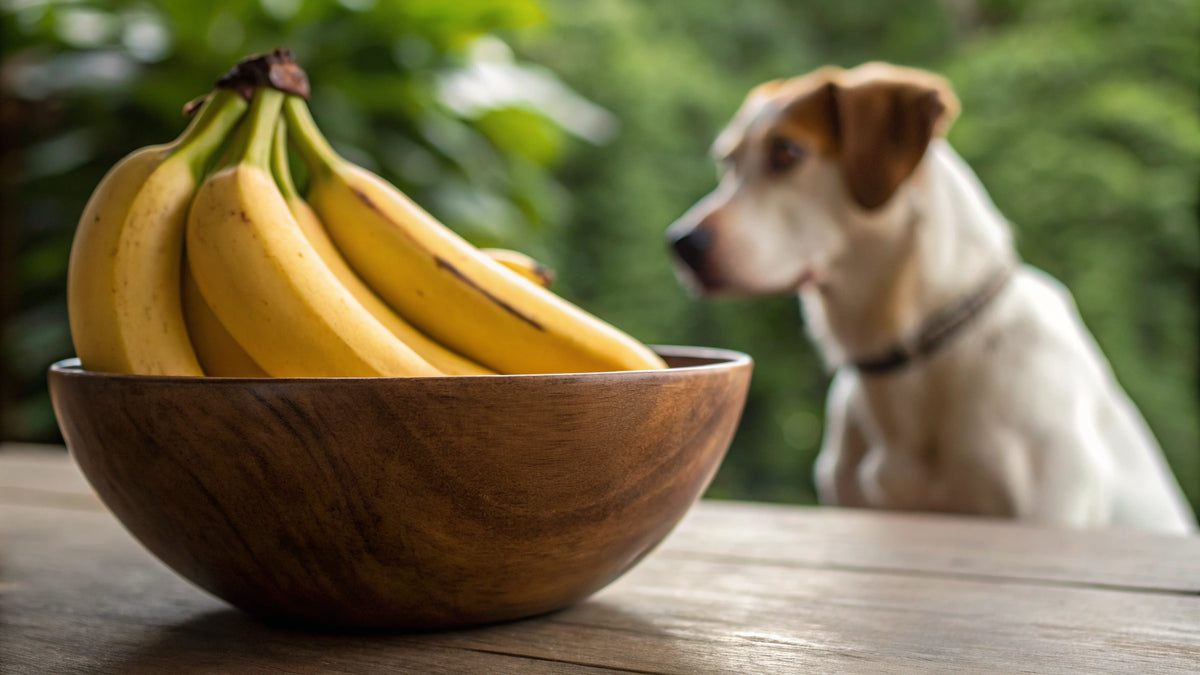
While true allergies to bananas are rare in dogs, they can occur if a dog’s immune system overreacts to specific proteins in the fruit. In everyday feeding, the primary concern is usually not a clinical allergy but rather digestive upset or weight gain caused by the banana’s high sugar and fiber content.
Bananas are frequently touted as a healthy, low-calorie alternative to processed dog treats. They are packed with essential vitamins and minerals that can support a canine’s heart health, muscle function, and energy levels. However, as pet owners in 2026 increasingly look toward "whole food" diets for their companions, it is vital to distinguish between a healthy snack and a potential allergen or metabolic burden. This guide examines the clinical reality of banana allergies, the nutritional profile of the fruit, and the safety of including it in a dog’s daily regimen.
Understanding Canine Food Allergies vs. Intolerances
To determine if a dog is "allergic" to bananas, we must first define what a food allergy is in the canine world. There is a significant distinction between a genuine food allergy and a food intolerance, though owners often use the terms interchangeably.
The Mechanism of a True Allergy
A true food allergy is an immune system malfunction. When a dog with a banana allergy ingests the fruit, its immune system identifies certain proteins within the banana as harmful invaders. In response, the body produces antibodies (specifically Immunoglobulin E, or IgE) and releases histamines. This internal "false alarm" leads to physical symptoms, which most commonly manifest as skin irritation or respiratory distress rather than just a stomach ache.
Food Intolerance and Sensitivity
Food intolerance is far more common than a true allergy. This is a digestive issue rather than an immune one. If a dog’s system is not equipped to process the high fiber or specific sugars found in a banana, it may experience gas, bloating, or diarrhea. While uncomfortable, this does not involve the immune system and is generally limited to the gastrointestinal tract. In everyday feeding, most "reactions" to bananas reported by owners are actually intolerances or the result of overfeeding.
Identifying Symptoms of a Banana Allergy in Dogs
If you suspect your dog is among the rare few with a genuine banana allergy, you need to look for specific clinical signs. These symptoms usually appear shortly after ingestion but can sometimes take several hours to manifest fully.
Dermatological Signs
In dogs, food allergies frequently "show" on the skin. Look for the following:
- Persistent Itching (Pruritus): The dog may scratch its ears, armpits, or groin incessantly.
- Inflamed Paws: Allergic dogs often lick or chew their paws until they are red and raw.
- Hives (Urticaria): Small, raised bumps may appear on the skin, causing the coat to look uneven.
- Chronic Ear Infections: Recurrent yeast or bacterial infections in the ear are often a secondary sign of an underlying food allergy.
Gastrointestinal and Respiratory Signs
While less common than skin issues, some dogs may exhibit:
- Vomiting or Diarrhea: Immediate expulsion of the food can indicate a severe sensitivity.
- Swelling of the Face: Known as angioedema, swelling around the muzzle or eyes is a sign of a serious allergic reaction.
- Coughing or Wheezing: In extreme cases, a dog may experience difficulty breathing, which requires immediate veterinary intervention.
The Nutritional Profile: Why Bananas are Fed Daily
Despite the risk of allergy, bananas remain a popular choice for daily supplementation because of their dense nutrient profile. Understanding what is inside a banana helps owners determine the correct "everyday" dosage.
Essential Minerals: Potassium and Magnesium
Bananas are famous for potassium, which is vital for maintaining healthy enzyme function, nerve conduction, and muscle contraction in dogs. It also helps regulate fluid balance. Magnesium helps the body absorb vitamins more effectively and supports healthy bone growth and protein production.
Vitamins and Fiber
- Vitamin B6 (Pyridoxine): This vitamin is crucial for brain function, hormone regulation, and the synthesis of neurotransmitters.
- Vitamin C: An antioxidant that helps reduce inflammation and cognitive aging in older dogs.
- Fiber: Bananas contain both soluble and insoluble fiber. In small amounts, this can help regulate a dog's bowel movements and prevent constipation.
The Risks of "Everyday Feeding"
Even if your dog is not allergic, feeding bananas every day carries certain risks that must be managed. The most significant concern in 2026 remains the metabolic impact of fruit sugars on the modern, often sedentary, domestic dog.
Sugar Content and Weight Management
A single medium-sized banana contains approximately 14 to 15 grams of sugar. For a large dog (over 60 lbs), a few slices daily may be negligible. However, for a small breed like a Chihuahua or a Pomeranian, that amount of sugar is substantial. Daily consumption can lead to:
- Weight Gain: Excessive calories from sugar quickly contribute to canine obesity.
- Blood Sugar Spikes: This is particularly dangerous for dogs with diabetes or those predisposed to insulin resistance.
- Tooth Decay: While less common than in humans, frequent sugar intake can contribute to plaque buildup on canine teeth.
Hyperkalemia (Potassium Overload)
While potassium is beneficial, too much of it can lead to a condition called hyperkalemia. This is rarely caused by diet alone in healthy dogs, but for dogs with kidney disease or Addison's disease, daily banana feeding can push potassium levels into a dangerous range, leading to heart arrhythmias or even cardiac arrest.
How to Safely Introduce Bananas to a Dog's Diet
If you want to incorporate bananas into your dog's daily routine, a structured approach is necessary to rule out allergies and prevent digestive distress.
- Consult Your Veterinarian: Before changing your dog's daily intake, ensure there are no underlying health conditions, such as kidney issues, that would make bananas unsafe.
- The "One-Inch" Rule: Start with a very small piece—no more than one inch of banana.
- Monitor for 24 Hours: Observe your dog for any changes in skin, behavior, or stool consistency.
- Gradual Increase: If no reaction occurs, you can slowly increase the amount to the recommended daily limit based on your dog's size.
Feeding Methods
- Mashed: Mix a small amount into their regular kibble to provide a flavor boost.
- Frozen: Frozen banana slices make an excellent cooling treat during summer months and are harder for the dog to gulp down quickly.
- Dehydrated: Homemade dehydrated banana chips (without added sugar or preservatives) are crunchy and shelf-stable, though they are more calorie-dense than fresh fruit.
Comparative Feeding Guidelines
The following table outlines the maximum recommended daily intake for bananas based on the dog's weight. This assumes the dog is healthy and has no pre-existing metabolic conditions.
| Dog Weight (lbs) | Breed Example | Recommended Daily Max | Estimated Sugar (g) |
|---|---|---|---|
| Under 10 lbs | Yorkie, Toy Poodle | 1 to 2 small slices | 1 - 2g |
| 10 - 30 lbs | Beagle, Cocker Spaniel | 3 to 4 slices | 3 - 5g |
| 30 - 60 lbs | Bulldog, Australian Shepherd | 1/4 of a medium banana | 4 - 6g |
| 60 - 90 lbs | Golden Retriever, Lab | 1/2 of a medium banana | 7 - 8g |
| Over 90 lbs | Great Dane, Mastiff | 1/2 to 3/4 of a banana | 8 - 11g |
Note: These amounts should be part of the "10% rule," where treats (including fruits) make up no more than 10% of a dog's total daily caloric intake.
Common Mistakes to Avoid
When feeding bananas, owners often make simple errors that can lead to medical emergencies or long-term health issues.
The Banana Peel Hazard
Never feed a dog the banana peel. While not toxic in the same way grapes or onions are, banana peels are incredibly difficult for dogs to digest. They are very high in concentrated fiber and have a leathery texture that can cause a gastrointestinal blockage. If your dog ingests a peel, watch for signs of vomiting, straining to defecate, or a painful abdomen, and contact a vet immediately.
Over-ripeness and Fermentation
As bananas ripen, their starch converts into sugar. A very brown, soft banana is much higher in sugar than a firm, yellow one. Furthermore, extremely overripe fruit can begin to ferment, producing trace amounts of alcohol, which is toxic to dogs. Stick to bananas that are ripe enough for human consumption but not yet mushy.
Cross-Reactivity (Latex-Fruit Syndrome)
Interestingly, some dogs with environmental allergies may show "cross-reactivity" to bananas. This is known as Latex-Fruit Syndrome in humans, but similar patterns have been observed in animals. If your dog is allergic to certain plants or has a known sensitivity to natural latex, they are statistically more likely to react to bananas, avocados, and kiwi.
When to Contact a Veterinarian
If you are feeding bananas daily and notice any of the following, pause the fruit intake and seek professional advice:
- Consistent loose stools: This suggests the fiber or sugar content is too high for your dog's specific gut microbiome.
- Lethargy after eating: A "sugar crash" or a negative metabolic reaction can cause temporary sluggishness.
- Unexplained weight gain: Even if you aren't feeding "much," the calories add up.
- Behavioral changes: Itching or discomfort can lead to irritability or restlessness.
For a deeper look at canine nutrition and safe human foods, the American Kennel Club (AKC) provides extensive resources on fruit safety. Additionally, the Association of American Feed Control Officials (AAFCO) offers guidelines on the balance of vitamins and minerals necessary for a complete canine diet.
FAQ: Dogs and Bananas
Can puppies eat bananas every day? Puppies can have bananas in very small amounts, but it is generally discouraged as a daily habit. Puppies require a very precisely balanced ratio of calcium and phosphorus for bone development. Adding "extra" nutrients from fruits can sometimes upset this balance. Use bananas only as a rare high-value training treat for puppies.
Are bananas good for dogs with upset stomachs? Yes, in some cases. Much like the "BRAT" diet for humans (Bananas, Rice, Applesauce, Toast), the pectin in bananas can help firm up stools. However, because they are high in sugar, they should not be the first choice if the dog is vomiting; bland boiled chicken and rice are usually safer.
Can a dog be allergic to dried banana chips? Yes. In fact, dried chips are sometimes more likely to cause a reaction because the proteins and sugars are concentrated. Additionally, many store-bought banana chips are fried in oil or coated in honey/sugar, which increases the risk of pancreatitis and obesity. Only feed plain, unsweetened, dehydrated chips.
What should I do if my dog ate a whole bunch of bananas? The primary risk of a large ingestion is acute gastrointestinal distress and potentially a blockage if the peels were consumed. Monitor your dog for vomiting, severe bloat, or lethargy. If your dog is small and ate multiple bananas, the massive sugar spike could cause a serious metabolic event, and a vet visit is recommended.
Can bananas help with a dog's leg cramps? Because potassium supports muscle function, some owners use bananas to help with cramping. However, chronic cramping in dogs is often related to neurological issues or hydration imbalances rather than just a potassium deficiency. You should consult a vet to find the root cause rather than self-treating with fruit.
Final Recommendation
Bananas are a safe, non-toxic, and nutritious snack for the vast majority of dogs. While a true allergy is a rare clinical possibility, it is something to watch for when first introducing the fruit. For everyday feeding, moderation is the defining factor. To ensure your dog remains healthy in 2026, treat bananas as a supplement or a "topper" rather than a primary food source, and always adhere to the 10% treat rule to prevent obesity and metabolic complications.