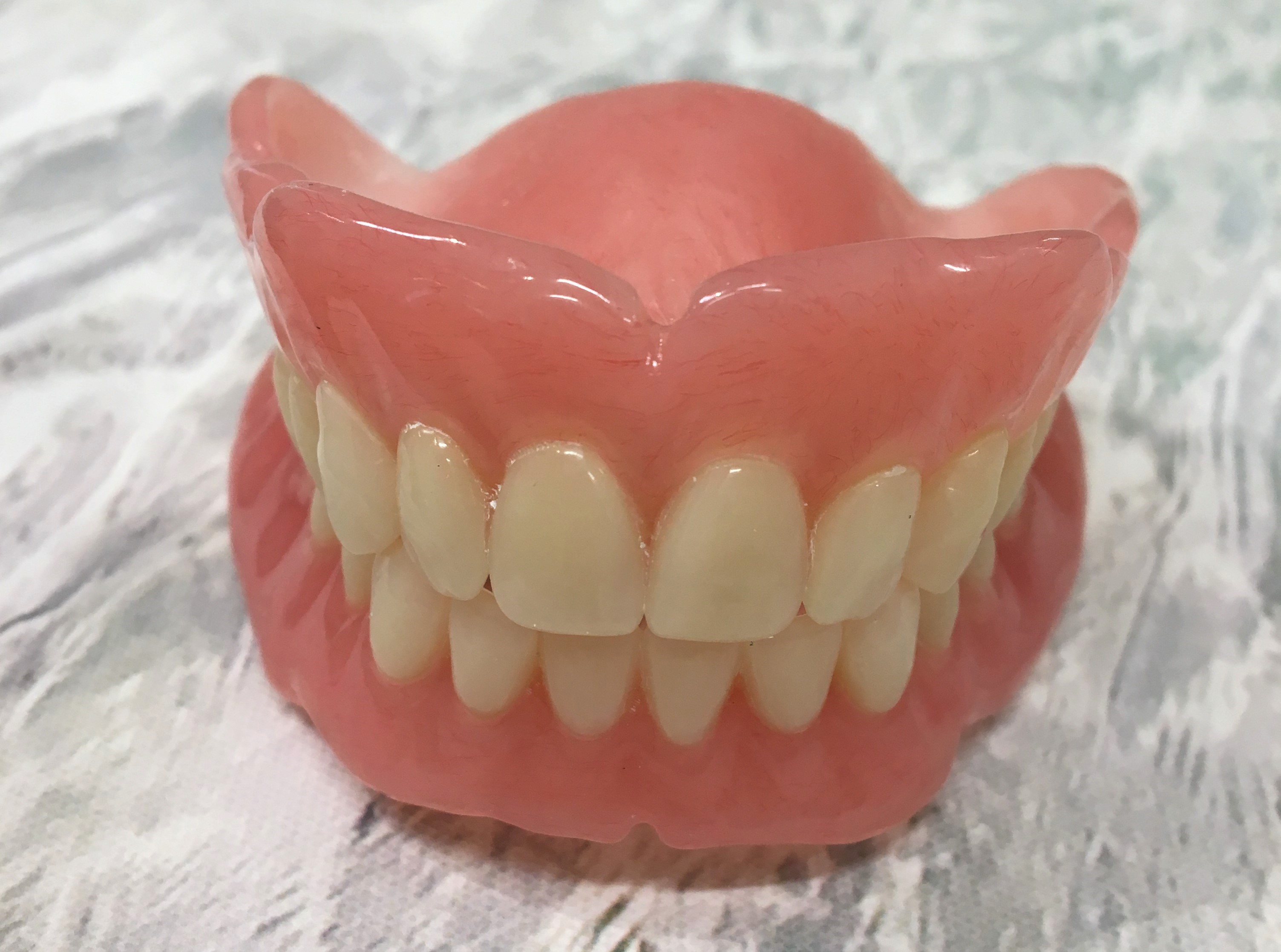
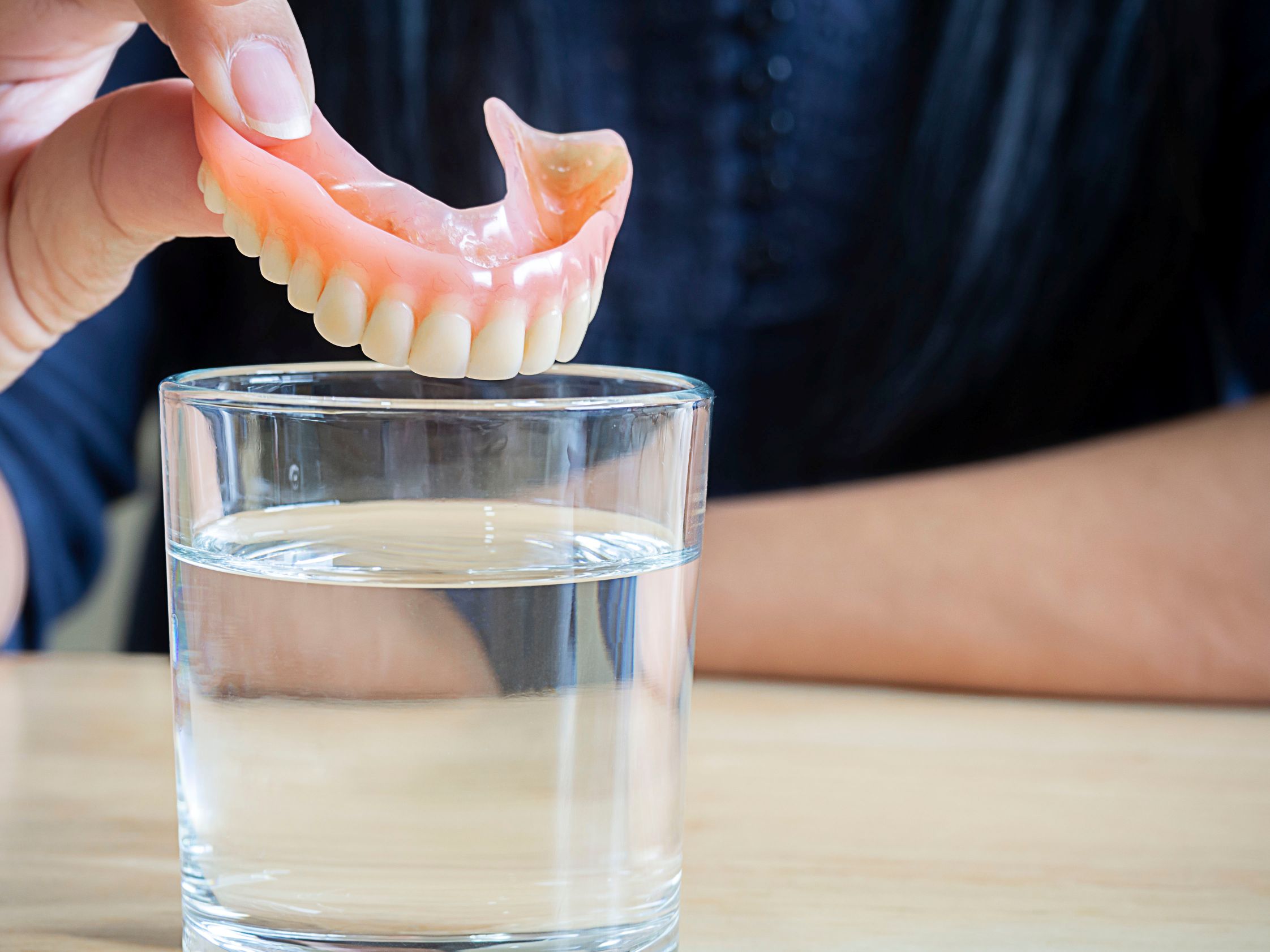
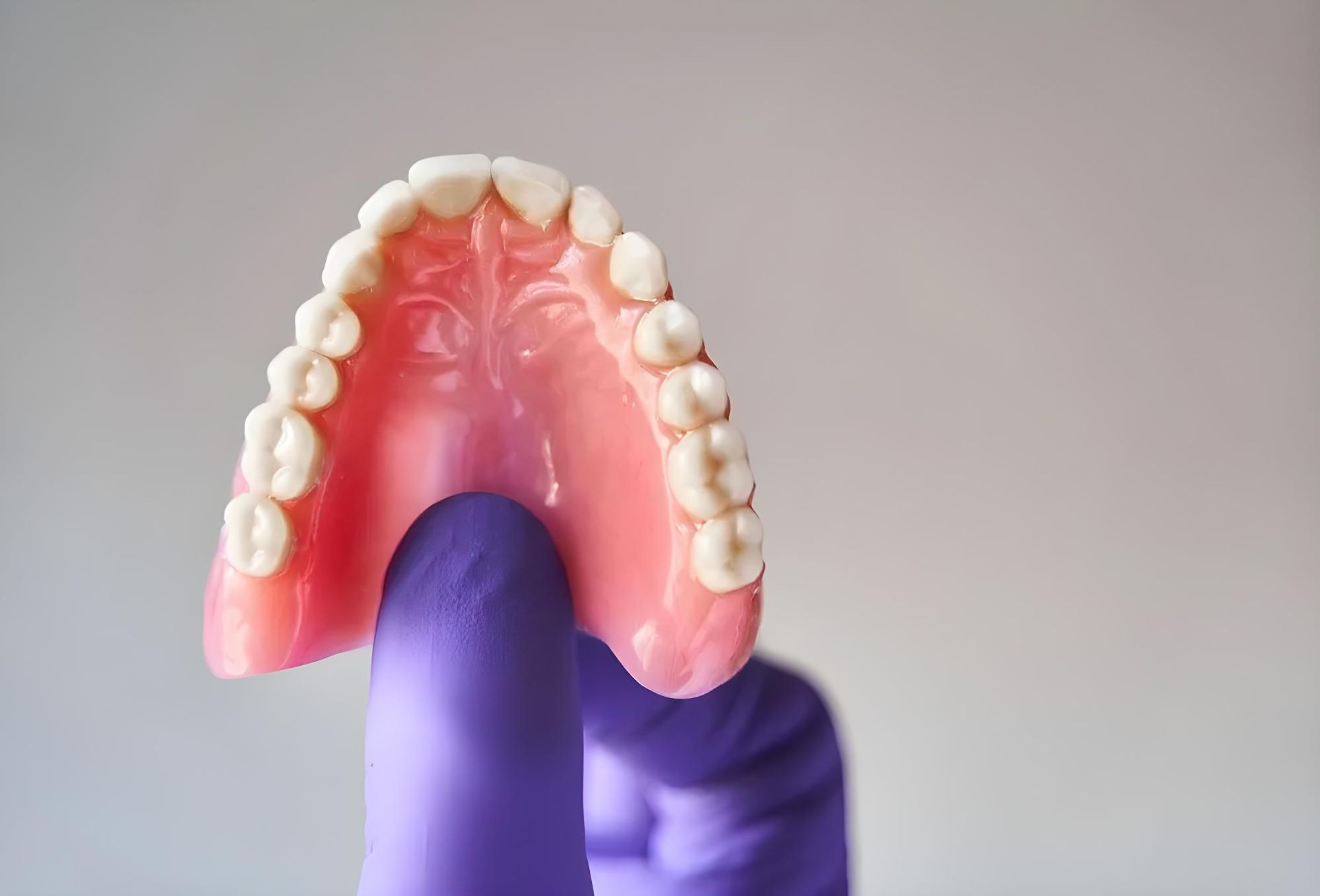
Yes, dentures are officially classified as prosthetics. Specifically referred to as dental prostheses, they are intraoral devices designed to replace missing teeth and support the surrounding soft and hard tissues of the mouth. Like an artificial limb replaces a missing arm or leg, dentures restore the essential function, structure, and aesthetics of a biological system.
In the medical and dental landscape of 2026, the definition of a prosthesis is any artificial device used to replace a missing body part or to improve the function of a natural body part. Dentures satisfy every criterion of this definition. They are not merely "false teeth"; they are sophisticated medical appliances tailored to the unique anatomy of an individual’s oral cavity. Understanding dentures as prosthetics is vital for navigating insurance claims, medical necessity evaluations, and long-term oral health strategies.
The Technical Classification of Dentures as Prostheses
In clinical terminology, the field of dentistry dedicated to these devices is called prosthodontics. This branch focuses on the design, manufacture, and fitting of artificial replacements for teeth and other parts of the mouth. Because dentures are removable or fixed replacements for natural structures, they fall squarely under the umbrella of prosthetic technology.
The primary goal of any prosthetic—whether it is a prosthetic hip or a partial denture—is the restoration of function. For dental patients, this involves the ability to masticate (chew) food properly, phonate (speak) clearly, and maintain the vertical dimension of the face. Without these prosthetics, patients with significant tooth loss often experience muscle atrophy in the jaw and a "collapsed" facial appearance, much like the physical changes observed after the loss of other structural body parts.
Regulatory and Medical Designations
As of 2026, regulatory bodies like the U.S. Food and Drug Administration (FDA) continue to classify dentures as Class II medical devices. This classification indicates that dentures require a higher level of regulatory control than simple "Class I" tools like toothbrushes. This is because they are sophisticated prosthetics that reside in a sensitive biological environment and must be made from biocompatible materials to prevent systemic toxicity or local tissue irritation.
Furthermore, medical billing and coding systems utilize specific identifiers for dentures that align them with other prosthetic devices. This classification is essential for healthcare providers when documenting "medical necessity," particularly in cases where tooth loss has led to secondary health complications such as malnutrition or speech impediments.
Types of Dental Prosthetics: More Than Just "False Teeth"
The term "denture" is a broad category that encompasses several distinct types of prosthetics. Each is designed to address specific levels of tooth loss and anatomical requirements.
1. Complete (Full) Dentures
These are the most traditional form of dental prosthetics, used when all natural teeth are missing in either the upper or lower arch (or both). They consist of a prosthetic base—usually made of acrylic resin colored to match the gums—and artificial teeth made of porcelain or high-density plastic. As a full-arch prosthesis, they rely on suction and the muscles of the cheeks and tongue to remain in place.
2. Partial Dentures
When a patient still retains some healthy natural teeth, a partial denture is utilized. This prosthetic acts as a bridge, filling the gaps created by missing teeth. It often features a metal or flexible plastic framework that "anchors" onto the remaining natural teeth. In 2026, advancements in nylon and thermoplastic resins have made these prosthetics significantly more comfortable and less visible than the metal-clasp versions of previous decades.
3. Implant-Supported Prosthetics
Often considered the "gold standard" of modern dental prosthetics, implant-supported dentures are not merely resting on the gums. Instead, they are anchored into the jawbone via titanium or zirconia posts. These posts act as "artificial roots," providing a level of stability and bone preservation that traditional removable prosthetics cannot match. This category highlights the convergence of surgery and prosthetic engineering, offering a permanent solution for those who qualify for the procedure.
4. Immediate Dentures
These are temporary prosthetics placed immediately after the extraction of natural teeth. Their purpose is to ensure the patient never has to be without teeth during the healing phase. Because the jawbone and gums shrink as they heal, these prosthetics usually require significant adjustments or replacement once the oral tissues have stabilized.
Why the "Prosthetic" Label Matters for Insurance and Costs
The classification of dentures as prosthetics is not just a matter of semantics; it has significant financial implications for patients. In most dental insurance frameworks in 2026, services are categorized into preventive, basic, and major restorative categories.
Dentures are almost universally categorized as Major Restorative Services. This means that while insurance may cover 100% of a cleaning (preventive) or 80% of a filling (basic), it often only covers 50% of a prosthetic device.
Understanding the Cost-Benefit Ratio
While the initial cost of a high-quality dental prosthesis can be substantial, it is an investment in systemic health. A well-fitted prosthetic prevents the migration of remaining teeth, reduces the risk of Temporomandibular Joint (TMJ) disorders, and allows for a diverse diet rich in nutrients that are difficult to consume with missing teeth.
| Feature | Complete Dentures | Partial Dentures | Implant-Supported Dentures |
|---|---|---|---|
| Primary Classification | Full Removable Prosthesis | Removable Partial Prosthesis | Fixed or Snap-on Prosthesis |
| Support System | Gum tissue and suction | Remaining natural teeth | Titanium/Zirconia Implants |
| Bone Preservation | Low (may lead to bone loss) | Moderate | High (stimulates bone) |
| Typical Longevity | 5–8 Years | 5–10 Years | 10–20+ Years |
| Insurance Category | Major Restorative | Major Restorative | Major Restorative / Surgical |
| Stability | Moderate | High | Superior |
The Biological Impact: How Dentures Mimic Natural Anatomy
A prosthetic is only as effective as its ability to integrate with the human body. In the case of dentures, the device must navigate the complex biomechanics of the mouth.
When teeth are lost, the alveolar bone (the part of the jaw that holds teeth) begins to resorb or "melt away" because it is no longer being stimulated by the pressure of chewing. While traditional removable prosthetics replace the appearance of teeth, they do not stop this bone loss. This is why dentures must be "relined" or adjusted every few years—the prosthetic itself remains the same, but the biological foundation (the jawbone) is constantly changing.
Conversely, implant-supported prosthetics act as a more "complete" prosthesis by replacing the root of the tooth. The mechanical stress transferred through the implant into the bone signals the body to maintain the bone density in that area. This demonstrates the sophisticated nature of modern dental prosthetics: they are designed to interact with biological signals, not just sit passively in the mouth.
Technological Advancements in 2026
The year 2026 has seen a revolution in how these prosthetics are manufactured. We have moved far beyond the days of messy "goop" impressions and weeks of waiting.
Digital Workflows and 3D Printing
Most modern dental prosthetics are now created using CAD/CAM (Computer-Aided Design and Computer-Aided Manufacturing) technology. An intraoral scanner takes a precise 3D map of the patient's mouth. This data is then used to 3D-print or mill the denture from a solid block of multi-layered, high-performance resin. This results in a "monolithic" prosthetic that is significantly stronger and more precisely fitted than those made by hand-layering materials in a lab.
Smart Materials
Research in 2026 has introduced "smart" polymers for dental prosthetics. These materials have antimicrobial properties embedded within the resin to help prevent "denture stomatitis," a common fungal infection among denture wearers. Additionally, some prosthetic bases now feature shape-memory properties, allowing them to maintain a tighter "seal" against the gums as they respond to the natural warmth of the oral cavity.
Common Misconceptions About Dental Prosthetics
Despite their official classification, many people still view dentures through the lens of outdated stigmas. It is important to clarify what a modern prosthetic can and cannot do.
Misconception: Dentures are a "permanent" fix that requires no further care. Even though the prosthetic teeth cannot get cavities, the prosthetic itself requires daily cleaning to remove plaque and bacteria. Furthermore, the tissues underneath the prosthetic remain susceptible to gum disease and oral cancer. Regular professional check-ups are essential to ensure the prosthetic still fits correctly and is not causing pressure sores.
Misconception: All dentures look "fake." In 2026, the aesthetics of dental prosthetics are highly customizable. Technicians can add "characterization" to the teeth, including slight misalignments, varied translucency, and gingival tinting that mimics the natural blood flow in gum tissue. A well-made prosthetic should be indistinguishable from natural teeth to the casual observer.
Misconception: Dentures make it impossible to eat certain foods. While there is a learning curve, a properly fitted prosthetic restores significant biting force. Users of traditional dentures generally regain about 20% to 30% of their original biting power. Those who opt for implant-supported prosthetics can often regain nearly 100% of their original chewing efficiency, allowing them to eat steak, corn on the cob, and apples without issue.
Comparison: Dental Prosthetics vs. Orthopedic Prosthetics
To truly understand why dentures are prosthetics, it helps to compare them to other artificial body parts.
- Materials: Both use biocompatible metals (titanium) and high-grade plastics or ceramics.
- Customization: Neither can be "off-the-shelf." Just as a prosthetic leg must be tuned to a patient's height, weight, and gait, a denture must be tuned to a patient's bite (occlusion) and facial structure.
- Physical Therapy: Both require a period of "retraining." A patient with a new leg must relearn how to walk; a patient with new dentures must relearn how to use their tongue and cheeks to manage food and articulate speech.
- Maintenance: Both are subject to mechanical wear and tear and will eventually require replacement or refurbishment due to the rigors of daily use.
FAQs: Understanding Your Dental Prosthesis
Are dentures considered a medical necessity or a cosmetic device?
In most cases, dentures are considered a medical necessity. While they certainly improve appearance, their primary function is to prevent malnutrition, speech loss, and the shifting of remaining teeth. However, certain "upgraded" features (such as premium porcelain teeth or specific aesthetic tints) might be classified as cosmetic by insurance providers.
How often should a prosthetic denture be replaced?
On average, removable dentures should be replaced every 5 to 7 years. This is rarely due to the prosthetic wearing out, but rather because the patient's mouth changes shape. Over time, the bone ridges in the mouth shrink, leading to a loose fit that can cause sores, difficulty chewing, and a change in facial appearance.
Can I sleep with my dental prosthetics in?
It is generally recommended to remove removable prosthetics at night. This allows the gum tissues to "breathe" and recover from the pressure of the device. Constant wear can lead to fungal infections and accelerated bone resorption. Fixed, implant-supported prosthetics are the exception, as they are cleaned in the mouth like natural teeth.
What is the difference between a bridge and a partial denture prosthetic?
A bridge is a fixed prosthesis that is cemented onto existing teeth and cannot be removed by the patient. A partial denture is a removable prosthesis. Both serve the same goal of filling gaps, but the bridge offers more stability at the cost of requiring the "shaving down" of adjacent healthy teeth.
Why does my insurance call dentures "Major Services" instead of "Prosthetics"?
Insurance companies use "Major Services" as a broad billing category that includes complex procedures. However, within the detailed breakdown of your policy, you will likely see them listed under "Prosthodontics," which is the clinical term for dental prosthetics.
Final Recommendation: Navigating the World of Dental Prosthetics
If you are facing significant tooth loss, viewing your replacement options as prosthetics rather than just "teeth" will help you make a more informed decision. Treat the process with the same gravity you would any other medical implant.
Prioritize a consultation with a prosthodontist—a dentist who has three additional years of specialized training in dental prosthetics. In 2026, the range of available materials and attachment methods is vast. While traditional dentures remain a viable and cost-effective prosthetic, exploring implant-supported options can provide a higher quality of life and better long-term bone health. Always verify your insurance coverage levels for "Major Restorative" work before beginning treatment, and ensure that your treatment plan includes a schedule for regular relines and professional cleanings to maintain the integrity of your prosthesis.