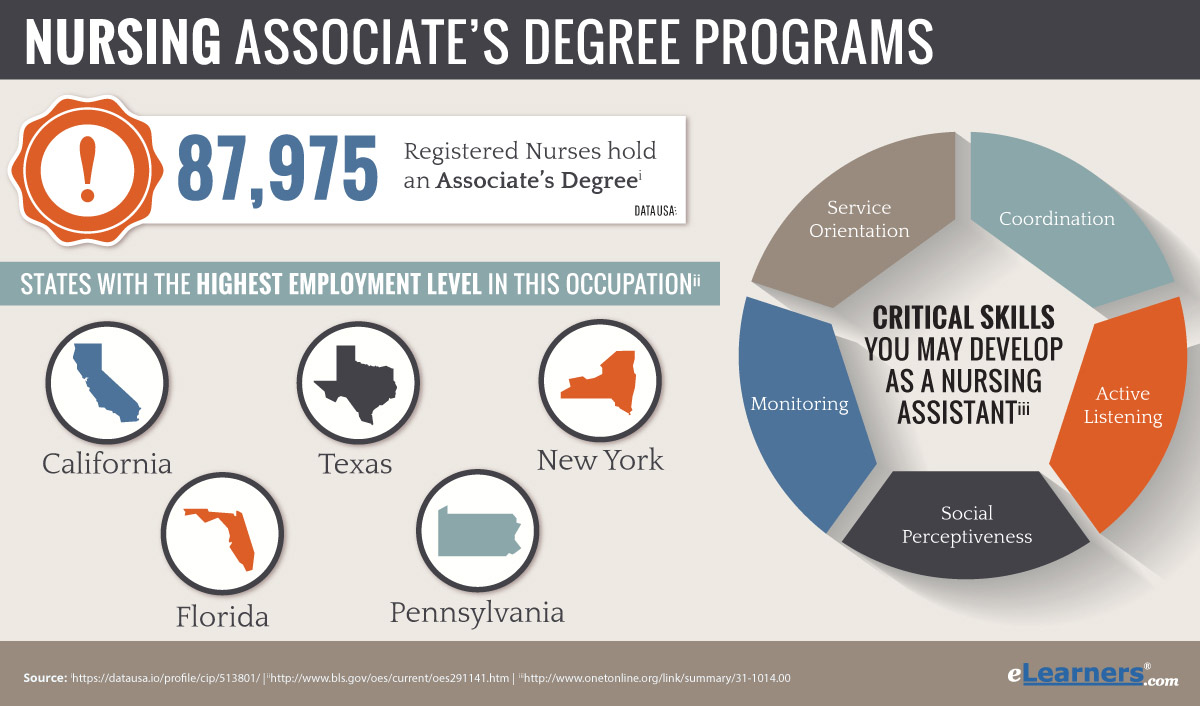
Aspiring Registered Nurses (RNs) can enter the healthcare profession by completing an Associate Degree in Nursing (ADN) from an accredited program. These two-year degrees provide the foundational clinical skills and theoretical knowledge required to sit for the NCLEX-RN examination, serving as a time-efficient and cost-effective pathway to becoming a licensed nurse.
Understanding the Role of Associate Degree Nursing (ADN) Programs
The Associate Degree in Nursing (ADN) remains one of the most common entry points into the nursing profession. Designed as a bridge between foundational healthcare concepts and professional clinical practice, an ADN program typically spans four to five semesters, or approximately two years of full-time study. Unlike Bachelor of Science in Nursing (BSN) programs, which emphasize research, leadership, and public health theory, the ADN curriculum is heavily focused on hands-on clinical proficiency.
For an aspiring RN, the primary objective of an ADN program is to achieve licensure. The curriculum covers essential topics including pharmacology, anatomy and physiology, microbiology, medical-surgical nursing, and maternal-child health. Because nursing is a practice-based discipline, these programs require a significant number of clinical hours in hospitals, clinics, and long-term care facilities. This experiential component ensures that graduates are prepared to provide direct patient care immediately upon passing the National Council Licensure Examination (NCLEX-RN).
The Critical Importance of Accreditation
When evaluating schools, accreditation is the single most important factor. Accreditation acts as a stamp of approval from recognized bodies, ensuring that the school’s curriculum meets established standards of quality and rigor. For nursing students, there are two primary types of accreditation to monitor: programmatic and institutional.
Institutional accreditation is granted to the college or university as a whole, ensuring the institution itself is financially stable and educationally sound. However, program-specific accreditation is what truly matters for your nursing career. You should prioritize programs accredited by the Accreditation Commission for Education in Nursing (ACEN) or the Commission on Collegiate Nursing Education (CCNE).
Attending a non-accredited program can be a significant professional setback. Many state boards of nursing will not allow graduates of non-accredited programs to sit for the NCLEX-RN exam. Furthermore, if you plan to pursue a BSN degree later through an "RN-to-BSN" bridge program, most universities will not accept credits or degrees from non-accredited institutions. Always verify a school's current accreditation status directly through the agency’s official database rather than relying solely on the marketing claims found on a school’s website.
Prerequisites and Admission Requirements
Securing a seat in an ADN program is a competitive process. Most schools utilize a point-based admission system that evaluates applicants on several objective criteria. Understanding these requirements early is essential for planning your academic trajectory.
- General Education Foundations: Most ADN programs require completion of prerequisite courses such as Human Anatomy and Physiology I and II, Microbiology, English Composition, and Introduction to Psychology. Maintaining a high GPA in these courses is critical, as they often account for the bulk of your admission score.
- Entrance Examinations: Many programs require scores from standardized tests, such as the Test of Essential Academic Skills (TEAS) or the HESI A2. These exams measure your proficiency in reading, math, science, and English usage.
- Background Checks and Immunizations: Because nursing students interact with vulnerable populations, programs mandate clean background checks, drug screenings, and proof of comprehensive immunization status, including titers for hepatitis and other communicable diseases.
Comparative Analysis: ADN vs. BSN Pathways
Deciding between an ADN and a BSN is a common dilemma for aspiring nurses. While the ADN is the fastest route to the bedside, the BSN has become increasingly preferred by Magnet-designated hospitals and large healthcare systems.
| Feature | Associate Degree in Nursing (ADN) | Bachelor of Science in Nursing (BSN) |
|---|---|---|
| Duration | 2 Years | 4 Years |
| Primary Focus | Technical/Clinical Skill | Theory, Leadership, Research |
| Cost | Generally lower | Generally higher |
| Career Entry | Fast-track to RN licensure | Pathway to management/specialization |
| Future Prospects | Requires bridge program for advancement | Built-in career advancement |
For those with budget constraints or a desire to enter the workforce quickly, the ADN is the logical choice. Many employers offer tuition reimbursement programs, allowing you to work as an RN while your employer helps fund your transition to a BSN later in your career.
Evaluating Costs and Financial Planning
The cost of an ADN program varies significantly depending on whether the school is a public community college or a private career college. Public community colleges are almost universally the most affordable option, as they receive state funding that subsidizes the cost of tuition for local residents.
When calculating the total cost of attendance, do not look at tuition alone. Factor in the following expenses:
- Clinical Fees: These cover the costs of securing clinical sites and insurance.
- Technology and Lab Fees: Used for simulations, mannequins, and electronic health record (EHR) software.
- Uniforms and Equipment: Stethoscopes, blood pressure cuffs, scrubs, and medical-grade footwear.
- NCLEX Preparation: High-quality review courses and testing fees.
Financial aid is often available. Be sure to complete the Free Application for Federal Student Aid (FAFSA) regardless of your income level, as this is the primary tool for accessing grants and federal student loans.
Success Strategies for Nursing Students
Succeeding in an ADN program requires more than just intelligence; it requires rigorous time management and the development of study habits tailored to nursing education. Nursing exams are famously difficult because they rarely ask for simple memorization. Instead, they utilize "NCLEX-style" questions that require you to apply clinical knowledge to hypothetical scenarios.
- Prioritize "Critical Thinking" over "Rote Learning": Learn the physiology behind a condition rather than just the symptoms. If you understand why a medication affects blood pressure, you will not have to memorize every individual drug’s effect on the heart.
- Join Student Groups: The National Student Nurses’ Association (NSNA) provides networking opportunities and resources that can help you understand the professional landscape of nursing.
- Maximize Clinical Rotations: Treat clinical rotations as long-form interviews. Many students secure their first job offers by demonstrating initiative, punctuality, and a strong work ethic during their clinical rotations at local hospitals.
Addressing Common Challenges and Troubleshooting
Nursing school is intentionally stressful. It is normal to feel overwhelmed during high-stakes simulation labs or during the final weeks of a semester.
- Scheduling Conflicts: ADN programs often have inflexible schedules that include early mornings and weekends. If you must work, prioritize positions that offer flexible scheduling, such as per diem medical assistant or nursing assistant roles.
- The "Bottleneck" Effect: Many programs have a limited number of clinical slots, which leads to long waitlists. Apply to multiple accredited programs simultaneously to increase your chances of securing a start date.
- Academic Support: Most community colleges offer free tutoring and writing centers. Do not wait until you are failing a course to use these resources; utilize them from day one to maintain your GPA.
Frequently Asked Questions
Can I become an RN online? While you can complete some prerequisite courses and theoretical components of an ADN online, nursing is a clinical profession. There is no legitimate "100% online" ADN program that leads to RN licensure, as you must complete hands-on clinical hours in a physical healthcare setting.
What is the difference between an LPN and an RN? An LPN (Licensed Practical Nurse) program typically lasts one year and focuses on basic care. An RN program is more comprehensive, covers complex pharmacology and leadership, and requires a higher level of autonomy and responsibility in patient care.
How long after graduation can I take the NCLEX? After you graduate, your school will send a certification of completion to your state board of nursing. Once they approve your application, you will receive an Authorization to Test (ATT). Most students choose to take the exam within one to three months of graduation.
What if my GPA is too low for a competitive ADN program? If your GPA is not competitive, consider retaking a few of the core science prerequisites to improve your grades. Alternatively, some programs offer a "pre-nursing" track designed to help students bridge the gap between their current academic standing and the requirements for admission.
Are private nursing schools worth the extra cost? Private nursing schools often offer faster start dates and fewer prerequisites compared to community colleges. While they are more expensive, the return on investment can be positive if the program allows you to start your career and begin earning an RN salary several months or even a year earlier than you would have otherwise.
Moving Forward
Your path to becoming a Registered Nurse begins with a disciplined approach to school selection. Start by identifying three to five accredited community colleges in your area, attend their information sessions, and meticulously map out the prerequisite courses required for application. Focus on securing a high GPA in your sciences, as this is the most effective way to guarantee your acceptance into the program of your choice. By prioritizing accredited institutions and focusing on clinical excellence, you are positioning yourself for a stable and rewarding career in the healthcare sector.