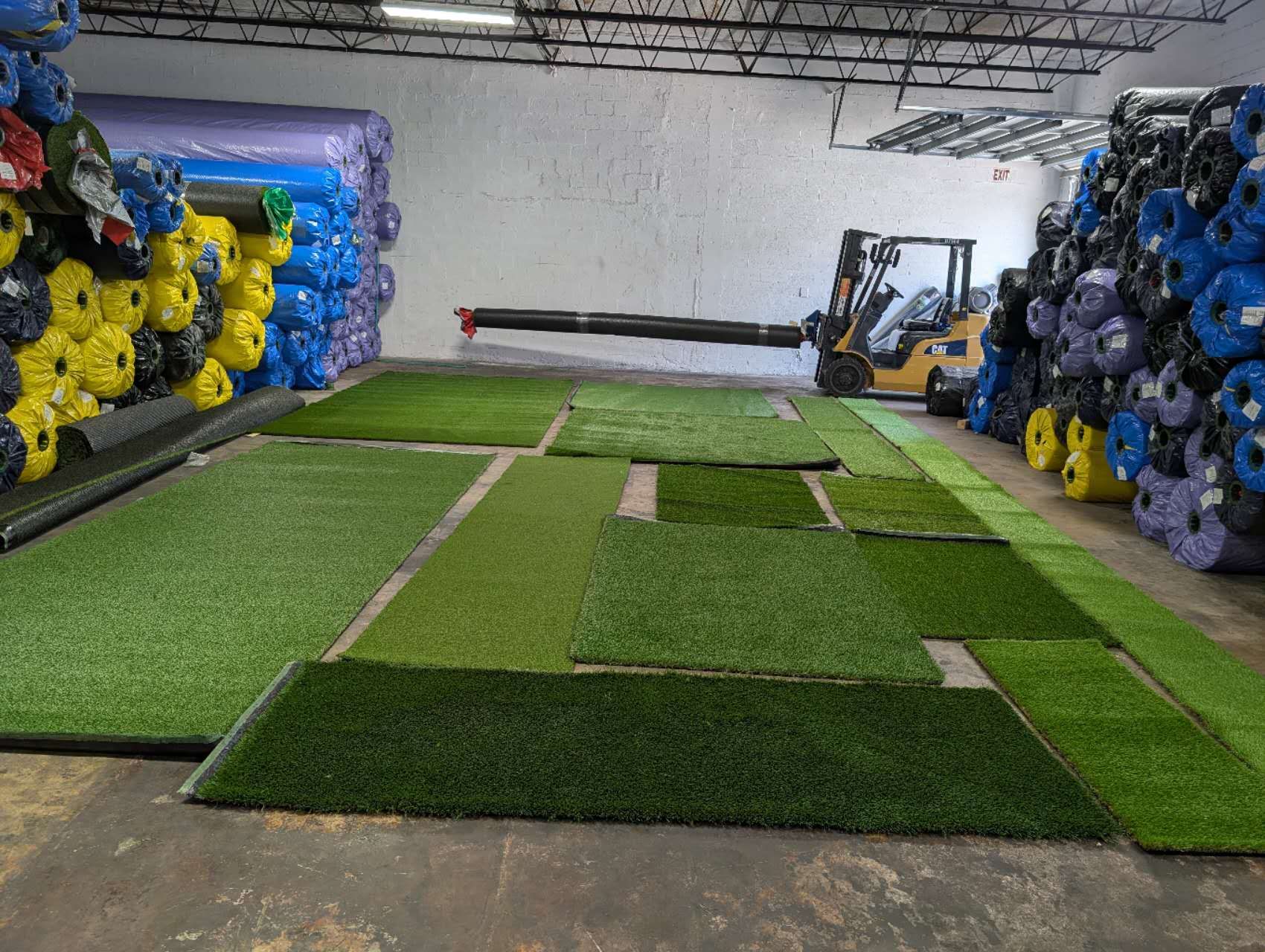
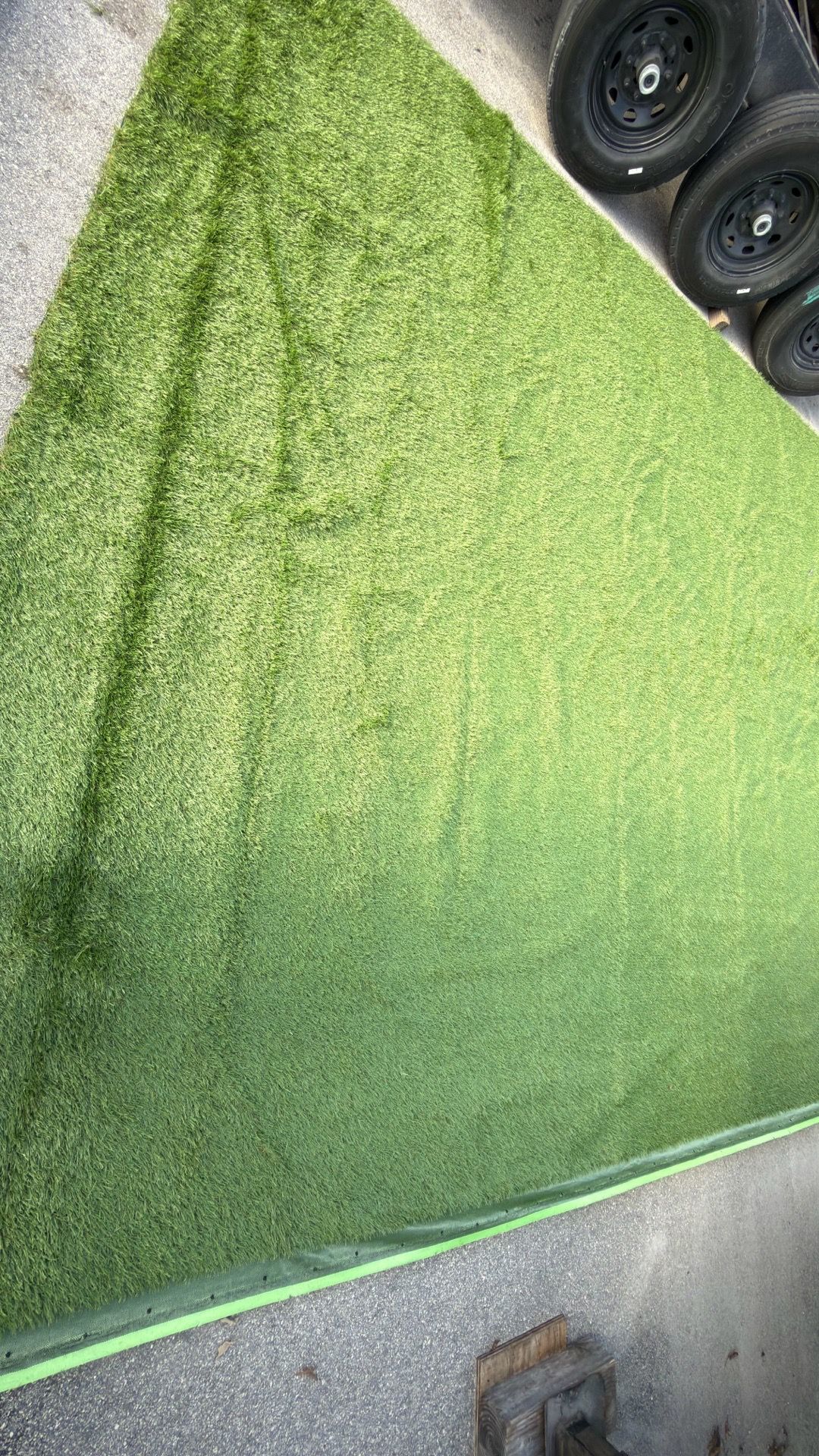
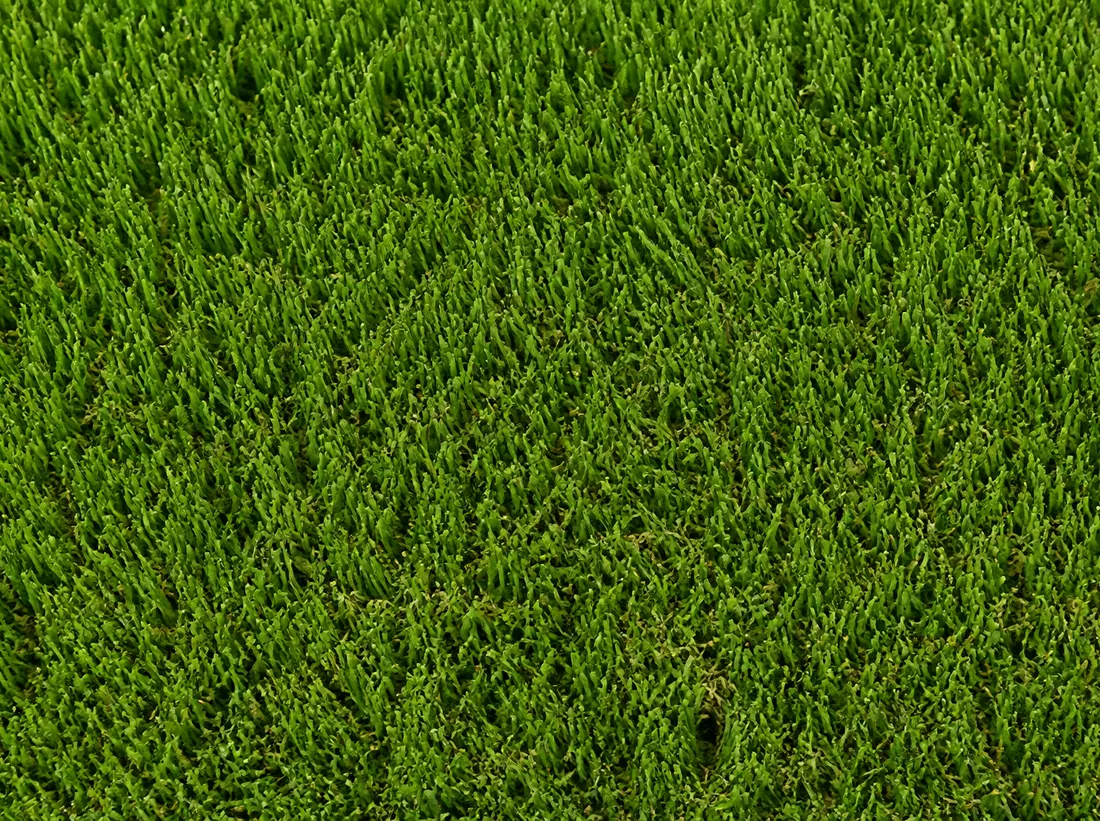
For Oakland homeowners and commercial property managers in 2026, artificial turf offers a durable, water-wise alternative to traditional lawns. By integrating advanced drainage technology and heat-reflective fibers, modern synthetic grass addresses the East Bay's specific climate challenges while complying with local permeability regulations and drought-management initiatives.
The Evolution of Artificial Turf in the Oakland Landscape
The landscape of Oakland, ranging from the fog-swept hills of Montclair to the sun-drenched flats of West Oakland, presents unique challenges for natural grass. In 2026, the transition toward artificial turf has accelerated, driven largely by the East Bay Municipal Utility District’s (EBMUD) ongoing water conservation mandates and the rising costs of traditional lawn maintenance. Synthetic grass has evolved from the plastic-looking "astroturf" of the past into sophisticated polyethylene systems that mimic the texture and color variegation of local species like Fescue and Rye.
Artificial turf in Oakland is no longer just about aesthetics; it is a functional response to the California climate. With temperatures in the Bay Area showing increased volatility, homeowners are seeking surfaces that remain vibrant without the need for irrigation, fertilization, or pesticides. This shift is particularly evident in urban infill projects where small footprints make traditional mowing impractical and in the hills where wildfire "defensible space" requirements encourage the removal of dry, combustible vegetation.
Navigating Oakland’s Regulatory and Environmental Standards
Before breaking ground on a turf project in Oakland, it is essential to understand the local regulatory framework. The City of Oakland has specific codes regarding "permeable surfaces" and front-yard landscaping. As of 2026, any major landscaping overhaul must ensure that storm water runoff is managed on-site to prevent overwhelming the city's aging sewer infrastructure.
Permeability and Drainage Requirements
The Oakland Municipal Code generally requires that a significant portion of front-yard space remain permeable. When installing artificial turf, this means the sub-base must be engineered to allow water to pass through into the soil below. High-quality turf products feature "hole-punched" or "flow-through" backings that can handle drainage rates of over 30 inches per hour, far exceeding the heaviest Bay Area rainstorms.
EBMUD and Water Rebates
While EBMUD has historically focused its "Lawn to Garden" rebates on drought-tolerant living plants and mulch, the 2026 guidelines emphasize the reduction of potable water use for irrigation. While synthetic turf itself may not always qualify for the highest tier of rebates compared to native pollinator gardens, its role in a "mixed-media" landscape—combining turf with native shrubs and stones—is a recognized strategy for achieving mandatory water reduction targets. It is advisable to consult the EBMUD Water Conservation office for the most current rebate eligibility criteria for synthetic surfaces.
Technical Specifications: Choosing the Right Turf Grade
Selecting artificial turf in 2026 requires an understanding of material science. Not all synthetic grass is created equal, and the specific application—whether it is a high-traffic play area for children, a pet run, or a decorative front lawn—will dictate the necessary specifications.
Fiber Material and Shape
- Polyethylene: The most common material for residential lawns. It is soft to the touch, durable, and resists UV degradation.
- Polypropylene: Best suited for putting greens or secondary fringe areas; it has a lower melting point and is less resilient under heavy foot traffic.
- Nylon: The strongest and most heat-resistant fiber, often used in commercial applications or as a "thatch" layer to help the blades stand upright.
In the Oakland hills, where sun exposure can be intense, look for fibers with "cool-blue" or heat-reflective technology. These additives can reduce surface temperatures by up to 15 degrees compared to standard synthetic fibers.
Face Weight and Pile Height
Face weight refers to the weight of the turf fibers per square yard (excluding the backing). For a lush, premium look in a residential setting, a face weight of 70 to 90 ounces is recommended. Pile height—the length of the blades—should typically range from 1.5 to 2 inches for a natural appearance. Anything longer may tend to "mat" down over time without frequent brushing, while shorter heights are better for athletic use or high-traffic pet zones.
Cost Analysis for Oakland Residents in 2026
The cost of artificial turf in the Bay Area remains higher than the national average due to labor rates and disposal fees. However, the long-term Return on Investment (ROI) is often realized within 5 to 7 years through the elimination of water bills and landscaping services.
| Component | Estimated Cost (per sq. ft.) | Notes |
|---|---|---|
| Turf Materials | $3.50 – $6.50 | Depends on face weight and UV technology. |
| Installation Labor | $8.00 – $14.00 | Includes excavation, base prep, and fitting. |
| Sub-Base Materials | $2.00 – $3.50 | Class II road base, decomposed granite, or volcanic rock. |
| Disposal Fees | $1.00 – $2.00 | Cost to haul away old sod and soil in Alameda County. |
| Total Project Cost | $14.50 – $26.00 | Highly dependent on site accessibility and prep needs. |
Factors Influencing Price
- Site Accessibility: If contractors must haul materials through narrow side yards or up steep Oakland hillsides without heavy machinery, labor costs will increase.
- Existing Vegetation: Removing established ivy, concrete, or deeply rooted trees adds significant prep time.
- Infill Selection: Premium infills like antimicrobial acrylic-coated sand (essential for pets) cost more than standard silica sand.
The Professional Installation Process: Step-by-Step
A successful artificial turf installation in Oakland relies 20% on the product and 80% on the ground preparation. Shortcuts in the base layer lead to "bubbling," poor drainage, and visible seams.
1. Site Excavation and Weed Suppression
The process begins with removing 3 to 5 inches of existing soil. In Oakland’s clay-heavy soils, this step is critical to prevent the turf from shifting during the wet winter months. A heavy-duty weed barrier is then laid down to prevent local invasive species from poking through the drainage holes.
2. Base Construction
A layer of crushed stone (usually Class II road base) is spread and compacted. For the top finish, a finer layer of decomposed granite (DG) is used to create a smooth, permeable surface. In 2026, many Oakland installers use a "hybrid base" that includes a plastic grid system (Permavoid) to maximize water retention and structural stability.
3. Laying and Seaming
The turf is rolled out and allowed to "acclimate" in the sun, which helps the fibers relax. Cutting the turf to fit the curved edges typical of Oakland garden designs requires precision. Seams are joined using industrial-grade adhesive and seaming tape or mechanical fasteners. The goal is to ensure the "grain" of the grass faces the primary viewing angle (usually toward the house or the street).
4. Securing and Infill
The turf is secured around the perimeter using 6-inch galvanized nails or "U-staples" every 6 inches. Finally, infill is power-brushed into the fibers. The infill serves three purposes: it weighs the turf down, protects the backing from UV rays, and keeps the blades standing vertically.
Maintenance and Longevity in the Bay Area
While artificial turf is "low maintenance," it is not "no maintenance." To ensure a 15-to-20-year lifespan in Oakland’s environment, owners should follow a routine care schedule.
- Debris Removal: Use a leaf blower or plastic rake to remove organic matter. In the Oakland hills, falling pine needles or oak leaves can break down and create a "mulch" layer on top of the turf, which may encourage weed growth if left unattended.
- Brushing: High-traffic areas may flatten over time. Using a power brush or a stiff synthetic broom once or twice a year will "re-bloom" the fibers.
- Pet Care: For households with dogs, rinsing the turf regularly with water is necessary. In 2026, enzyme-based cleaners are the standard for neutralizing odors without damaging the polyethylene fibers.
- Heat Management: On rare East Bay hot days (exceeding 90°F), synthetic turf can become hot to the touch. A quick 2-minute "spritz" with a hose can drop the temperature significantly via evaporative cooling.
Environmental Considerations and Sustainability
The environmental impact of artificial turf is a nuanced topic in 2026. While it eliminates the need for fertilizers and reduces carbon emissions from lawnmowers, the industry has faced scrutiny regarding microplastics and end-of-life disposal.
Oakland residents are increasingly opting for "fully recyclable" turf systems. These products use a single-polymer construction (both blades and backing are the same material), making them easier to process at recycling facilities at the end of their life cycle. Additionally, the use of organic infills like cork or walnut shells has gained popularity as a sustainable alternative to crumb rubber.
Frequently Asked Questions
Does artificial turf increase the risk of flooding in my yard?
If installed correctly with a permeable base of crushed stone, artificial turf can actually improve drainage compared to compacted, dry Oakland clay. The base acts as a reservoir, holding water and allowing it to slowly percolate into the ground rather than running off into the street.
Is synthetic grass safe for pets and children?
Yes, modern turf manufactured for the California market must comply with strict "Prop 65" lead-free standards. In 2026, high-quality turf is non-toxic and hypoallergenic. For pet owners, antimicrobial infills are recommended to prevent the buildup of bacteria.
How long does the installation typically take for an average Oakland home?
Most residential projects in Oakland (500 to 1,000 square feet) are completed within 2 to 4 days. This includes the demolition of the old yard, base preparation, and the final turf grooming.
Can I install artificial turf myself?
While DIY kits are available, the physical labor of excavating several tons of soil and correctly seaming the turf is significant. Professional installers use specialized equipment like plate compactors and power brooms that are essential for a long-lasting, smooth finish.
Will the sun in Oakland fade my turf?
No. Quality synthetic grass is treated with UV inhibitors during the manufacturing process. These stabilizers are "cooked into" the fibers, ensuring that the turf retains its color for 15 years or more, even with direct southern exposure.
Does it get too hot for bare feet?
In peak summer, synthetic surfaces can get hotter than natural grass. However, the use of "Cool-Fiber" technology and light-colored infills mitigates this. In Oakland's generally temperate climate, this is rarely an issue outside of a few weeks a year.
Recommendation for Next Actions
For those considering artificial turf in Oakland, the first step is to verify the permeability requirements for your specific zoning district by contacting the Oakland Planning and Building Department. Once local compliance is confirmed, request samples from at least three local installers. Evaluate these samples in your yard's specific lighting—both in the morning fog and the afternoon sun—to ensure the color profile matches your aesthetic goals. Prioritize contractors who offer a minimum 10-year warranty on both the product and the labor, and who can provide references from previous installations in the East Bay area.