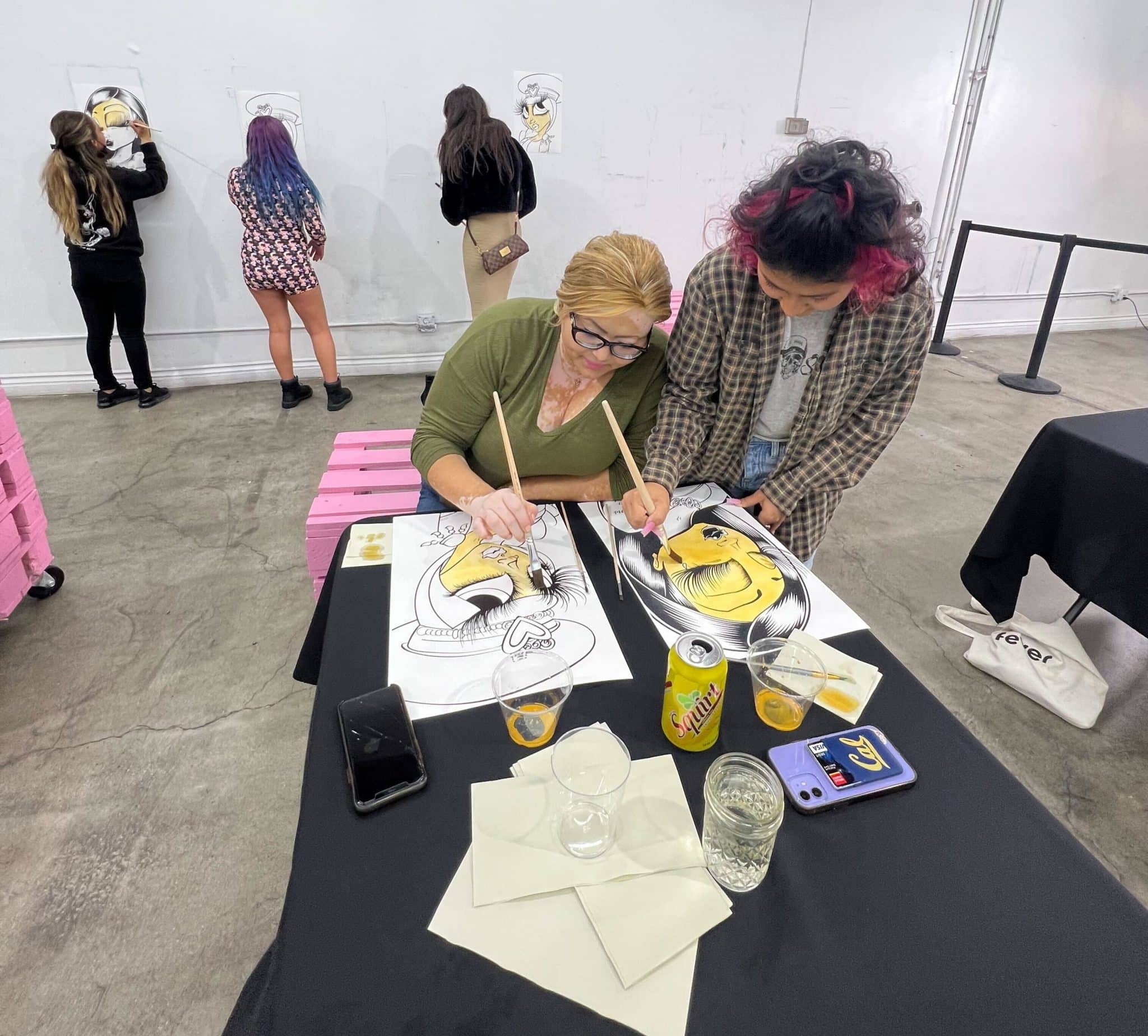
As of 2026, the estimated net worth of the artist and entrepreneur known as Sand One (Karen Alvarado) is approximately $5 million to $8 million. This valuation is the result of her transition from a street-level muralist to a multi-faceted brand mogul, encompassing international commissions, high-margin physical merchandise, digital educational products, and significant brand equity within the Chicano art market.
The Evolution of the Sand One Brand
To understand the financial trajectory of Sand One, one must examine her unique positioning in the contemporary art world. Based in Los Angeles, Karen Alvarado—professionally known as Sand One—has spent over a decade cultivating a brand that blends the grit of street art with the polish of high-end commercial design. Her signature "Sand One Dolls," characterized by their oversized, dramatic eyelashes and bold feminine features, have become a recognizable icon of female empowerment and Latinx identity.
By 2026, Sand One is no longer viewed merely as a muralist but as a case study in self-monetization. Unlike traditional artists who rely on gallery representation and the associated 50% commission fees, Sand One has pioneered a direct-to-consumer (DTC) model. This independence has allowed her to retain a significantly higher percentage of her earnings, fueling the growth of her net worth through reinvestment into her own production lines and digital platforms.
Primary Revenue Streams and Wealth Drivers
The robustness of Sand One’s net worth in 2026 is supported by several distinct vertical markets. Each stream contributes to a diversified financial portfolio that mitigates the risks associated with the often-volatile art market.
1. Mural Commissions and Large-Scale Installations
Murals remain the foundation of her public visibility. By 2026, a standard mural commission for Sand One is estimated to range from $25,000 to $100,000, depending on the size, location, and corporate involvement. Her portfolio includes collaborations with major brands such as Nike, Levi’s, and various automotive giants who seek her out to tap into the "urban-feminine" aesthetic. These high-ticket projects provide significant cash flow and maintain the brand’s cultural relevance.
2. Physical Merchandise and "The Doll" Empire
The most significant contributor to her multi-million dollar net worth is her merchandise line. Sand One has successfully commodified her art into accessible products. Key categories include:
- Signature Pillows: High-demand decor items that often sell out via "drop" marketing.
- Lash Products: Leveraging her art’s focus on eyelashes to enter the beauty industry.
- Apparel and Accessories: Hoodies, bags, and phone cases that turn her fan base into walking advertisements.
- Custom Dolls: Limited edition physical representations of her mural characters, which often appreciate in value on the secondary market.
3. Digital Education and the "Hustle" Philosophy
In the years leading up to 2026, Sand One expanded her reach by selling her business acumen. Through digital courses, E-books, and masterclasses, she teaches aspiring artists how to "hustle" and monetize their creativity without traditional gatekeepers. This "Business of Art" segment is highly profitable because it carries virtually zero marginal cost per unit sold, significantly boosting her overall profit margins.
Financial Breakdown of the Sand One Empire
The following table outlines the estimated distribution of her financial interests as of 2026. These figures represent a blend of liquid assets, business valuations, and projected annual earnings.
| Revenue Category | Estimated Annual Contribution | Percentage of Total Wealth | Growth Factor (2024–2026) |
|---|---|---|---|
| Mural Commissions | $450,000 - $750,000 | 25% | Moderate |
| Direct-to-Consumer Sales | $1,200,000 - $2,000,000 | 45% | High |
| Digital Products/Courses | $300,000 - $500,000 | 15% | Very High |
| Brand Licensing & IP | $250,000 - $400,000 | 10% | Moderate |
| Real Estate & Investments | N/A (Asset Value) | 5% | Stable |
The "Hustle" Business Model: A Technical Deep Dive
The core of Sand One’s financial success is her rejection of the "starving artist" trope. She utilizes a vertical integration strategy that many traditional artists fail to implement. By owning the manufacturing and distribution of her goods, she avoids the middleman.
Scarcity and Demand Generation
Sand One employs a "Drop Culture" strategy similar to high-end streetwear brands like Supreme. By announcing limited-time availability for her pillows or dolls, she creates a sense of urgency that results in rapid sell-outs. This ensures that inventory costs are kept low and cash flow is immediate. This strategy has been a primary driver in her wealth accumulation between 2023 and 2026.
Social Media as a Conversion Funnel
While many artists use social media as a portfolio, Sand One uses it as a direct sales funnel. With a following that exceeds several hundred thousand across Instagram and TikTok, she bypasses traditional advertising costs. The engagement metrics of her core audience—primarily young women and the Latinx community—are exceptionally high, leading to conversion rates that far exceed industry standards for the "Art & Collectibles" category.
Market Positioning and Cultural Capital
Sand One’s net worth is also buoyed by her cultural capital. In the art world, the value of an artist’s work is often tied to their social influence. By positioning herself as a motivational figure and a symbol of self-made success, her brand transcends the physical art.
In 2026, the Chicano art market has seen a surge in institutional interest, which historically increases the valuation of an artist's back catalog. As Sand One’s earlier works become more sought after by collectors, her private collection of her own original pieces contributes significantly to her paper net worth.
Challenges and Financial Risks
Despite her robust financial standing, maintaining a multi-million dollar net worth in 2026 comes with specific challenges:
- IP Protection: As a high-profile artist, Sand One faces constant battles with bootleg merchandise. The legal costs associated with protecting her "doll" trademark can impact net profit.
- Market Saturation: The "hustle" culture market is increasingly crowded. To maintain her $5M+ valuation, she must constantly innovate her product lines to prevent brand fatigue.
- Scalability: Physical murals are time-intensive. To continue growing her wealth, Sand One has had to shift focus toward passive income streams, such as licensing and digital content, to decouple her income from her manual labor.
Historical Context: From 2020 to 2026
The period between 2020 and 2024 was a transformative era for Sand One. During the global shift toward e-commerce, she leaned heavily into her digital presence. While many artists struggled with closed galleries, Sand One’s direct-to-consumer model thrived. By 2025, she had solidified her reputation as a business mogul, often appearing on panels and in business publications discussing the "creator economy." This transition from "street artist" to "creator" is what ultimately propelled her net worth into the upper-tier millions by the start of 2026.
Frequently Asked Questions
What is the primary source of Sand One's wealth?
While she gained fame through murals, the bulk of her wealth in 2026 comes from her direct-to-consumer merchandise business, specifically her signature pillows and limited-edition doll figures. Her digital courses on business also provide a high-margin secondary income stream.
Is Sand One a self-taught artist?
Yes, Sand One is largely self-taught. She often credits her success to her upbringing in East Los Angeles and her inherent "hustle" mentality rather than formal art school training. This narrative is a core component of her brand and contributes to her appeal as a motivational figure.
How much does a Sand One mural cost in 2026?
A custom mural from Sand One currently starts at approximately $25,000 for small commercial spaces and can exceed $100,000 for large-scale corporate installations or international projects. These prices include the artist's fee, materials, and the branding value associated with her name.
Where is Sand One based?
Sand One remains primarily based in Los Angeles, California. Her studio serves as the headquarters for her creative work as well as the logistics hub for her global merchandise distribution.
Does Sand One have a gallery?
Sand One typically operates outside the traditional gallery system. She prefers to host her own pop-up events and sell directly through her website, which allows her to maintain total control over her brand and financial outcomes.
Strategic Recommendation for Aspiring Creators
The success of Sand One offers a blueprint for the modern creator. To replicate even a fraction of her financial success, artists should focus on diversification and ownership. Relying on a single income stream—whether it be commissions or platform-specific ad revenue—is a high-risk strategy. Instead, building a brand that can live on physical products, digital education, and original IP is the most viable path to a multi-million dollar net worth in the 2026 economy.
Investors and collaborators looking at the Sand One brand should recognize that her value lies in her community engagement. Her "net worth" is not just a reflection of her bank account, but of the loyalty and purchasing power of her "doll" fan base.