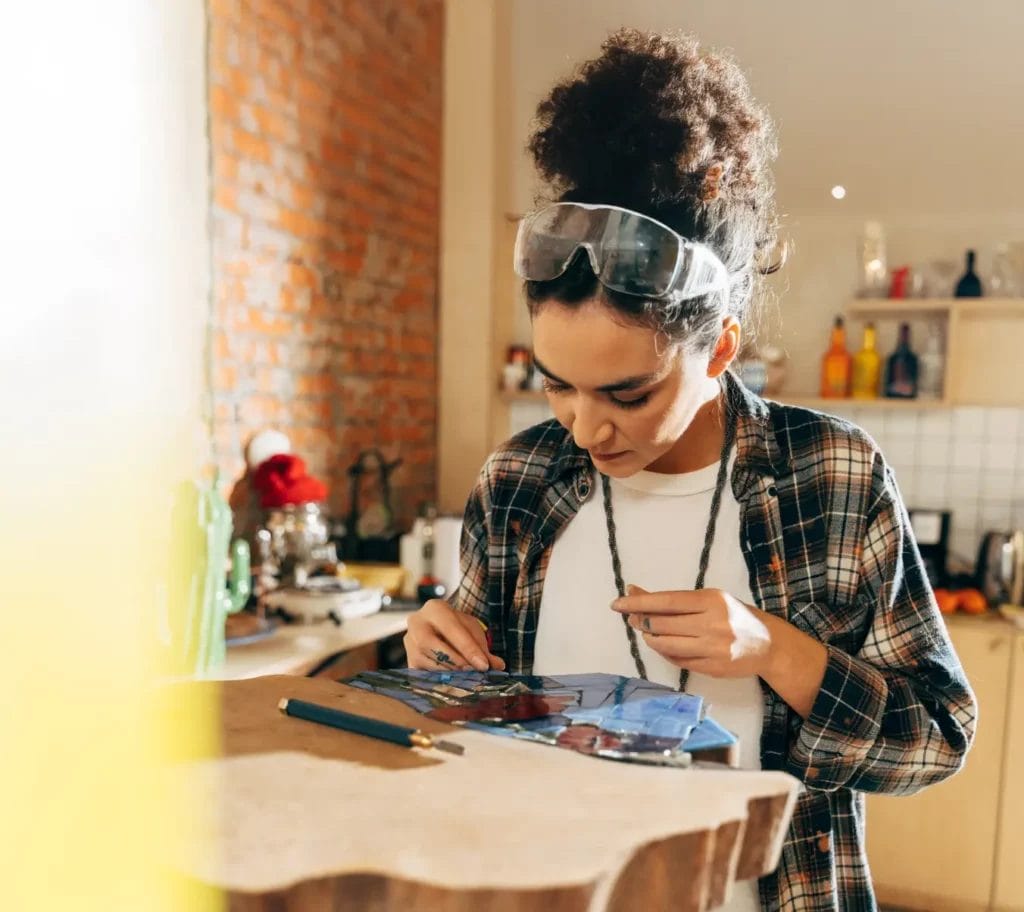
Artists insurance for creators provides specialized financial protection against risks such as equipment damage, professional liability, and studio accidents. In 2026, these policies are essential for creative entrepreneurs to cover intellectual property disputes, physical asset loss, and third-party injuries, ensuring a single legal or physical setback does not end a professional creative career.
The creative landscape has evolved significantly. Whether you are a traditional painter, a digital content creator, a freelance designer, or a specialized maker, your work involves unique risks that standard homeowners or renters insurance policies typically exclude. As of 2026, the "creator economy" has matured into a regulated professional sector where contracts often mandate specific insurance benchmarks. This guide explores the depths of artists insurance, identifying what you need, why you need it, and how to navigate the complexities of coverage.
The Necessity of Specialized Insurance for Creators
Many creators operate under the misconception that their existing personal insurance—such as a homeowners or renters policy—covers their professional activities. However, most personal policies explicitly exclude business-related equipment and liability. If a client trips in your home studio or a fire destroys $20,000 worth of specialized digital workstations, a personal policy will likely deny the claim.
Artists insurance bridges this gap by addressing the "creative-specific" hazards of the trade. These include the transportation of delicate works (Inland Marine coverage), the high value of specialized tools, and the professional risks associated with delivering work to clients. In an era where creators are increasingly viewed as small businesses, having a dedicated policy is a prerequisite for professional legitimacy.
Core Types of Coverage for Artists and Creators
Navigating the insurance market requires an understanding of specific policy components. Most creators do not need every type of insurance available, but most will require a combination of the following four pillars.
1. General Liability Insurance
General liability is the foundation of any business insurance portfolio. It protects you against "slip and trip" accidents and third-party property damage.
- Studio Risks: If you host clients, students, or collaborators in your studio, general liability covers medical expenses and legal fees if someone is injured on your premises.
- Off-site Coverage: For muralists, installation artists, or creators who work on-site at a client’s location, this coverage follows you. If you accidentally damage a client’s flooring while installing a piece, general liability covers the repairs.
- Exhibition and Fair Requirements: Most galleries, art fairs, and conventions in 2026 require proof of general liability insurance (often a minimum of $1,000,000 per occurrence) before allowing you to set up a booth or hang work.
2. Professional Liability (Errors and Omissions)
For creators who provide services or advice—such as graphic designers, illustrators, or creative consultants—Professional Liability (also known as E&O) is critical. This coverage protects you against claims of negligence, inaccuracies, or failure to deliver a promised service.
In 2026, the rise of digital assets and complex licensing agreements has made E&O more relevant than ever. If a client sues you because a logo you designed allegedly resembles an existing trademark, or if a delay in your delivery causes a client significant financial loss, E&O insurance covers your legal defense and any resulting settlements.
3. Business Personal Property (BPP) and Equipment Insurance
Creators often own expensive, specialized equipment. This includes high-end cameras, 3D printers, specialized kilns, or powerful computing rigs for rendering.
- Replacement Cost vs. Actual Cash Value: It is vital to ensure your policy covers the "Replacement Cost." This ensures that if your three-year-old camera is stolen, the insurance company pays for a new equivalent model, rather than the depreciated value of the old one.
- Inland Marine Coverage: Despite the name, this has nothing to do with the ocean. It is a technical term for coverage that protects your equipment and finished art while it is in transit. If you are shipping a $5,000 painting to a buyer and it is damaged in a truck accident, Inland Marine is what covers the loss.
4. Intellectual Property (IP) Insurance
As we move through 2026, Intellectual Property insurance has become a standalone priority. Creators are increasingly facing challenges regarding copyright infringement—both defending their own work and defending themselves against claims from larger entities. IP insurance can cover the legal costs of pursuing "cease and desist" orders or defending against "trolls" who claim your creative output infringes on their patents or copyrights.
Specialized Coverage for Makers and Crafters
If your "art" involves physical products—such as jewelry, furniture, or skincare—you face Product Liability risks. Product liability covers you if a product you created causes bodily harm or property damage to a consumer. For example, if a handmade candle explodes or a piece of jewelry causes a severe allergic reaction due to an undisclosed metal, product liability handles the legal and medical repercussions.
Determining Your Insurance Needs by Creator Type
The insurance needs of a YouTuber are vastly different from those of a sculptor. The following table provides a breakdown of common creator roles and the recommended insurance priorities for 2026.
| Creator Type | Primary Insurance Need | Secondary Insurance Need | Key Risk Factor |
|---|---|---|---|
| Digital Illustrator | Professional Liability (E&O) | Cyber Liability | Copyright infringement claims |
| Studio Painter | General Liability | Business Personal Property | Studio fire or visitor injury |
| Content Creator | Cyber/Media Liability | Equipment Insurance | Defamation or equipment theft |
| Muralist/Installer | General Liability (High Limit) | Workers' Comp (if hiring) | Working on third-party property |
| Craft/Maker | Product Liability | Inland Marine | Injuries caused by physical goods |
| Art Instructor | General Liability | Professional Liability | Student injuries during classes |
The Cost of Artists Insurance in 2026
Insurance premiums for creators are generally affordable compared to other industries, but they vary based on your annual revenue, the value of your equipment, and your location.
- Basic General Liability: For a solo creator, a basic policy may cost between $300 and $600 per year.
- Business Owner’s Policy (BOP): Many insurers offer a "BOP," which bundles general liability and business property insurance. These packages typically range from $500 to $1,200 per year and offer better value than buying policies separately.
- Short-term/Event Insurance: If you only need coverage for a single three-day art fair, you can often find policies for as low as $50 to $150.
Factors that can increase your premiums include specialized risks (such as working with hazardous materials or heavy machinery), high-value inventory (over $100,000), or a history of previous claims.
Prerequisites for Applying
Before you contact an insurance broker or use an online platform, you should have the following information prepared. Having these details ready will speed up the underwriting process and ensure you get an accurate quote.
- Inventory List: A detailed spreadsheet of your equipment, including serial numbers and original purchase prices.
- Revenue Projections: Most insurers ask for your estimated gross annual revenue, as this acts as a proxy for the volume of your business risk.
- Contract Examples: If you work with large clients, have your standard contracts ready. Insurers may want to see if you have "indemnification clauses" that protect you.
- Studio Details: You will need to provide information about your workspace, including its age, square footage, and proximity to fire hydrants.
Choosing a Provider
In 2026, creators have two main paths for securing insurance: specialized niche providers and general commercial insurers.
- Niche Providers: Organizations like ACT Insurance or Fractured Atlas cater specifically to the arts community. They often offer "per-event" policies and understand the specific nuances of an artist's lifestyle.
- General Commercial Insurers: Companies like Hiscox or Next Insurance provide highly customizable digital-first policies. These are often best for digital creators or those with significant professional liability needs.
When choosing, look for an A-rated carrier (via A.M. Best) to ensure the company has the financial stability to pay out claims.
Common Mistakes When Buying Artists Insurance
Even with the best intentions, many creators make errors that leave them underinsured or result in denied claims.
- Under-reporting Revenue: While it might be tempting to report lower earnings to save on premiums, this can lead to "underinsurance penalties" if you need to file a claim.
- Ignoring the "Work Away" Clause: Some basic studio policies only cover you within the four walls of your studio. If you take your gear to a coffee shop or a park to work, ensure your policy includes "Off-premises coverage."
- Failing to Update Inventory: If you buy a new $4,000 laser cutter, you must add it to your policy immediately. Unlisted items may not be covered in the event of a total loss.
- Assuming Employees are Covered: General liability does not cover your employees if they are injured on the job. For that, you need Workers’ Compensation insurance, which is legally required in most jurisdictions if you have even one employee.
How to File a Claim Effectively
If a disaster occurs, the speed and accuracy of your response will determine the success of your claim.
- Mitigate Further Damage: If a pipe bursts, move your art and equipment to a dry area immediately. Insurers expect you to take reasonable steps to prevent more loss.
- Document Everything: Take photos and videos of the damage before you clean up.
- File a Police Report: If the loss involves theft or vandalism, a police report is almost always required by the insurance company.
- Keep Receipts: If you have to rent temporary equipment or move to a temporary studio, keep all receipts. These may be covered under "Business Interruption" or "Extra Expense" clauses.
Frequently Asked Questions
Does my renters insurance cover my art supplies?
Generally, no. Renters insurance typically covers personal belongings up to a certain limit but usually excludes "business property." If you sell your work or earn a living from your art, your supplies are considered business property and require a commercial rider or a separate artists policy.
What is a Certificate of Insurance (COI) and why do I need one?
A COI is a one-page document issued by your insurance company that proves you have active coverage. You will frequently be asked for this by gallery owners, event organizers, or corporate clients before you can begin work or occupy a space.
Can I get insurance if I only do art as a side hustle?
Yes. Many providers offer "hobbyist" or "part-time creator" policies that are less expensive than full-scale commercial insurance but still provide essential liability and equipment protection.
Does artists insurance cover my work if it's damaged during shipping?
Only if you have Inland Marine or specific "Transit" coverage. Standard shipping insurance from carriers like FedEx or UPS often has low limits and many exclusions for "one-of-a-kind" fine art. Specialized Inland Marine coverage is the safest way to insure high-value pieces during transport.
Are digital files and NFTs covered under these policies?
As of 2026, many creators insurance policies now include or offer add-ons for Cyber Liability and Data Loss. This can cover the cost of recovering lost digital files due to server failure or hacking, but the "market value" of NFTs or crypto-assets is rarely covered due to their volatility.
Final Steps for Creators
Securing insurance should be viewed as a foundational step in your business growth, not just another bill. Start by conducting a thorough audit of your equipment and identifying your primary points of contact with the public. If you participate in physical events, a General Liability policy is your first priority. If you work primarily in the digital realm for clients, prioritize Professional Liability.
By 2026 standards, being an "uninsured creator" is a high-stakes gamble that can be avoided for a relatively low monthly cost. Consult with a broker who specializes in the creative arts to tailor a policy that grows alongside your career.