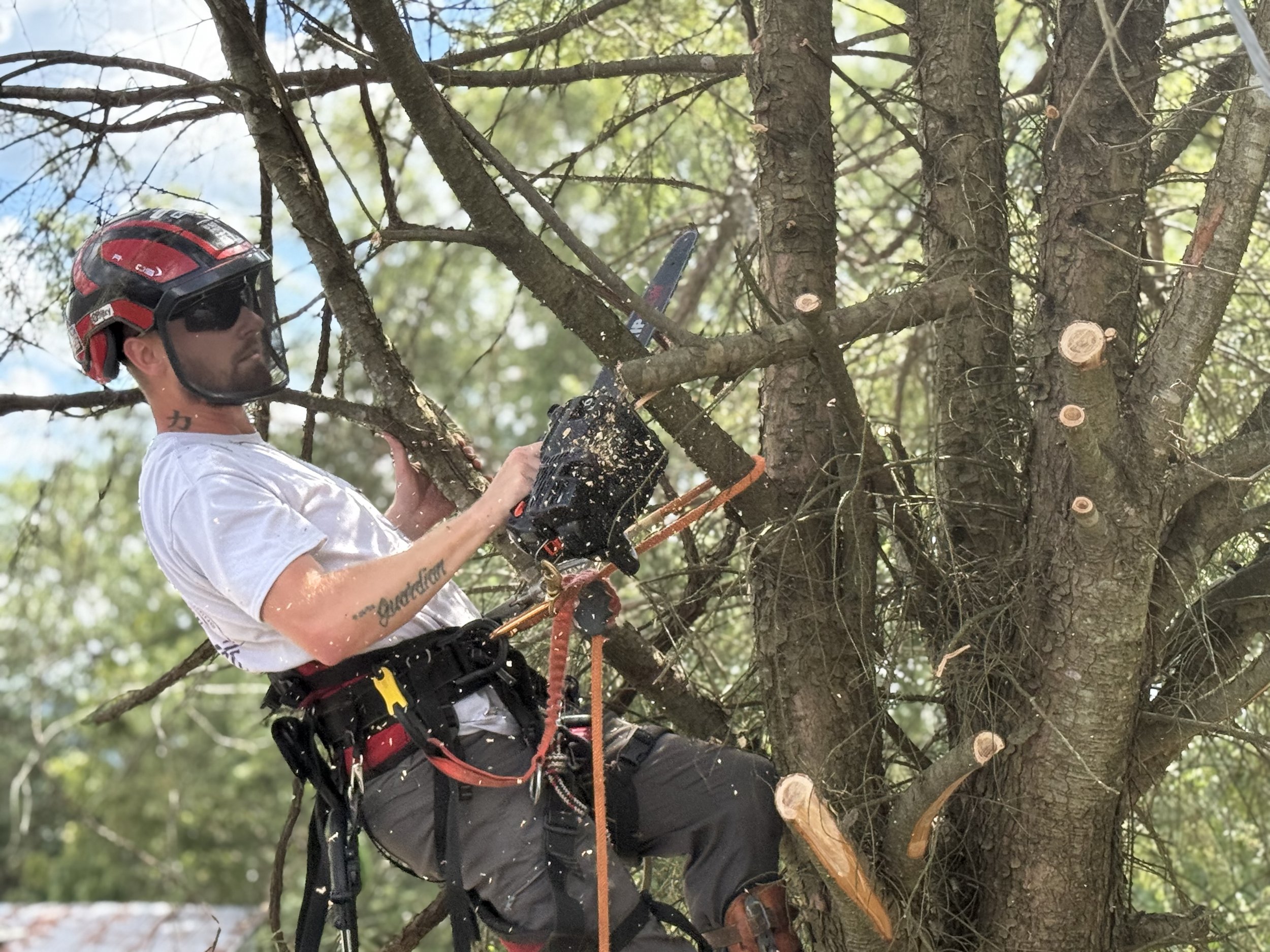
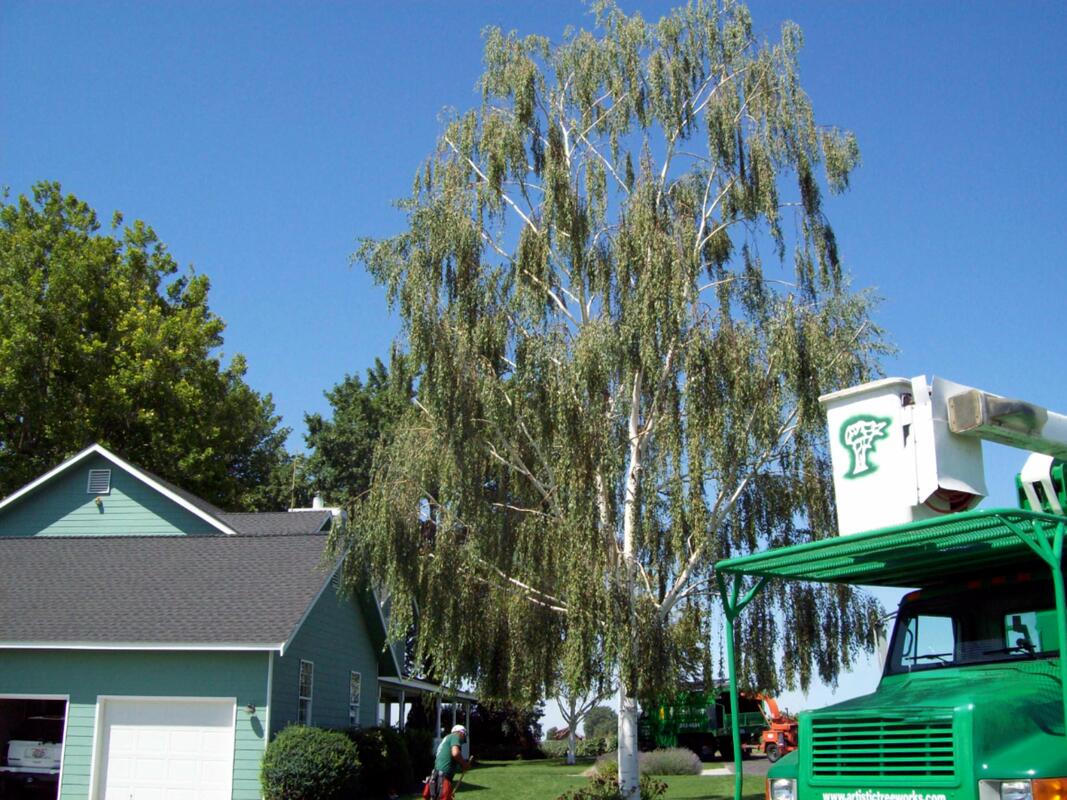
Artistic Treeworks provides comprehensive, professional tree care services throughout the Tri-Cities, including Kennewick, Richland, and Pasco. Known for their long-standing reputation and specialized arborist expertise, they focus on structural pruning, safe tree removal, and long-term plant health management tailored to the unique high-wind climate of the Columbia Basin.
The Significance of Professional Tree Care in the Columbia Basin
Maintaining a healthy urban canopy in the Tri-Cities (Kennewick, Pasco, and Richland) presents unique challenges that differ significantly from the coastal regions of the Pacific Northwest. In 2026, the demand for specialized arboriculture has intensified as the region’s mature trees face the combined pressures of historical drought cycles, alkaline soil profiles, and the high-velocity wind events characteristic of the Columbia River gorge.
Artistic Treeworks has established itself as a cornerstone of the local community by addressing these specific environmental stressors. Unlike general landscaping services, professional tree care focuses on the biological health and structural integrity of the tree. In the Tri-Cities, where soil is often sandy and lacking in organic matter, trees require specific nutrient management and strategic irrigation to thrive. Furthermore, the prevalence of species such as Silver Maples, Siberian Elms, and various Pines—many of which were planted decades ago during the region's initial expansion—means that much of the local canopy is now entering a stage of "mature decline," requiring expert intervention to remain safe and aesthetically pleasing.
Core Services and Technical Expertise
Professional tree care is an intersection of biological science and physical engineering. Artistic Treeworks utilizes modern arboricultural standards to ensure that every cut made contributes to the long-term viability of the specimen.
Precision Pruning and Structural Thinning
Pruning is the most common tree maintenance procedure, yet it is often misunderstood. In the Tri-Cities, proper pruning is essential for wind resistance. Structural thinning involves the selective removal of branches to increase light penetration and air movement through the crown. This reduces the "sail effect" during windstorms, significantly lowering the risk of limb failure or entire tree uprooting.
Standard practices followed by reputable arborists include:
- Crown Cleaning: The removal of dead, dying, diseased, or weakly attached branches.
- Crown Reduction: Reducing the height or spread of a tree, often to clear utility lines or structures, while maintaining the tree's natural form.
- Crown Raising: Removing lower branches to provide clearance for pedestrians, vehicles, or views.
It is critical to avoid "topping," an injurious practice where the top of the tree is sheared off. Topping leads to rapid, weak regrowth (epicormic sprouts) and increases the risk of decay. Professional firms like Artistic Treeworks adhere to ANSI A300 standards, ensuring that pruning promotes healing rather than inviting pests.
Technical Tree Removal and Hazard Mitigation
While the goal of an arborist is to preserve trees, removal is sometimes the only responsible option. Trees that are dead, dying, or structurally unstable pose a significant liability to homeowners and commercial property managers.
Technical removal in urban environments requires advanced rigging techniques to lower heavy wood safely without damaging surrounding structures, landscapes, or underground utilities. In 2026, the use of specialized equipment—such as compact lifts and high-capacity chippers—allows for efficient removal even in confined residential backyards. Following removal, stump grinding is utilized to clear the site, allowing for the replanting of more appropriate species or the installation of new landscaping.
Plant Health Care (PHC) and Diagnostics
Beyond physical labor, long-standing tree care involves diagnostic expertise. The Tri-Cities region faces specific pest and disease pressures, including the Bronze Birch Borer and various fungal pathogens that thrive in irrigated landscapes. A professional arborist evaluates the "site conditions"—soil pH, drainage, and competition—to develop a Plant Health Care plan. This may include deep-root fertilization to bypass the compacted surface soils often found in newer Tri-Cities developments, or systemic injections to treat infestations without the need for broad-spectrum spraying.
Why "Artistic" Tree Care Matters: The Intersection of Science and Aesthetics
The name "Artistic Treeworks" reflects a philosophy that extends beyond mere maintenance. Aesthetics in arboriculture is not about making a tree look "manicured" like a hedge; it is about revealing and enhancing the natural architecture of the species.
When a tree is pruned artistically, the result should look as though the tree has never been touched. This requires a deep understanding of apical dominance and how different species respond to specific types of cuts. For example, an Oak requires a vastly different approach than a Weeping Willow. By balancing the weight of the canopy and maintaining a strong central leader, an arborist ensures the tree is both a visual asset to the property and a structurally sound organism.
In 2026, property values in the Tri-Cities remain closely tied to mature landscaping. A well-maintained canopy can increase residential property value by 7% to 19%. Conversely, poorly maintained or "topped" trees are often viewed as a future liability by home inspectors and savvy buyers.
Comparison of Tree Care Service Levels
Choosing the right level of service depends on the age, health, and location of your trees. The following table outlines the standard service tiers provided by professional arborist firms in the region.
| Service Tier | Primary Objective | Key Activities | Frequency |
|---|---|---|---|
| Preventative Maintenance | Longevity & Safety | Structural pruning, deadwood removal, site assessment. | Every 2–4 years. |
| Plant Health Care (PHC) | Disease & Pest Control | Soil testing, fertilization, systemic pest treatments. | Annual or bi-annual. |
| Hazard Mitigation | Risk Reduction | Bracing, cabling, selective weight reduction of heavy limbs. | As identified by inspection. |
| Emergency Services | Storm Recovery | Removal of fallen limbs, stabilizing "hangers" after high winds. | Reactive/Immediate. |
| Removal & Restoration | Site Clearing | Felling, rigging, stump grinding, and debris hauling. | As needed for dead/dying trees. |
Safety, Insurance, and Local Regulations
Tree work is consistently ranked among the most dangerous professions in the United States. When hiring a long-standing company like Artistic Treeworks in the Tri-Cities, verification of safety credentials and insurance is paramount.
Licensing and Bonding
In Washington State, all contractors must be licensed and bonded. This protects the homeowner from incomplete work or damage to the property. However, standard contractor licensing does not guarantee arboricultural knowledge. Property owners should verify that the company employs ISA Certified Arborists, which indicates a high level of training and a commitment to continuing education in the field.
Workers' Compensation and Liability
Liability insurance is essential to cover damage to the home or neighboring properties. More importantly, homeowners should ensure the company carries Labor & Industries (L&I) insurance for all employees. If an uninsured worker is injured on your property, the homeowner can be held legally and financially responsible for medical costs and lost wages.
Local Municipal Codes
The cities of Kennewick, Richland, and Pasco have specific ordinances regarding "street trees" (trees planted in the public right-of-way between the sidewalk and the curb). In many cases, property owners are responsible for the maintenance of these trees but must adhere to city guidelines regarding pruning height and species selection. Artistic Treeworks' familiarity with these local codes prevents homeowners from incurring municipal fines for improper maintenance.
Navigating Seasonal Tree Care in the Tri-Cities
The timing of tree care is critical for the health of the plant. In the 2026 climate, the following seasonal guide is recommended:
- Winter (Dormant Season): This is the ideal time for most structural pruning. Without leaves, the arborist can clearly see the branch structure. It also minimizes the risk of spreading certain diseases that are active during warmer months.
- Spring: Focus on health assessments as the trees "leaf out." This is the time to identify deadwood that didn't survive the winter and to begin pest management programs.
- Summer: The primary concern is irrigation management. Arborists often assist in adjusting watering schedules to ensure deep-root saturation, which is vital during the 100°F+ heatwaves common in the Columbia Basin.
- Fall: A time for "wind-firming." Preparing trees for the high winds of late autumn and winter by thinning dense canopies.
Frequently Asked Questions
Do I need a permit to remove a tree in the Tri-Cities?
In most residential cases on private property in Kennewick, Pasco, and Richland, a permit is not required for removal. However, if the tree is a designated "street tree" within the city right-of-way or if the property is part of a Homeowners Association (HOA), specific approvals are often mandatory. It is always best to check your HOA bylaws and the local municipal code before proceeding.
How much does professional tree removal cost in 2026?
Costs vary significantly based on the tree's size, its proximity to structures, and the complexity of the rigging required. A small, accessible tree might cost $500–$1,000, while a large, hazardous tree requiring a crane and intricate rigging can exceed $3,000–$5,000. Artistic Treeworks and similar firms typically provide a written estimate after an on-site evaluation to ensure all safety factors are accounted for.
What is the difference between a tree trimmer and an arborist?
A "tree trimmer" generally refers to someone who performs the physical labor of cutting branches, often without formal training in tree biology. An "arborist," particularly one who is ISA Certified, is a specialist in the care and maintenance of individual trees. They understand the biological response of the tree to every cut and are trained to identify diseases and structural defects that a general laborer might miss.
Can a damaged tree be saved through cabling or bracing?
Yes, in many cases. If a tree has a "co-dominant stem" (two main trunks) with a weak attachment, an arborist can install high-strength steel cables or through-bolts to provide supplemental support. This does not make the tree "safe," but it significantly reduces the probability of failure, allowing you to retain a mature specimen that would otherwise need removal.
Why is my birch tree dying from the top down?
In the Tri-Cities, this is frequently a sign of the Bronze Birch Borer. This wood-boring beetle attacks trees stressed by heat and drought. Once the "dieback" begins at the top, the tree is in serious trouble. A professional arborist can often treat the tree with systemic insecticides if the damage is less than 30-40% of the canopy.
Practical Recommendation for Homeowners
When managing trees on your property, the most cost-effective strategy is proactive maintenance. Waiting until a branch falls on a roof or a tree shows signs of severe decline often leads to much higher costs for emergency removal and property repair.
If you have mature trees in the Tri-Cities, schedule a consultation with a certified arborist from a long-standing firm like Artistic Treeworks. Ask for a "Priority Risk Assessment" to identify which trees require immediate attention and which can be managed over a multi-year plan. This approach spreads out the cost of maintenance while ensuring the safety and beauty of your landscape for years to come.