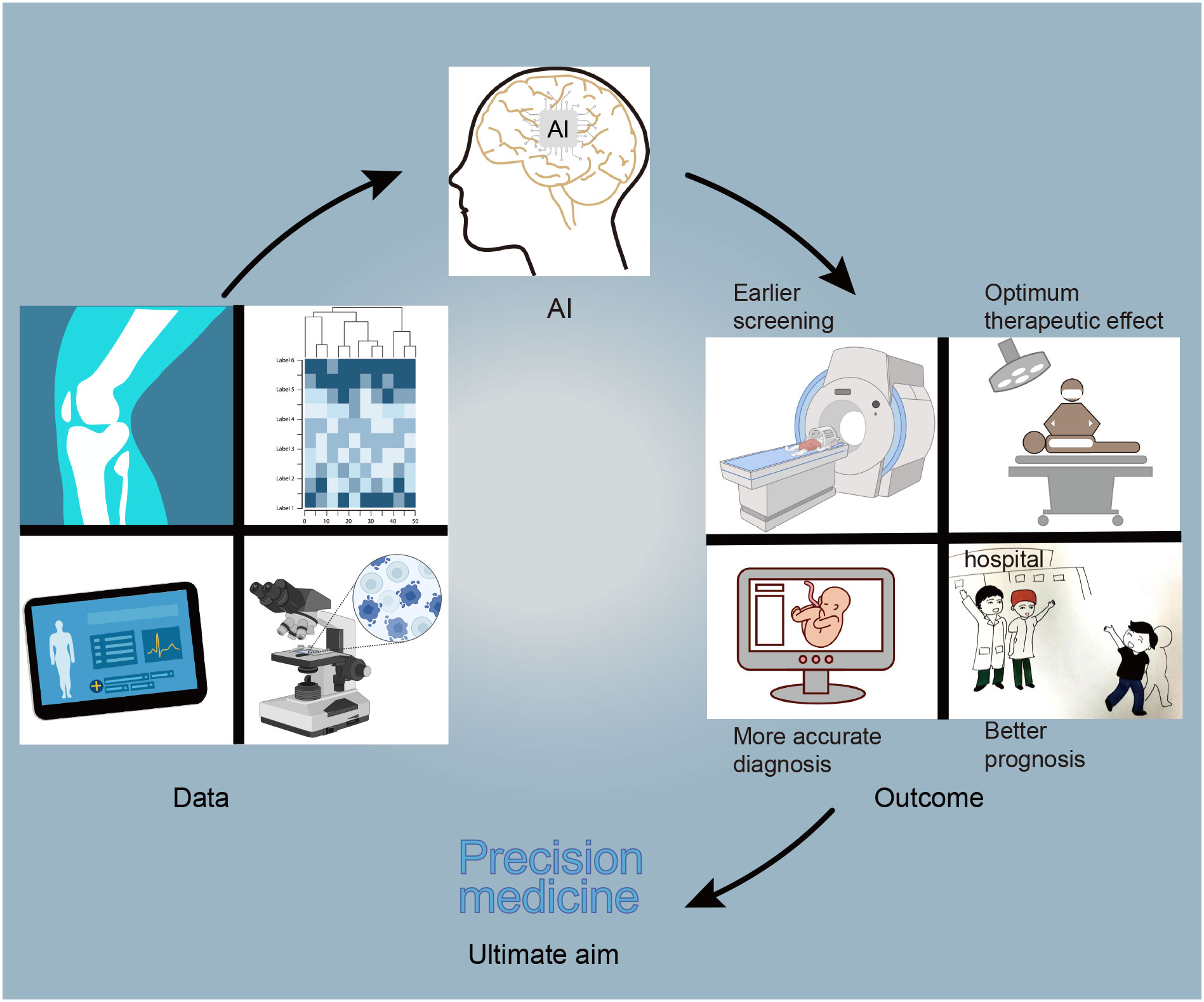
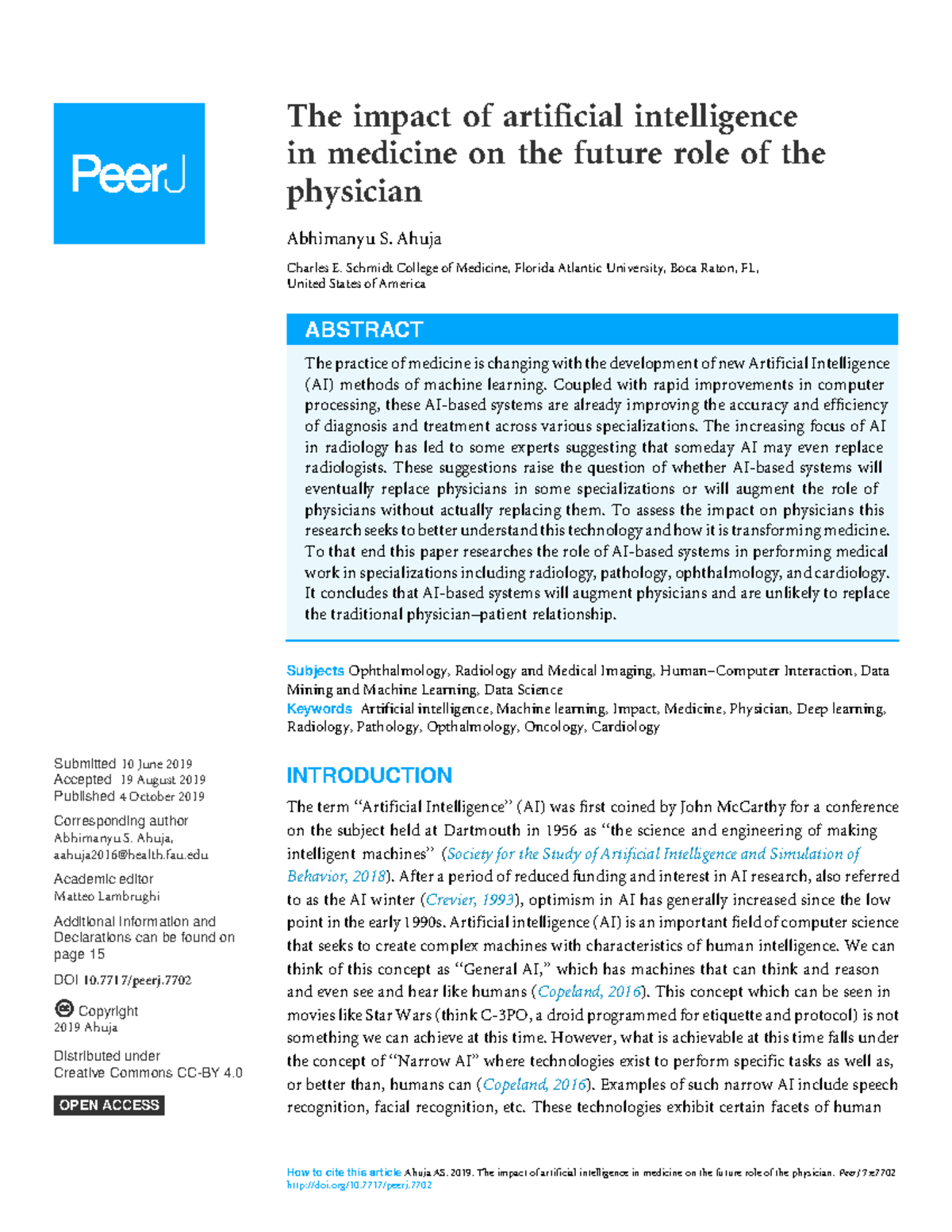
The Impact Factor (IF) of journals focusing on artificial intelligence in medicine serves as a primary metric for institutional prestige, funding eligibility, and academic promotion. In 2026, while the IF remains a dominant benchmark for assessing the "influence" of a publication, it is frequently misinterpreted as a direct measure of individual paper quality or clinical utility. Understanding the nuances between bibliometric myths and the factual reality of AI-driven medical research is essential for clinicians, researchers, and data scientists navigating the current peer-review landscape.
The Evolution of Impact Factors in AI-Driven Healthcare
As of 2026, the intersection of computer science and clinical medicine has created a unique bibliometric phenomenon. Traditionally, medical journals such as The New England Journal of Medicine (NEJM) or The Lancet held the highest impact factors due to their broad clinical relevance and massive readership. However, specialized journals focusing on artificial intelligence in medicine have seen a meteoric rise in their metrics.
The Impact Factor, calculated by Clarivate’s Journal Citation Reports (JCR), represents the average number of citations received by articles published in a journal within the preceding two years. In the rapidly evolving AI sector, the citation cycle is much shorter than in traditional surgery or anatomy. This leads to a higher "velocity" of citations, which naturally inflates the IF of AI-centric titles.
For a researcher in 2026, the question is no longer just "How high is the IF?" but rather "What does this number represent in the context of algorithmic validation and clinical safety?" To answer this, we must dismantle the common misconceptions that plague academic discourse.
Myth vs. Fact: Decoding Bibliometric Misconceptions
The prestige of a journal often creates a halo effect around every article it contains. In the niche of medical AI, where "state-of-the-art" (SOTA) models are superseded monthly, the reliance on journal-level metrics can be particularly misleading.
Myth 1: A High Impact Factor Guarantees the Clinical Reliability of an AI Model
It is widely assumed that if an AI diagnostic tool is published in a journal with an IF of 30 or higher, the tool is ready for bedside implementation.
The Fact: Impact Factor measures citation activity, not clinical safety or algorithmic robustness. A paper may be highly cited because it proposes a novel (yet unproven) architecture, or even because it is a controversial study that others are citing to debunk. In 2026, many of the most cited AI papers focus on "benchmark performance" on static datasets (like ImageNet or specialized medical subsets) which do not always translate to "real-world performance" in a hospital setting with diverse patient demographics.
Myth 2: AI Journals with Lower IFs Provide Lower Quality Research
Researchers often overlook journals with an IF between 3 and 7, assuming they are "second-tier" venues for rejected work.
The Fact: In the specialized domain of AI in medicine, niche journals often provide more rigorous technical peer review. While a general medical journal might focus on the clinical outcome, a specialized engineering or informatics journal—despite a lower IF—will scrutinize the data leakage, overfitting, and hyperparameter tuning of the AI model. For a technical developer, a publication in a lower-IF but high-rigor journal like the Journal of Biomedical Informatics may hold more professional weight than a brief report in a high-IF generalist title.
Myth 3: The Impact Factor is the Only Metric That Matters for Tenure and Promotion
Many early-career researchers believe that "IF or bust" is the only rule for career advancement in 2026.
The Fact: The academic world has shifted toward "Responsible Metrics." Initiatives like the Declaration on Research Assessment (DORA) have gained significant ground. In 2026, hiring committees increasingly look at the h-index, Altmetrics (social media impact and news mentions), and the Article Influence Score. Furthermore, for AI researchers, "Code Availability" and "Reproducibility Scores" are becoming as important as the IF of the journal where the work resides.
The 2026 Landscape: Comparing Top AI and Medical Journals
To navigate the field, it is helpful to categorize journals by their focus and their current standing in the 2025–2026 citation cycle. The following table provides a snapshot of how different publication venues compare in the realm of AI-integrated medicine.
| Journal Name | Focus Area | 2025-2026 Est. Impact Factor | Peer Review Priority |
|---|---|---|---|
| Nature Medicine | Clinical breakthroughs & high-level AI policy | 80.0+ | Clinical impact & novelty |
| The Lancet Digital Health | Large-scale clinical trials of AI interventions | 35.0 - 45.0 | Public health & trial rigor |
| Medical Image Analysis | Computer vision & radiology algorithms | 12.0 - 15.0 | Technical & mathematical depth |
| Artificial Intelligence in Medicine | Theory and methodology of AI in healthcare | 7.5 - 9.0 | Methodological innovation |
| IEEE Journal of Biomedical and Health Informatics | Wearables, IoT, and signal processing | 7.0 - 8.5 | Engineering & hardware integration |
| Journal of the American Medical Informatics Association (JAMIA) | Health IT, EHRs, and clinical NLP | 6.5 - 8.0 | Implementation & informatics |
Factors Driving IF Inflation in AI Research
The current high impact factors in the AI sub-sector are driven by several structural factors that are often mistaken for "quality" increases.
- Citation Density: AI papers tend to have longer reference lists than classical case reports, increasing the total pool of citations available to be distributed among journals.
- Pre-print Culture: The 2026 standard involves releasing papers on servers like arXiv or medRxiv before formal publication. This builds "citation momentum" early, so that by the time the paper is officially published and enters the IF window, it is already being cited by dozens of subsequent works.
- Review Articles: Journals that publish a high volume of AI "state-of-the-art" reviews see massive IF boosts. Reviews are cited significantly more than original research, which can artificially inflate a journal's IF without reflecting the quality of the original primary data it publishes.
Technical Depth: How to Evaluate an AI Paper Beyond the IF
When reading research in 2026, clinicians and data scientists should use a "Technical Evidence Gate" rather than relying on the journal's prestige. A high IF does not exempt a paper from these requirements:
External Validation
A fact-based evaluation of an AI paper requires looking for external validation. Did the authors test their model on a completely different hospital's data? High-IF journals occasionally publish "proof of concept" studies that fail when moved to a different geographic location. If the study lacks external validation, the IF of the journal is irrelevant to its clinical utility.
Explainability and Transparency
The "Black Box" problem remains a central challenge. In 2026, high-quality AI research must include SHAP (SHapley Additive exPlanations) values, saliency maps, or other interpretability frameworks. If a high-IF journal publishes a "black box" model without explaining why the AI made a decision, its impact on the field is often more hype than substance.
Data Diversity and Bias Reporting
A critical fact often obscured by high IFs is the presence of demographic bias. A model trained on a 90% Caucasian dataset might receive thousands of citations (driving up the IF) but remain functionally useless—or even harmful—for a global population. Readers must check the "Methods" section for a "Diversity Statement" or "Bias Audit," regardless of the journal's rank.
The Rise of AI-Specific Bibliometrics
By 2026, the limitations of the traditional Impact Factor have led to the adoption of more specialized metrics. These provide a more factual representation of an AI paper's value:
- Source Normalized Impact per Paper (SNIP): This adjusts for the fact that citation rates vary across fields (e.g., AI vs. Geriatrics).
- The "Clinical Utility Score": A burgeoning metric in 2026 that tracks how many times an AI paper is cited in clinical practice guidelines rather than just other research papers.
- Code Reproducibility Badge: Journals like Nature and IEEE now often include a badge indicating that the AI code has been verified by an independent reviewer—a fact far more important for the progress of science than the IF.
Navigating Predatory AI Journals
With the explosion of interest in artificial intelligence, "predatory" journals have become more sophisticated. In 2026, some of these journals fabricate their Impact Factors or use "look-alike" metrics (e.g., "Global Impact Factor") to deceive researchers.
Facts to Verify to Avoid Predatory Venues:
- Check the Master Journal List by Clarivate to ensure the IF is legitimate.
- Verify if the journal is indexed in PubMed/MEDLINE.
- Look for the journal's presence in the Committee on Publication Ethics (COPE).
- Be wary of "AI" journals that promise a peer-review turnaround of less than two weeks; rigorous AI review requires deep technical auditing that cannot be done in such a short timeframe.
Frequently Asked Questions
Does a higher Impact Factor mean the AI model is FDA-cleared?
No. There is no correlation between a journal's Impact Factor and regulatory clearance. FDA (or EMA) clearance requires a specific regulatory submission process involving clinical trials and safety audits that go far beyond the scope of a standard peer-reviewed article. Many FDA-cleared algorithms were originally published in mid-tier journals.
Why do AI journals have higher IFs than traditional surgical journals?
AI is a "horizontal" technology that impacts every medical specialty (radiology, cardiology, oncology, etc.). This leads to "cross-disciplinary citation." A radiology AI paper might be cited by computer scientists, oncologists, and medical ethicists, whereas a new surgical technique for the gallbladder is mostly cited by general surgeons. This broader citation base naturally elevates the IF.
Should I only cite papers from high-IF journals in my own AI research?
Strictly speaking, no. You should cite the most relevant and methodologically sound work. In 2026, citing a "foundational" paper from an archival computer science conference (like NeurIPS or CVPR) is often more appropriate than citing a secondary medical journal, even if the conference doesn't have a traditional "Impact Factor."
How often are Impact Factors updated?
Impact Factors are released annually, typically in June or July, reflecting the citation data from the previous year. For example, the 2025 Impact Factors were released in mid-2026. This means the IF is always a "lagging indicator" of a journal's current influence.
Is the H-index better than the Impact Factor for AI researchers?
The H-index measures an individual's productivity and impact, whereas the Impact Factor measures a journal. For AI researchers, who often publish in conferences as much as journals, the Google Scholar h-index is often considered a more factual representation of their standing in the community than the IF of the journals they occasionally publish in.
Practical Recommendation for 2026
When evaluating research or selecting a publication venue in the field of artificial intelligence in medicine, do not use the Impact Factor as a proxy for truth. Instead, adopt a multi-metric approach:
- Verify the IF via official Clarivate sources to avoid predatory journals.
- Scrutinize the technical methodology (data leakage, external validation, and bias audits) regardless of the journal's rank.
- Prioritize journals with high "Data Transparency" standards, as these are more likely to host reproducible and clinically useful AI research.
- Balance your reading between high-IF clinical journals (for impact) and lower-IF technical journals (for algorithmic depth).
By treating the Impact Factor as one of many data points rather than the ultimate verdict on quality, stakeholders in the medical AI ecosystem can make better-informed decisions that lead to safer and more effective clinical implementations.