Artificialism in Piaget’s theory is the cognitive tendency of young children to believe that natural objects and environmental phenomena are the products of human creation or divine activity. This belief, common during the preoperational stage (ages 2 to 7), suggests that everything in the world was "made" for a specific human-centric purpose.
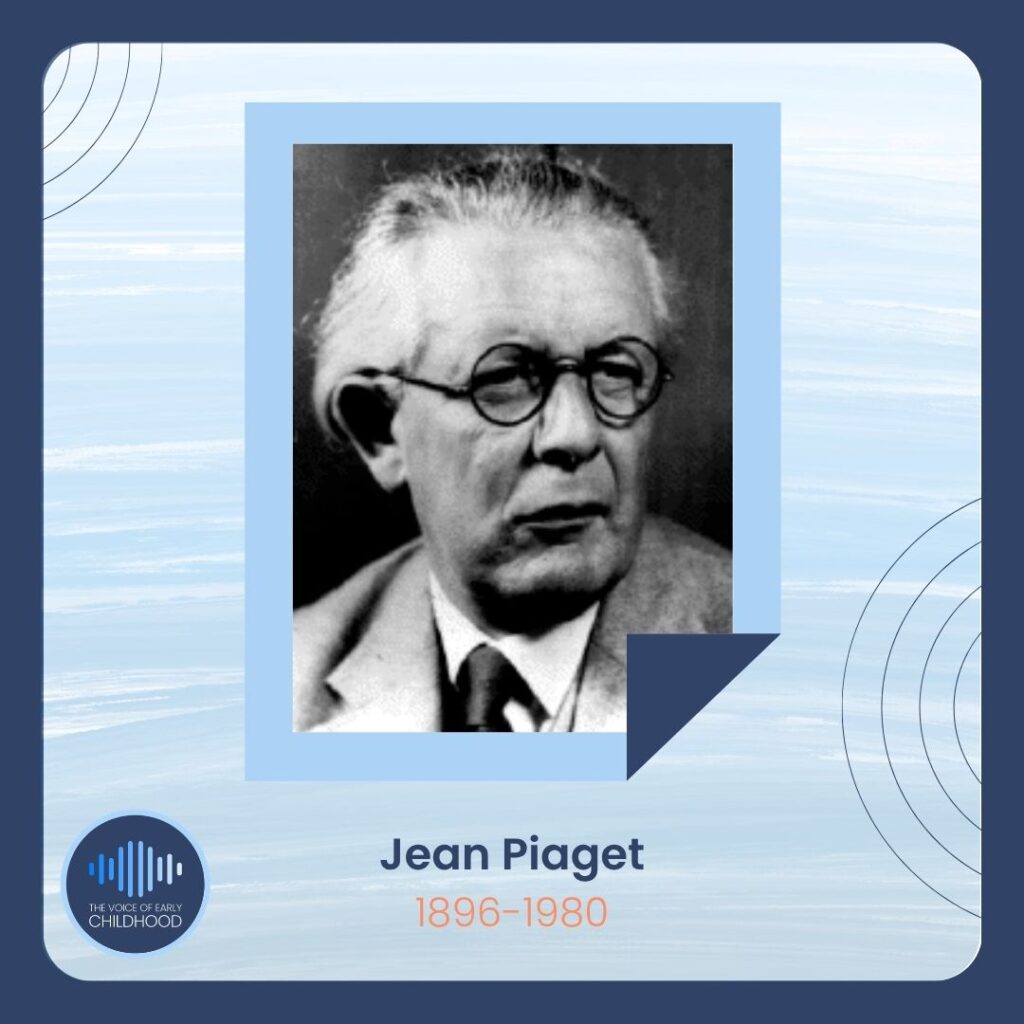
In the landscape of developmental psychology as of 2026, Jean Piaget’s observations on child logic remain a cornerstone for understanding how human cognition matures. Piaget, a Swiss psychologist, dedicated his career to mapping the internal mental structures of children, discovering that they do not simply know less than adults, but rather they think in fundamentally different ways. One of the most fascinating manifestations of this unique logic is artificialism.
Artificialism represents a specific type of causal reasoning where the boundaries between the natural world and human industry are blurred. To a child in the preoperational stage, the sun, the moon, mountains, and even the weather are not the results of complex physical or meteorological processes. Instead, they are viewed as items manufactured by people or God-like figures, often for the direct benefit or service of humanity.
The Roots of Artificialism in the Preoperational Stage
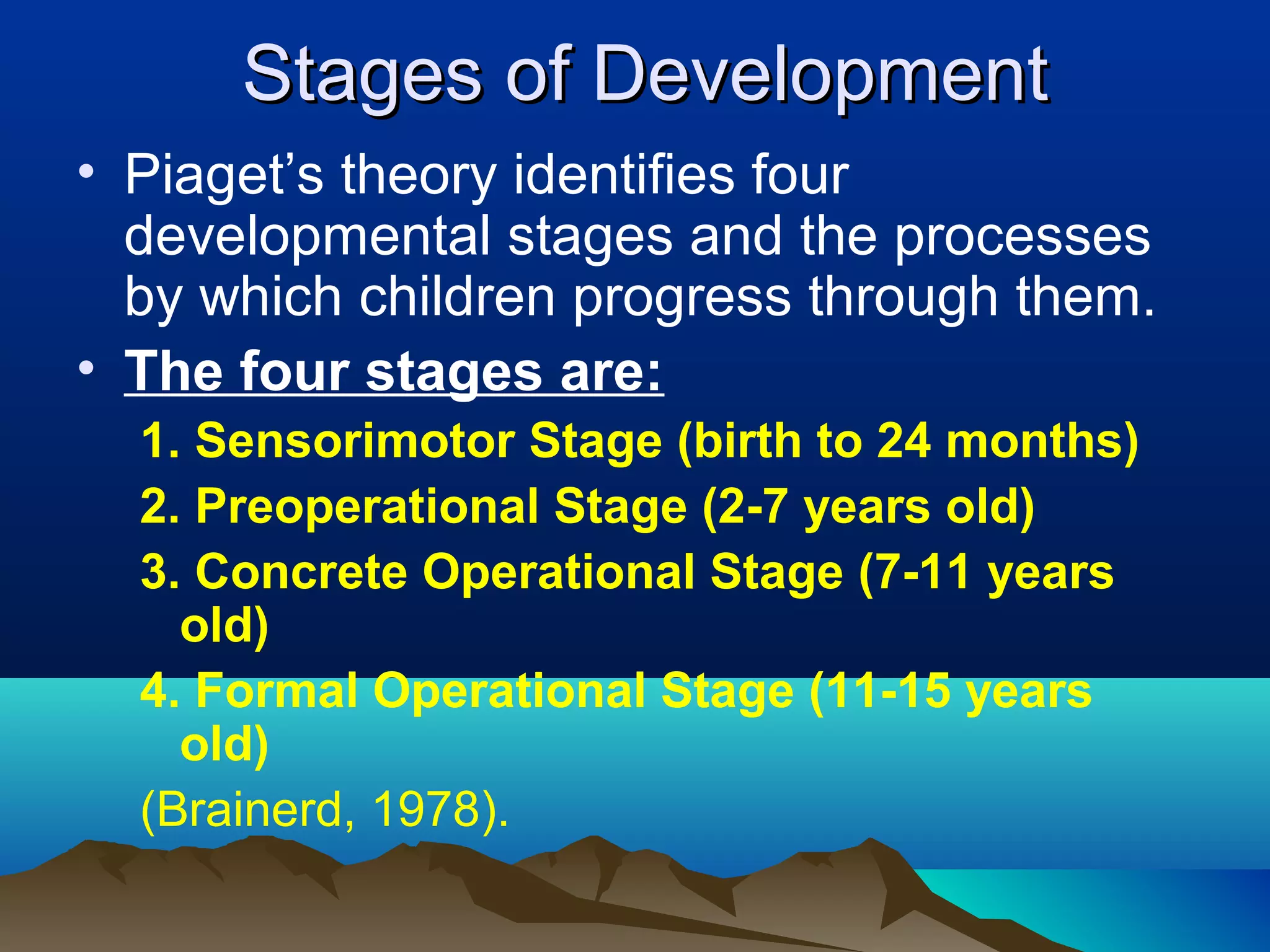
To understand artificialism, one must first look at the broader context of Piaget’s Preoperational Stage. Lasting roughly from age two to seven, this stage is characterized by a shift from pure sensory-motor interaction to the use of symbols and language. However, the child’s logic is still "pre-logical" by adult standards.
The primary driver of artificialism is egocentrism. In a psychological context, egocentrism does not mean selfishness; rather, it refers to the child’s inability to distinguish between their own perspective and the perspective of others—or between the internal mind and the external world. Because children experience themselves and their parents as "makers" (parents build blocks, cook food, and control the environment), they project this "maker" status onto the entire universe.
The Human-Centric Universe
In the mind of a four-year-old, the world is a stable, purposeful place where everything has been arranged. If you ask a child why the sun exists, an artificialist response might be, "To give us light so we can see where we are walking," or "Because someone lit a big match in the sky." This reflects the belief that natural entities are tools designed for human utility.
Piaget categorized this as part of a triad of preoperational thought patterns:
- Animism: The belief that inanimate objects have feelings, intentions, and consciousness.
- Artificialism: The belief that natural things were made by humans or for humans.
- Finalism: The tendency to believe that everything has a specific goal or "final" purpose (e.g., "The clouds move so they can follow us").
Stages of Artificialism: How Child Logic Evolves
Piaget observed that artificialism does not disappear overnight. It undergoes a gradual transformation as the child’s interaction with the world becomes more complex and their "decentration" (the ability to see things from multiple perspectives) increases.
1. Diffuse Artificialism (Ages 2–4)
At this earliest level, the child has a vague sense that everything is connected to human activity, but they cannot explain the "how." They might believe that the sky is a ceiling painted blue or that mountains were "piled up" by workers. The distinction between "natural" and "artificial" is non-existent.
2. Mythological or Religious Artificialism (Ages 4–6)
As children gain more exposure to stories and religious concepts, they often attribute natural creation to a "Great Man" or a divine figure who acts like a human craftsman. This is the stage where children might say God made the lakes by digging holes and filling them with a giant watering can. The "how" becomes more detailed, but it remains strictly based on human manufacturing techniques.
3. Transitional Artificialism (Ages 6–8)
During this phase, children begin to incorporate some naturalistic explanations while still clinging to artificialist roots. They might acknowledge that rain comes from clouds, but they still believe that someone "turned on" the clouds or that the clouds were put there by people to help the plants grow.
4. Natural Causality (Age 8 and Beyond)
As the child enters the Concrete Operational Stage, artificialism begins to fade. The child starts to understand physical causality—the idea that objects react to each other based on physical laws (gravity, evaporation, erosion) rather than human or divine whim.
Distinguishing Artificialism from Animism
It is common to confuse artificialism with animism, as both involve projecting human traits onto the natural world. However, they address different questions: Origin vs. Essence.
| Feature | Animism | Artificialism |
|---|---|---|
| Primary Question | "Is it alive/conscious?" | "How did it get here?" |
| Core Belief | Objects have feelings and intentions (e.g., "The sun is chasing the moon"). | Natural features are man-made (e.g., "Someone painted the sky blue"). |
| Child's Logic | Based on the child's internal experience of being alive. | Based on the child's observation of people building and creating things. |
| Example | "The table tripped me because it's mean." | "The lake is there because a man dug a hole." |
| Function | Explains the behavior of the world. | Explains the origin of the world. |
The Role of "Finalism" in Artificialist Thinking
Artificialism is almost always accompanied by finalism. Finalism is the refusal to accept that things happen by chance or through blind physical processes. For a child, there is no such thing as a "random" storm or a "purposeless" rock.
If a child believes a mountain was made by humans (artificialism), they will also believe it was made so that we could go hiking or be closer to the clouds (finalism). This provides the child with a sense of security; if the world is a manufactured place designed for their benefit, it is predictable and safe.
Modern research into 2026 continues to show that this "teleological" reasoning (reasoning by purpose) is a default setting of the human brain. Even adults, when under cognitive load or forced to answer quickly, often revert to "promiscuous teleology," such as agreeing with the statement "The sun shines so that plants can photosynthesize," which erroneously assigns purpose to a physical process.
Why Does Artificialism Matter for Educators and Parents?
Understanding that a child is not "wrong" or "unintelligent" but is simply operating within a specific developmental framework is vital for effective communication. Artificialism is a healthy sign of a mind trying to organize a massive amount of incoming data into a coherent narrative.
Guidelines for Supporting Cognitive Development
- Respect the Logic: When a child says the moon follows them because it wants to light their way, acknowledge the observation. Correcting them with a lecture on orbital mechanics is often counterproductive before age seven, as they lack the cognitive structures to process it.
- Encourage Inquiry: Instead of providing the "right" answer immediately, ask the child, "How do you think the moon stays up there?" This encourages them to refine their own causal models.
- Provide Hands-on Experiences: As children move toward the end of the preoperational stage, activities like gardening or simple water experiments help them see natural processes (growth, evaporation) occurring without direct human "making," which helps bridge the gap to natural causality.
- Scaffold Natural Explanations: Introduce "how" questions that focus on the relationship between things (e.g., "The rain comes from the clouds when they get too heavy") to help them move away from the idea that a person is controlling the weather with a switch.
Critiques and Modern Perspectives
While Piaget’s observations on artificialism were groundbreaking, modern developmental psychologists have offered nuances. Critics like Lev Vygotsky argued that Piaget may have underestimated the role of culture and social interaction.
In cultures where religious or mythological explanations are dominant, artificialist thinking may persist longer or take different forms than in secular, scientifically oriented environments. Furthermore, some modern researchers suggest that children might understand more about natural causality than Piaget’s "clinical interview" method revealed. If a child is asked about a familiar domain (like why a plant grows), they may offer a more naturalistic explanation than when asked about an abstract domain (like why the sun exists).
Despite these critiques, the core concept of artificialism remains an essential tool for identifying the "magical thinking" phase of early childhood. It reminds us that the human journey toward objective, scientific understanding is a long process of unlearning our initial, egocentric assumptions.
Summary Table: Developmental Progression of Causality
| Age Range | Stage | Dominant Type of Reasoning | Explanation of Natural Phenomena |
|---|---|---|---|
| 0–2 years | Sensorimotor | Physical Action | No conceptualization of origins; world is sensed, not explained. |
| 2–4 years | Early Preoperational | Diffuse Artificialism | Nature and human activity are one; things just "are" because people are here. |
| 4–7 years | Late Preoperational | Mythological Artificialism | Natural features are manufactured by a "Great Maker" or humans using tools. |
| 7–11 years | Concrete Operational | Natural Causality | Physical laws (wind, heat, gravity) explain how things work and start. |
Frequently Asked Questions
Is artificialism the same as religious belief?
While they may look similar, they are different in origin. Artificialism is a cognitive stage where a child's brain naturally assumes things are man-made because that is the only causality they understand. Religious belief is a socially and culturally transmitted set of ideas. However, a child will often use religious figures (like God) to fill the "maker" role in their artificialist logic because it fits their developmental need for a creator.
Does artificialism mean my child is "behind" in science?
Not at all. Artificialism is a standard, healthy developmental milestone. In fact, the ability to form these "theories" shows that the child is actively trying to make sense of their environment. Most children naturally grow out of this phase as their brain develops the capacity for more complex, abstract reasoning.
How can I tell if a child is using artificialism or animism?
Listen to the "why." If the child says, "The river is flowing because it wants to get to the sea," that is animism (assigning desire). If the child says, "The river is flowing because someone poured a big bucket of water at the top of the mountain," that is artificialism (assigning manufacture). Often, children use both simultaneously.
At what age should I be concerned if a child still believes the sun is man-made?
Most children begin to transition away from artificialism between ages 7 and 9. If a child is 10 or 11 and still firmly believes that all natural phenomena are literally "manufactured" by humans—and lacks the ability to understand physical cause and effect—it may be worth discussing their cognitive development with an educational professional.
Can adults experience artificialism?
While adults generally understand natural causality, we sometimes revert to "teleological thinking" (finalism), which is the cousin of artificialism. This happens when we assume a natural disaster happened "for a reason" or that the universe is "conspiring" to teach us a lesson. While not literal artificialism, it stems from the same deep-seated human desire for a purposeful, organized world.
Final Recommendation
To better understand or support a child experiencing the artificialist stage, focus on observation over correction. Engage with their "theories" of the world by asking open-ended questions. By the time they reach the end of the primary school years, their increasing exposure to the physical world and their developing logical faculties will naturally replace the "maker" model with a more scientific understanding of the universe.