Current research suggests a potential association between high consumption of artificial sweeteners—specifically aspartame, acesulfame potassium, and sucralose—and an increased risk of stroke. While not definitive proof of causation, large-scale observational studies and clinical data indicate that these sugar substitutes may negatively impact vascular health, metabolic function, and blood coagulation.
The Evolution of Artificial Sweeteners and Cardiovascular Health
For decades, non-nutritive sweeteners (NNS) were marketed as the "healthy" alternative to refined sugar. They promised the sweetness of sucrose without the caloric burden, making them a staple for individuals managing diabetes or attempting weight loss. However, as of 2026, the scientific consensus has shifted from viewing these substances as inert additives to recognizing them as metabolically active compounds that may influence cardiovascular outcomes.
The primary concern regarding stroke risk stems from how these chemicals interact with the human body's complex systems. A stroke occurs when blood flow to the brain is interrupted, either by a clot (ischemic) or a ruptured vessel (hemorrhagic). Emerging evidence suggests that certain artificial sweeteners may contribute to the physiological conditions that precede these events, including systemic inflammation, impaired glucose metabolism, and changes in platelet reactivity.
Understanding the Different Types of Sweeteners
To understand the risk, one must distinguish between the various types of sweeteners found in "diet" products. Not all artificial sweeteners are chemically identical, and their biological impacts vary:
- Aspartame: Found in thousands of diet sodas and "sugar-free" snacks. It is broken down into phenylalanine, aspartic acid, and methanol in the body.
- Sucralose: Chemically modified sugar that is significantly sweeter than sucrose. It is frequently used in baked goods and "zero-calorie" syrups.
- Acesulfame Potassium (Ace-K): Often blended with other sweeteners to mask bitter aftertastes; commonly found in energy drinks and protein shakes.
- Erythritol: A sugar alcohol (polyol) often labeled as "natural" because it is found in small amounts in fruit, though commercially it is produced via fermentation.
Analyzing the NutriNet-Santé Study and Global Research
One of the most significant pieces of evidence linking artificial sweeteners to stroke comes from the NutriNet-Santé cohort study, which followed over 100,000 adults. This research, alongside subsequent meta-analyses, provided a clearer picture of the long-term effects of NNS consumption.
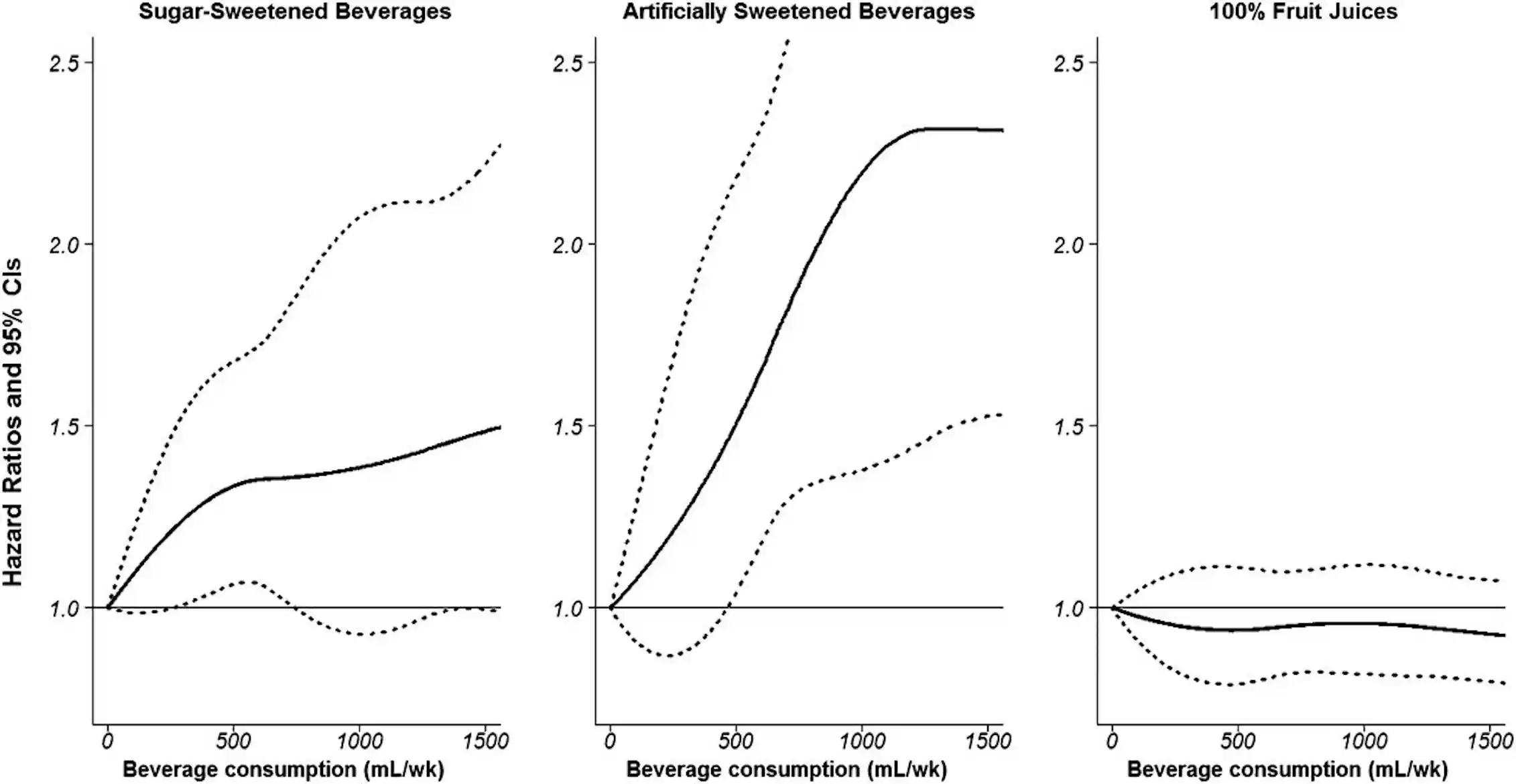
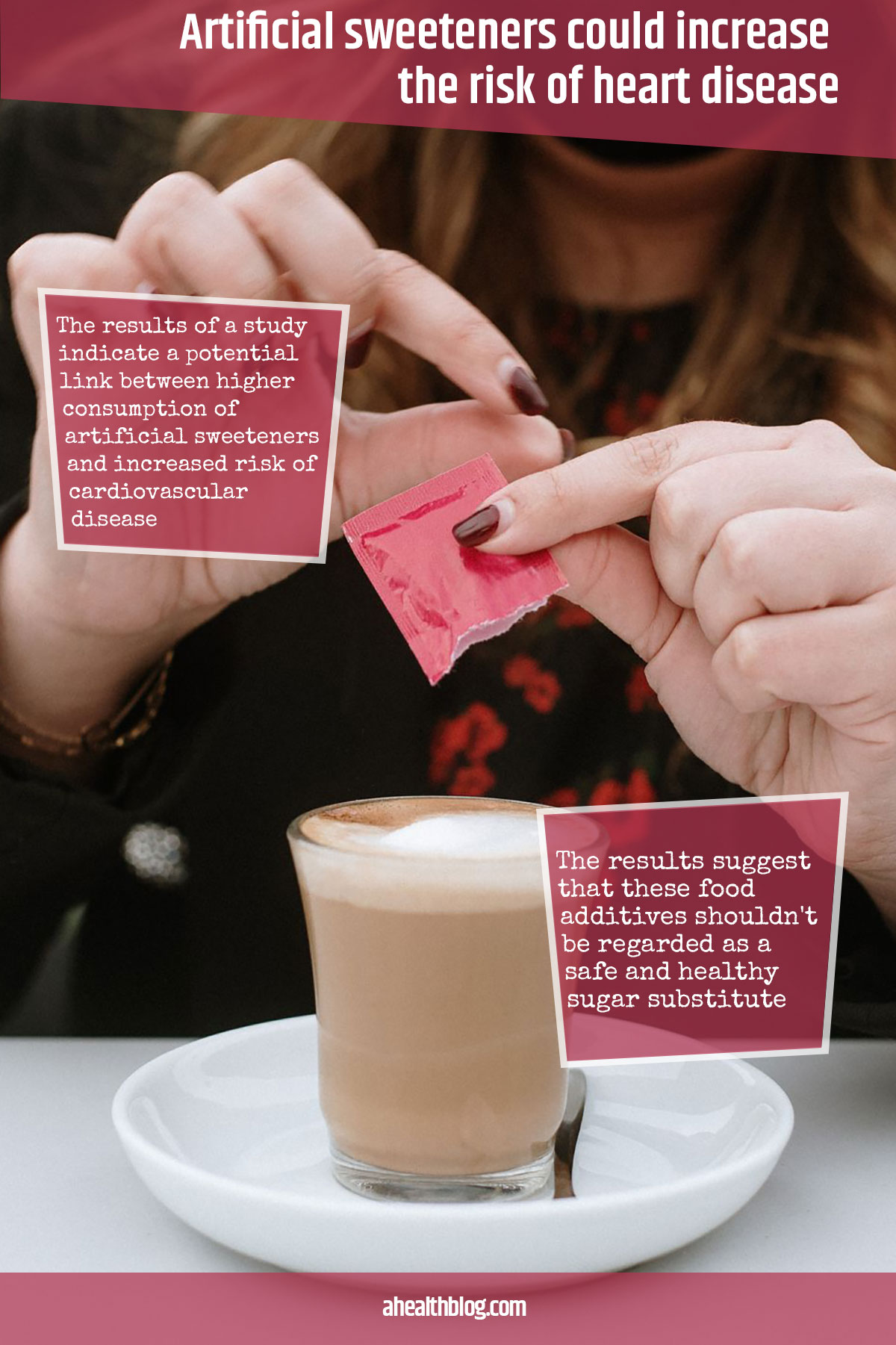
The study found that participants who consumed higher amounts of artificial sweeteners had a 9% higher risk of cardiovascular disease and an 18% higher risk of cerebrovascular disease (stroke) compared to non-consumers. Specifically, aspartame intake was most closely associated with an increased risk of cerebrovascular events, while acesulfame potassium and sucralose were linked to increased coronary heart disease risk.
The Role of the World Health Organization (WHO)
In 2023, the World Health Organization issued a landmark guideline advising against the use of non-sugar sweeteners for weight control. This recommendation was based on a systematic review of available evidence suggesting that long-term use of NNS does not confer any long-term benefit in reducing body fat and may lead to increased risks of type 2 diabetes, cardiovascular diseases, and mortality in adults.
The WHO's stance marked a pivotal moment in public health, moving away from the "calorie-is-a-calorie" framework and toward a more nuanced understanding of how chemical additives affect the endocrine system. By 2026, many healthcare providers have integrated these guidelines into standard cardiovascular preventative care, emphasizing that "sugar-free" does not equate to "heart-healthy."
Biological Mechanisms: Why Sweeteners May Increase Stroke Risk
The association between artificial sweeteners and stroke is not merely statistical; several biological mechanisms have been proposed to explain how these substances might harm the vascular system.
Disruption of the Gut Microbiome
The human gut is home to trillions of bacteria that play a crucial role in metabolism and immune function. Research has shown that sweeteners like sucralose and saccharin can significantly alter the composition of the gut microbiota. This "dysbiosis" can lead to increased intestinal permeability (leaky gut) and the release of pro-inflammatory markers into the bloodstream. Chronic low-grade inflammation is a known driver of atherosclerosis—the buildup of plaque in the arteries—which is a primary cause of ischemic strokes.
Insulin Resistance and Metabolic Syndrome
Paradoxically, although artificial sweeteners contain no sugar, they may still trigger an insulin response. The "cephalic phase insulin response" occurs when the sweet taste on the tongue signals the brain to prepare for an influx of glucose. When no glucose arrives, the body’s insulin sensitivity can become impaired over time. This metabolic confusion can contribute to weight gain, high blood pressure, and type 2 diabetes—all of which are major independent risk factors for stroke.
Endothelial Dysfunction
The endothelium is the thin layer of cells lining the blood vessels. It regulates blood pressure and prevents clotting. Some studies suggest that high concentrations of artificial sweeteners in the blood can lead to oxidative stress within these cells. When the endothelium is damaged, blood vessels become stiffer and more prone to the formation of clots, directly increasing the likelihood of a cerebrovascular accident.
The Erythritol Connection: Clotting and MACE
While much of the focus has been on high-intensity sweeteners like aspartame, a significant breakthrough in 2023 and 2024 highlighted the risks associated with erythritol. A study published in Nature Medicine revealed that elevated levels of erythritol in the blood were associated with an increased risk of Major Adverse Cardiovascular Events (MACE), including stroke and heart attack.
Researchers found that erythritol makes it easier for platelets to clump together and form clots. In laboratory settings and animal models, the addition of erythritol at levels typically found in "keto-friendly" processed foods resulted in an enhanced clotting response. For individuals already at risk for cardiovascular disease, such as those with existing hypertension or high cholesterol, the consumption of erythritol-sweetened products may pose an acute risk by further sensitizing the blood’s clotting mechanisms.
Comparison of Common Sweeteners and Research Findings
The following table summarizes the findings from major clinical reviews regarding specific sweeteners and their associated risks as understood in 2026.
| Sweetener Type | Common Sources | Primary Associated Risk | Key Evidence Source |
|---|---|---|---|
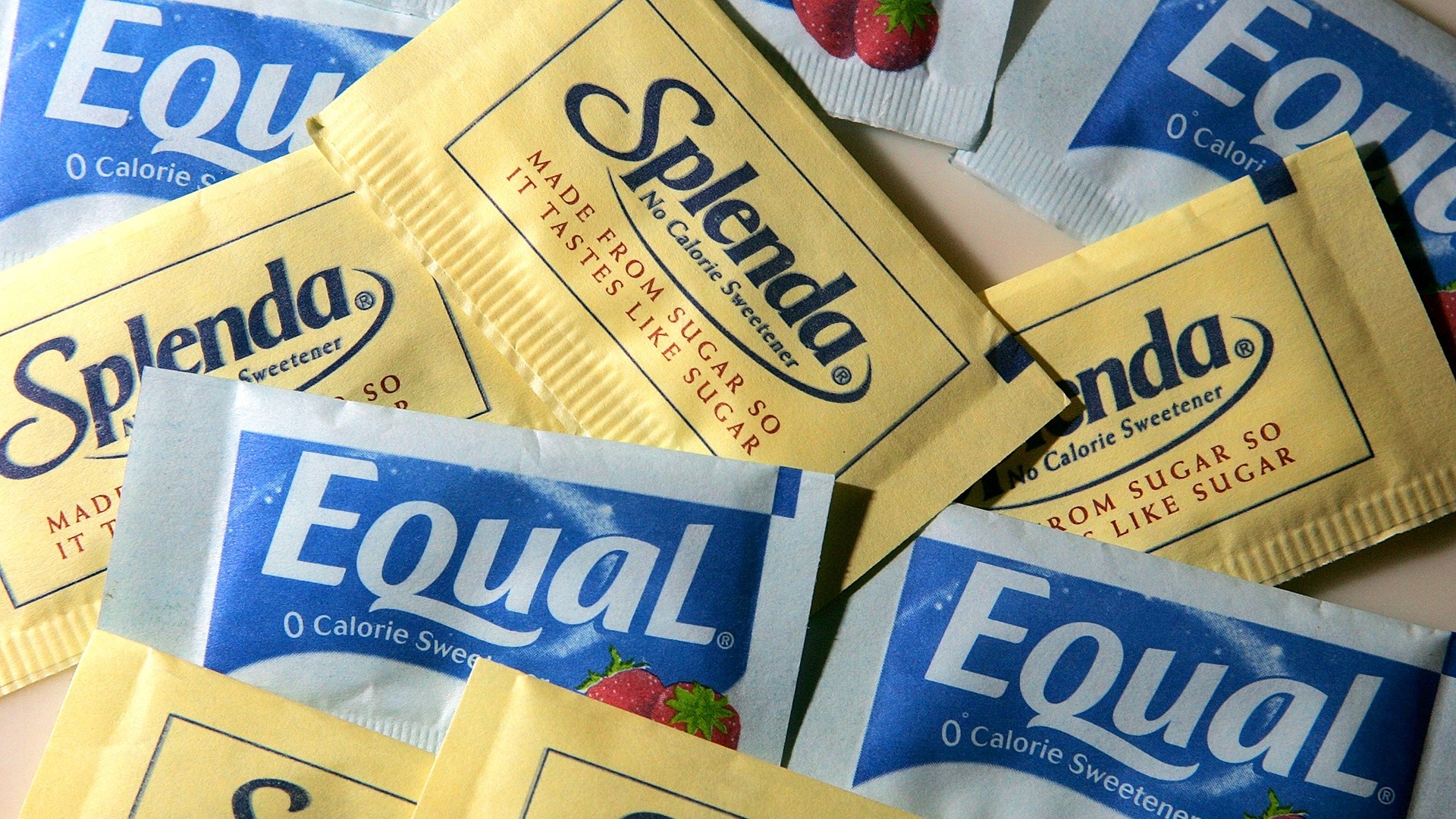
| Aspartame | Diet sodas, "Equal," sugar-free gum | Increased risk of ischemic stroke | NutriNet-Santé Study |
| Sucralose | "Splenda," flavored syrups, baked goods | Metabolic dysfunction, gut dysbiosis | WHO Systematic Review |
| Acesulfame-K | Energy drinks, blended sweeteners | Coronary heart disease, arterial stiffness | British Medical Journal (BMJ) |
| Erythritol | Keto snacks, "natural" blends, Stevia mixes | Increased platelet reactivity, clotting | Nature Medicine (2023) |
| Saccharin | "Sweet'N Low," some toothpastes | Glucose intolerance, vascular inflammation | Journal of Hepatology |
Limitations of Current Research: Causation vs. Correlation
While the data is concerning, it is essential to acknowledge the limitations inherent in nutritional epidemiology. Most studies linking artificial sweeteners to stroke are observational, meaning they identify patterns but do not strictly prove that the sweetener caused the stroke.
The Problem of Reverse Causality
One of the most significant challenges in this field is "reverse causality." Individuals who are already overweight, have diabetes, or suffer from hypertension are more likely to switch to diet sodas and artificial sweeteners to manage their health. Because these individuals are already at a higher risk for stroke, it can be difficult for researchers to tease out whether the sweetener itself caused the event or if the person’s pre-existing health conditions were the primary driver.
Self-Reporting Bias
Many studies rely on food frequency questionnaires, where participants must recall what they ate over several months or years. This method is notoriously prone to error, as people often underreport "unhealthy" habits or forget the exact ingredients in processed foods. However, the sheer scale of modern studies and the consistency of the findings across different populations have led many experts to believe the risk is real and significant.
Identifying Hidden Sweeteners in Your Diet
Reducing stroke risk requires more than just skipping diet soda. In 2026, artificial sweeteners are ubiquitous in the food supply, often appearing in products that aren't even labeled as "diet."
To protect cardiovascular health, consumers should be vigilant about checking ingredient labels for:
- Non-obvious sources: Low-fat yogurts, "light" salad dressings, and "high-protein" snacks often use NNS to maintain flavor while reducing calorie counts.
- Bread and baked goods: Some commercially produced breads use sucralose or acesulfame-K to enhance browning and sweetness without adding sugar.
- Hygiene products: Mouthwashes and toothpastes frequently contain saccharin or sucralose, which can be absorbed through the oral mucosa.
Practical Recommendations for Reducing Risk
For those concerned about the link between artificial sweeteners and stroke, the best course of action is a gradual reduction in the consumption of all highly processed sweeteners—both caloric and non-nutritive.
Transitioning to Whole Foods
Instead of reaching for "zero-sugar" processed foods, focus on the following strategies:
- Hydrate with Water: Replace diet sodas with plain water, sparkling water, or water infused with fresh fruit or cucumber.
- Use Natural Sweetness in Moderation: Small amounts of honey, maple syrup, or whole fruit provide sweetness alongside fiber and phytonutrients, which can mitigate the rapid spike in insulin levels.
- Read Every Label: Become familiar with the chemical names of sweeteners. If a product is labeled "No Sugar Added" but tastes very sweet, it likely contains an artificial substitute or sugar alcohol like erythritol.
Focus on Overall Stroke Prevention
While limiting sweeteners is a positive step, it should be part of a broader stroke prevention strategy. This includes maintaining a healthy blood pressure, staying physically active, and consuming a diet rich in leafy greens, healthy fats (like those found in olive oil and nuts), and lean proteins.
Frequently Asked Questions
Is Stevia a safer alternative to artificial sweeteners regarding stroke risk?
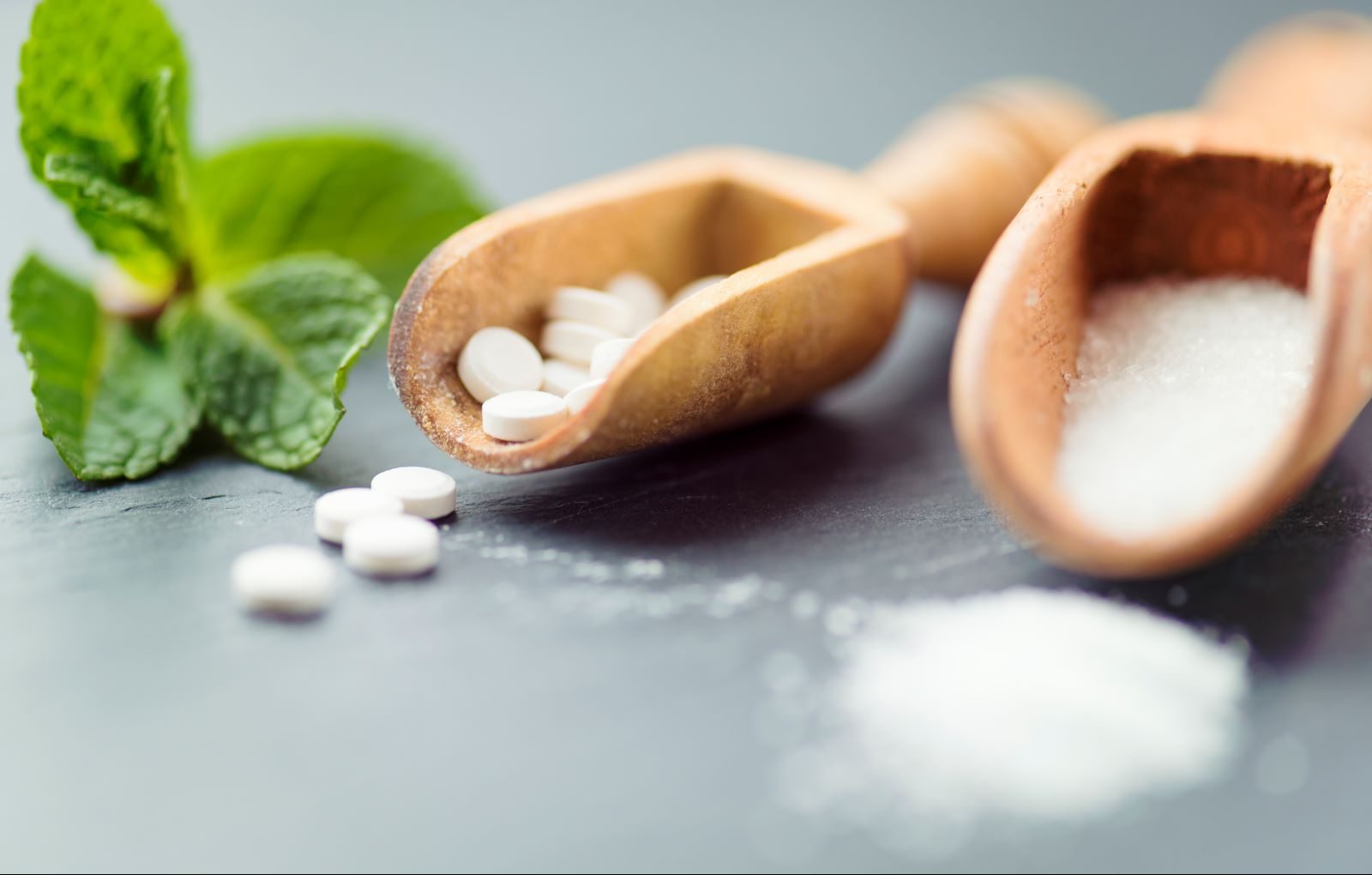
Current evidence suggests that Stevia, which is derived from a plant, may have a more neutral effect on cardiovascular health than synthetic chemicals like aspartame. However, many commercial Stevia products are "bulked" with erythritol to improve texture. If you choose Stevia, look for pure extracts without added sugar alcohols to minimize potential clotting risks.
Does drinking one diet soda a day significantly increase my risk?
Research indicates a "dose-response" relationship, meaning the risk generally increases with higher consumption. While a single diet soda may not be an immediate trigger, chronic daily consumption has been linked to the metabolic changes that lead to increased stroke risk over time.
Can the vascular damage caused by sweeteners be reversed?
The body is remarkably resilient. By eliminating artificial sweeteners and adopting a heart-healthy diet rich in antioxidants and fiber, individuals can improve their endothelial function and gut health. Reducing systemic inflammation through lifestyle changes is a primary way to lower stroke risk regardless of past habits.
Why did it take so long for these risks to be identified?
Nutritional science requires long-term data. It takes decades of follow-up with large populations to see how food additives affect chronic disease outcomes like stroke. Additionally, the food industry’s focus on calorie reduction for many years overshadowed the complex biochemical effects these chemicals have on human metabolism.
Is erythritol considered an artificial sweetener?
Erythritol is technically a sugar alcohol (polyol). While it occurs naturally in small amounts in some fruits, the concentrated versions used in modern food manufacturing are industrially produced. It is often grouped with artificial sweeteners because it is used as a zero-calorie sugar replacement.
Final Guidance for Consumers
The link between artificial sweeteners and stroke risk serves as a reminder that "zero-calorie" does not mean "zero-impact." Based on the clinical evidence available in 2026, the most prudent approach for cardiovascular health is to limit the intake of synthetic sweeteners and sugar alcohols like erythritol. Prioritize hydration with water and focus on a diet composed of whole, unprocessed foods. If you have existing cardiovascular risk factors, such as high blood pressure or a history of clotting issues, consult with a healthcare professional to tailor your diet for maximum stroke prevention.