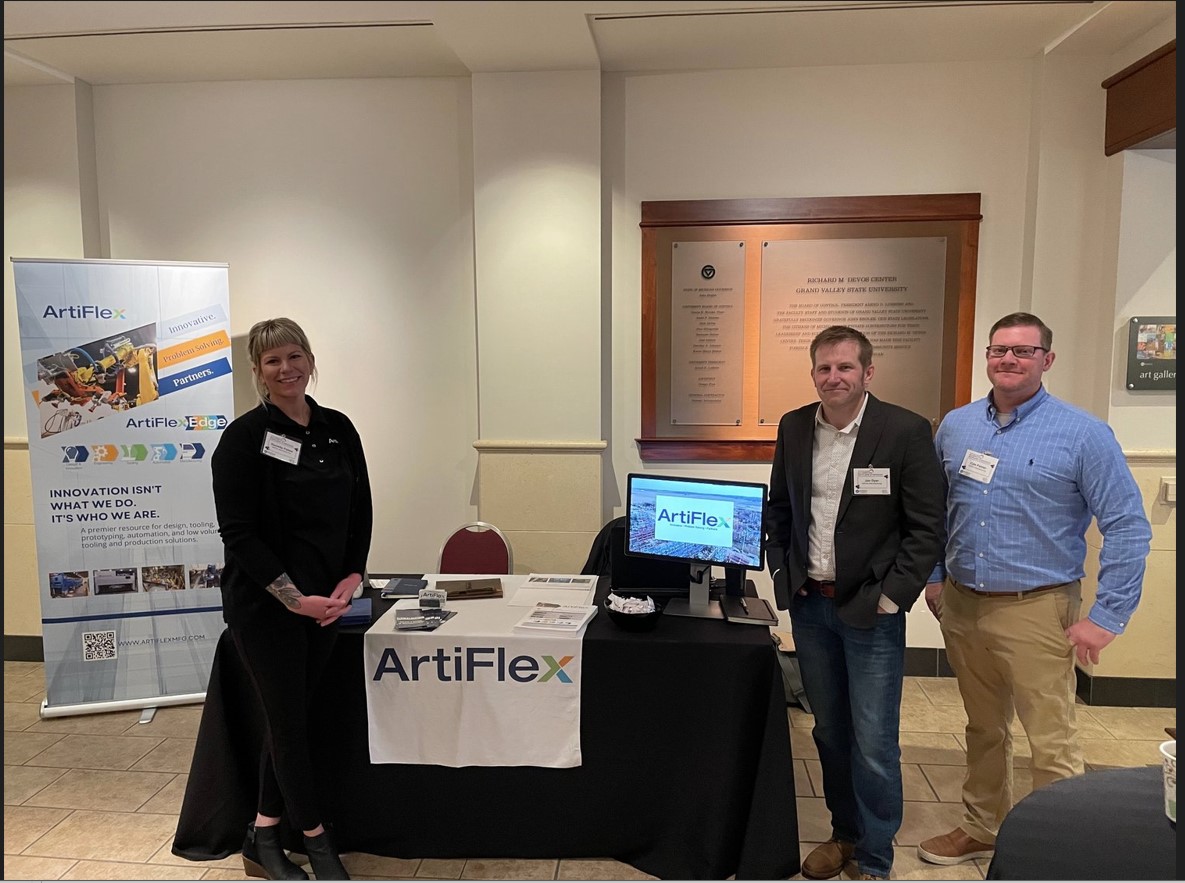
Artiflex Manufacturing has evolved from a legacy of traditional metal stamping into a sophisticated provider of integrated manufacturing solutions. By bridging the gap between initial design and high-volume production, Artiflex specializes in low-to-medium volume programs, offering a comprehensive "one-stop-shop" approach that includes tooling, stamping, assembly, and logistics for global OEMs.
Historical Foundations: The Roots of Artiflex Manufacturing
The evolution of Artiflex Manufacturing is inextricably linked to the history of the American automotive and industrial landscape. The company’s DNA traces back to heritage organizations like The Gerstenslager Company, founded in the 1860s in Wooster, Ohio. Originally a manufacturer of horse-drawn carriages, Gerstenslager transitioned into automotive bodies and eventually specialized in metal stamping.
When Artiflex was formally established through the strategic alignment of several manufacturing entities in the early 21st century, it inherited a culture of craftsmanship but faced a rapidly changing market. The primary challenge was the "volume gap"—the space between prototyping a handful of parts and the mass production of hundreds of thousands of units. Artiflex’s evolution was defined by its decision to occupy this middle ground, serving niche vehicle markets, the service parts industry, and specialized industrial equipment sectors.
By 2026, the company has solidified its position as a Tier 1 and Tier 2 supplier that manages the entire lifecycle of a component. This shift from a simple "part maker" to a "solution provider" required significant capital investment in technology and a fundamental reorganization of their engineering workflow. The ability to manage complex assemblies rather than individual stampings allowed Artiflex to become a critical partner for major automotive brands that needed to outsource low-volume production without sacrificing quality.
Shifting Paradigms: The Strategic Move to Low-and-Medium Volume Production
In the traditional manufacturing world, profit is often tied to high-volume repetition. However, the rise of specialized vehicle variants, electric vehicle (EV) startups, and the demand for long-term service parts created a vacuum. Artiflex evolved by mastering the economics of low-to-medium volume production, typically ranging from 500 to 50,000 units per year.
Achieving profitability at these volumes requires a different approach to tooling. High-volume production uses expensive, permanent "hard tooling" designed to last for millions of cycles. Artiflex developed expertise in "bridge tooling" and "kirksite tooling," which are more cost-effective for shorter runs while maintaining the precise tolerances required by modern engineering standards. This evolution allowed them to support the "Body in White" (BIW) requirements of emerging EV manufacturers who lacked the capital to invest in high-volume stamping plants during their initial launch phases.
Furthermore, the transition to these volumes necessitated a highly flexible labor force. Unlike high-volume plants that run the same part for months, Artiflex facilities must perform frequent die changes and recalibrate assembly lines for diverse projects. This operational agility became a core competency, enabling the company to pivot between automotive, heavy truck, and renewable energy sectors with minimal downtime.
Technological Milestones in the Artiflex Evolution
The technological evolution of Artiflex has been driven by the need for speed and precision. In an era where "speed to market" is a primary competitive advantage, the company integrated advanced digital tools into every stage of production.
Advanced Tooling and Die Design
Artiflex’s internal tooling capabilities are a cornerstone of its value proposition. The evolution here moved from manual drafting and physical trial-and-error to high-fidelity simulation. By using software like AutoForm for sheet metal forming simulation, Artiflex engineers can predict wrinkling, thinning, and springback before a single piece of steel is cut. This "virtual tryout" phase reduces the time required for physical die adjustments, which historically could take weeks. In 2026, this digital-first approach allows Artiflex to move from design freeze to "first-off" parts in record time.
Automation and Robotics Integration
While low-volume production was once synonymous with manual labor, Artiflex has evolved its facilities to include programmable robotic cells. These robots are not dedicated to a single task for their entire lifespan; instead, they are designed for rapid reconfiguration. Robotic welding (MIG, TIG, and spot welding) ensures consistent quality that manual processes cannot match. By integrating vision systems and sensors, these automated cells can detect minute defects in real-time, feeding data back into the quality management system to prevent waste.
The "Integration" Model: Beyond Stamping and Assembly
The most significant stage of the Artiflex evolution was the shift toward vertical integration. Modern customers no longer want to manage five different vendors for a single door assembly. They want a partner who can handle the stamping, the coating, the sub-assembly, and the final delivery.
E-Coating and Finishing Capabilities
Artiflex recognized that unfinished metal parts are a liability in the supply chain. By incorporating high-capacity E-coating (Electro-deposition coating) lines into their operations, they added a critical layer of value. E-coating provides superior corrosion resistance and serves as a primer for final paint. Integrating this process in-house eliminates the logistical costs and potential damage risks associated with shipping "green" parts to a third-party coater. This capability is particularly vital for service parts that must sit in warehouses for years without degrading.
Logistics and Supply Chain Management
The evolution of Artiflex also touched on logistics. In 2026, the company functions as a hub in the "Just-In-Time" (JIT) delivery model. They don't just ship parts; they sequence them. For an OEM assembly line, Artiflex can provide parts in the exact order they will be installed on the vehicles. This requires sophisticated Enterprise Resource Planning (ERP) integration between Artiflex and the customer, ensuring that inventory levels are optimized and production schedules are perfectly synchronized.
Comparing Manufacturing Models: Artiflex vs. Traditional Stamping
To understand the unique space Artiflex occupies, it is helpful to compare their integrated model with the traditional high-volume stamping approach.
| Feature | Traditional High-Volume Stamping | Artiflex Integrated Model (2026) |
|---|---|---|
| Typical Volume | 100,000+ units per year | 500 to 50,000 units per year |
| Tooling Philosophy | Permanent hard tooling (Class A) | Flexible, cost-optimized tooling |
| Lead Times | 12–24 months for full setup | Accelerated "Speed to Market" programs |
| Service Scope | Stamping only (usually) | Tooling, Stamping, E-coat, Assembly, Logistics |
| Ideal Customer | Major OEM high-volume models | Niche vehicles, EV startups, Service parts |
| Changeover Speed | Slow; dedicated lines | Rapid; flexible manufacturing cells |
| Engineering Support | Design for Manufacture (DFM) focused | Full lifecycle engineering and prototyping |
Engineering and Prototyping: The Modern Competitive Edge
A key part of the Artiflex evolution was moving "upstream" in the product development process. In the past, manufacturers waited for a completed design from the customer. Today, Artiflex engages in "Early Contractor Involvement" (ECI).
By working with designers while the part is still in the CAD stage, Artiflex can suggest modifications that make the part easier and cheaper to manufacture. This collaborative engineering reduces the number of components in an assembly and optimizes material usage. Their prototyping services allow customers to test functional metal parts that are representative of production quality, rather than relying solely on 3D-printed plastics or soft-tool samples. This evolution has made Artiflex a preferred partner for the research and development departments of major aerospace and automotive firms.
Challenges and Adaptations in the 2020s
The road to 2026 has not been without obstacles. The manufacturing sector faced significant disruptions in the early 2020s, including supply chain volatility and rising material costs. Artiflex evolved by diversifying its supplier base and investing in material-efficient technologies.
One specific adaptation was the move toward "Factory in a Box" or modular production concepts. By creating mobile or highly replicable production cells, Artiflex can scale its capacity up or down based on market demand. Additionally, the company has had to navigate the transition from internal combustion engine (ICE) components to EV-specific architectures. This meant learning to work with new materials, such as high-strength aluminum and advanced high-strength steels (AHSS), which require different stamping pressures and heat-treating processes than traditional mild steel.
Future Outlook and the State of Artiflex in 2026
As of 2026, Artiflex Manufacturing stands as a model for the "Modern American Manufacturer." With primary operations in Ohio and Michigan, the company is strategically located near the heart of the North American automotive corridor. Their evolution from a specialty stamper to an integrated manufacturing partner has made them resilient against the cyclical nature of high-volume automotive sales.
The focus for the future remains on further digitalization—specifically the use of "Digital Twins" for entire production lines and the integration of AI-driven predictive maintenance. These technologies will allow Artiflex to further reduce costs for their customers while increasing the reliability of their production schedules. For companies looking to bring complex metal products to market without the overhead of a massive factory, the Artiflex evolution provides a blueprint for successful, agile production.
Frequently Asked Questions
What industries does Artiflex Manufacturing primarily serve?
Artiflex serves a diverse range of industries, with its primary focus on automotive (both current production and service parts), heavy truck, and specialized industrial equipment. Because of their flexibility in volume, they are a frequent partner for electric vehicle (EV) startups that require high-quality body panels and assemblies but do not yet have the volume for mass-market stamping plants.
What is the advantage of using Artiflex for service parts?
For many OEMs, maintaining the tooling and production lines for "legacy" or service parts (replacement parts for older vehicles) is inefficient. Artiflex specializes in taking over these programs. They can store the original dies, perform small production runs as needed, and provide E-coating and packaging, allowing the OEM to focus their own resources on new, high-volume models.
Does Artiflex offer internal tooling design?
Yes, internal tooling design and construction are core components of the Artiflex evolution. By controlling the tooling process in-house, they can ensure that the dies are optimized for their specific presses and that any necessary adjustments can be made immediately, rather than waiting for an external tool shop.
How does Artiflex handle quality control for complex assemblies?
Artiflex utilizes a multi-layered quality management system that includes CMM (Coordinate Measuring Machine) inspections, 3D laser scanning, and automated vision systems within the robotic cells. This ensures that every assembly—which may consist of dozens of individual stamped parts—meets the exact dimensional tolerances required by the customer.
Where are Artiflex Manufacturing's facilities located?
Artiflex operates multiple facilities, with its main headquarters and significant manufacturing presence in Wooster, Ohio, and additional operations in Grand Rapids, Michigan. These locations provide proximity to major steel suppliers and automotive assembly plants, facilitating efficient logistics and shipping.
Practical Recommendation for Engaging with Artiflex
For organizations considering Artiflex as a manufacturing partner, the most effective approach is to engage their engineering team during the Preliminary Design Phase.
Rather than presenting a finished design for a quote, involve Artiflex in the Design for Manufacture (DFM) process. This allows you to leverage their expertise in low-volume tooling and material behavior, which can significantly reduce your initial capital expenditure (CAPEX) and shorten your timeline to market. If your project involves complex metal assemblies, inquire about their Integrated Solutions package, which combines stamping, E-coating, and sub-assembly into a single per-unit price, simplifying your internal procurement and quality management workflows.