Artificial turf safety is determined by three primary factors: the chemical composition of the fibers and infill (specifically PFAS and heavy metals), the surface’s ability to absorb impact (measured by G-max ratings), and thermal regulation. Ensuring safety requires choosing certified PFAS-free materials, maintaining proper shock-attenuation layers, and implementing cooling strategies to prevent heat-related injuries.
The Evolution of Artificial Turf Safety Standards
As of 2026, the landscape of synthetic surfacing has shifted from a focus on mere durability to a rigorous "safety-first" engineering model. For decades, artificial turf was criticized for its use of recycled tire crumbs and potential lead content. However, modern manufacturing has moved toward complex polymers and organic infill systems. The safety of these systems is no longer a singular question of "is it toxic?" but rather a multifaceted evaluation of how the system interacts with the human body and the environment over its 10-to-15-year lifespan.
The primary safety concerns today are categorized into chemical exposure, physical trauma (impact injuries), and thermal stress. Regulatory bodies, including the Environmental Protection Agency (EPA) and various state-level environmental departments, have tightened the requirements for "forever chemicals" and heavy metals. Meanwhile, sports organizations have standardized shock-absorption tests to mitigate the risk of concussions and lower-extremity injuries. Understanding these components is essential for schools, municipalities, and homeowners when selecting a surfacing solution.
Chemical Composition and Toxicological Concerns
One of the most persistent discussions regarding artificial turf safety involves the chemicals used in the manufacturing process. While the synthetic blades themselves are typically made of polyethylene or polypropylene—plastics generally considered safe for consumer use—the additives and the infill materials require closer inspection.
The PFAS "Forever Chemicals" Debate
In the current 2026 regulatory environment, the presence of per- and polyfluoroalkyl substances (PFAS) is the leading concern for turf safety. Historically, PFAS were used as extrusion aids to prevent the plastic from sticking to manufacturing equipment. Because these chemicals do not break down in the environment and have been linked to various health issues, including endocrine disruption and immune system interference, modern turf must now be verified as "PFAS-free."
When evaluating a product, it is critical to look for third-party laboratory testing that confirms the absence of total organic fluorine, which serves as a proxy for PFAS content. Many manufacturers have transitioned to mechanical extrusion aids or alternative chemical formulations that do not rely on the carbon-fluorine bond. Ensuring the turf you install meets these 2026 standards is a prerequisite for long-term safety and environmental compliance.
Lead and Heavy Metals in Synthetic Fibers
Early generations of artificial turf often used lead chromate to achieve the vibrant green color of the blades. While the industry largely moved away from lead following a 2008 settlement with the Center for Environmental Health, it remains a point of verification for new installations. Lead exposure, even at low levels, is a significant neurotoxin, particularly for children who are more likely to have hand-to-mouth contact with the surface.
Safety protocols now mandate that turf products contain less than 100 parts per million (ppm) of lead, though many premium products achieve levels below 10 ppm. Testing should cover not only lead but also other heavy metals like cadmium, zinc, and hexavalent chromium. These metals can leach out of the turf over time due to UV degradation and rain, potentially entering the local groundwater or adhering to the skin of users.
Crumb Rubber Infill and Respiratory Health
The use of SBR (Styrene-Butadiene Rubber), commonly known as crumb rubber, remains a polarizing topic. Made from recycled tires, crumb rubber can contain volatile organic compounds (VOCs) and polycyclic aromatic hydrocarbons (PAHs). While numerous studies from the EPA and the European Chemicals Agency (ECHA) have generally concluded that the health risks from inhalation or skin contact are low, many sensitive environments like preschools and indoor facilities are opting for alternative infills.
The primary respiratory concern involves "turf dust"—fine particulate matter created as the rubber infill breaks down over years of use. In poorly ventilated indoor spaces, this dust can accumulate, potentially irritating the respiratory tract. For outdoor fields, the risk is lower due to natural dispersion, but the choice of infill remains a critical decision point for safety-conscious planners.
Physical Safety: Impact Absorption and G-Max Testing
Beyond chemical exposure, the physical safety of artificial turf is measured by its ability to protect the human body from the force of impact. This is particularly relevant for contact sports and playgrounds where falls are frequent.
Reducing the Risk of Concussions and Joint Injuries
The industry standard for measuring impact safety is the G-max test. G-max is a measurement of the shock-attenuation properties of a surface; specifically, it measures the ratio of maximum acceleration during an impact to the acceleration of gravity. A high G-max rating means the surface is hard and returns more force to the athlete, increasing the risk of concussions and bone fractures.
According to the ASTM International standard F1936, a G-max score over 200 is considered life-threatening and grounds for immediate field closure. However, for optimal safety, most experts in 2026 recommend that fields maintain a G-max between 90 and 120. To achieve this, many modern systems include a "shock pad" layer beneath the turf. This foam or rubber pad provides consistent cushioning that does not rely solely on the infill, which can migrate or compact over time.
Regular testing is a safety requirement. Because infill can shift—becoming thin in high-traffic areas like goal mouths or midfield—annual G-max testing ensures that the entire playing surface remains within safe parameters. If a field fails this test, "top-dressing" with additional infill or grooming the existing material is necessary to restore safety levels.
The Thermal Reality: Managing Surface Temperatures
One of the most significant safety hazards of artificial turf is its tendency to absorb and retain solar radiation. On a clear summer day, while natural grass might stay at 85°F (29°C) due to evaporative cooling, synthetic turf can reach temperatures exceeding 150°F (65°C).
These extreme temperatures pose a direct risk of heat exhaustion, heat stroke, and contact burns. Children and pets are particularly vulnerable because their bodies regulate temperature less efficiently, and their skin is more sensitive to heat. To mitigate this risk, several "cool turf" technologies have been developed. These include IR-reflective pigments in the blades that bounce solar energy away rather than absorbing it.
Additionally, the choice of infill affects the thermal profile. Traditional black crumb rubber acts as a heat sink. In contrast, organic infills like cork or processed coconut husks retain moisture and provide a cooling effect similar to natural grass. For safety, any facility using synthetic turf must have a "clear-to-play" protocol based on the Wet Bulb Globe Temperature (WBGT), which accounts for heat, humidity, and solar radiation to determine when it is too dangerous for physical activity.
Antimicrobial Concerns and Hygiene Maintenance
Unlike natural grass, which has a complex biome of soil microbes that help break down organic matter, artificial turf is a largely sterile, plastic environment. This can lead to the persistence of bacteria like Staphylococcus aureus (including MRSA) if the surface is contaminated by sweat, skin cells, or animal waste.
While the "turf toe" and "turf burn" (abrasions) are common physical injuries, the safety risk is compounded if those abrasions become infected by bacteria living on the surface. To manage this, many turf products now incorporate antimicrobial additives directly into the resin of the blades. Furthermore, regular maintenance involving the application of specialized turf disinfectants is recommended for high-use areas. It is a common misconception that rain "cleans" the turf; in reality, deep cleaning and debris removal are necessary to prevent the buildup of a "biofilm" that can harbor pathogens.
Comparative Analysis of Infill Materials
The safety profile of an artificial turf system is heavily influenced by the infill used to keep the blades upright and provide cushioning. The following table compares the most common infill types used in 2026.
| Infill Type | Chemical Safety | Heat Retention | Impact Performance | Best Use Case |
|---|---|---|---|---|
| Crumb Rubber (SBR) | Moderate (Potential VOCs) | Very High | Excellent | Professional Sports Fields |
| EPDM / TPE | High (Virgin Polymers) | High | Good | Schools and High-Traffic Parks |
| Coated Silica Sand | High (Non-toxic) | Moderate | Moderate | Residential Lawns and Putting Greens |
| Cork / Coconut Fiber | Very High (Organic) | Low (Coolest) | Good | Playgrounds and Hot Climates |
| Walnut Shells | Very High (Organic) | Moderate | Moderate | Eco-conscious Residential |
Regulatory Landscape and Certifications to Look For
Navigating the safety of artificial turf requires looking beyond marketing claims and verifying independent certifications. In 2026, several key standards serve as the benchmark for a safe installation:
- STC Certified (Synthetic Turf Council): This industry body provides guidelines for manufacturing and installation quality.
- Labosport / ISA Sport Testing: Independent laboratories that certify a field's performance for shock absorption, vertical deformation, and energy restitution.
- OEKO-TEX Standard 100: Primarily used for textiles, this certification ensures the plastic fibers are free from harmful levels of regulated chemicals.
- Prop 65 Compliance: In the United States, compliance with California’s Proposition 65 indicates the product does not contain chemicals known to cause cancer or reproductive toxicity at levels requiring a warning.
Homeowners and facility managers should request a "Technical Data Sheet" and a "Safety Data Sheet" (SDS) for both the turf and the infill before purchase. These documents detail the chemical ingredients and provide instructions for safe handling and emergency measures.
Best Practices for Safe Installation and Maintenance
To maximize the safety of artificial turf, the installation process must be precise, and the maintenance must be proactive. Safety is not a "set it and forget it" feature; it is an ongoing operational requirement.
- Sub-Base Preparation: A safe field starts with a stable, well-draining base. If water pools on the surface, it can lead to slip hazards and the growth of mold or algae.
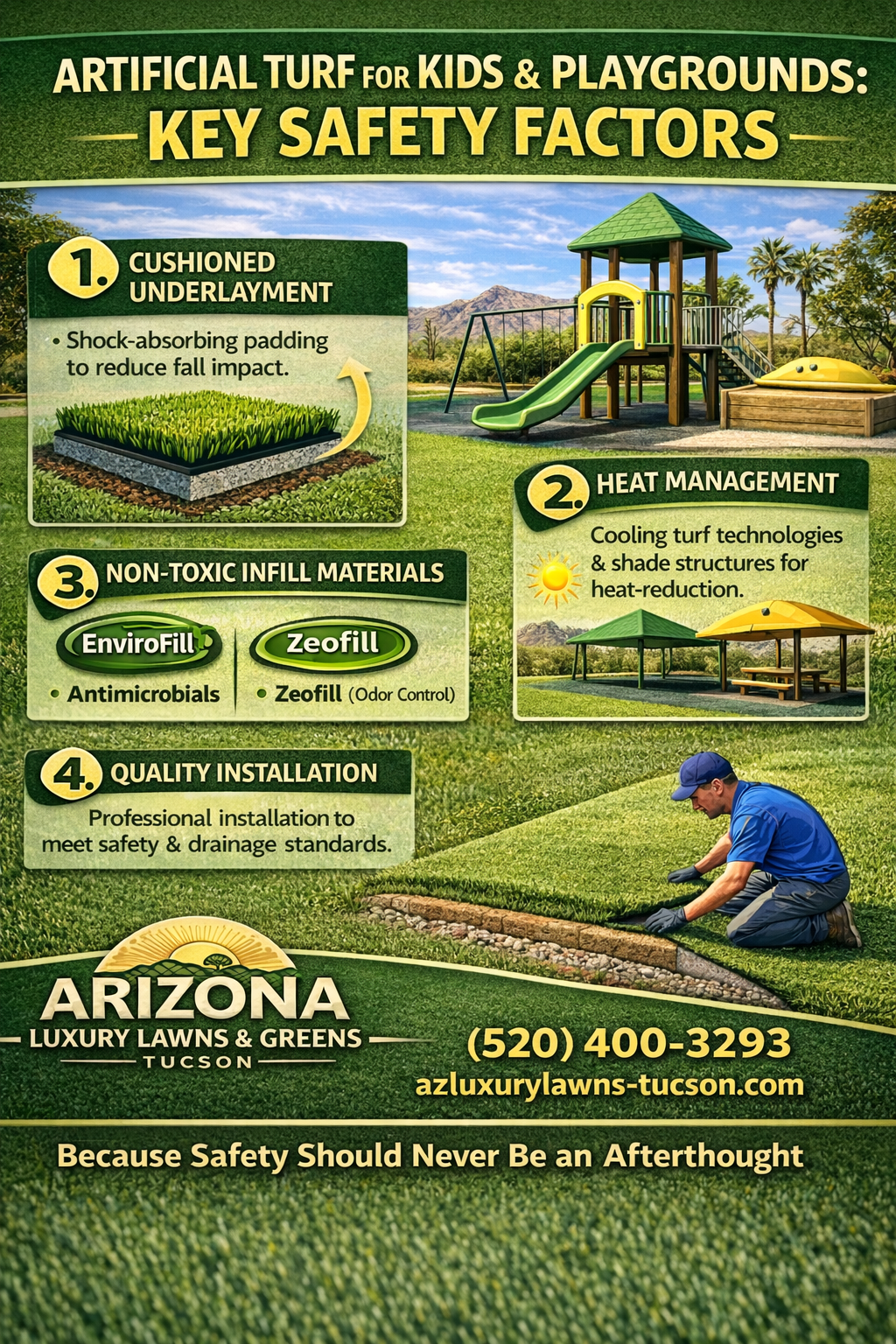
- Shock Pad Integration: Especially for contact sports or playgrounds with high "fall heights," a dedicated shock pad should be installed under the turf. This ensures that even if the infill migrates, the safety (G-max) remains within acceptable limits.
- Irrigation for Cooling: Even though turf doesn't need water to grow, having a "water cannon" or irrigation system is a vital safety tool for cooling the surface during peak summer hours.
- Brushing and Grooming: Regular grooming prevents the compaction of infill. Compacted infill leads to a harder surface and higher injury rates. It also helps redistribute the material to prevent "bald spots" where the hard backing of the turf might be exposed.
FAQ
Is artificial turf safe for pets?
Yes, provided it is installed with a non-toxic, non-absorbent infill. Pet owners should avoid crumb rubber, which can get stuck in paws and retain odors. Antimicrobial coatings and high-flow drainage backings are recommended to prevent the buildup of bacteria from pet waste. However, surface temperature remains a concern; pets' paws can burn on hot turf, so shade and water cooling are necessary.
Does artificial turf cause cancer?
Extensive research by the EPA and health departments in several countries has not found a definitive link between playing on crumb rubber turf and increased cancer risk. However, as of 2026, the focus has shifted toward reducing exposure to PFAS and specific VOCs as a precautionary measure. Choosing PFAS-free and organic infill options further minimizes any theoretical risk.
How often should a turf field be tested for safety?
For public and school sports fields, G-max testing should be conducted at least once a year. For high-use professional facilities, twice-yearly testing is common. Residential lawns do not typically require impact testing unless they are used as a primary play area with playground equipment.
Can I install artificial turf myself safely?
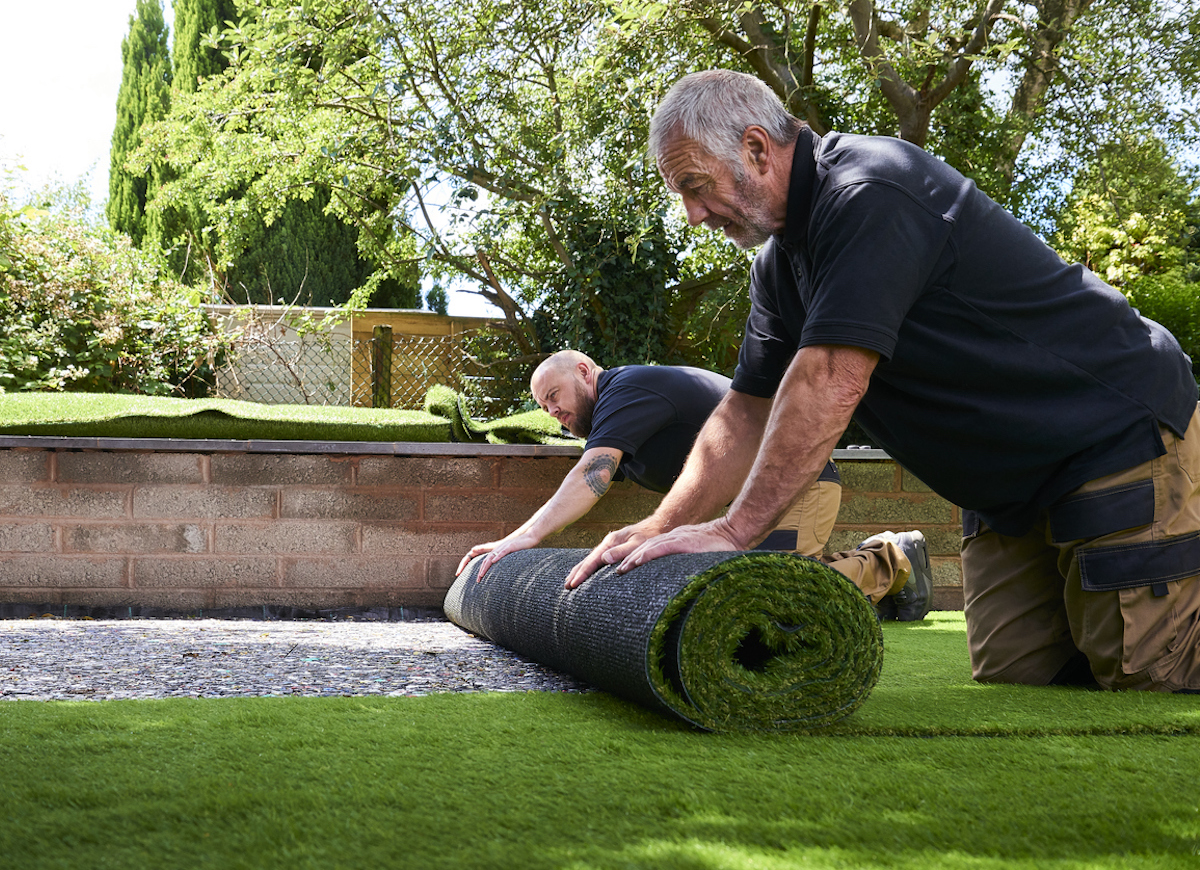
While DIY installation is possible, professional installation is generally safer for sports and high-traffic areas. Professionals have the tools to ensure the infill is evenly distributed and the seams are securely bonded. Poorly joined seams are a major trip hazard and a significant safety liability.
What is the safest infill for a children’s playground?
Organic infills like cork or wood fiber, or high-purity virgin polymers like TPE, are considered the safest for children. These materials avoid the chemical baggage of recycled tires and significantly reduce the surface temperature, which is the most immediate safety threat to children in a playground setting.
Final Recommendation
When prioritizing artificial turf safety, the most effective strategy is a "multi-layered" approach. Start by selecting a PFAS-free, lead-free polyethylene fiber. Combine this with a high-quality shock pad to ensure consistent impact protection regardless of infill depth. For the infill itself, opt for organic or virgin polymer materials to mitigate heat and chemical concerns. Finally, commit to an annual maintenance and testing schedule to ensure the surface remains within safe G-max and hygienic parameters for its entire service life.