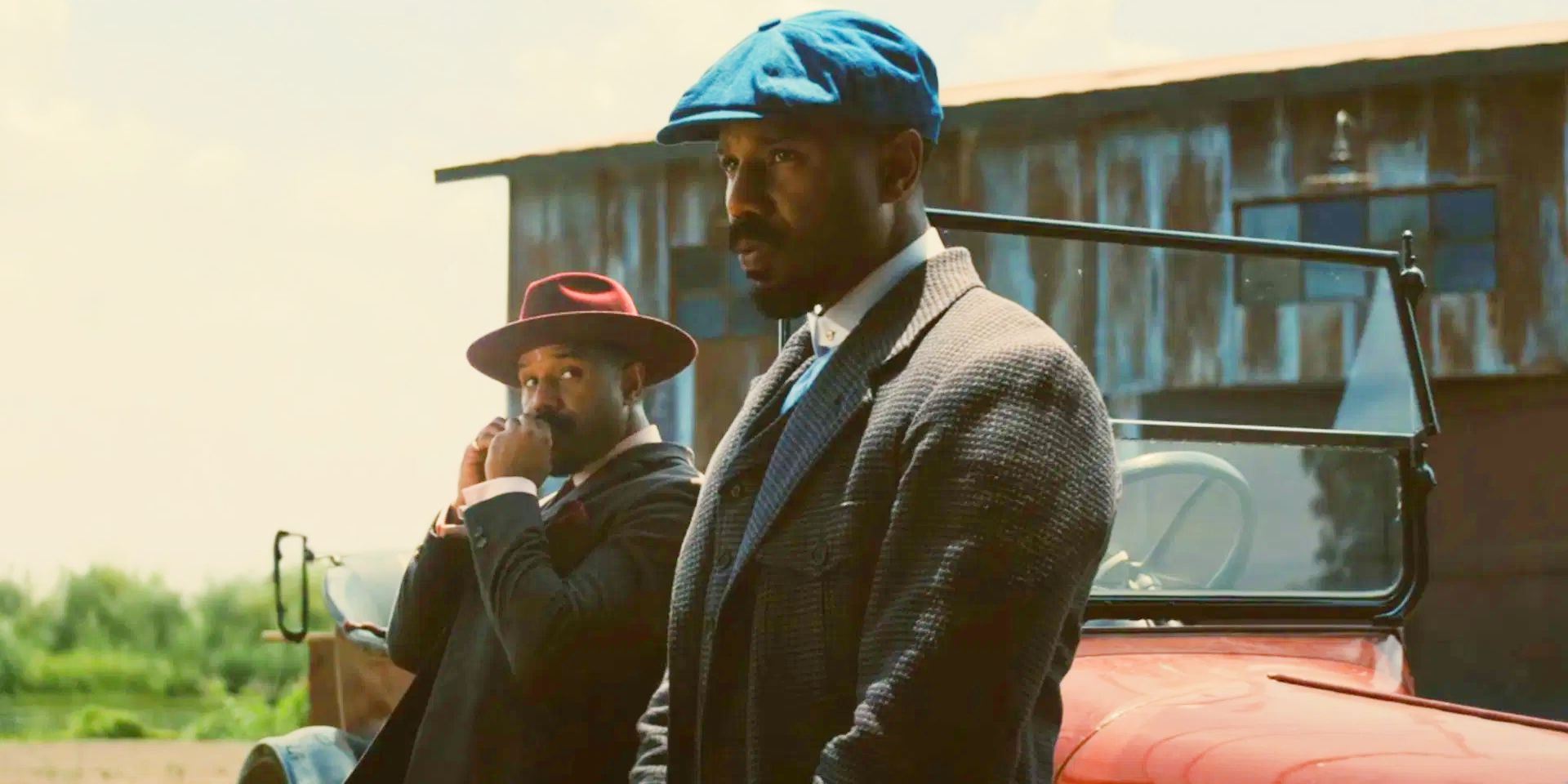
The artist in film often functions as a multi-hyphenate, bridge-building between distinct creative disciplines to achieve a singular vision. This dual role—whether as a writer-director, actor-director, or director-cinematographer—allows creators to maintain unprecedented control over their narrative while navigating the complex logistical demands of 2026’s production landscape.
The concept of the "artist in film" has evolved from the early days of the studio system into a sophisticated model of creative entrepreneurship. In the current 2026 cinematic environment, the lines between departments have blurred, leading to a rise in "dual-role creators" who manage both the macro-vision and the micro-execution of a project. This evolution is driven by both a desire for artistic purity and the practicalities of modern filmmaking budgets and technologies.
The Historical Evolution of the Multi-Hyphenate
To understand the dual role of creators today, one must look back at the origins of the "Auteur Theory," popularized by French critics in the 1950s. This theory posits that a director should be the primary "author" of a film, much like a novelist is the author of a book. Historically, figures like Charlie Chaplin and Orson Welles set the precedent, taking on writing, directing, acting, and even composing roles.
By the late 20th century, the "New Hollywood" era saw the rise of the writer-director as the industry standard for prestige filmmaking. However, as we stand in 2026, the definition of the dual role has expanded. It is no longer just about writing and directing; it involves a deep integration of technical craft and performance. The democratization of high-end digital tools has allowed artists to engage with cinematography, editing, and visual effects more intimately than ever before.
Defining the Primary Dual Roles in Modern Film
The dual role of creators manifests in several distinct combinations, each offering unique advantages and posing specific challenges. Understanding these pairings is essential for any professional navigating the industry.
The Writer-Director: The Architect of Story
The most common dual role is the writer-director. This creator begins the journey at the conceptual stage, crafting the screenplay with a specific visual language in mind.
- Creative Advantage: There is no "translation loss" between the page and the lens. The director understands the subtext of every line because they wrote it.
- Operational Benefit: Revisions on set are more efficient. If a scene isn't working, the writer-director can rewrite dialogue or structural beats instantly without consulting a third party.
- The Risk: A lack of external perspective can lead to an "echo chamber" effect, where weaknesses in the script are not challenged during the production phase.
The Actor-Director: The Dual Perspective
The actor-director role is perhaps the most physically and mentally demanding. Balancing the internal emotional state required for a performance with the external, analytical gaze required for directing is a high-wire act.
- Creative Advantage: The director can lead from within the scene, influencing the energy and pacing of other actors through direct interaction rather than just verbal instruction.
- Operational Benefit: Directing from "inside" can sometimes speed up filming, as the creator has a visceral sense of whether a take felt right.
- The Technical Challenge: The "monitor problem" is significant. Actor-directors often rely heavily on "video village" and playback to review their own performances, which can slow down the rhythm of a shoot.
The Director-Cinematographer: The Visual Author
Increasingly common in independent and documentary circles, this dual role combines the narrative helm with the technical mastery of light and composition.
- Creative Advantage: Total control over the frame. The visual metaphors are baked into the camera movement.
- The Risk: Directing actors can sometimes suffer when the creator is overly focused on technical lighting setups or lens choices.
The Synergy of Creative Control and Technical Execution
Why do creators choose to inhabit multiple roles? In 2026, the answer lies in the pursuit of creative cohesion. When a single mind controls multiple levers of production, the resulting work often possesses a "hand-crafted" feel that is difficult to achieve through committee-based filmmaking.
Maintaining Artistic Purity
In the traditional studio model, a vision can become diluted through successive "passes" by different departments. A dual-role creator acts as a filter, ensuring that every decision—from the color of a costume to the rhythm of a line—aligns with the core thematic intent. This is particularly vital in genre-bending films where the tone is delicate and easily disrupted.
Financial and Logistical Efficiency
From a production standpoint, having a creator who can wear multiple hats can be a strategic asset. In the independent sector, "consolidated roles" can reduce the "above-the-line" costs, allowing more budget to be allocated to "below-the-line" necessities like high-quality sound design or location scouting. Furthermore, a director who is also the editor (the "Director-Editor" model) can begin "cutting in their head" while on set, drastically reducing the time required for the first assembly of the film.
The Challenges and Pitfalls of the Dual Role
Despite the benefits, the dual role of creators is fraught with obstacles that can compromise both the project and the artist’s well-being.
The Loss of Objectivity
The greatest danger to a multi-hyphenate is the loss of a "second pair of eyes." In a standard configuration, the director and editor act as checks and balances for each other. When one person holds both roles, there is no one to point out that a favorite scene is actually dragging the film's pace or that a performance isn't landing as intended.
Physical and Mental Burnout
Filmmaking is inherently exhausting. Doubling one's responsibilities doubles the cognitive load. Actor-directors, in particular, face immense pressure; they must arrive early for hair and makeup, perform all day, and then spend their nights reviewing dailies and planning the next day's shots. In 2026, the industry has become more cognizant of mental health, yet the "hustle culture" surrounding multi-hyphenates remains a concern.
Technical Limitations
No one can be a master of everything. A creator who insists on being their own cinematographer may lack the deep, specialized knowledge of a veteran DP (Director of Photography) regarding new sensor technologies or complex lighting rigs. Recognizing when to delegate is the hallmark of a successful dual-role artist.
Comparison: Single Role vs. Dual Role Dynamics
| Feature | Single Role (Specialized) | Dual Role (Multi-Hyphenate) |
|---|---|---|
| Creative Control | Distributed among department heads. | Centralized in one or two individuals. |
| Pace of Production | Often slower due to consultation. | Can be faster for decision-making. |
| Conflict Resolution | Resolved through debate and hierarchy. | Internalized; requires high self-awareness. |
| Vision Consistency | Requires constant communication. | High; vision is inherently unified. |
| Risk of Burnout | Moderate. | High. |
| Objective Critique | Strong (provided by collaborators). | Weak (requires external consultants). |
Practical Guidance for Aspiring Multi-Hyphenates
For artists in film looking to embrace a dual role, the path requires more than just talent; it requires a disciplined approach to the craft and a deep understanding of the industry's mechanics.
1. Master the Primary Craft First
Before attempting to direct and act, or write and direct, ensure you have a professional-level mastery of at least one of those disciplines. A solid foundation in screenwriting, for instance, provides the structural understanding necessary to lead a crew through the complexities of a shoot.
2. Build a Trusted "Inner Circle"
The most successful dual-role creators surround themselves with collaborators who are not afraid to provide honest, even harsh, feedback. If you are an actor-director, your DP and your Script Supervisor become your most vital allies. They must be empowered to tell you when a take didn't work.
3. Leverage 2026 Technology
Utilize modern tools to bridge the gap between roles. Digital "Video Village" systems that allow for instant, high-resolution playback on tablets can help actor-directors review their work without leaving the set. Pre-visualization (Pre-viz) software allows writer-directors to "see" their script in a 3D environment long before the first day of principal photography.
4. Understand the Business of the "Credit"
In the professional world, especially under Guild regulations such as the DGA (Directors Guild of America) or WGA (Writers Guild of America), taking multiple credits has legal and financial implications. Ensure you understand how residuals, "favored nations" clauses, and credit arbitrations work to protect your interests.
The Role of the "Creative Producer" as a Counterweight
In many successful dual-role scenarios, the "Creative Producer" serves as the essential partner. This individual does not just handle the money; they act as a sounding board for the artist. When the creator is bogged down in the minutiae of acting or technical setups, the producer keeps the "big picture" in focus, ensuring the project stays on schedule and true to its original intent.
Frequently Asked Questions
Is it common for first-time directors to write their own scripts?
Yes, it is extremely common in the independent film world. Most first-time directors find it easier to get a project off the ground if they own the material. This "writer-director" entry point allows them to showcase their voice across two major disciplines simultaneously. However, as filmmakers move into large-budget studio features, they often transition into directing scripts written by specialized screenwriters.
How do actor-directors manage their time on set?
Actor-directors use a variety of techniques, such as using a "stand-in" for lighting and blocking so they can focus on their performance until the camera is ready. They also rely heavily on the First Assistant Director (1st AD) to manage the clock and the crew, allowing the creator to switch between their "performer" and "leader" brain more fluidly.
Does taking multiple roles save money for the production?
Not necessarily. While you might save on one salary, the added time required for the creator to switch hats can lead to longer shoot days, which increases the cost of crew overtime and location rentals. The primary reason for dual roles is almost always creative control rather than simple cost-cutting.
Can a creator be the Director, Writer, and Cinematographer on a union film?
While possible, it is rare on high-budget union films due to the intense demands of each role. The International Cinematographers Guild (IATSE Local 600) and the DGA have specific rules regarding credits and duties. Usually, at the studio level, these roles are separated to ensure the highest technical standards and to manage the sheer scale of the production.
What is the most difficult dual-role combination?
Most industry professionals agree that the Actor-Director-Producer combination is the most grueling. Adding the responsibilities of a producer—managing budgets, legal issues, and logistics—to the creative and physical demands of acting and directing can lead to extreme exhaustion and can compromise the quality of the film.
Future Outlook: The Artist in Film Beyond 2026
As we look toward the end of the decade, the dual role of creators will likely become even more integrated with emerging technologies. We are seeing the rise of the "Director-Technologist," artists who not only direct but also design the AI-assisted tools or virtual production environments (like the "Volume") used to create their films.
The successful artist in film is no longer just a storyteller; they are a multi-disciplinary leader who understands that the "dual role" is not about doing everything themselves, but about having the deep knowledge required to steer every aspect of the creative ship.
Recommendation for Creators: If you are pursuing a dual role, prioritize your collaborative infrastructure. The more hats you wear, the more you need a team that compensates for your blind spots. Start with short-form projects to test your ability to balance these roles before committing to a feature-length production.