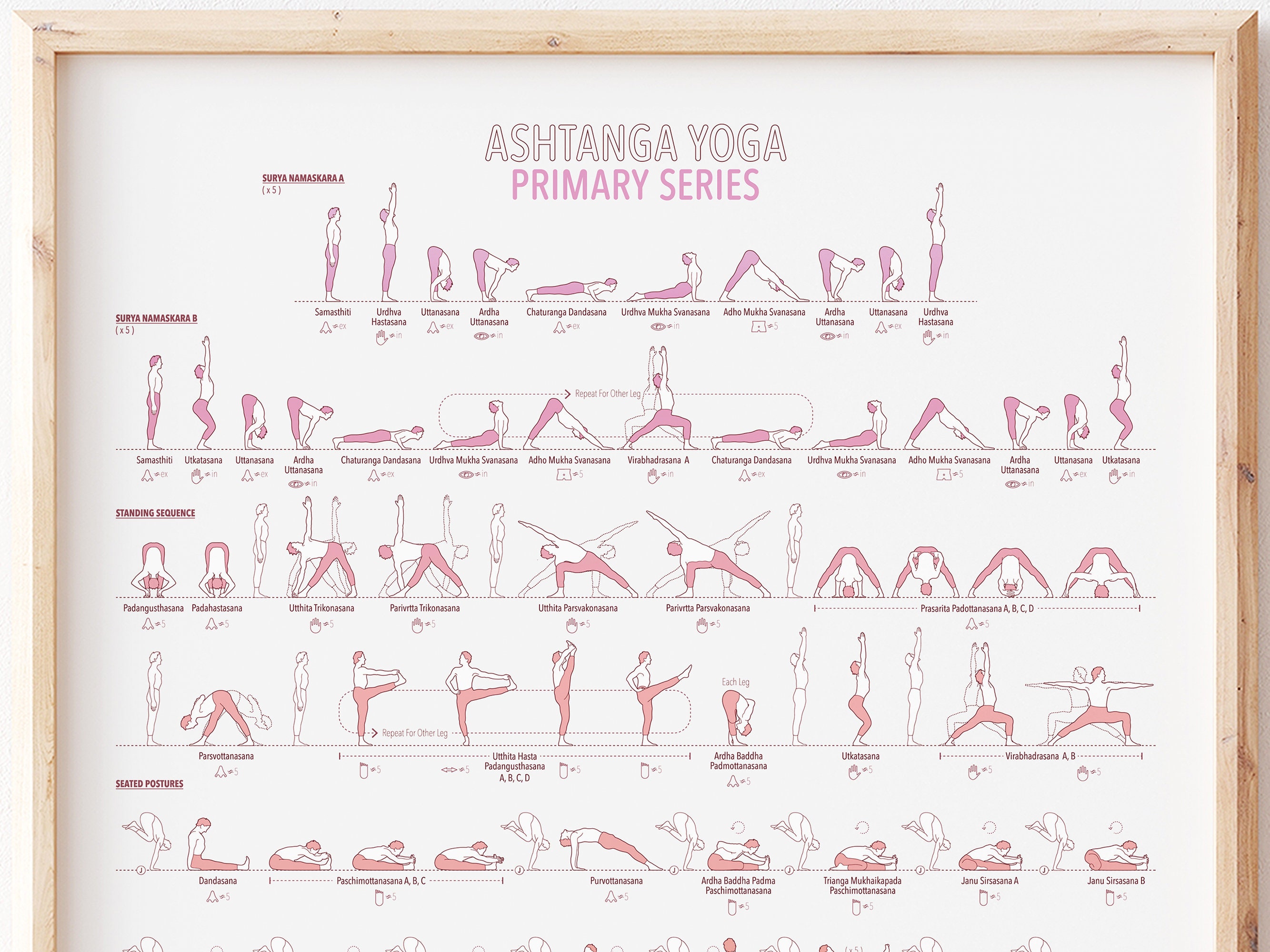
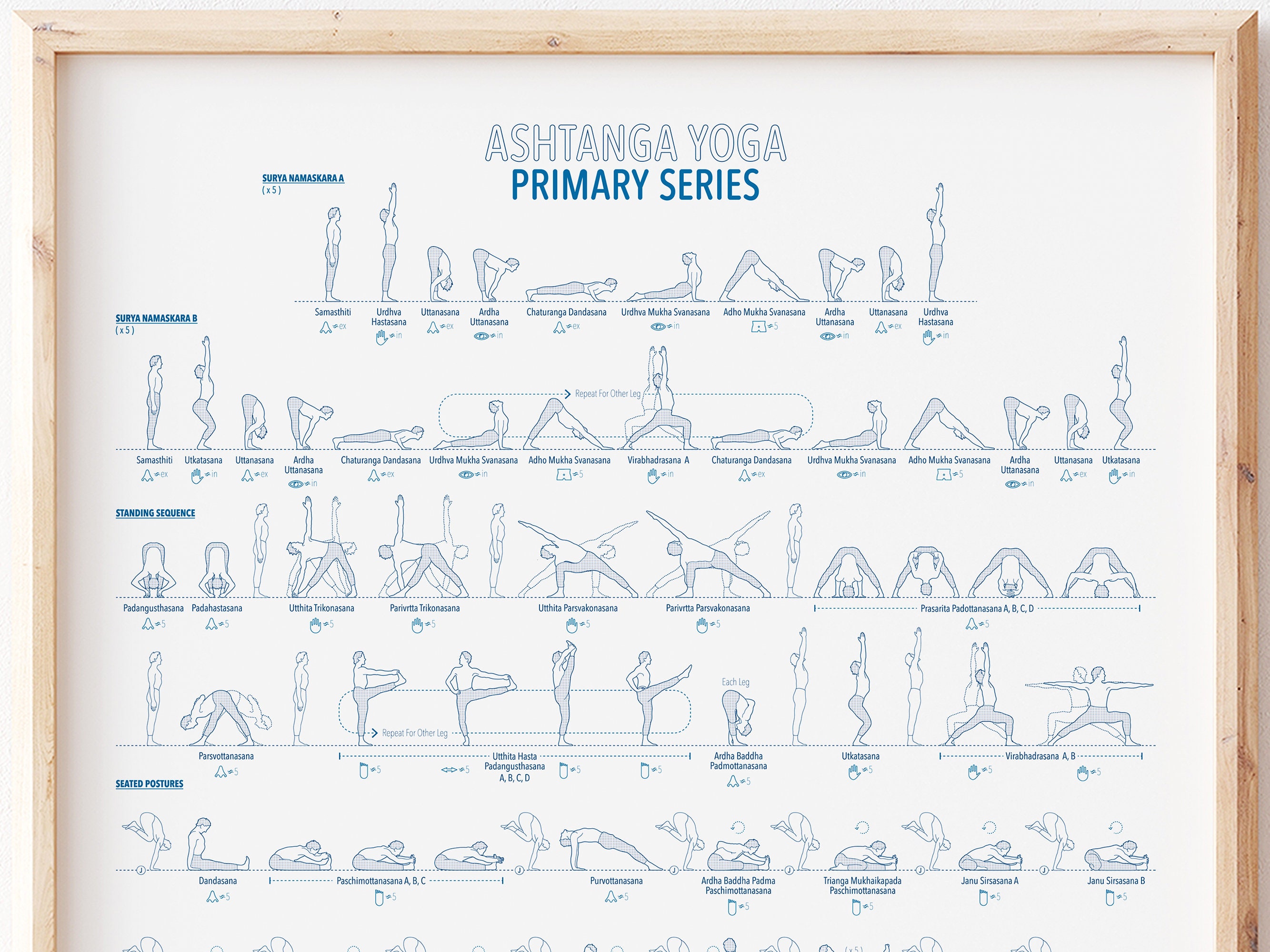
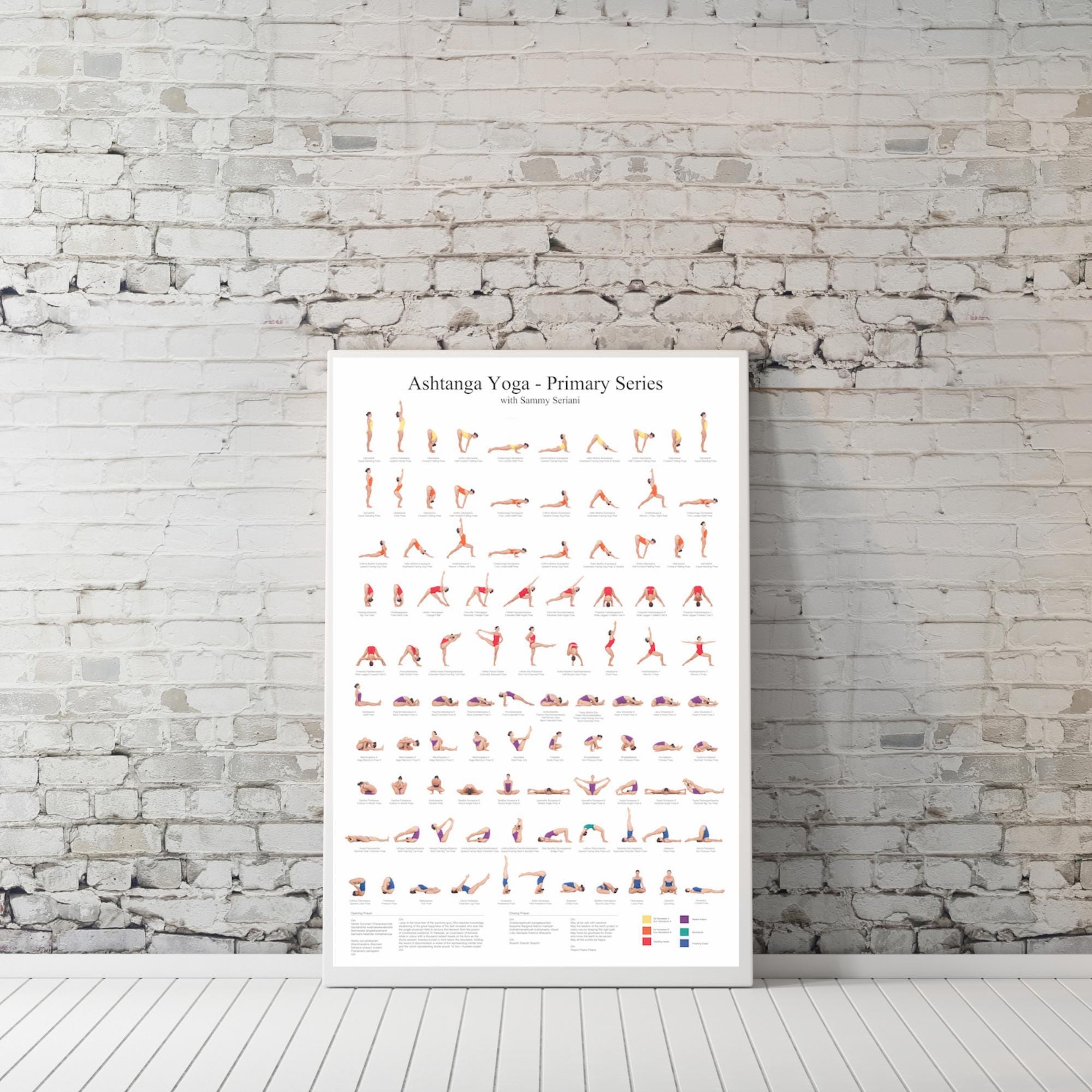
The Ashtanga Yoga Primary Series core sequence, officially known as Yoga Chikitsa or yoga therapy, is a rigid, predetermined set of postures designed to cleanse, detoxify, and align the physical body. Practitioners move through standing postures, seated poses, backbends, and inversions linked together by continuous breath and movement, known as vinyasa, to build internal heat, strength, and mental focus.
Understanding the Ashtanga Vinyasa Foundation
The Ashtanga system, popularized by Sri K. Pattabhi Jois in the 20th century, is built upon the foundational principle of the tristhana method. This method integrates three points of attention: asana (posture), pranayama (breath), and drishti (gazing point). Unlike modern dynamic yoga classes that feature improvised sequences, the Primary Series of Ashtanga is fixed. Every practitioner, regardless of age or flexibility level, follows the exact same blueprint.
The primary objective of the Primary Series is Yoga Chikitsa—the therapeutic healing of the physical body. Practitioners often hold tight misconceptions that the series is merely a fitness regime or a test of physical agility. In reality, it is a moving meditation meant to purify the nervous system, quiet the mind, and correct energetic blockages along the spine.
Before diving into the physical postures, a practitioner must understand the mechanics of Ujjayi pranayama (victorious breath) and Bandhas (energetic locks). Ujjayi breath creates an internal ocean sound that regulates body temperature and calms the nervous system. Meanwhile, Mula Bandha (root lock) and Odhyana Bandha (abdominal lock) create a container of internal energy, stabilizing the core and protecting the lumbar spine during deep forward folds and twists.
The Opening Sequence: Sun Salutations A and B
Every Ashtanga practice begins with the execution of Surya Namaskara (Sun Salutations), divided into Type A and Type B. These sequences serve to generate heat, lubricate the joints, and prime the cardiovascular and muscular systems for the intense physical demands of the core postures ahead.
Surya Namaskara A
Surya Namaskara A consists of nine specific counts, each synchronized with either an inhalation (puraka) or an exhalation (rechaka).
- Samasthiti (Inhale): Stand tall with feet together, grounding evenly through all four corners of the feet while lifting through the crown of the head.
- Urdhva Hastasana (Inhale): Sweep the arms overhead, bringing the gaze to the thumbs (angusthadrishți).
- Uttanasana (Exhale): Hinge at the hips, folding forward with a long spine to rest the hands flat on the mat alongside the feet.
- Ardha Uttanasana (Inhale): Lift the chest halfway, lengthening the spine forward while gazing at the third eye (bhrumadhye).
- Chaturanga Dandasana (Exhale): Jump or step back into a low push-up position, keeping elbows hugged tightly against the ribcage.
- Urdhva Mukha Svanasana (Inhale): Sweep the chest forward and up into Upward-Facing Dog, lifting the thighs off the floor and gazing up.
- Adho Mukha Svanasana (Exhale): Press the hips back and up into Downward-Facing Dog, holding for five deep, counted breaths while gazing at the navel (nabhi drishti).
- Ardha Uttanasana (Inhale): Jump or step forward between the hands, lifting the chest halfway.
- Uttanasana (Exhale): Fold forward completely over the legs.
- Samasthiti (Inhale): Rise to standing with arms overhead, returning to the starting position.
Surya Namaskara B
Surya Namaskara B introduces Utkatasana (Chair Pose) and Virabhadrasana I (Warrior I) into the flow, dramatically increasing the leg strength and cardiovascular load required of the practitioner. It spans nineteen distinct movements and is performed three to five times before moving into the standing sequence.
The Standing Postures: Establishing Structure and Balance
Following the sun salutations, the practitioner enters the standing sequence. These postures are designed to cultivate equilibrium, correct postural imbalances in the hips and shoulders, and stretch the hamstrings safely.
| Posture Name | Primary Focus | Drishti (Gazing Point) |
|---|---|---|
| Padangusthasana | Hamstring stretch & lumbar release | Nasagrai (Nose tip) |
| Padahastasana | Wrist conditioning & deep fold | Nasagrai (Nose tip) |
| Trikonasana (A & B) | Lateral spine stretch & hip open | Hastagre (Hand) |
| Utthita Parsvakonasana | Extended lateral angle & strength | Hastagre (Hand) |
| Prasarita Padottanasana | Inversion, hamstring & groin open | Nasagrai (Nose tip) |
| Parsvottanasana | Pyramid stretch & shoulder seal | Padayoragre (Toes) |
Each standing posture is held for five smooth, uninterrupted breaths. The transition between sides and poses relies entirely on continuous vinyasas—jumping back to chaturanga, moving to upward dog, pressing back to downward dog, and jumping forward. This maintains the internal furnace established during the opening series.
The Seated Sequence: Internal Purification and Deep Forward Folds
Once the standing sequence concludes, the practice shifts to the floor with the seated sequence. This section of the Primary Series focuses heavily on internal hip rotation, deep pelvic opening, and intense forward folding.
Dandasana to Navasana
The seated postures begin with Dandasana (Staff Pose), the baseline position for all floor work. From here, practitioners move through a sequence of seated forward bends that include:
- Paschimottanasana: The foundational seated forward fold, which stretches the entire posterior chain from the heels to the occipital ridge.
- Janu Sirsasana (A, B, and C): A one-legged forward fold that tests external hip rotation and requires careful management of the meniscus and lower back.
- Marichyasana (A, B, C, and D): A complex series combining forward folding with spinal rotation. Marichyasana A and B focus on internal and external bind variations, forcing the shoulder blades to wrap around the shin.
Core Strength and Equilibrium
Interspersed within the seated sequence are balancing postures designed to challenge abdominal strength and spinal extension. Navasana (Boat Pose) is performed five consecutive times, linked by a lifting vinyasa (Lolasana or pendant pose) between rounds. This builder of core endurance isolates the deep transverse abdominis and ignites the Manipura chakra, the energetic center of willpower and digestion.
Backbends and Inversions: The Restorative Climax
As the core sequence nears its conclusion, the energetic trajectory shifts from introspection (forward folding) to expansion (backbending). Backbending in Ashtanga is designed to open the front body, stimulate the nervous system, and counterbalance hours of forward flexion.
Urdhva Dhanurasana and Dropbacks
Practitioners execute Urdhva Dhanurasana (Wheel Pose) three times, holding each for five breaths. Advanced students work on dropbacks, moving from a standing position into a backbend, followed by coming back up to standing unassisted. This requires immense thoracic mobility, quadriceps strength, and emotional surrender.
Finishing Sequence (Closing Postures)
The final segment of the Primary Series restores balance to the nervous system and body chemistry. It includes:
- Salamba Sarvangasana (Shoulder Stand): Held for ten breaths to stimulate the thyroid and parathyroid glands.
- Halasana (Plow Pose): Relieves tension in the cervical spine and calms the brain.
- Karnapidasana (Ear Pressure Pose): Draws the senses inward (pratyahara).
- Matsyasana (Fish Pose): The mandatory counter-pose to the shoulder stand, opening the chest and throat.
- Headstand Sequence: Sirsasana is held for ten to twenty-five breaths, followed by a controlled child's pose or balasana rest.
The practice concludes with Padmasana (Lotus Pose) in meditation, sealed with a traditional closing chant (Mangala Mantra), allowing the practitioner to absorb the accumulated energy of the sequence before entering Savasana (Corpse Pose).
Common Mistakes and Technical Pitfalls
Approaching the Primary Series without proper guidance or pacing frequently leads to injury or chronic strain. Recognizing these pitfalls helps preserve physical longevity.
- Rushing the Breath: Moving faster than the Ujjayi breath leads to hyperventilation and elevated heart rate. The breath dictates the movement; if the breath breaks, the posture must be modified.
- Forcing the Bind: In postures like Marichyasana D or Supta Kurmasana, practitioners often torque the knee joint to force their hands to clasp. The bind should originate from the rotation of the thoracic spine and the opening of the shoulder girdle, never at the expense of the knee meniscus.
- Collapsing the Lower Back: During forward folds, rounding the lumbar spine compromises the hamstrings' stretch and places undue shear stress on the intervertebral discs. Practitioners should lead with the chest and hinge from the hip creases.
Frequently Asked Questions
Can beginners practice the full Ashtanga Primary Series?
The full Primary Series is rarely given to beginners all at once. Traditionally, teachers assign postures incrementally—a method known as the Mysore style—adding new poses only when the student demonstrates mastery, safety, and breath control over the previous ones. Beginners should start with modified versions of Surya Namaskara and select standing postures.
How long does it take to complete the Primary Series?
A complete, unbroken practice of the Primary Series takes approximately 90 minutes. This includes all standing poses, seated sequences, backbends, finishing inversions, and a mandatory 10-minute Savasana at the end.
What is the difference between Primary Series and Secondary Series?
The Primary Series (Yoga Chikitsa) focuses on physical detoxification, spinal alignment, and flexibility. The Secondary Series (Nadi Sodhana), also known as the Intermediate Series, focuses on nervous system cleansing, backbending depth, and opening the subtle energy channels (nadis).
Why are vinyasas performed between every single posture?
Vinyasas serve a dual purpose: they maintain internal body heat (agni) generated by the practice, and they act as a physiological reset button, flushing out metabolic waste from the muscles before moving into the next asymmetrical posture.
Is daily practice required in the Ashtanga tradition?
Traditional Ashtanga lineage encourages a practice schedule of six days a week, resting on Saturdays and on moon days (new and full moons). However, modern practitioners often adapt this to three or four days a week depending on lifestyle demands, recovery capacity, and injury prevention.
Next Actions for Practitioners
To safely incorporate the Ashtanga Primary Series into a personal regimen, begin by learning Surya Namaskara A and B under the supervision of a certified or authorized Ashtanga instructor. Prioritize consistency over depth, ensuring that breath count and drishti remain the primary focal points of every practice session.