Finding an Asian egg donor is a specialized journey that involves balancing personal genetic preferences, stringent medical screening, and complex legal frameworks. Prospective parents must navigate database registries, understand clinical eligibility requirements, and engage with reproductive law experts to ensure that both the donor and the intended parents are fully protected throughout the donation cycle.
The pursuit of an egg donor with specific ancestral or ethnic backgrounds, such as Asian, is often motivated by a desire to ensure a genetic connection or cultural alignment within the family unit. Because the pool of donors is diverse, finding an individual who meets both physical criteria and the medical standards of modern fertility clinics requires a structured, systematic approach.
Understanding the Demand for Asian Egg Donors
In the landscape of third-party reproduction, intended parents often seek donors who share their ethnic heritage. For many, this is a matter of physical resemblance; for others, it is about preserving cultural continuity. The demand for Asian egg donors has grown significantly over the past decade as more families utilize assisted reproductive technology (ART) to build their families.
It is important to acknowledge that "Asian" is a broad demographic descriptor encompassing a vast array of national, ethnic, and genetic backgrounds. When searching databases, you will often find that agencies categorize donors by more specific heritage—such as East Asian, Southeast Asian, or South Asian—to help intended parents narrow their search. Understanding these distinctions is the first step in refining your search criteria and finding a compatible match.
Where to Find Reputable Egg Donor Databases
There are three primary avenues for finding an egg donor: independent egg donor agencies, fertility clinic databases, and private arrangements.
- Egg Donor Agencies: These are specialized organizations that manage the recruitment, psychological screening, and administrative aspects of the process. They hold extensive profiles that allow you to filter by ethnicity, education, physical traits, and medical history.
- Fertility Clinic Databases: Many IVF (In-Vitro Fertilization) centers maintain "in-house" donor programs. The primary advantage here is that the donor has already been pre-screened by the clinical team that will perform the procedure, potentially streamlining the medical process.
- Private/Direct Matching: Some parents choose to find a donor through personal connections or specialized legal facilitators. This route requires extreme caution, particularly regarding the legal and medical screening requirements mandated by health authorities.
Eligibility and Screening Requirements
Regardless of the source, an egg donor must meet rigorous medical and psychological standards to ensure the safety of the pregnancy and the health of the resulting child. In 2026, most reputable clinics follow the guidelines established by the American Society for Reproductive Medicine (ASRM) or similar international bodies.
The screening process for a donor typically includes:
- Medical History Review: An in-depth evaluation of the donor’s personal and family medical history to identify hereditary conditions.
- Genetic Testing: Screening for common genetic mutations (such as cystic fibrosis, spinal muscular atrophy, and hemoglobinopathies) that are prevalent in the donor's ethnic group.
- Physical Examination: A pelvic exam and ultrasound to assess ovarian reserve and overall reproductive health.
- Psychological Evaluation: A consultation with a mental health professional to ensure the donor understands the emotional and long-term implications of egg donation.
- Infectious Disease Screening: Mandatory testing for HIV, Hepatitis, Syphilis, and other communicable diseases as required by law.
Comparison of Donation Routes
| Feature | Specialized Agency | In-House Clinic Program | Private/Independent |
|---|---|---|---|
| Donor Pool | Extensive/Broad | Limited/Exclusive | Variable/Limited |
| Screening Speed | Moderate | High (Pre-screened) | Low (Needs coordination) |
| Legal Support | Provided/Managed | Usually Refer Out | Must Hire Attorney |
| Cost Transparency | High (Agency Fee) | Integrated in IVF costs | High Variable Risk |
| Privacy Levels | High (Anonymity options) | High (Clinic managed) | Low (Often known) |
Legal Considerations and Parentage
Before beginning the clinical cycle, it is imperative to secure your legal status as the intended parent. Even when a donor undergoes a thorough screening process, the legal agreement between the donor and the intended parents must be drafted by an attorney specializing in reproductive law.
This legal contract outlines the donor’s relinquishment of all parental rights and the intended parents' assumption of all legal and financial responsibilities for any children born through the process. Laws regarding egg donation vary significantly by jurisdiction; for instance, some regions provide "anonymous" donation options, while others have moved toward "identity-release" models where children may access the donor's identity upon reaching the age of 18. Always consult with a local reproductive law expert to ensure your parental rights are fully protected under current state or national statutes.
Navigating Costs and Financial Planning
The cost of utilizing an egg donor is substantial and varies based on the donor's compensation, the agency's management fees, legal costs, and the clinical expenses associated with the IVF cycle. As of 2026, intended parents should prepare for a budget that accounts for:
- Donor Compensation: This varies widely based on experience, education, and geographic location.
- Agency Fees: The administrative cost of recruiting and managing the donor relationship.
- Medical Expenses: Including fertility medications, laboratory fees, anesthesia, and the actual IVF procedure.
- Legal Fees: Drafting the contract and obtaining a court order for parentage if required in your jurisdiction.
- Travel and Incidental Expenses: If your donor is located in a different city, you may be responsible for their travel, lodging, and dietary costs during the procedure.
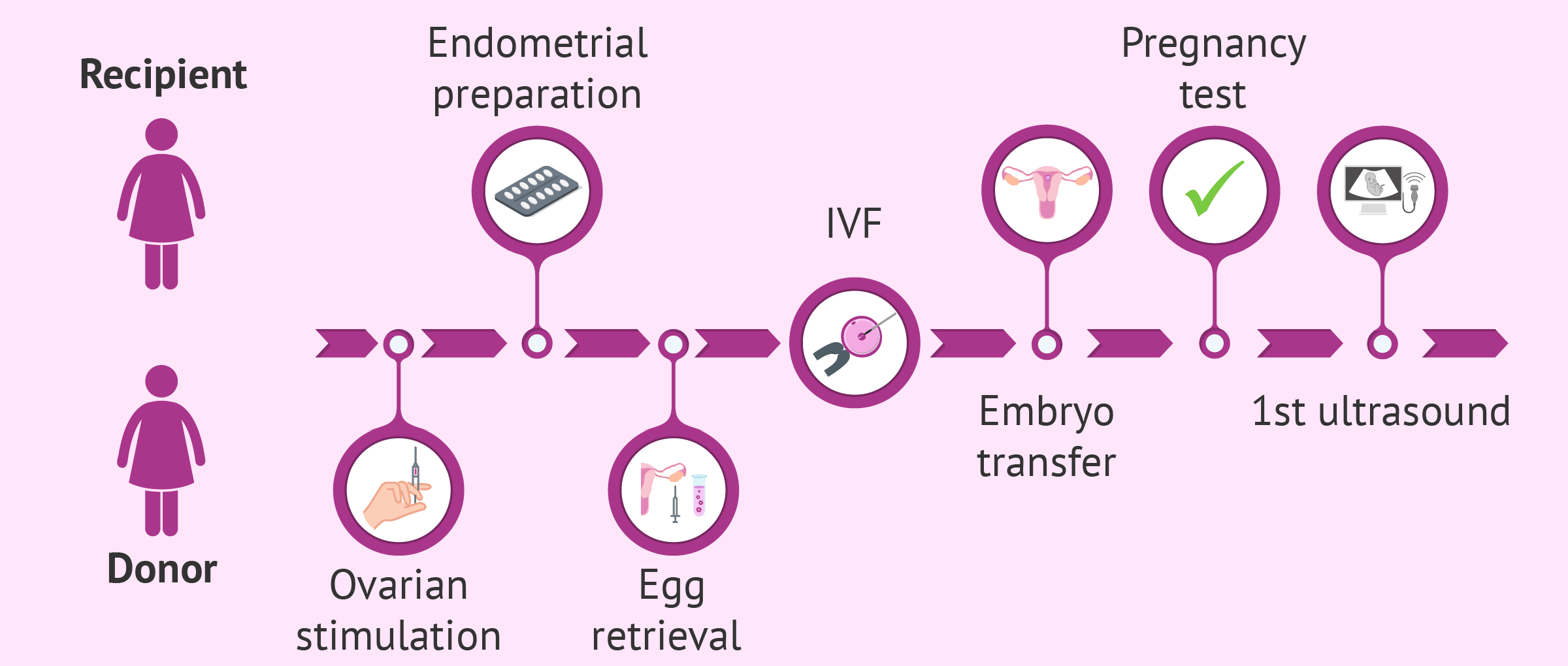
Step-by-Step Execution Plan
To move forward effectively, follow this structured path:
- Consult with a Fertility Specialist: Discuss your specific requirements and learn what medical prerequisites your chosen clinic demands of donors.
- Define Your Criteria: Determine what traits are "must-haves" and which are "nice-to-haves." Be realistic about the impact of the donor’s genetic profile versus the many other factors that influence a child’s development.
- Interview Agencies: Contact 2–3 reputable agencies that have a consistent track record of working with donors of Asian descent. Ask about their current database size and their average wait times for a match.
- Secure Legal Counsel: Once a donor is identified, secure a contract that clearly defines the rights and obligations of all parties.
- Synchronization: The clinical team will work to synchronize your cycle (or your surrogate’s cycle) with the donor’s stimulation and retrieval schedule. This requires precise timing and adherence to medication protocols.
Common Pitfalls and How to Avoid Them
- Ignoring Genetic Carrier Screening: Never skip comprehensive genetic testing. Ensure your clinic provides a report that is tailored to the specific ethnic background of the donor.
- Underestimating the Timeline: Finding a donor is not an overnight process. Some searches may take several months to identify a suitable candidate who is available and passes medical screening.
- Lack of Emotional Preparation: The process of choosing a donor can be emotionally taxing. Many clinics offer access to counseling services to help intended parents navigate the transition from biological connection to donor-assisted parenthood.
Frequently Asked Questions
Are there differences in success rates based on the donor's ethnicity? No, clinical success rates in IVF are primarily determined by the age of the egg donor, the quality of the embryos, and the medical protocol used. Ethnicity is not a predictor of fertility potential; however, finding a donor with a good ovarian reserve is critical regardless of background.
How do I ensure a potential donor is healthy? Your fertility clinic will conduct a rigorous screening process. This includes an AMH (Anti-Müllerian Hormone) test to assess egg supply, physical exams, and infectious disease screenings. Always request a summary of the medical clearance from the clinic's medical director.
Can I remain anonymous to my egg donor? Yes, in many jurisdictions, agencies offer "anonymous" programs where names and identifying information are shielded. However, the rise of home DNA testing kits means that true anonymity is becoming increasingly difficult to guarantee. You should discuss the potential for future contact with your legal and clinical advisors.
What if the egg donor changes her mind? This is a rare occurrence, but it is why a legal contract is mandatory. The contract, signed before any medical procedures begin, is designed to protect your parental rights and clarify the legal obligations of the donor.
How many eggs should I expect from a donor? While the number varies, a healthy young donor typically yields between 10 and 20 eggs per cycle. Your doctor will monitor the donor throughout the stimulation phase to estimate the yield and ensure the process remains safe for the donor.
Recommendation for Next Steps
If you are just beginning, start by scheduling a consultation with a reproductive endocrinologist. Request a referral to reputable, licensed egg donor agencies that demonstrate a transparent process for donor health screening and legal protection. Focus on agencies that prioritize the well-being of the donor while providing you with the comprehensive documentation required to ensure a smooth, ethically sound, and legally secure journey.